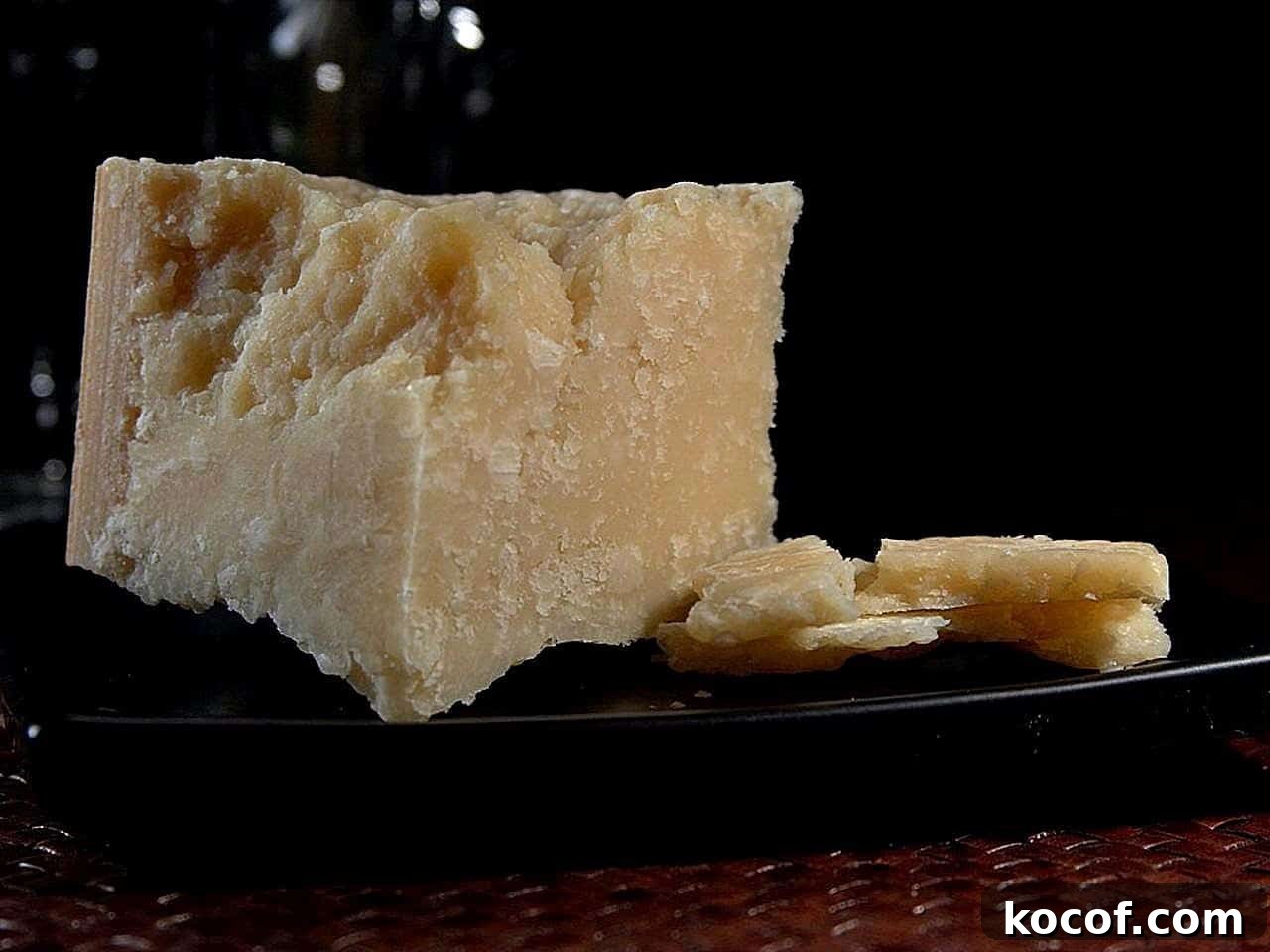
Snagging the last bit of Parmesan feels like a small victory. Wasting food frustrates many of us — around 25 percent of groceries are discarded — so stretching every ingredient matters. Simple storage tweaks can save money and make meals more satisfying. For instance, wrapping cheese in parchment paper or storing it in the right container helps it stay fresh much longer. Read on for practical tips on how long Parmesan lasts, whether it needs refrigeration, if it can be frozen, and how to spot spoilage.
Most people know food spoils eventually, but fewer understand how quickly and under what conditions. Parmesan’s shelf life depends on the type, how it was packaged, and how you store it.
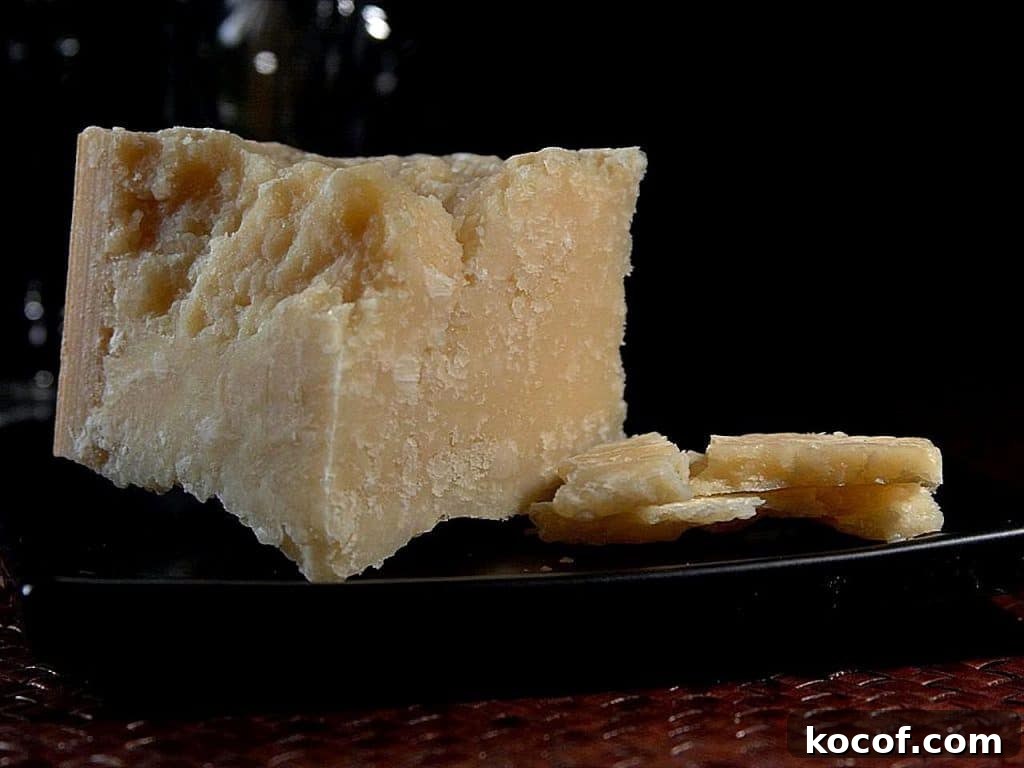
How long does Parmesan cheese last?
There isn’t a single answer: shelf life varies with the cheese’s age, packaging, and storage conditions. Generally, a wedge of commercial Parmesan stored properly can last months in the refrigerator, while high-quality aged Parmesan can remain usable for a year or more. Key factors that shorten life are heat, humidity, and exposure to air.
To maximize shelf life:
- Limit exposure to moisture and heat.
- Keep the cheese in a cool, dry place or in the refrigerator for longer storage.
- Airtight storage limits oxygen contact; vacuum sealing extends freshness even more.
Avoid storing Parmesan in thin plastic wraps long-term, as they can trap moisture and accelerate spoilage. Instead, wrap a cut wedge in parchment paper, then place it in a loose-sealing container or a resealable bag. Vacuum sealers are useful if you want to preserve larger amounts for months.
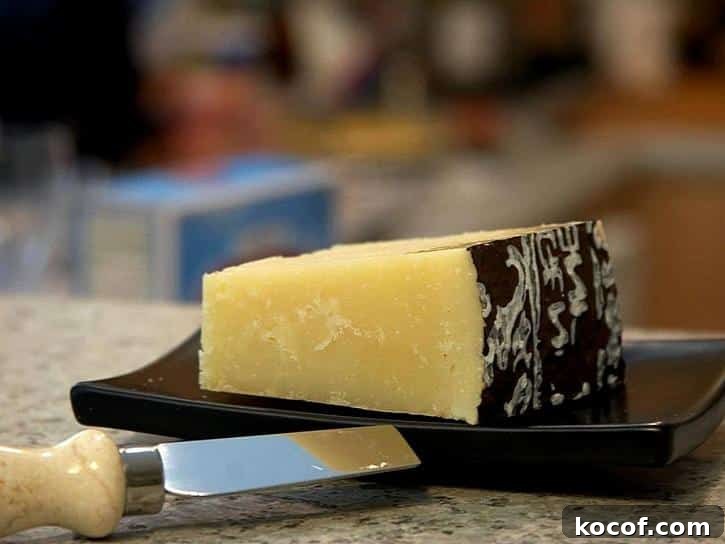
Does Parmesan cheese need to be refrigerated?
Parmesan is a firm, aged cheese that is more shelf-stable than fresh cheeses. In many kitchens you’ll see whole blocks stored at room temperature for short periods. That said, refrigeration is recommended if you want to preserve flavor and texture for longer. The refrigerator slows oxidation and mold growth.
Tips for storing at room temperature or in the fridge:
- Use parchment paper or cheese paper to wrap a wedge, then place it in a breathable container.
- Keep it away from direct sunlight and warm spots.
- Store in the refrigerator for long-term use, ideally in a lower-humidity area like the cheese drawer or a sealed container.
Why Parmesan can be stored outside the fridge
Parmesan’s low moisture and high salt content, along with the aging process, make it less prone to rapid bacterial growth than soft cheeses. It doesn’t rely on active live cultures the way some fresh cheeses do, so brief counter storage is usually safe. Still, prolonged exposure to heat or humidity will accelerate quality loss, so refrigeration is the safer option for extended storage.
Can Parmesan cheese be frozen?
Yes, Parmesan can be frozen, although the texture may change slightly. Freezing is a good option if you won’t use a large block quickly. To freeze Parmesan:
- Grate or portion the cheese before freezing for easier use later.
- Wrap tightly in parchment or foil, then place inside a freezer bag to minimize exposure to air and moisture.
- Label with the date and use within six months for best quality.
When ready to use, thaw in the refrigerator and bring to room temperature before serving. Frozen-then-thawed Parmesan is best used for cooking or grating rather than for eating fresh on a charcuterie board.
What does Parmesan cheese taste like?
Parmesan is known for its nutty, savory, and slightly fruity flavors that intensify with age. Younger wheels are milder and more pliable, while aged varieties develop deeper umami notes and a firmer, crumbly texture. Use younger Parmesan for melting and aged Parmesan for grating over pasta, salads, and soups.
How to tell if Parmesan cheese has gone bad
Signs that Parmesan has spoiled include:
- Visible mold that penetrates a soft wedge (for hard cheeses, you can often cut away small surface mold with a generous margin).
- An off or pungent odor that differs from the cheese’s usual savory aroma.
- A slimy or excessively dry, cracked surface and an unpleasant bitter or sour taste.
If you see mold on a hard cheese wedge, cut away at least one inch around and below the mold spot; if the mold is extensive or the smell is strong, discard the cheese.
How to store Parmesan cheese
Best practices for storing Parmesan:
- Wrap cuts in parchment or cheese paper, then place in a loosely sealed container to allow minimal airflow without drying the cheese out.
- Keep a whole wheel or large block in the refrigerator if you don’t plan to use it quickly.
- Freeze portions you won’t use within a few weeks, preferably grated or in meal-sized portions.
Proper storage preserves both flavor and texture and reduces waste.
Can you eat Parmesan past its use-by date?
Parmesan is an aged cheese, and a printed date is often a guideline for peak quality rather than a strict safety cutoff. If the cheese shows no signs of spoilage — no off smells, visible mold, or textural collapse — it may be safe to use past the date. When in doubt, rely on senses: sight, smell, and taste. Toss any cheese that seems questionable.
What does bad Parmesan smell like?
Bad Parmesan can develop a sharp, sour, or rotten odor that’s noticeably different from its normal nutty and savory scent. Such smells indicate bacterial growth or rancidity, and the cheese should be discarded.
How long do Parmesan cheeses last?
Under proper storage, a block of Parmesan can last several months in the refrigerator. High-quality aged Parmesan stored in cool, dry conditions may remain usable for a year or longer. Freezing grated portions can extend usable life up to six months. Humidity and temperature are the main factors that shorten shelf life, so buy amounts you can use and store them appropriately to minimize waste.
Related Posts
Burmese Chicken Recipe

Can you use Aluminium Foil in an Oven?

Patti Labelle Banana Pudding Recipe
Freezing Hummus?