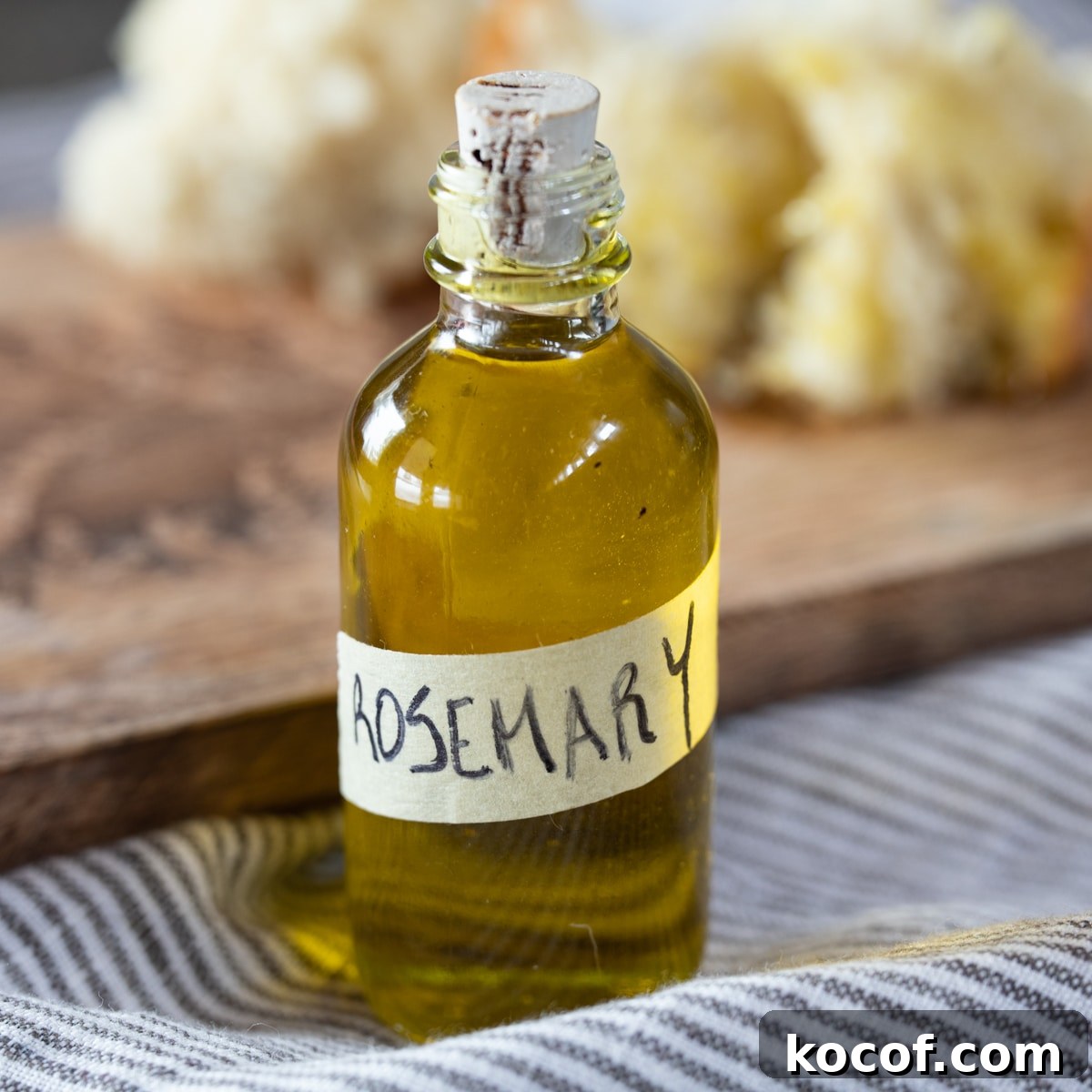
Step-by-step instructions on how to make rosemary-infused olive oil in your own kitchen.
Jump to Recipe
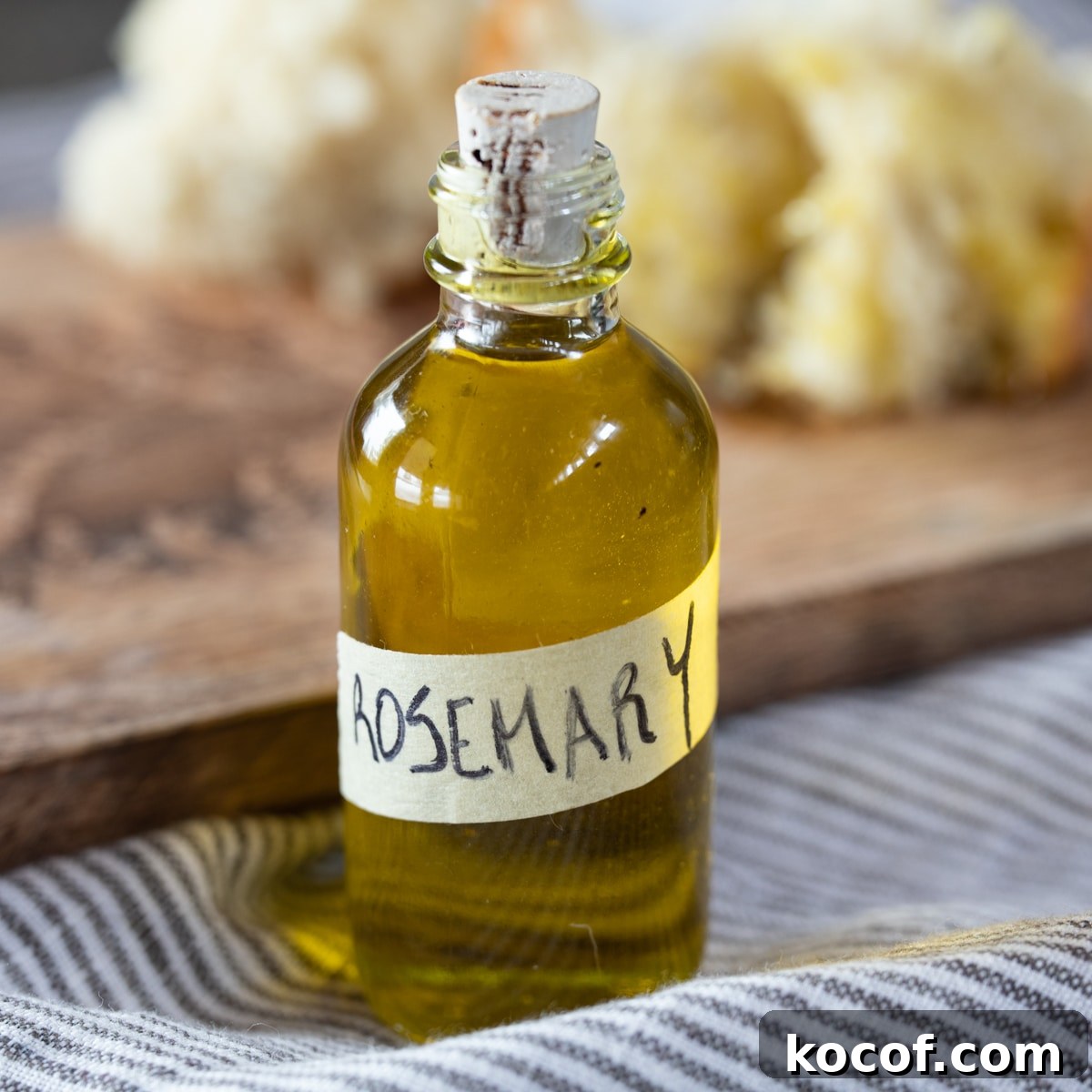
A bottle of rosemary olive oil is a versatile pantry item: perfect for dipping crusty bread, drizzling over roasted potatoes, finishing white beans or chickpeas, or gifting to a friend. Making it at home is quick and yields an aromatic oil that highlights fresh rosemary.
🧅 Main Ingredients + Notes
Using quality ingredients and a few simple shortcuts can make cooking easier and improve results. This rosemary oil is best with fresh rosemary and a good extra virgin olive oil.
For complete measurements and the full recipe, see the Recipe Card further down.
- Extra virgin olive oil – choose a good-quality oil for a cleaner, better-flavored infusion.
- Rosemary – use fresh rosemary (not dried) for the brightest aroma and flavor.
Disclosure: This post may contain affiliate links to products and foods I use in my kitchen. This means that at no additional cost to you, I may earn a commission if you click through and make a purchase.
🔪 Recommended Equipment
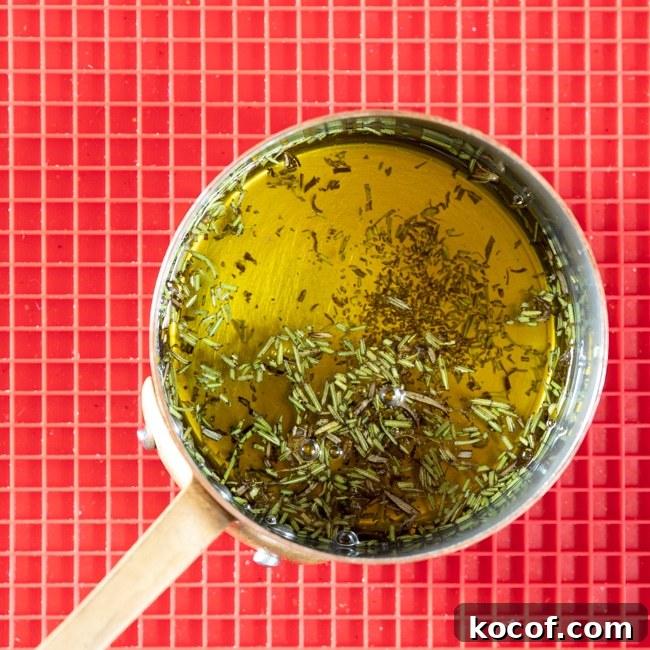
- Small heavy-bottomed pot or skillet – an even-heating pan prevents hot spots that could overheat the oil. Avoid aluminum or uncoated cast iron for this recipe.
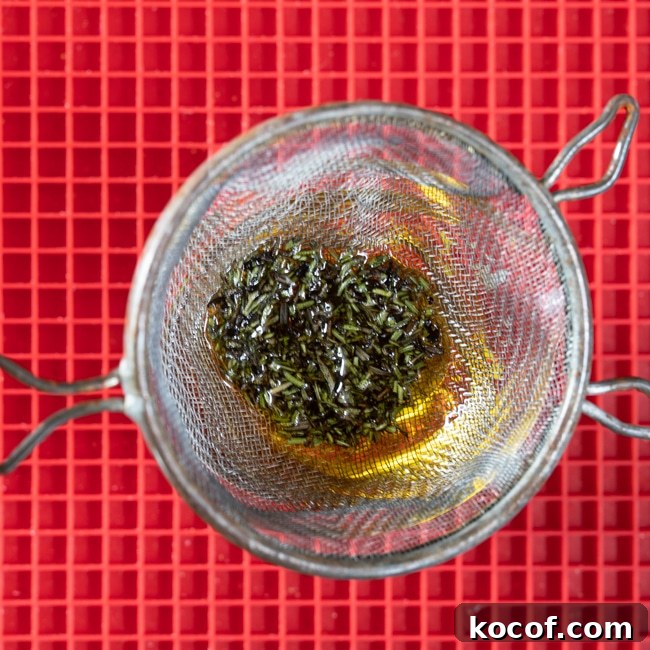
- Small strainer – to remove rosemary leaves after infusing. A tea strainer works in a pinch.
👩🍳 Preparation Tips
- Wash and dry rosemary thoroughly before use. Any remaining water can promote spoilage of the infused oil.
- If you have a weakened immune system, wash rosemary in a diluted vinegar solution then rinse and dry well to reduce possible surface bacteria.
- Dried herbs can be used safely for infused oils because their moisture is removed; they produce a more stable infusion but a different flavor profile than fresh herbs.
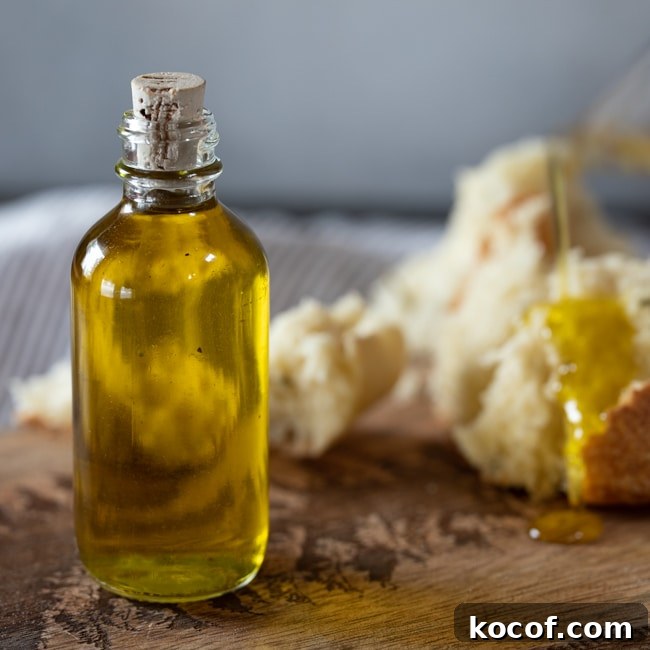

Rosemary Olive Oil
Equipment
-
Small, heavy-bottomed pot
-
Small strainer
Ingredients
- ½ cup extra virgin olive oil of a good quality
- 2 tablespoons fresh rosemary
Instructions
-
Wash and thoroughly dry the rosemary leaves. You can leave them whole or chop them — chopping releases more of the herb’s essential oils. Be sure the leaves are completely dry to avoid introducing water into the oil.
-
Place the rosemary in a small pot and pour the olive oil over it. Warm gently over low heat for about 10 minutes. Keep the oil warm but do not allow it to simmer; high heat can degrade the oil and the herb’s delicate flavor.
-
Remove the pot from the heat and let the oil cool to room temperature, about 1 hour, so the flavors continue to infuse as it cools.
-
Strain out the rosemary leaves using a small strainer and transfer the oil to a clean, dry jar or bottle. Seal and refrigerate. Use within two weeks for best flavor and safety.
Nutrition