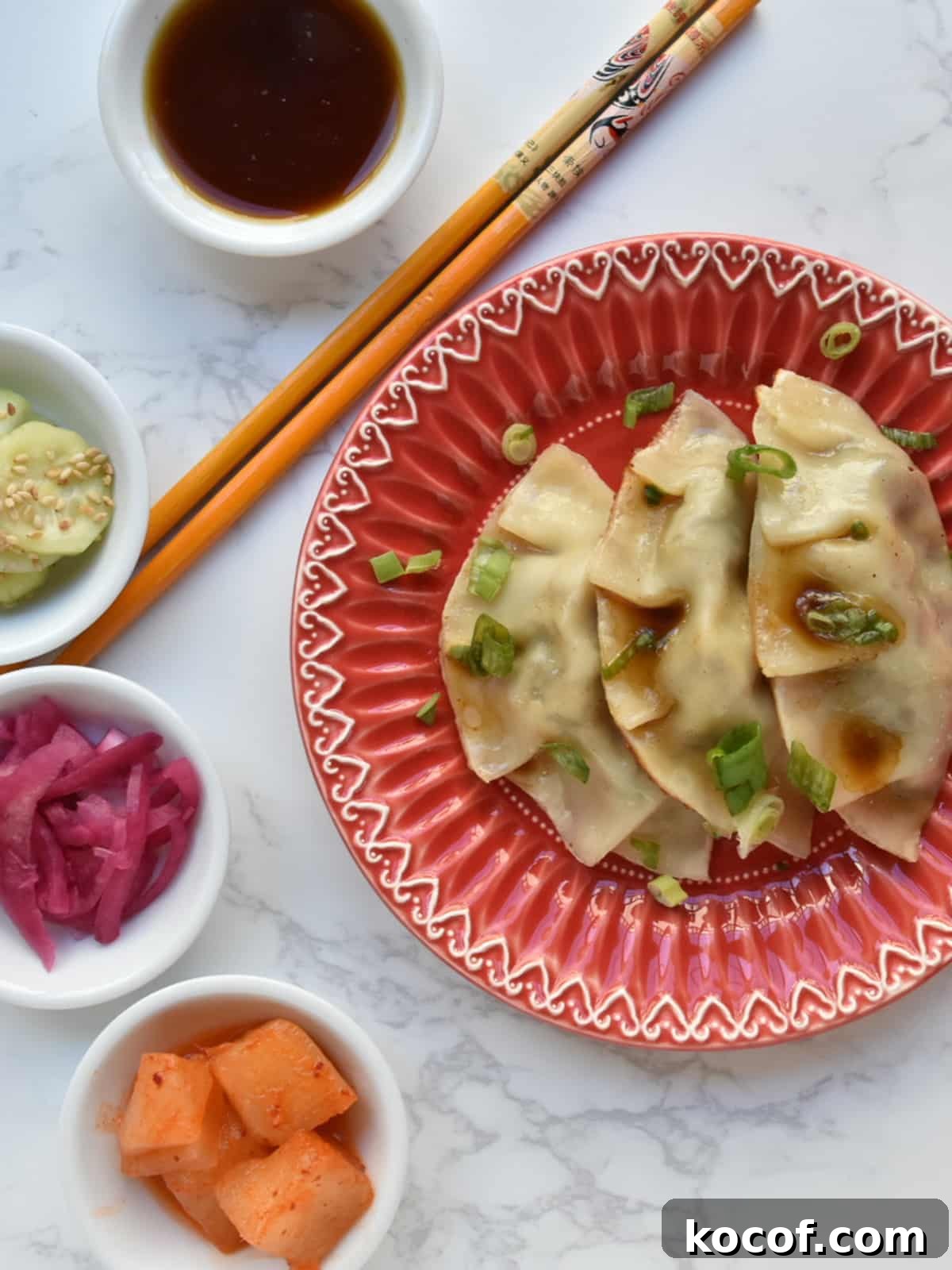
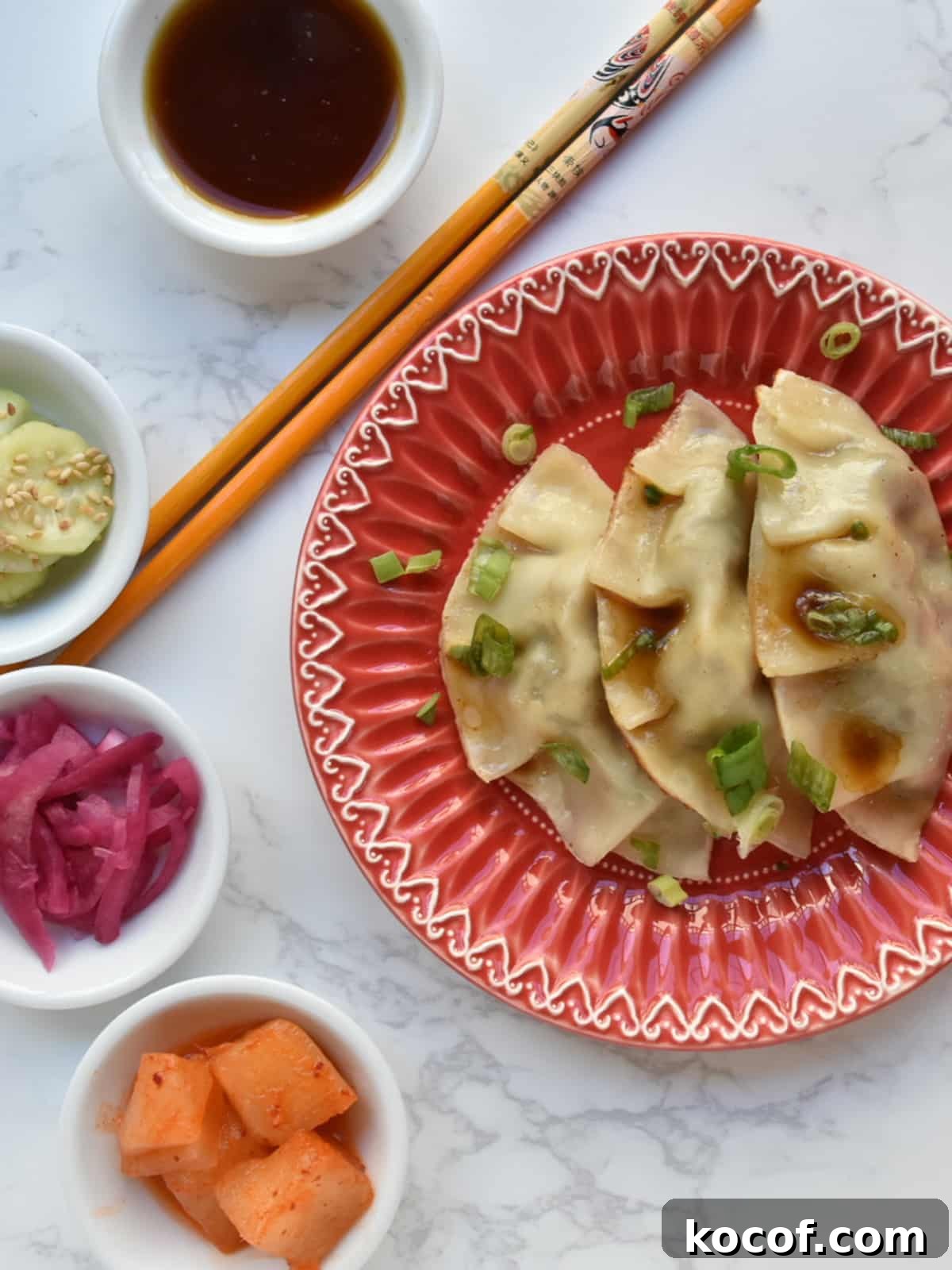
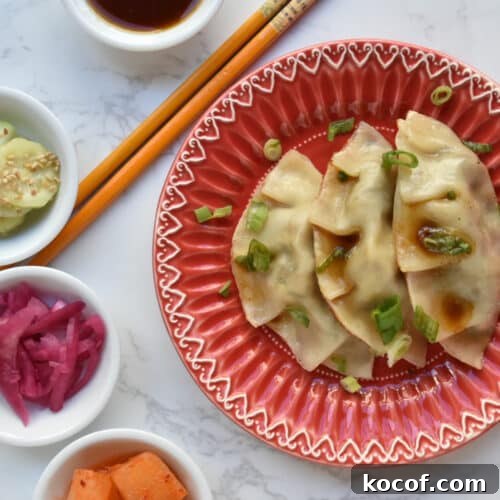
If Korean mandu and Jewish kreplach had a love child, these Korean beef dumplings—what I call Jew Mandu—would be it. Tender braised beef is wrapped in Korean-style mandu wrappers, pan-fried until the edges are crispy and the insides stay juicy, then served with a tangy black vinegar dipping sauce and a small selection of “hapa banchan” that reflect my family’s Korean, Hawaiian, and Jewish food traditions.
These homemade beef dumplings blend the comforting flavors of traditional mandu with the nostalgic, brisket-style filling of kreplach, resulting in a distinctive fusion dumpling that works equally well as an appetizer or a main course.
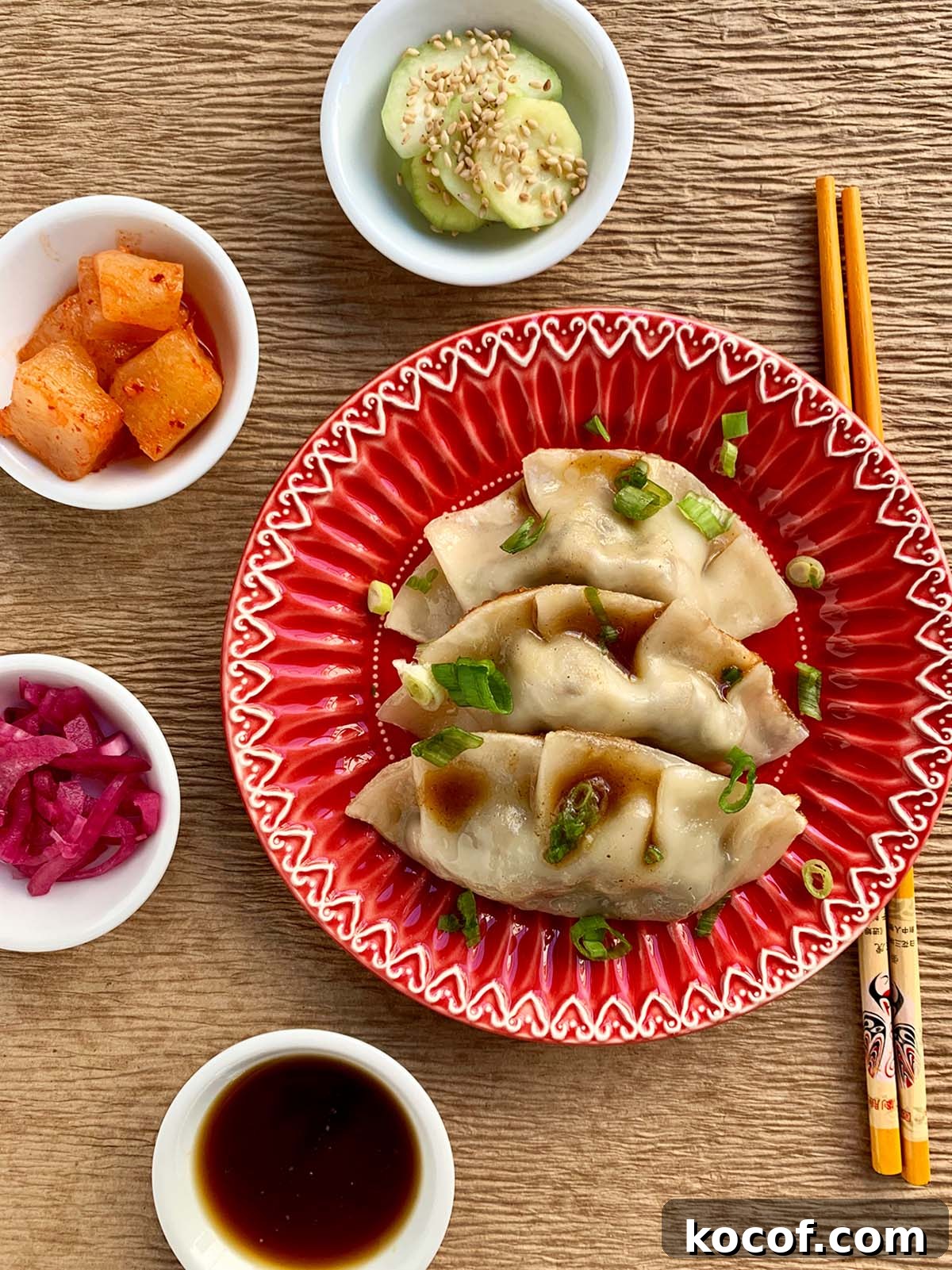
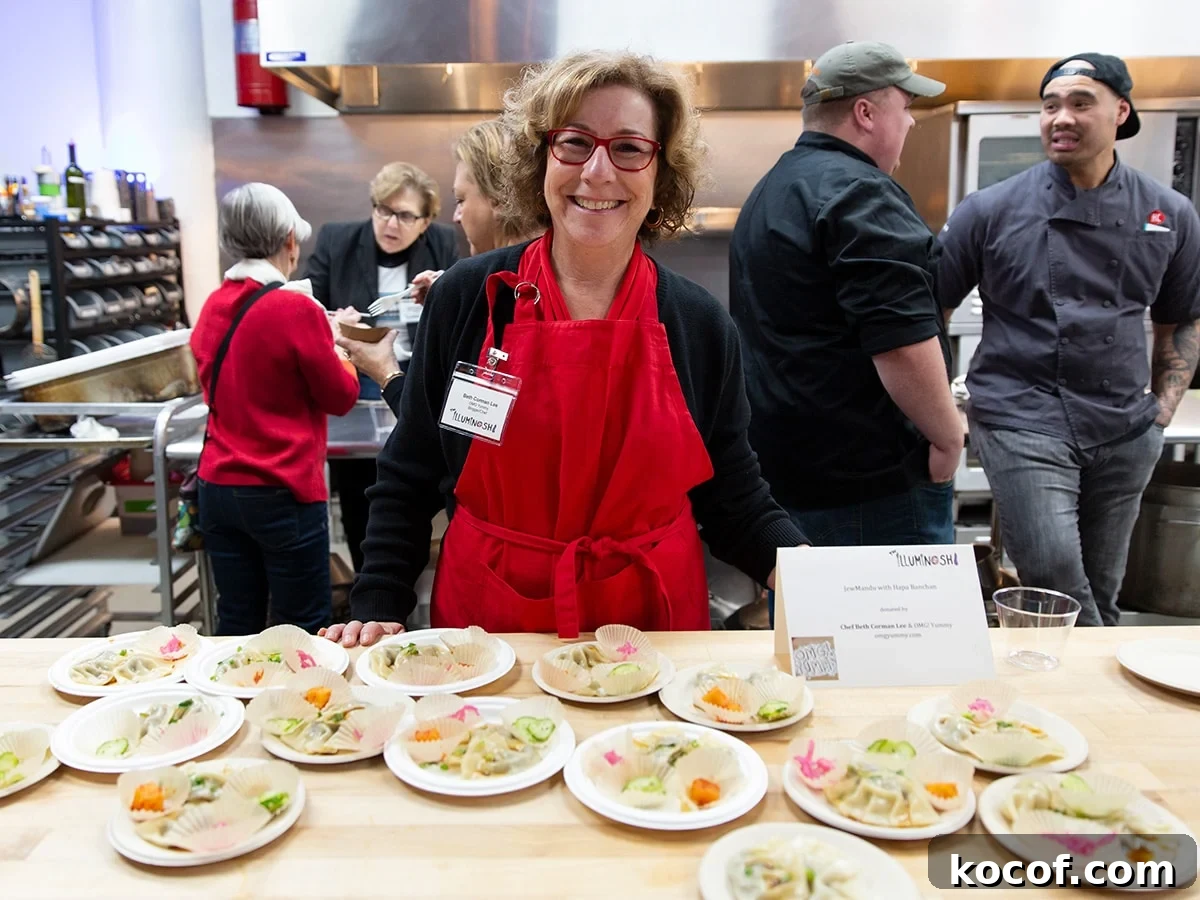
This recipe was originally developed to showcase a blend of Jewish and Asian food stories and performed beautifully at a chef event showcasing multicultural dishes.
What are mandu?
Mandu (sometimes spelled mondu, mun doo, or mon doo) are Korean savory dumplings, similar in role to Chinese potstickers, Japanese gyoza, or Jewish kreplach. Every cuisine seems to have its own beloved dumpling, and mandu are Korea’s delicious take on that idea.
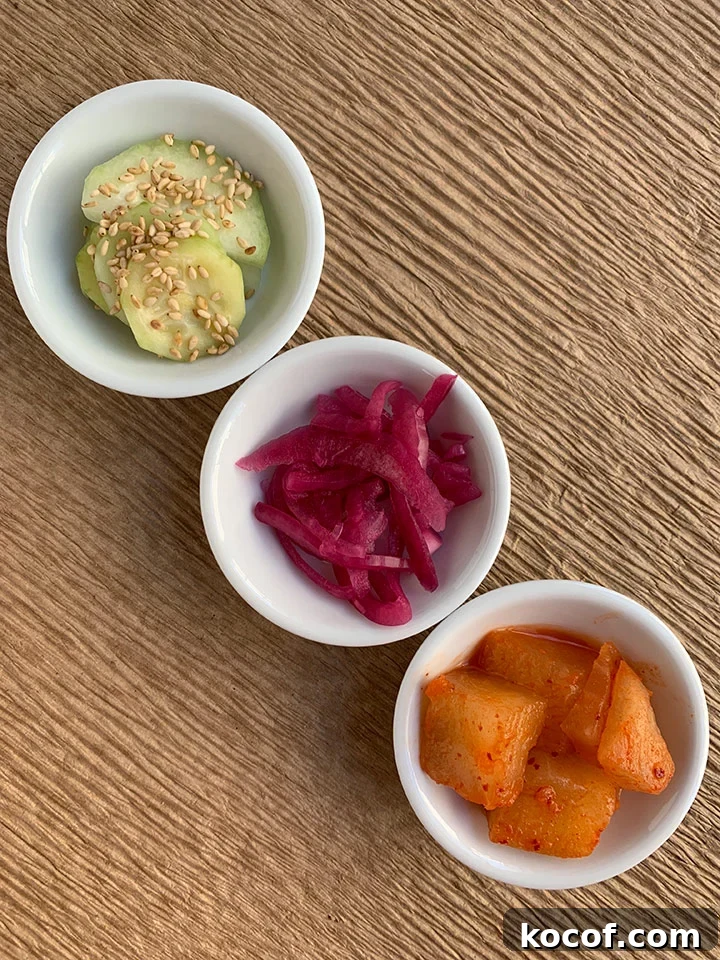
My version, Jew Mandu, uses traditional Korean wrappers and folding techniques but replaces the usual ground pork or vegetable fillings with braised beef in the style of leftover brisket, giving these dumplings both Korean structure and Jewish-inspired flavor. Serve them with a black vinegar dipping sauce and a trio of simple banchan—quick pickled red onions, store-bought radish kimchi, and quick-pickled cucumbers—for a complete, balanced plate.
Recipe recap:
- Texture: crispy edges, chewy wrapper, tender filling
- Flavor profile: savory, tangy, comforting
- Yield: about 72 dumplings
- Skill level: medium (pleating technique is learnable)
- Best cooking method: pan-fry for crispiness, or boil/steam
- Tools: pressure cooker or braising pot, sheet trays, steamer or large frying pan
- Free from: dairy
- Storage: freezer-friendly
Why you’ll love these Korean beef dumplings
- Bold, layered flavor: The braised beef filling, bright black vinegar dipping sauce, and pickled banchan combine for complex bites that are both comforting and lively.
- Make-ahead friendly: The braised beef, dipping sauce, and banchan can all be prepared ahead of time. You can assemble and freeze the dumplings uncooked for quick future meals.
- Unique fusion: These dumplings celebrate my family’s multicultural roots and offer a flavor profile you likely haven’t tasted before.
- Reusable technique: The mandu folding method you learn here can be used for many other dumpling recipes.
- Delicious banchan pairing: Quick pickled red onions, radish kimchi, and simple pickled cucumbers make refreshing, textural counters to the rich beef filling.
Ingredients and substitutions
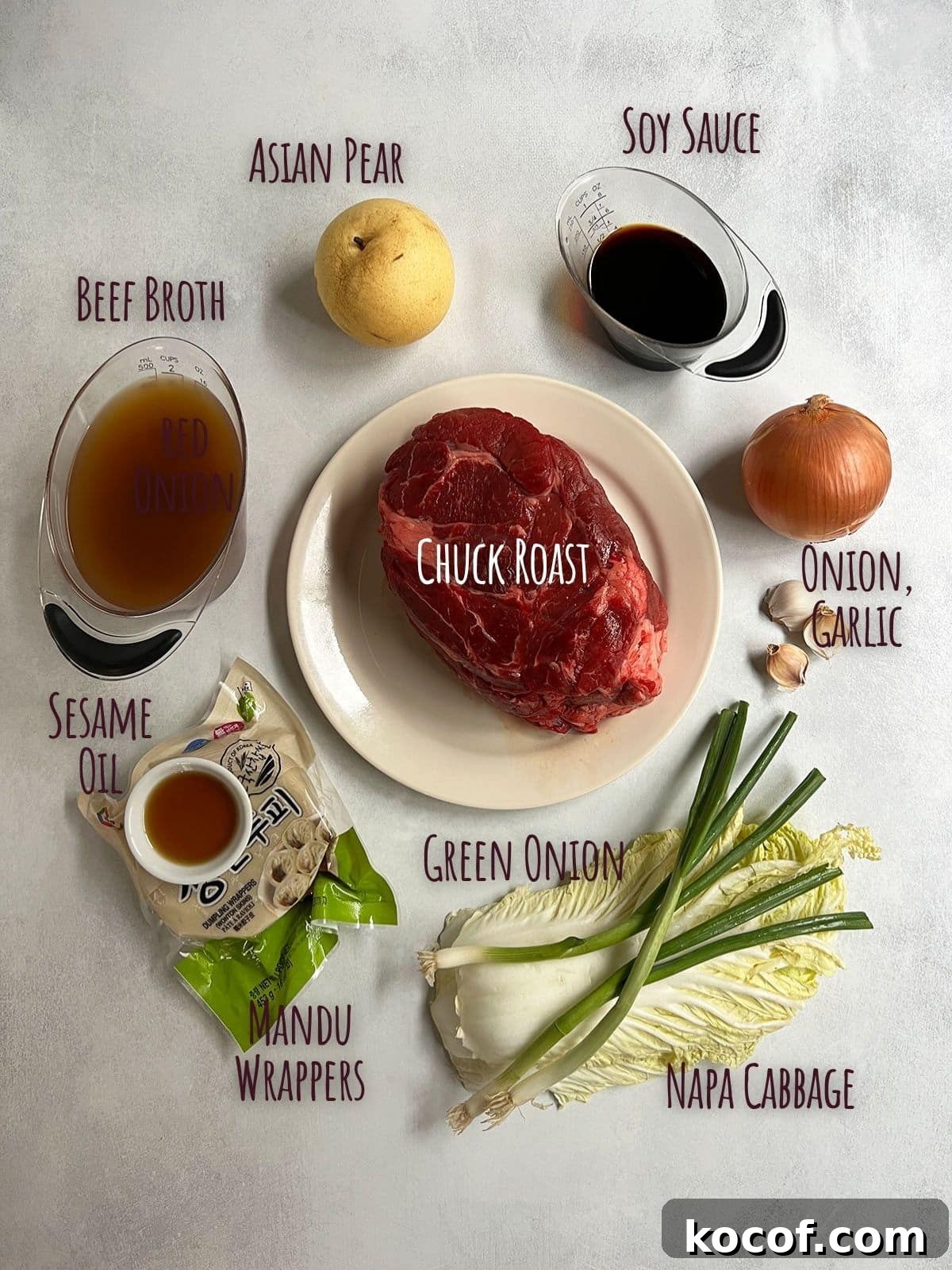
Key components and easy swaps:
- Beef: Chuck roast is ideal for braising; leftover brisket or uncooked brisket also works.
- Asian pear: Also called Korean or Chinese pear; it adds sweetness and tenderizing enzymes. Available at Asian markets and many supermarkets.
- Mandu wrappers (pi): I use large, slightly thicker mandu wrappers purchased at a Korean market. Smaller or thinner wrappers like wonton or gyoza wrappers will work in a pinch.
- Napa cabbage & green onions: Readily available at Asian and regular grocery stores and add crunch and freshness to the filling.
- Black vinegar: A flavorful, affordable pantry secret found in Asian markets; it brightens the dipping sauce beautifully.
Pro tip: Cook the meat a day ahead. Chill the meat separate from the braising liquid so the fat congeals on top and can be removed, leaving an umami-rich defatted sauce to use in the filling and dipping sauce.
Step-by-step overview
High-level steps: braise the beef, shred and mix with cabbage and green onions, fill and fold wrappers, and cook by pan-frying, boiling, or steaming. A printable recipe card with exact measurements and full instructions is typically included at the end of the original post.
Marinate and cook the meat
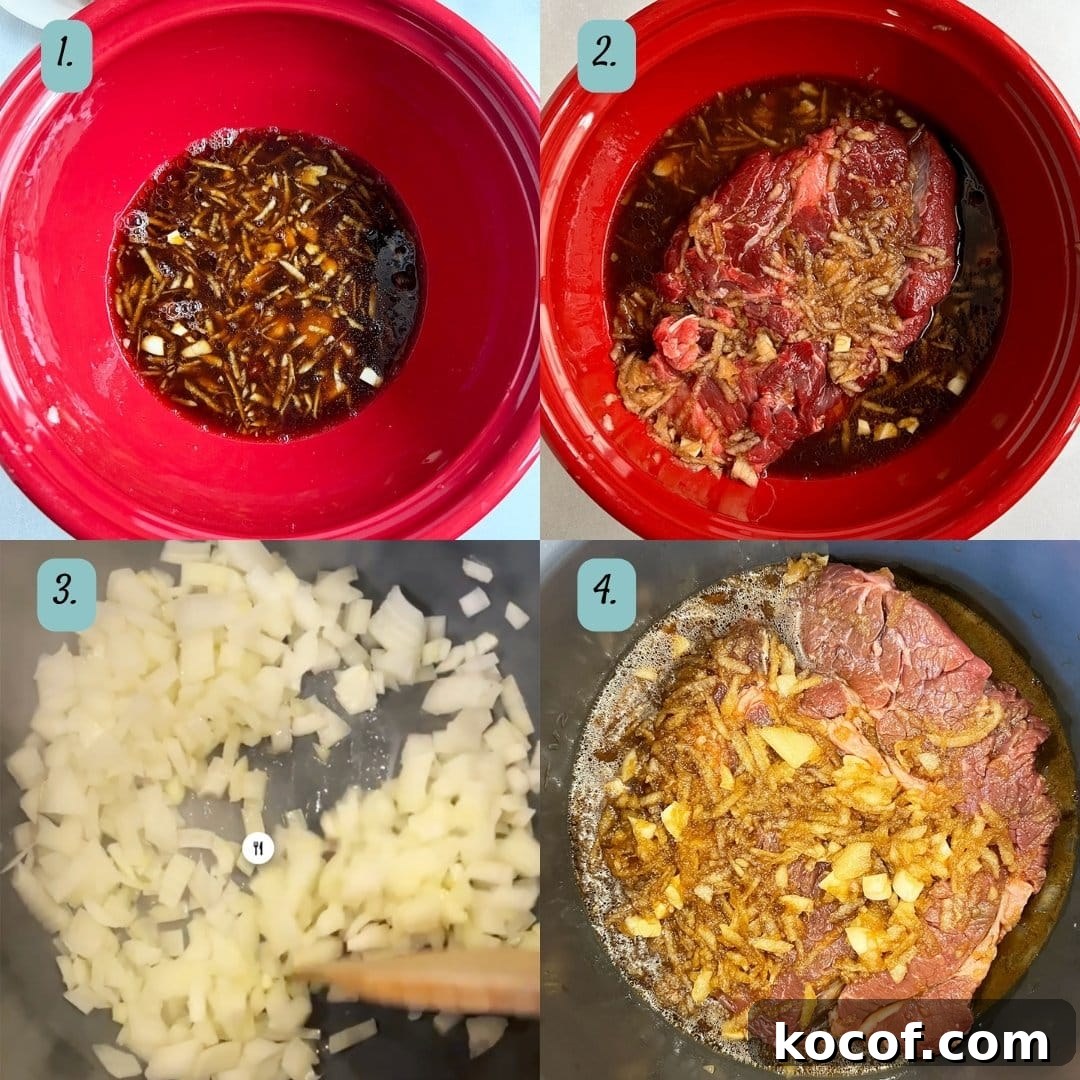
- Whisk beef broth, soy sauce, sesame oil, garlic, and shredded Asian pear. Marinate the beef for at least 30 minutes.
- Sauté chopped onion in your pressure cooker or braising pot, add the meat and marinade, then braise until very tender (70 minutes in a pressure cooker with a 10-minute natural release is a good guideline).
- Cool the meat and refrigerate separately from the sauce so you can remove the congealed fat before using the liquid for filling and dipping sauce.
Make the beef dumpling filling
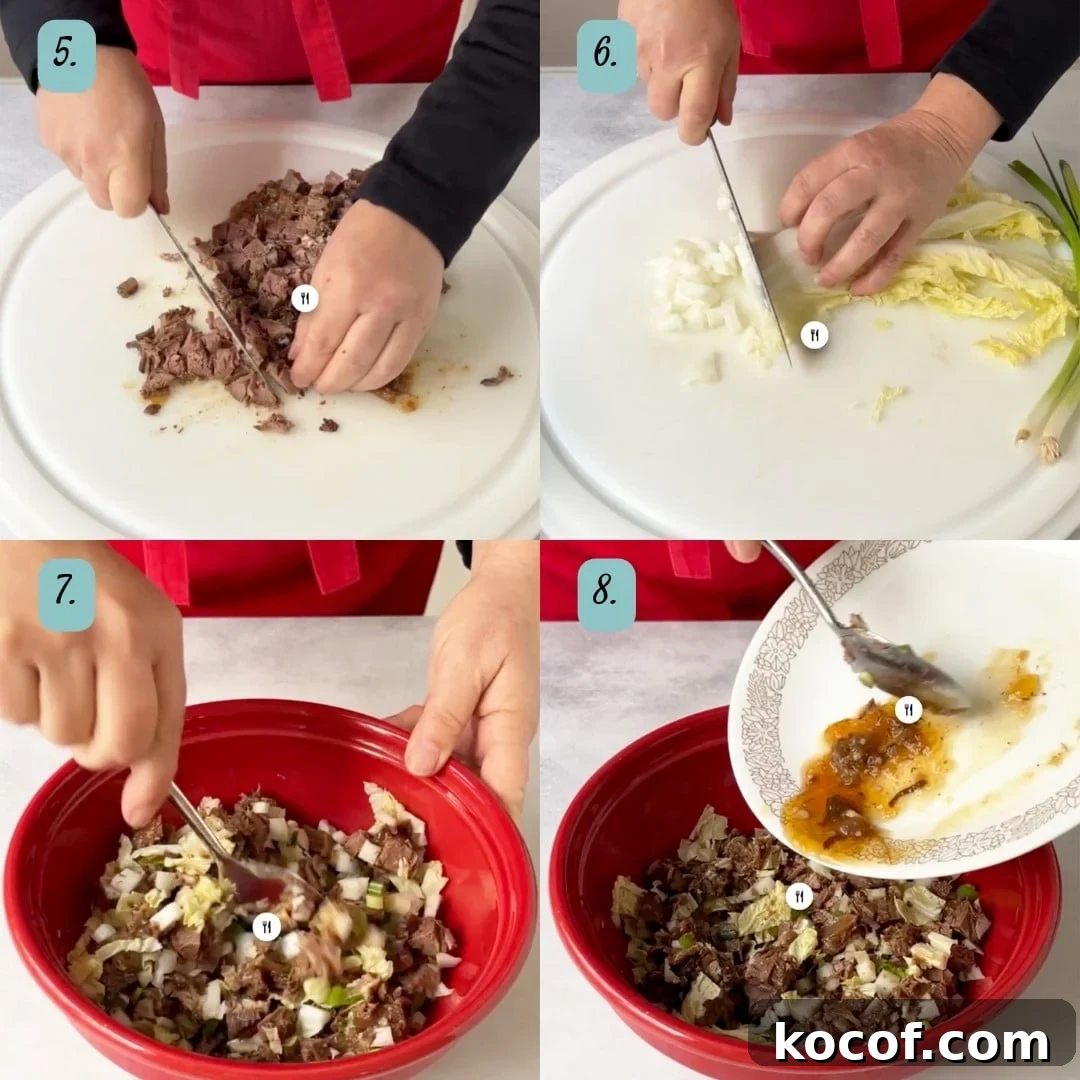
- Chop the cooled braised beef, napa cabbage, and green onions into small, bite-sized pieces. Toss with a small amount of the defatted braising liquid to moisten and season the mixture.
Form the dumplings
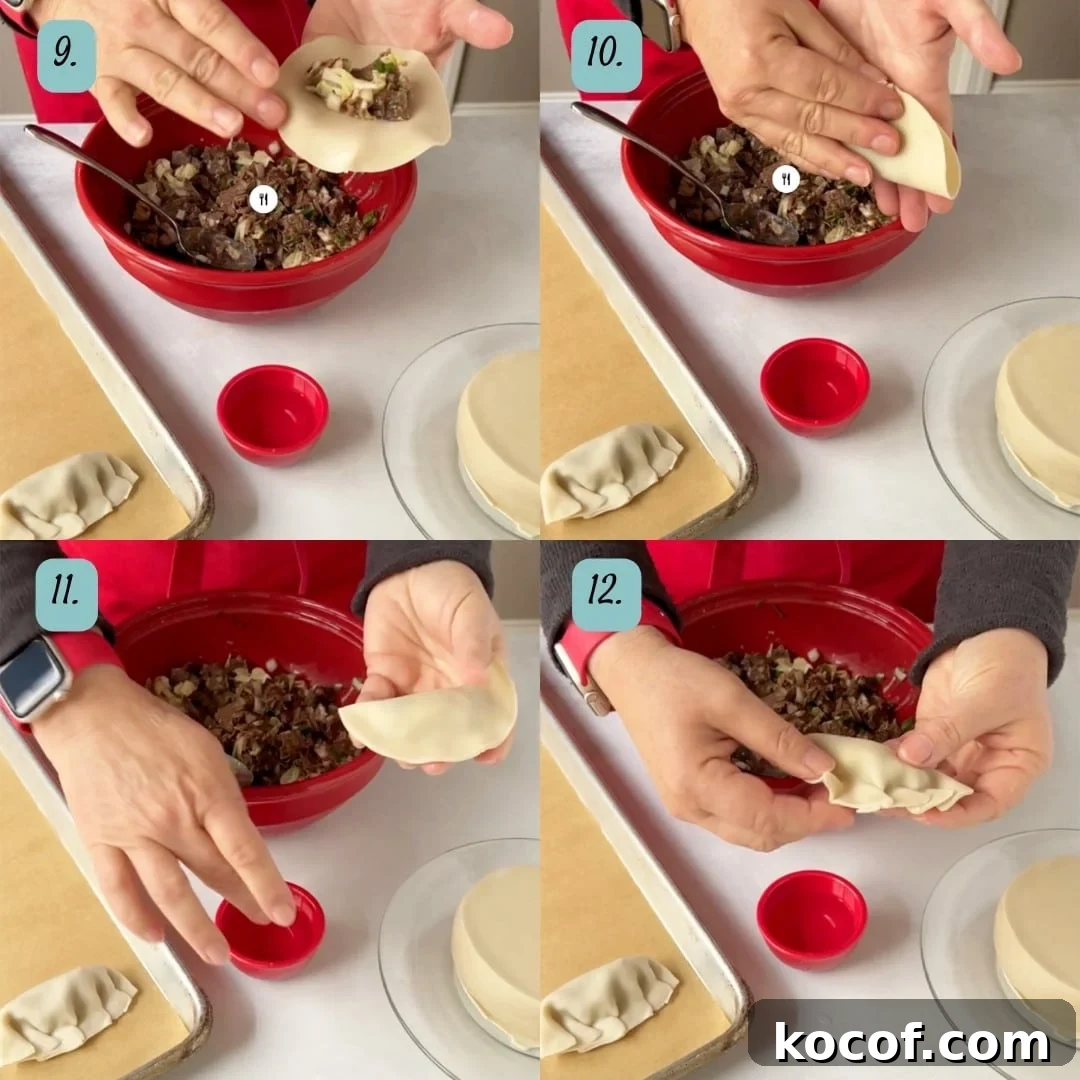
- Keep wrappers covered and work with a bowl of water handy. Spoon about 1 tablespoon of filling into the center of each wrapper.
- Wet the wrapper edge, fold into a half moon and press to seal. Create pleats by folding the outer edge onto itself, or press closed with a fork if you prefer a quicker seal.
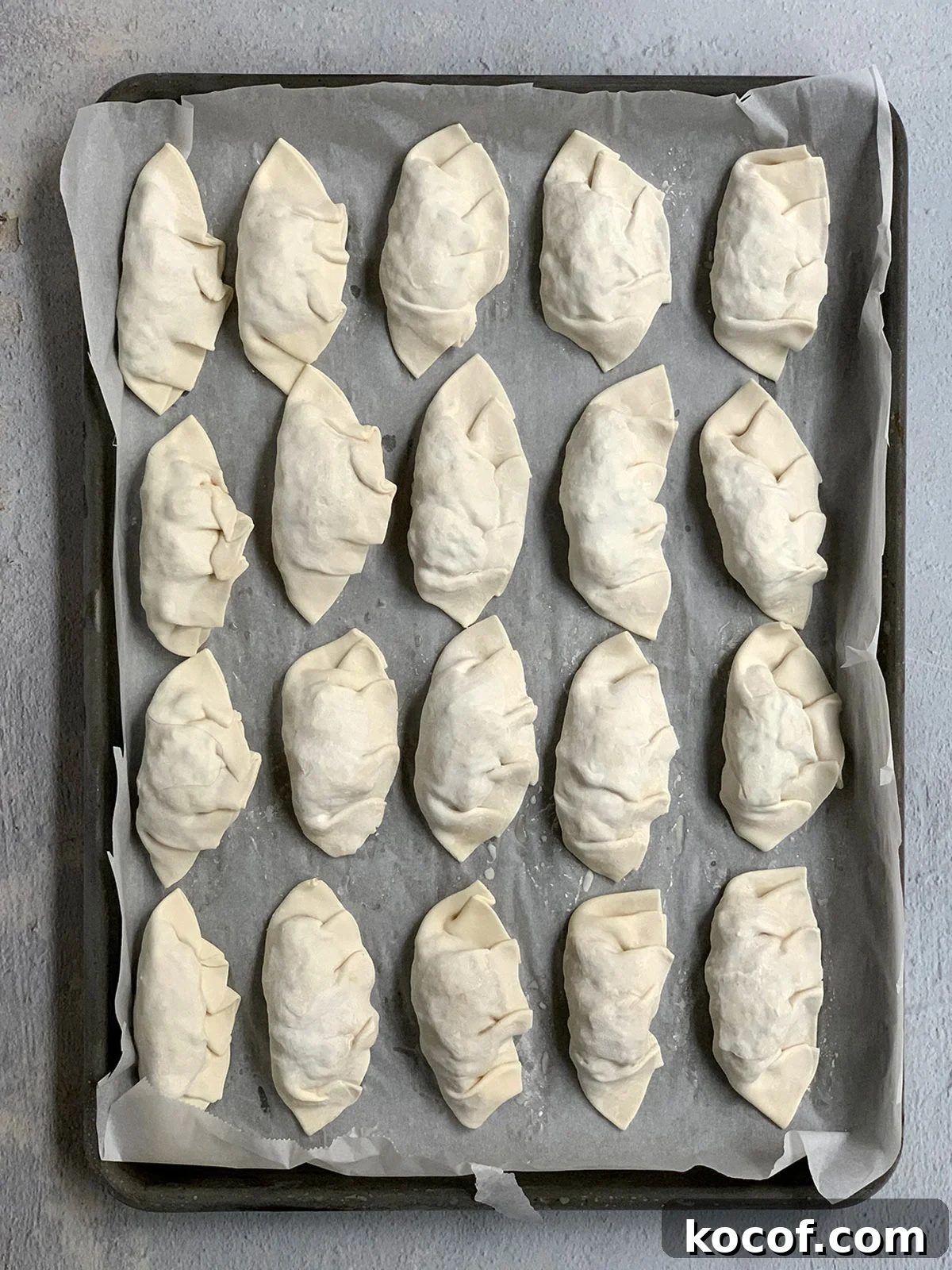
- Place formed dumplings on parchment-lined sheet trays. Cover and refrigerate, or freeze uncooked on the tray before transferring to a bag for long-term storage.
Make the dipping sauce
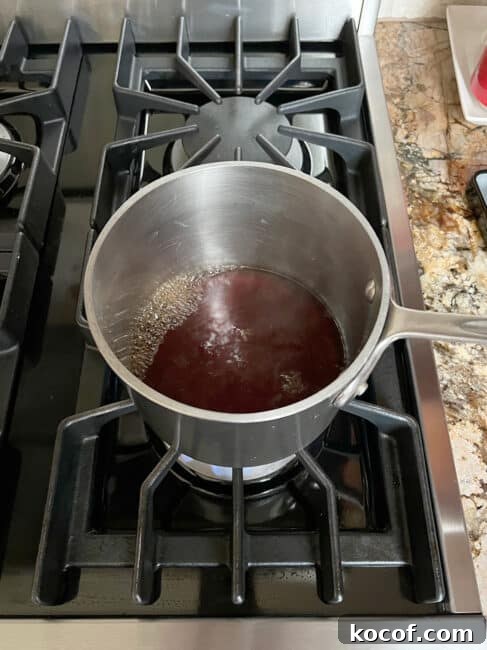
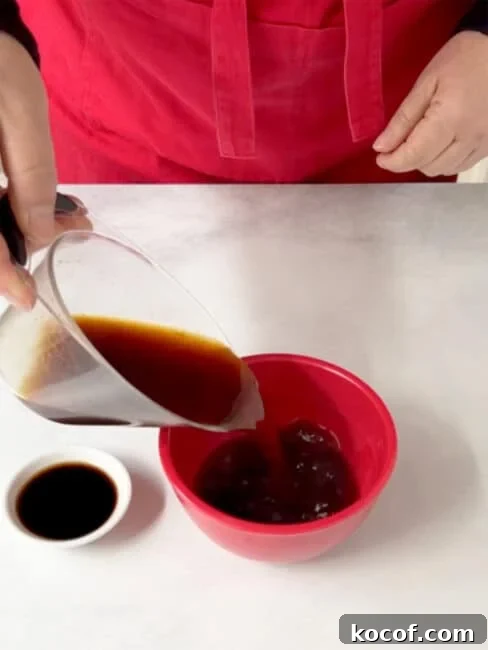
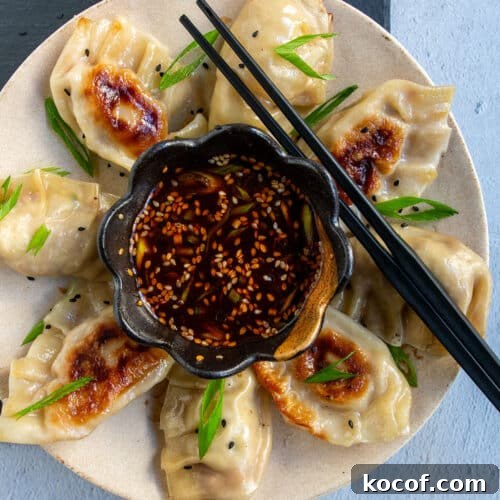
- Reduce the defatted braising liquid by 25–50% to concentrate flavor. Cool slightly, then stir in black vinegar to taste. This creates a bright, savory dipping sauce that complements the rich beef.
Prepare the banchan
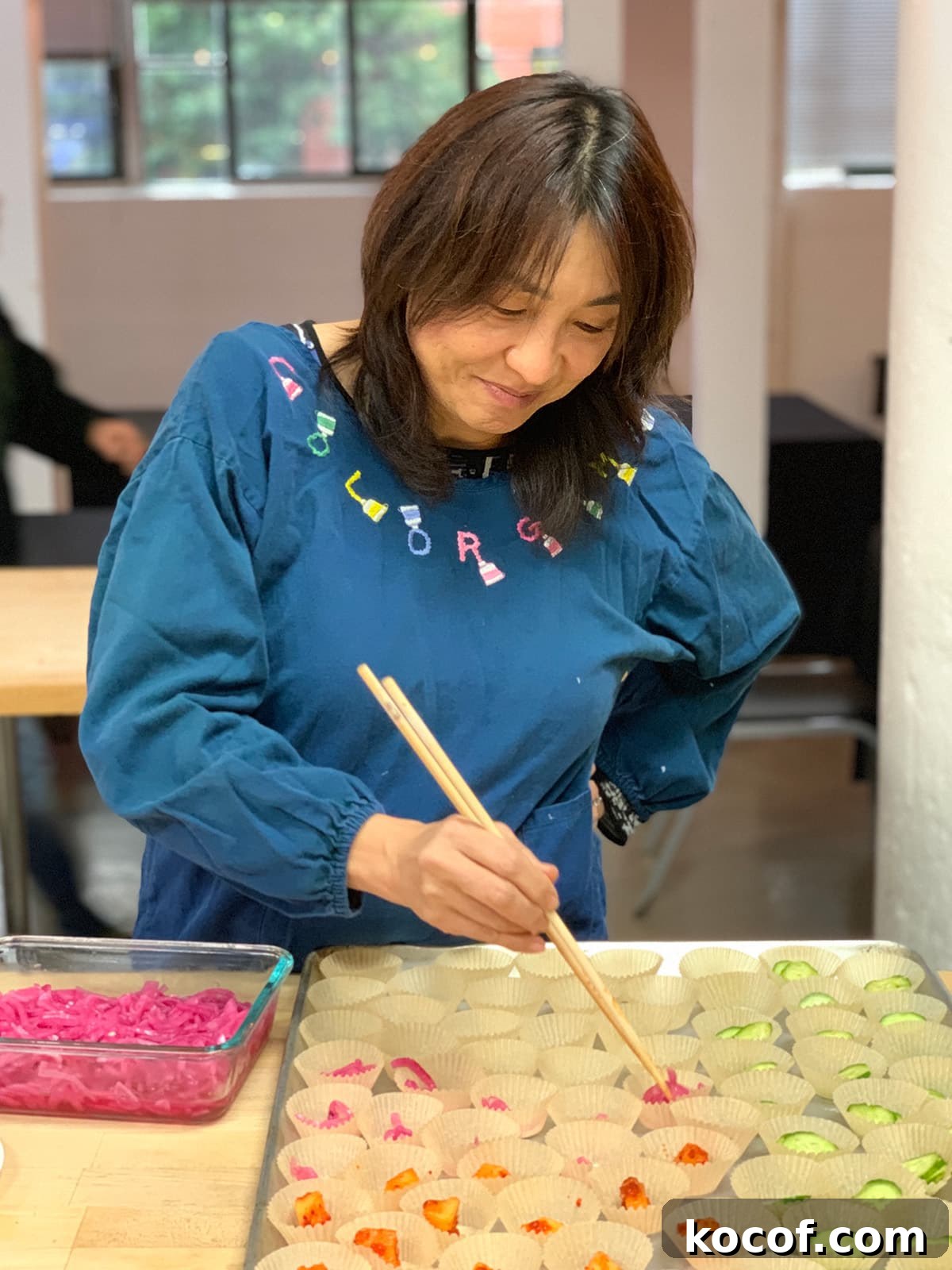
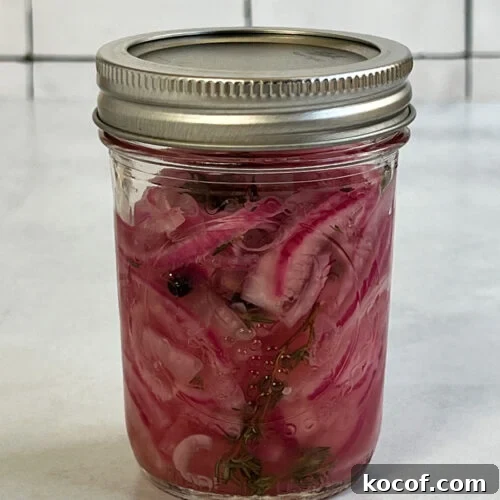
- Pickled red onions: Quick-pickled red onions are easy to make ahead and add a bright acidity.
- Radish kimchi: Buy a good-quality store-bought radish kimchi for convenience and authentic flavor.
- Quick pickled cucumbers: Slice Persian or Korean cucumbers, toss with a little rice vinegar, salt, and sugar, and finish with toasted sesame seeds.
How to cook mandu: boiled, steamed, or pan-fried
- Boil: Cook fresh mandu in salted boiling water until they float and then for another minute or two (frozen dumplings take 8–9 minutes).
- Steam: Use stacking steam baskets to cook many at once; frozen dumplings need about 8 minutes.
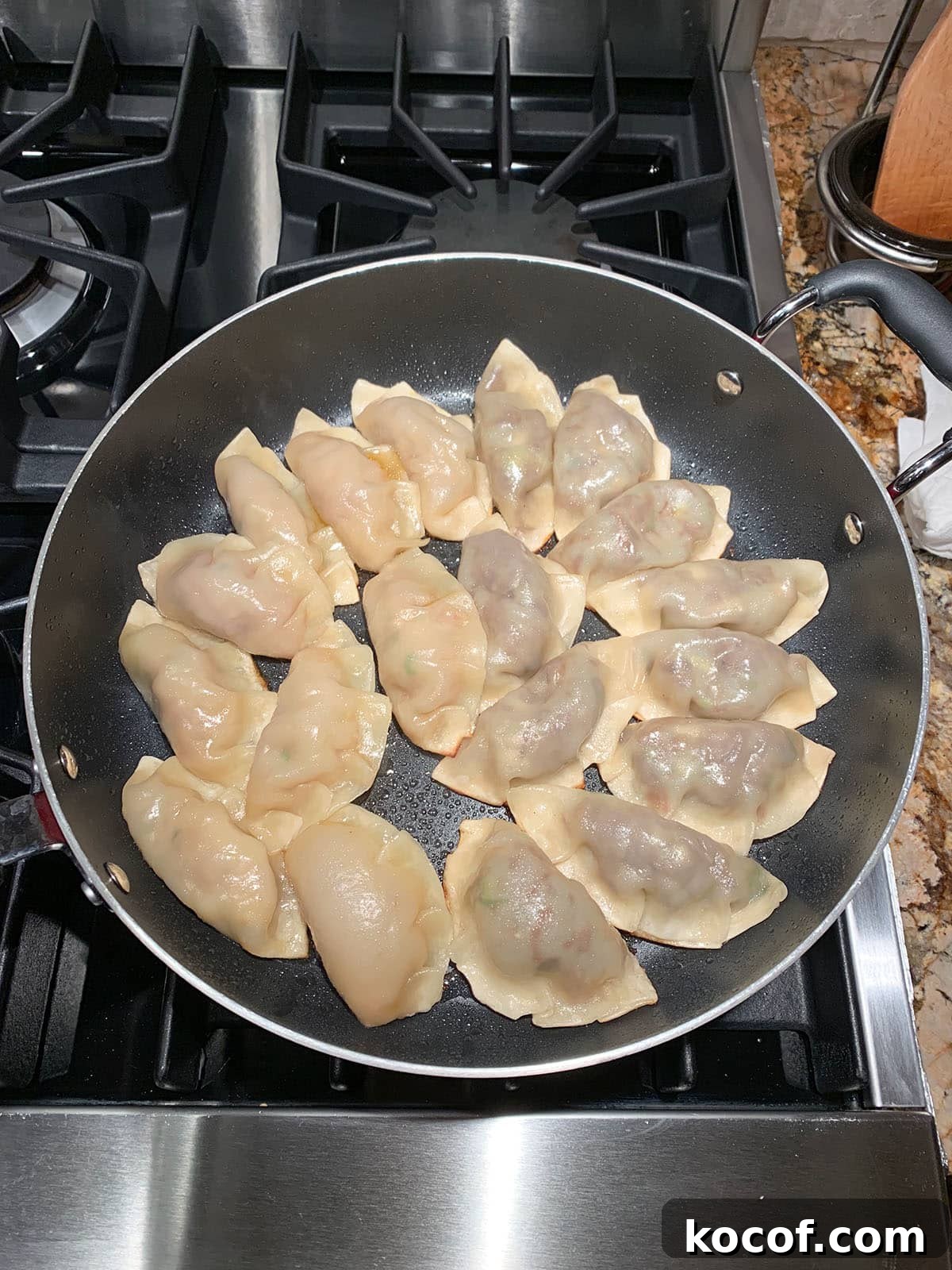
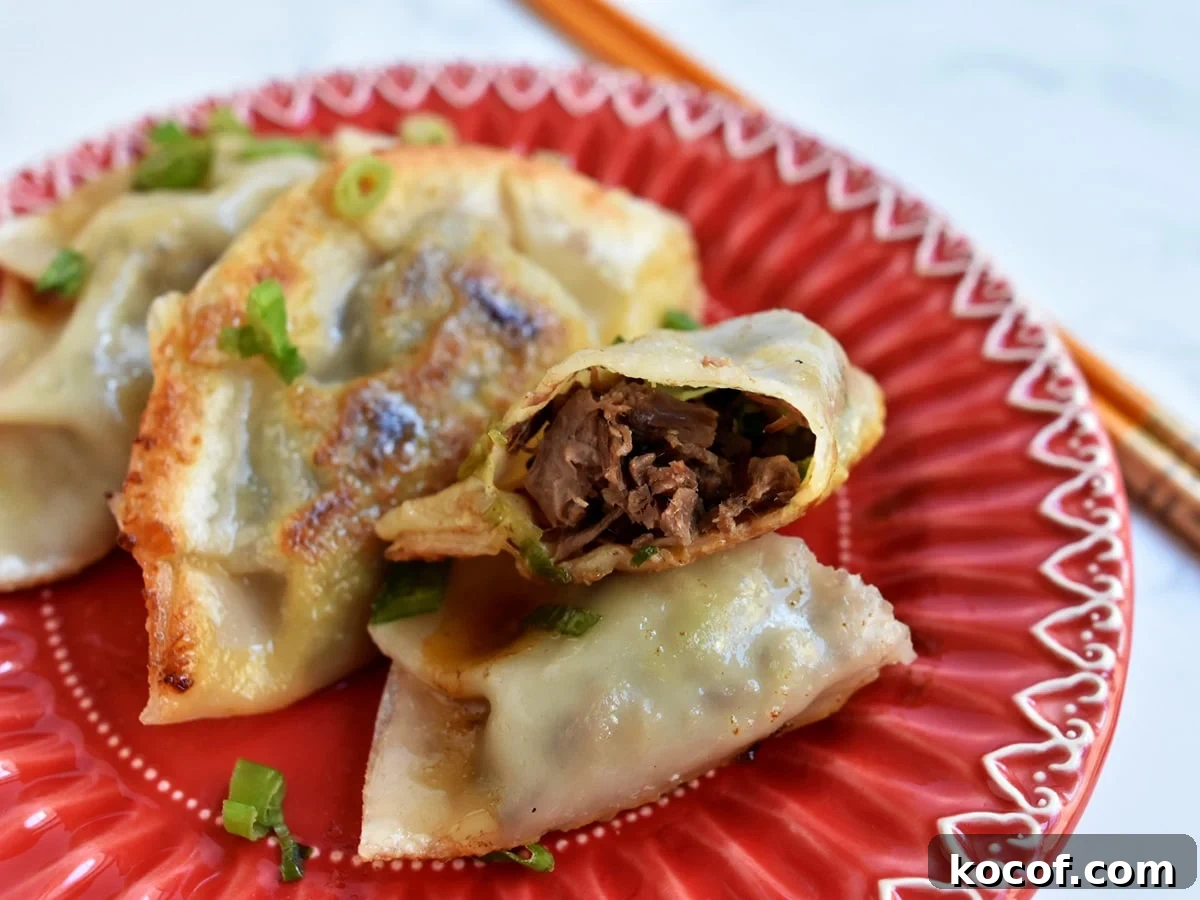
- Pan-fry: Heat oil in a large skillet, brown one side of the dumplings, add a splash of water (about 1/3 cup), cover and cook on medium-low until the water evaporates and the wrappers are cooked through—this yields a crisp-bottomed, tender-topped dumpling.
- Serve the dumplings hot with the black vinegar dipping sauce and hapa banchan for a balanced, flavorful plate.
Tips and FAQs
- Prepare the braised meat ahead of time; cold meat and defatted sauce are easier to handle.
- Taste and adjust the filling before forming dumplings; all components are already cooked so seasoning is flexible.
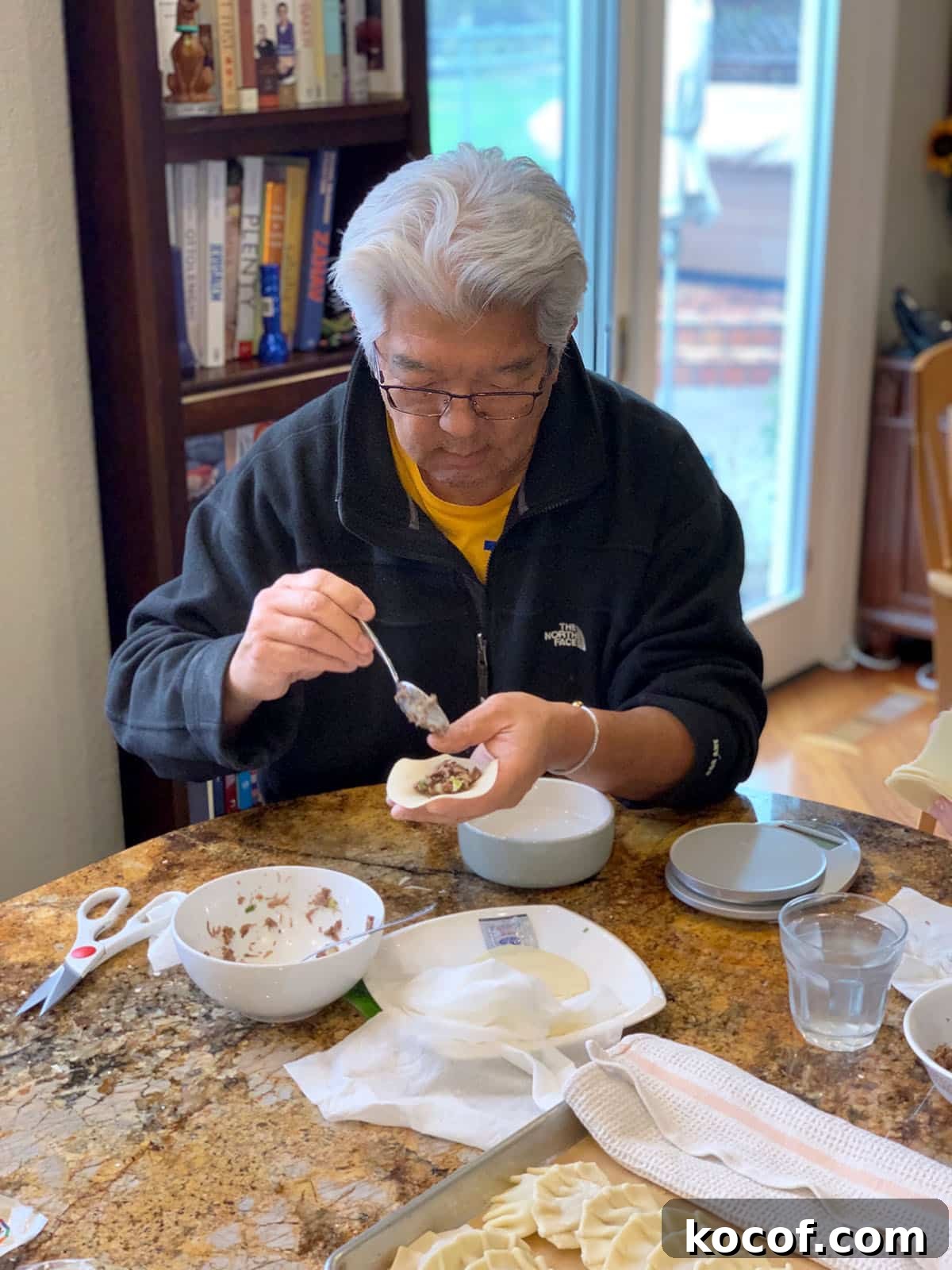
- Set up an assembly line with wrappers, a bowl of water, filling spoon, and sheet trays—this speeds up the process and makes it fun with helpers.
- Freezing pro-tip: Freeze formed dumplings on a tray so they don’t stick together, then transfer to an airtight bag once solid.
Yes. Boiling, steaming, or pan-frying from frozen is fine—just add extra cooking time so the filling heats through and the wrapper cooks completely.
Pan-frying is a favorite because you get a crispy bottom, tender top, and steamy filling, though boiling and steaming work well too.
Do not overfill; use about a tablespoon of filling and be sure to seal the edges firmly with water.
Jew Mandu are a fusion of Korean mandu and Jewish kreplach: Korean wrappers and folding with a brisket-style braised beef filling inspired by Jewish tradition.
Storing, freezing, and reheating
- To store: Freeze uncooked dumplings in an airtight container for up to 3 months. If storing cooked leftovers, refrigerate and reheat briefly.
- To freeze: Place uncooked dumplings on a parchment-lined tray so they don’t touch, freeze for about an hour, then transfer to freezer bags.
- To reheat: Reheat cooked leftovers briefly in the microwave or crisp them in a skillet over medium heat for best texture.
More recipes
 Korean Beef Dumplings (Jew Mandu)
-
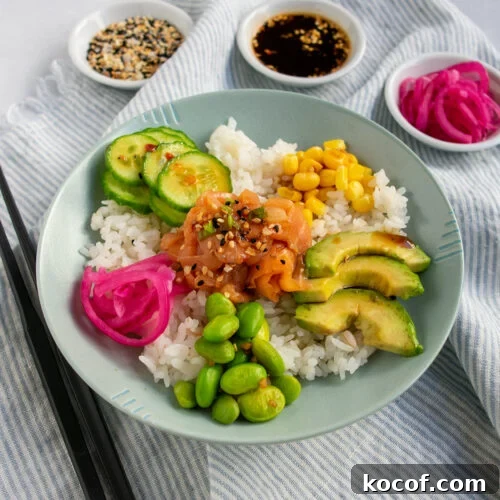
Smoked Salmon Poke Bowl
-
Pickled Red Onions
-
Mandu Dipping Sauce (Cho Jung)
P.S. If you try this recipe, please leave a star rating or review—feedback is greatly appreciated.