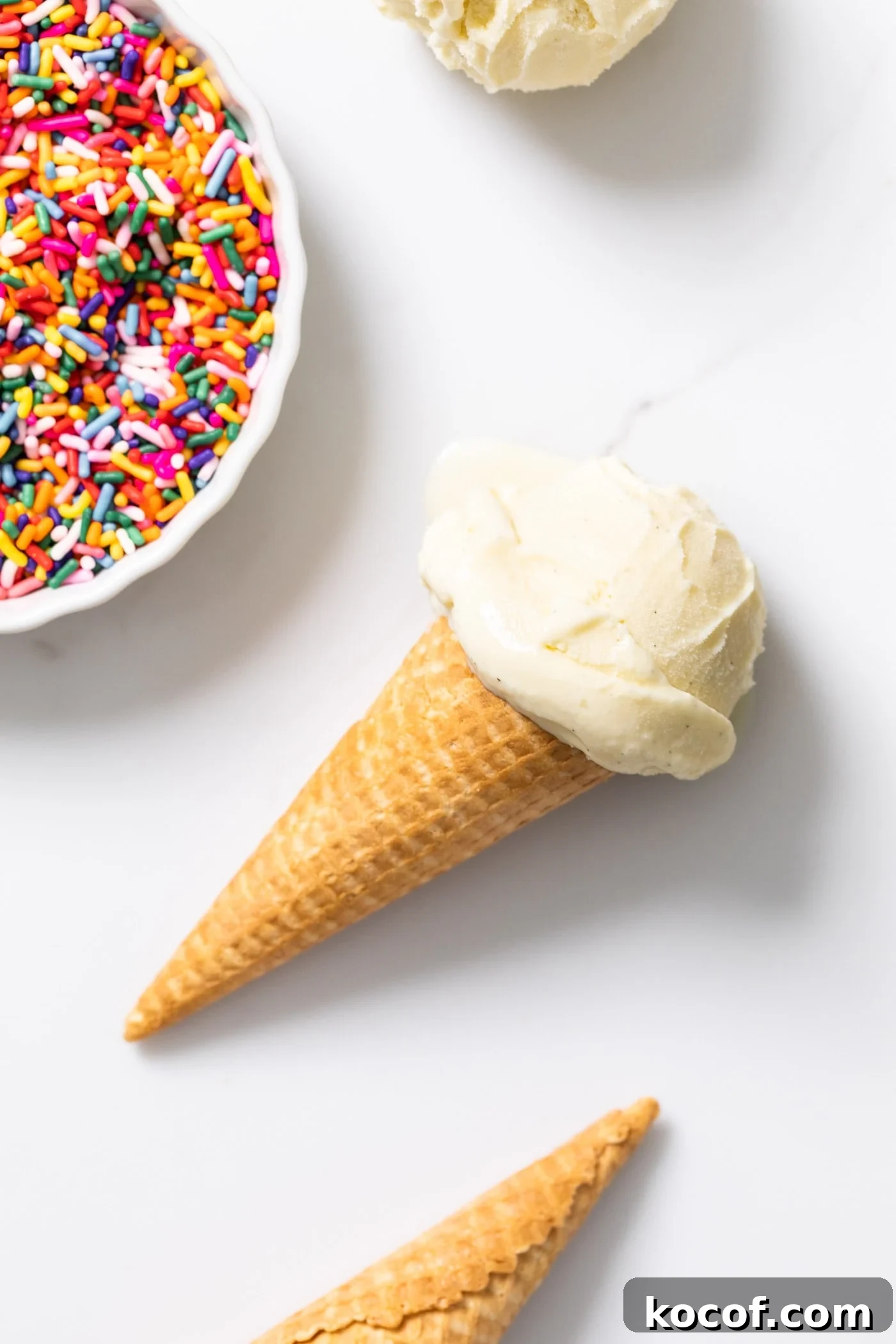
If you know me, you know I love ice cream. This isn’t a summer-only thing — any time of year is a great time for a really good scoop. That said, not all ice cream is the same; there are clear differences in texture and flavor depending on how it’s made.
When I was growing up, we reserved ice cream for special occasions and made it in a White Mountain freezer: birthdays, family gatherings, and even at Christmastime in cold Iowa. One side of my family always had ice cream at Christmas — why change a perfect tradition? A White Mountain yields six quarts, but you had to crush a lot of ice and pack it around the churner with salt.
Today many of us have compact countertop ice cream makers. You don’t need to crush ice — you freeze the canister for about 24 hours and churn. It’s easier and far less messy, especially when you’re working with a reliable recipe.
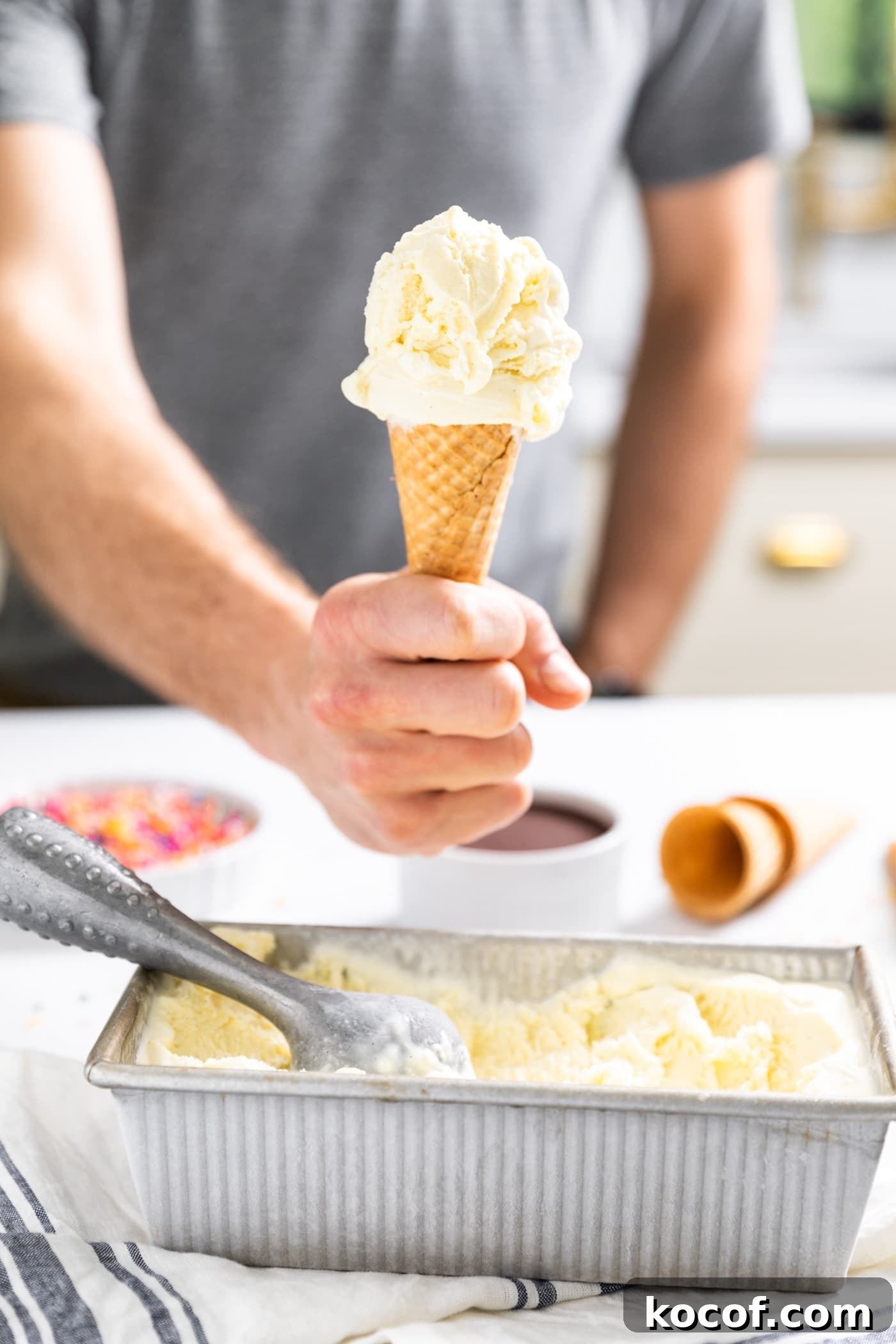
What is a true ice cream?
Ice cream can mean different things depending on where you are. In the United States, the most common style is a French custard base: milk, cream, eggs, and sugar cooked together, chilled, and then churned while cold. Churning incorporates air and freezes the mixture so it becomes smooth, creamy ice cream.
For the best texture, churning must be done quickly and at low enough temperatures to keep ice crystals tiny. If it’s too slow or too warm, the result can be grainy or icy instead of smooth.
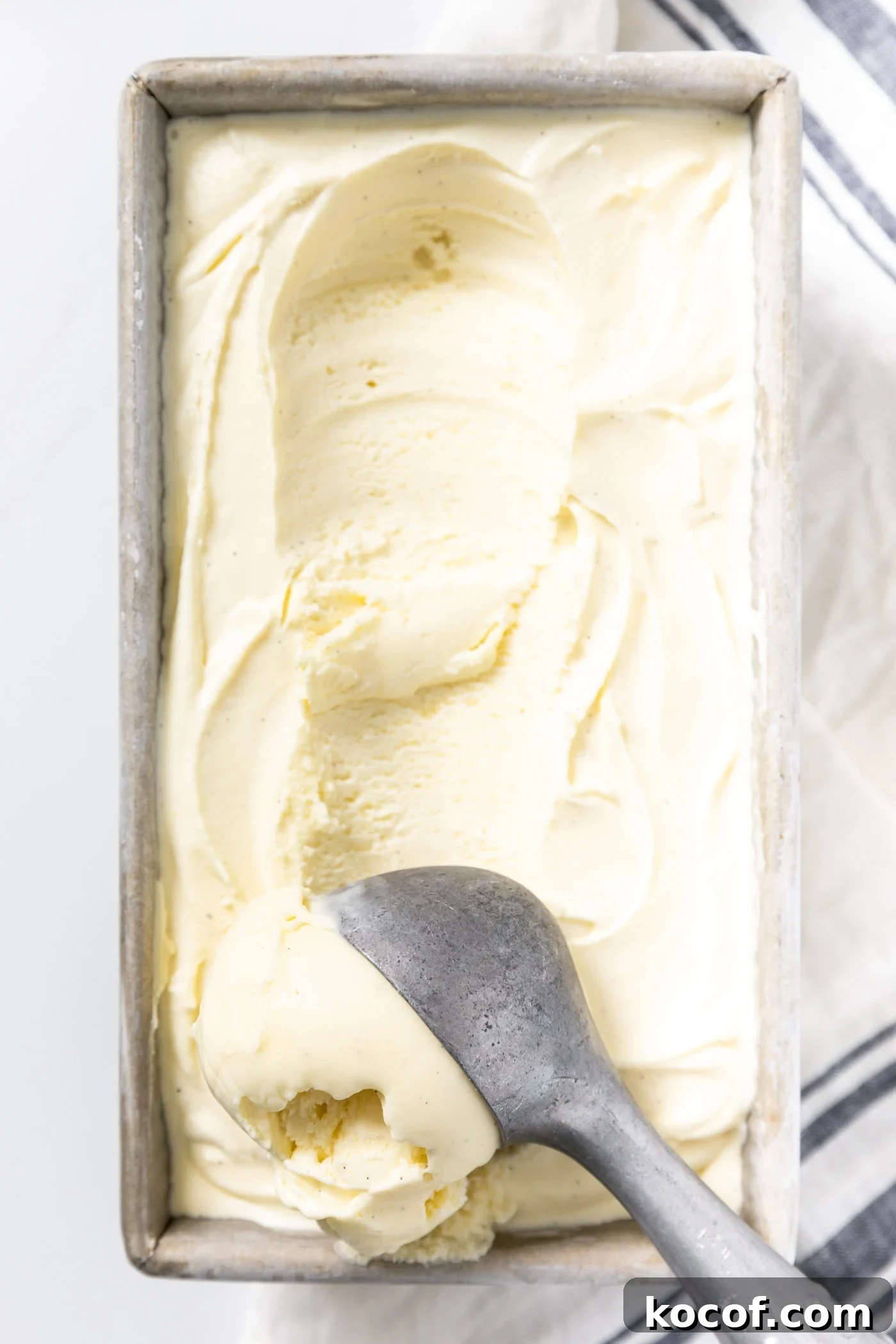
How does ice cream thicken?
Traditionally, many recipes rely heavily on egg yolks to thicken a custard base — sometimes five to eight yolks per quart. Yolks add richness, but using yolks alone doesn’t always produce the thick, velvety body I want.
I prefer a hybrid approach: a small amount of egg yolk combined with cornstarch. Cornstarch helps temper the yolks so they incorporate smoothly into the hot mixture, and it adds extra thickening power to deliver a creamy, stable base with a smooth finish.
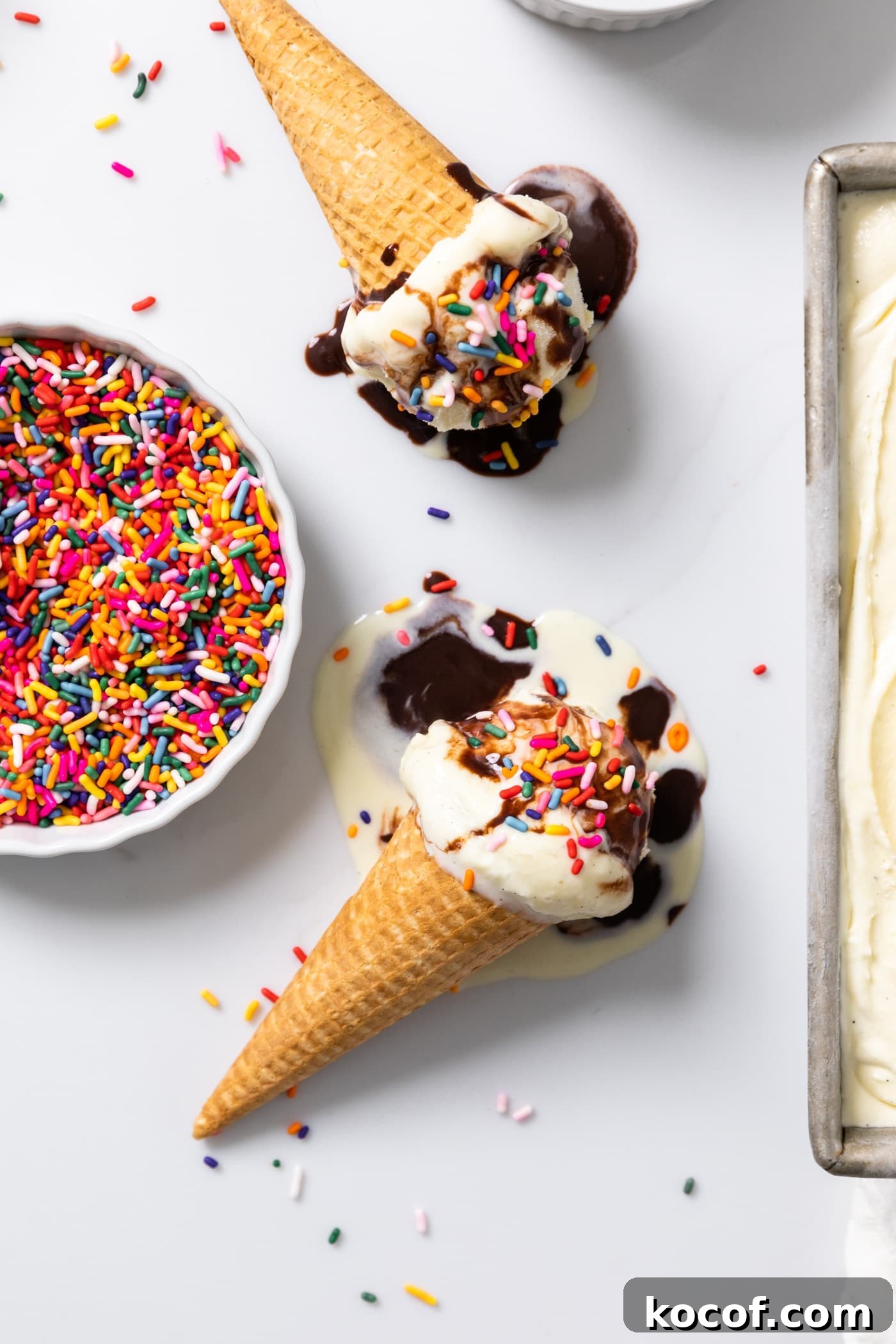
More Recipes to Try
- Easy hot fudge sauce – a rich chocolate topping that pairs beautifully with this ice cream.
- Strawberry rhubarb sauce – a bright, fruity sauce to spoon over scoops.
- Espresso brownie no-churn ice cream – for coffee and chocolate lovers.
- No-bake peppermint cheesecake – a cool, minty dessert to enjoy year-round.
- Raspberry cheesecake ice cream – creamy and tangy with fresh berry flavor.
Have I convinced you to make this recipe?
I hope you try this recipe and bring some homemade ice cream to your table. If you make it, please leave a comment and rating to let others know how it turned out for you. Reviews help others decide to give the recipe a try.
Vanilla Ice Cream
Ingredients
- 2 cups + 2 tbsp whole milk separated
- 1 ¼ cups heavy cream
- ¾ cup granulated sugar
- 2 tbsp light corn syrup
- ¼ tsp kosher salt
- 2 large egg yolks
- 1 tbsp cornstarch
- 1 tbsp vanilla bean paste
To serve
- Hot fudge sauce
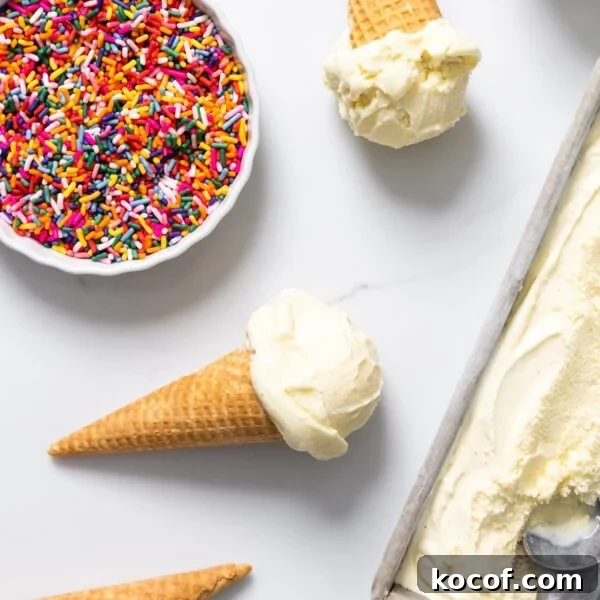
- Sprinkles
Instructions
- In a 4-quart saucepan, combine 2 cups milk, heavy cream, sugar, corn syrup, and salt. Whisk to combine and bring to a gentle simmer over medium-low heat, about 5–8 minutes.
- While the mixture heats, whisk the remaining 2 tablespoons milk with the egg yolks and cornstarch in a separate bowl to make a smooth slurry.
- When the milk and cream begin to simmer, remove from heat and slowly whisk in the egg-cornstarch slurry. Return to medium-low and whisk until the mixture simmers again and slightly thickens, about 1 minute.
- Remove from heat and stir in the vanilla bean paste. Let the mixture cool to room temperature, then cover and chill in the refrigerator for 6–8 hours.
- Once well chilled, pour the base into your ice cream maker and follow the manufacturer’s instructions — typically about 20–25 minutes to churn. Enjoy immediately as soft serve or transfer to a container and freeze 4–6 hours for firmer ice cream. Serve with hot fudge sauce and sprinkles if desired.
Video
Nutrition
Nutrition information is an approximation and should be used as a guideline only.

Did you make this? Leave a comment below!