The kitchen has always been my refuge. I still remember, with absolute clarity, the evenings when I returned from the office exhausted or discouraged: there was nowhere I preferred to be than inside my mother’s kitchen. Often I wouldn’t even change out of my work clothes. I would step straight into the kitchen, open the refrigerator and let the cool, pale light and quiet calm settle over me. It felt like the comfort of a steaming cup of black tea on a rainy afternoon or an inner embrace. In that small space I could finally re-find my own pace and my own values.
My mother would nudge me, reminding me to at least change into home clothes before I started cooking — otherwise she would have to fight to remove grease stains from my good shirts or sweaters. I’ve always been a bit clumsy in the kitchen. So, sheepish, I would dash up to my room to put on something comfortable, often slipping straight into pajamas, and then return to my domain: the kitchen where I could shape reality as I wished. In that room everything felt possible. Standing there, making fresh pasta or stirring a risotto, I felt in control and unafraid.

Lately I have wondered whether that feeling of shelter would change as my kitchen took on more roles: office, photo studio, testing lab, dining table for friends and family, a window for watching and dreaming about the world outside. Over the past two years my kitchen has become all of those things at once, and yet it remains my refuge. Even when time is short, a dozen deadlines press in, I’m re-testing recipes until late, or the light for a photo isn’t quite right, I always come back to the kitchen to choose a recipe to share — with myself, with my blog, with you.
When I need to pause the online noise I turn to the familiar yellowed pages of an old cookbook: Pellegrino Artusi’s Science in the Kitchen and the Art of Eating Well. The cookbook sits on my shelf now beside my grandmother Marcella’s worn book and another copy that belonged to my great-grandmother Raffaella — my grandfather Biagio’s mother — a small, resilient woman from southern Italy with snow-white hair and a very long life. That volume came to me from Melfi, wrapped carefully, a family gift meant to be used and guarded.
In truth, I did not inherit the book to protect it — it has been protecting me. Its pages offer comfort and connect me to a lineage of people who treated cooking as a sacred, everyday art. A few days ago, feeling the need for reassurance, I pulled Artusi’s book from the shelf, flipped through the familiar, slightly browned pages and selected a simple recipe to make for those I love:
663. Budino di ricotta – Ricotta pudding
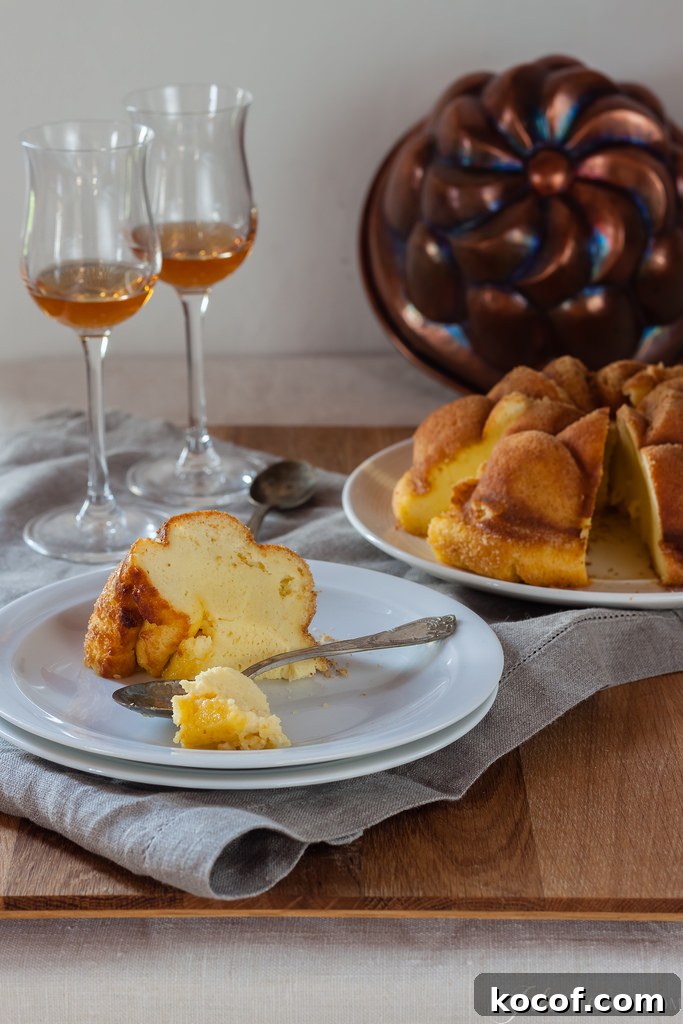
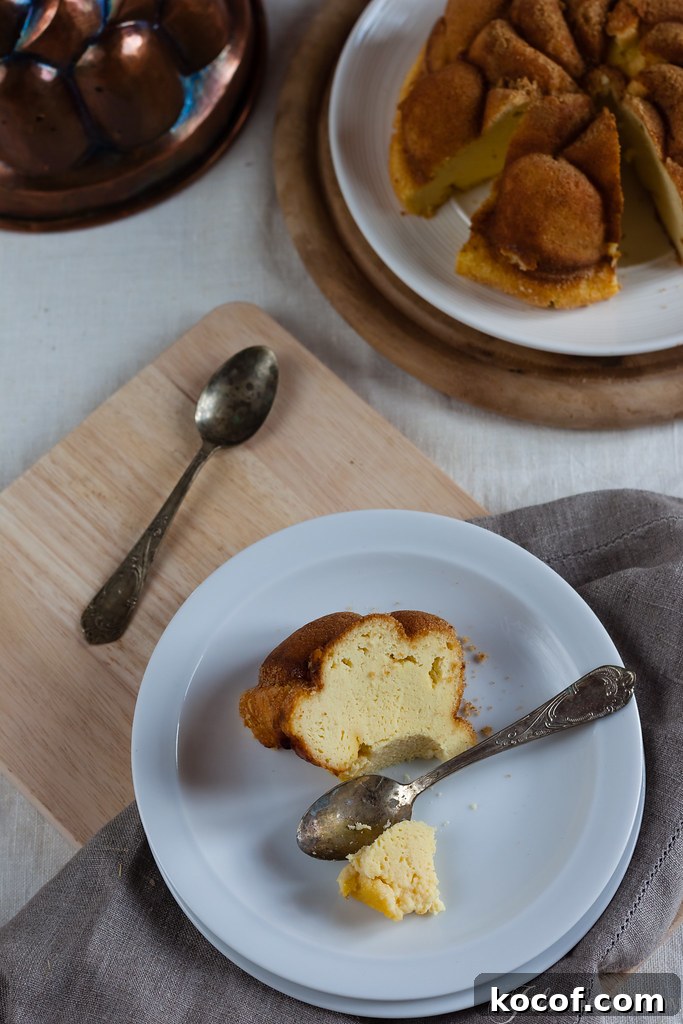
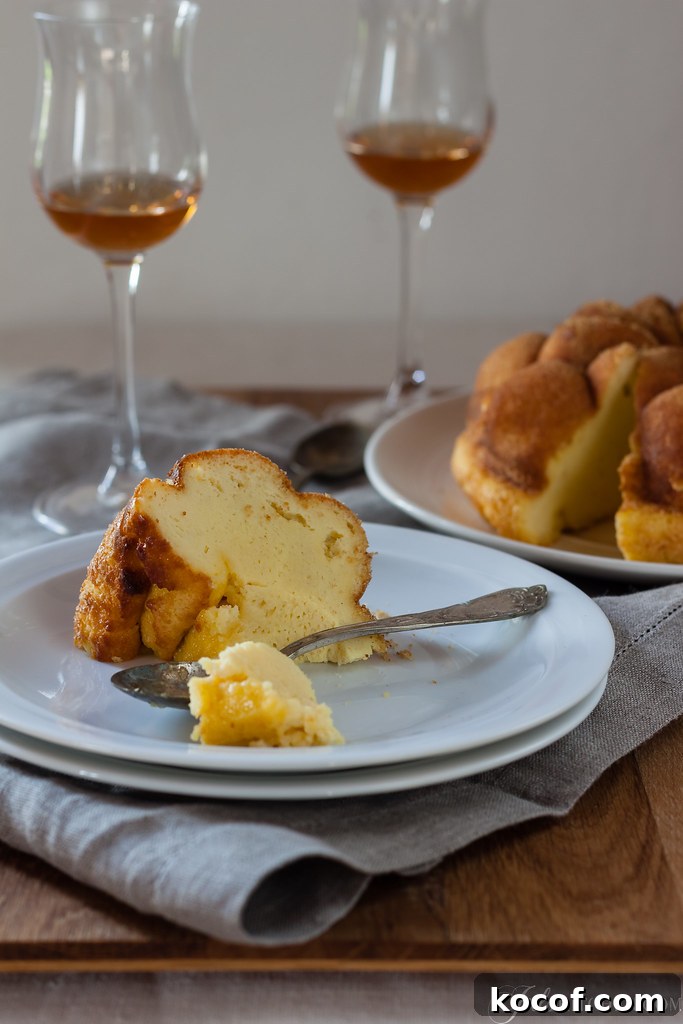
This is a straightforward pudding, elegant in its restraint. It’s satisfying served plain, with the gentle perfume of grated lemon zest and the subtle, toasty note of ground almonds. Choose the best ricotta you can find and you will be rewarded: once chilled it becomes silky like a baked cheesecake, every spoonful melting slowly on the tongue, offering a small, sweet reconciliation with the world.
663. Ricotta pudding
Author: Pellegrino Artusi
Prep Time: 5 mins Cook Time: 1 hr Total Time: 1 hr 5 mins
Course: Dessert Cuisine: Italian Servings: 6 people
Ingredients
- 300 g ricotta cheese
- 100 g icing (confectioners’) sugar
- 100 g blanched almonds, finely ground
- 5 eggs
- Zest of one lemon
- Butter and breadcrumbs for the mould
Instructions
- Crush the almonds as finely as possible, traditionally in a mortar, and mix them with one of the egg whites.
- If the ricotta is coarse, pass it through a sieve to make it smooth, then combine thoroughly with the almond mixture.
- Beat the remaining eggs separately, then fold them gently into the ricotta and almond mixture along with the sugar and lemon zest.
- Grease a pudding mould with butter and dust it with breadcrumbs. Pour in the mixture.
- Heat the oven to 170°C (about 340°F) and bake for one hour until the pudding is golden and fairly dry in the center. Test with a skewer. Allow to cool, unmould, and serve chilled.
Notes
To save time you can blend all the ingredients briefly in a food processor until smooth—though purists might raise an eyebrow, it produces a wonderfully even texture.
Making this pudding is a small, warm ritual. It requires few ingredients but rewards patience and attention. Whether you prepare it to share with loved ones or simply to soothe your own day, it carries with it the quiet pleasures that have always kept me returning to that comforting kitchen light.