An epicurean adventure to: The United Kingdom
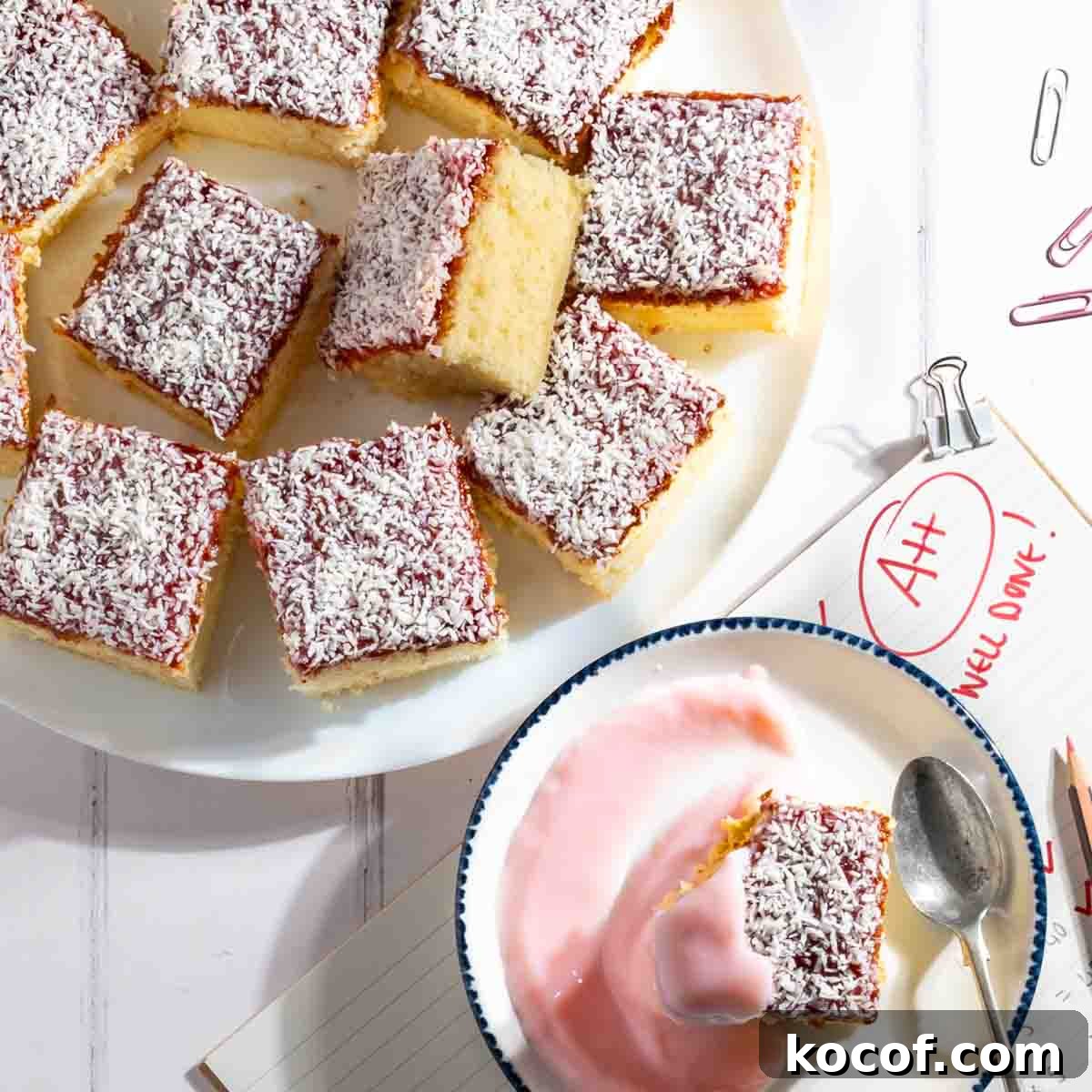
Take a sweet trip down memory lane with this classic Jam and Coconut sponge cake.
If you grew up in Britain during the 1980s, this nostalgic traybake will likely remind you of school dinner halls and the warm, efficient service of the school dinner ladies.
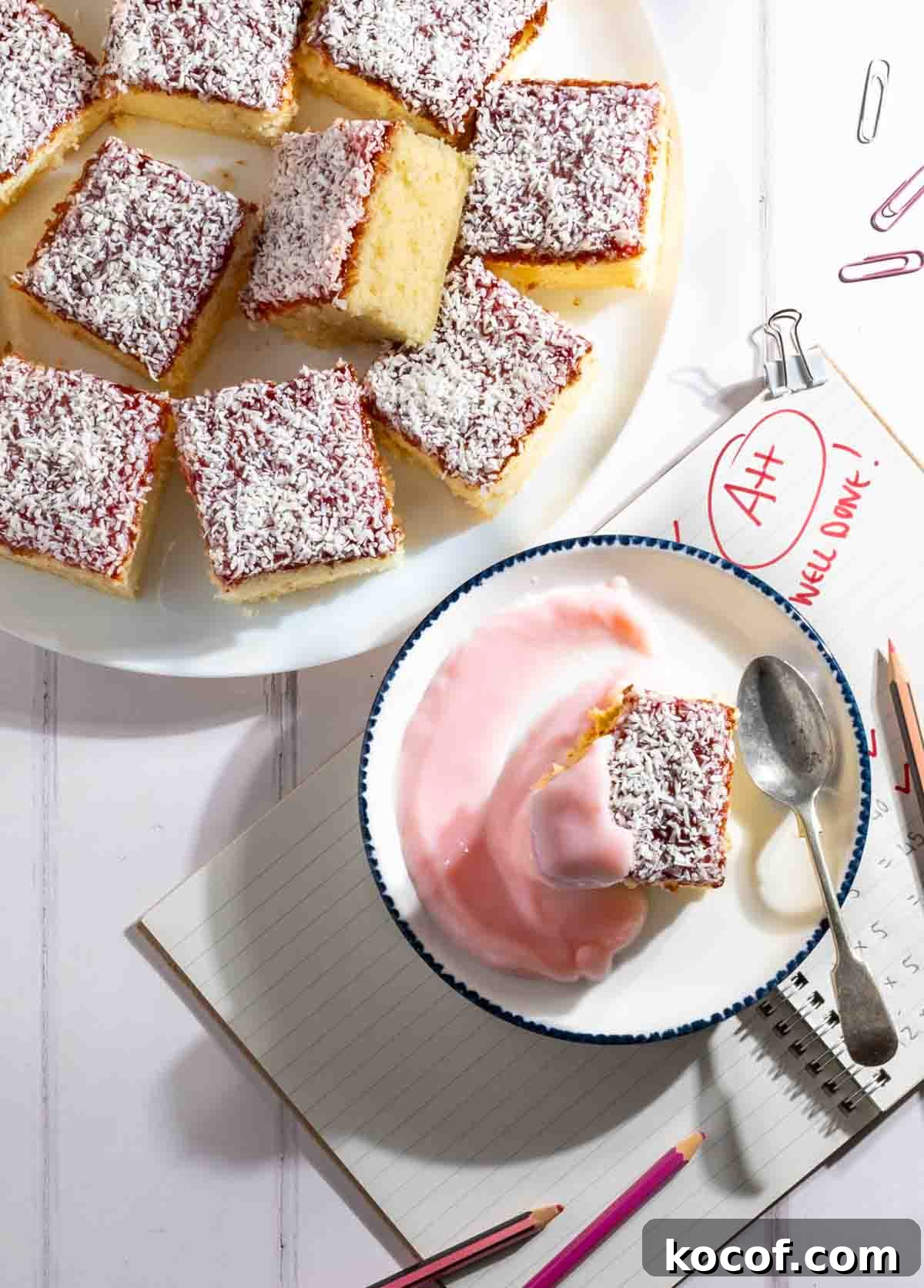
This easy Jam and Coconut sponge yields a feather-light, moist vanilla traybake topped with seedless raspberry jam and a dusting of desiccated coconut. Strawberry jam is a fine alternative if you prefer. With step-by-step instructions and photos, even a baking newcomer can achieve a reliably tender sponge.
Serve it to friends for a fun throwback — and for full authenticity, pair it with pink custard or plain warm custard.
Fast facts – United Kingdom

| Location | The United Kingdom sits in north-western Europe and comprises England, Scotland, Wales and Northern Ireland. |
| Capital | London. |
| Language | English is the most widely spoken language. The UK also has several indigenous languages such as Welsh, Gaelic, Cornish, Manx and Scots, along with recognised sign languages. |
| Population | Approximately 66.8 million people. |
| Trivia | Queuing etiquette is taken seriously in the UK; jumping the queue is considered rude and often attracts disapproval. |
What’s to love about this recipe
- A comforting retro dessert that’s quick to make and widely loved.
- Uses simple, inexpensive ingredients and requires no butter.
- Clear step-by-step photos and guidance make success likely, even for novice bakers.
- Produces a light, fluffy vanilla sponge in an easy traybake format.
- Fast to assemble and decorate; ideal for casual gatherings and school nostalgia.
Key ingredient notes and substitutions
See the recipe card below for exact ingredient quantities.
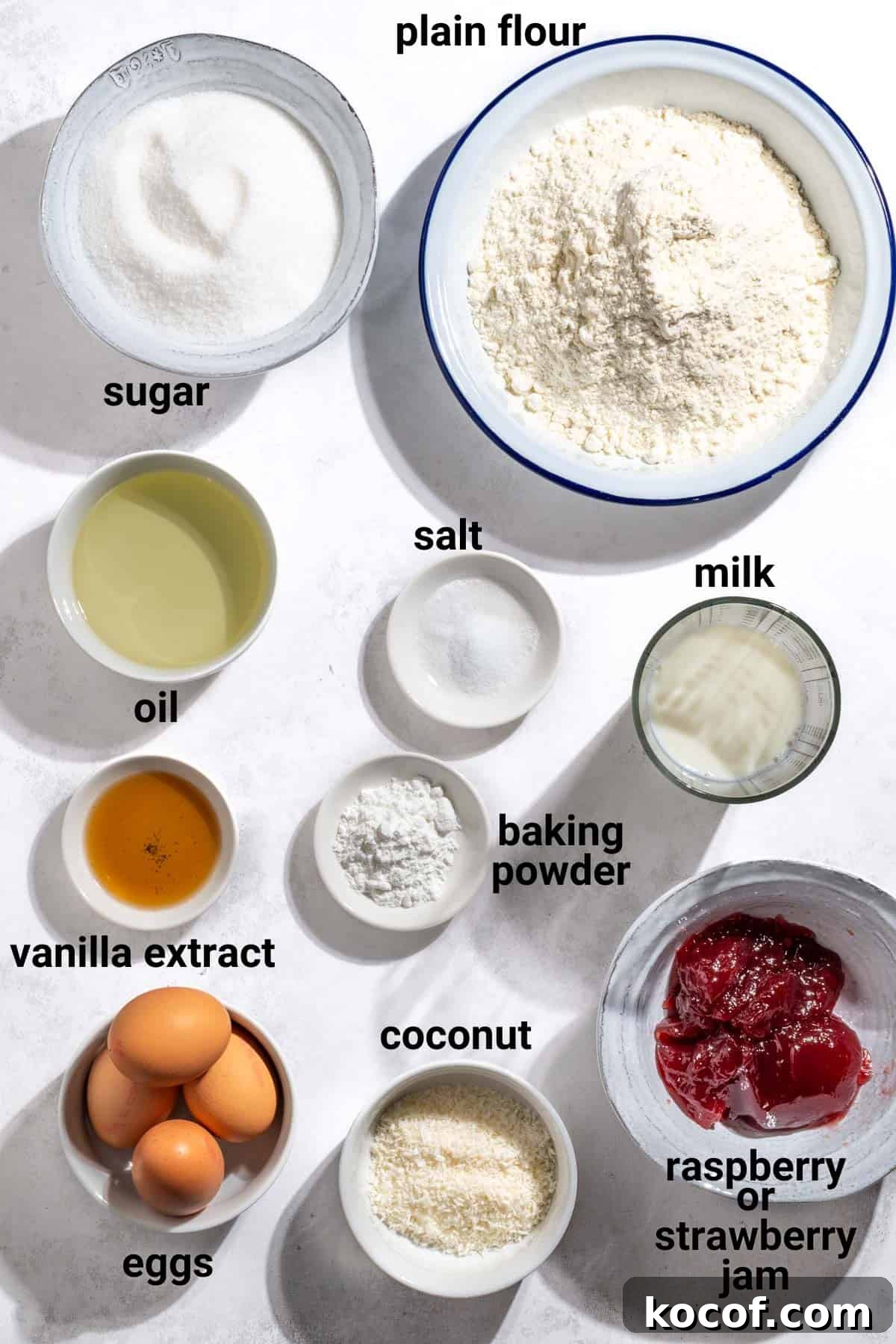
Eggs
Use four large eggs at room temperature (around 62g each in their shell). Room-temperature eggs incorporate more smoothly into the batter, helping the cake rise evenly and giving a finer crumb. To warm cold eggs quickly, submerge them in warm water for about 5 minutes.
Sugar
Regular granulated sugar works well. Caster sugar is optional but not necessary.
Oil
Choose a neutral-tasting oil such as vegetable or sunflower oil. Oil keeps the sponge moist for longer, yields a tender crumb and is economical compared with butter.
Baking powder
This recipe uses a full tablespoon of baking powder. Measure carefully for reliable rise.
Jam
Seedless raspberry or strawberry jam are traditional choices. For variation, try apricot, blackberry or passionfruit jam.
Desiccated coconut
Use desiccated coconut (finely shredded, dried coconut) rather than larger coconut flakes for the classic texture.
Equipment needed
- An electric hand mixer or stand mixer to beat the eggs and sugar until pale and fluffy.
- A couple of mixing bowls and a sieve for dry ingredients.
- A rectangular baking tin approximately 33cm x 23cm. Using a larger tin will yield a thinner cake and may shorten baking time; a slightly smaller tin will give a thicker cake and may require extra baking time.
How to line a rectangular baking tin
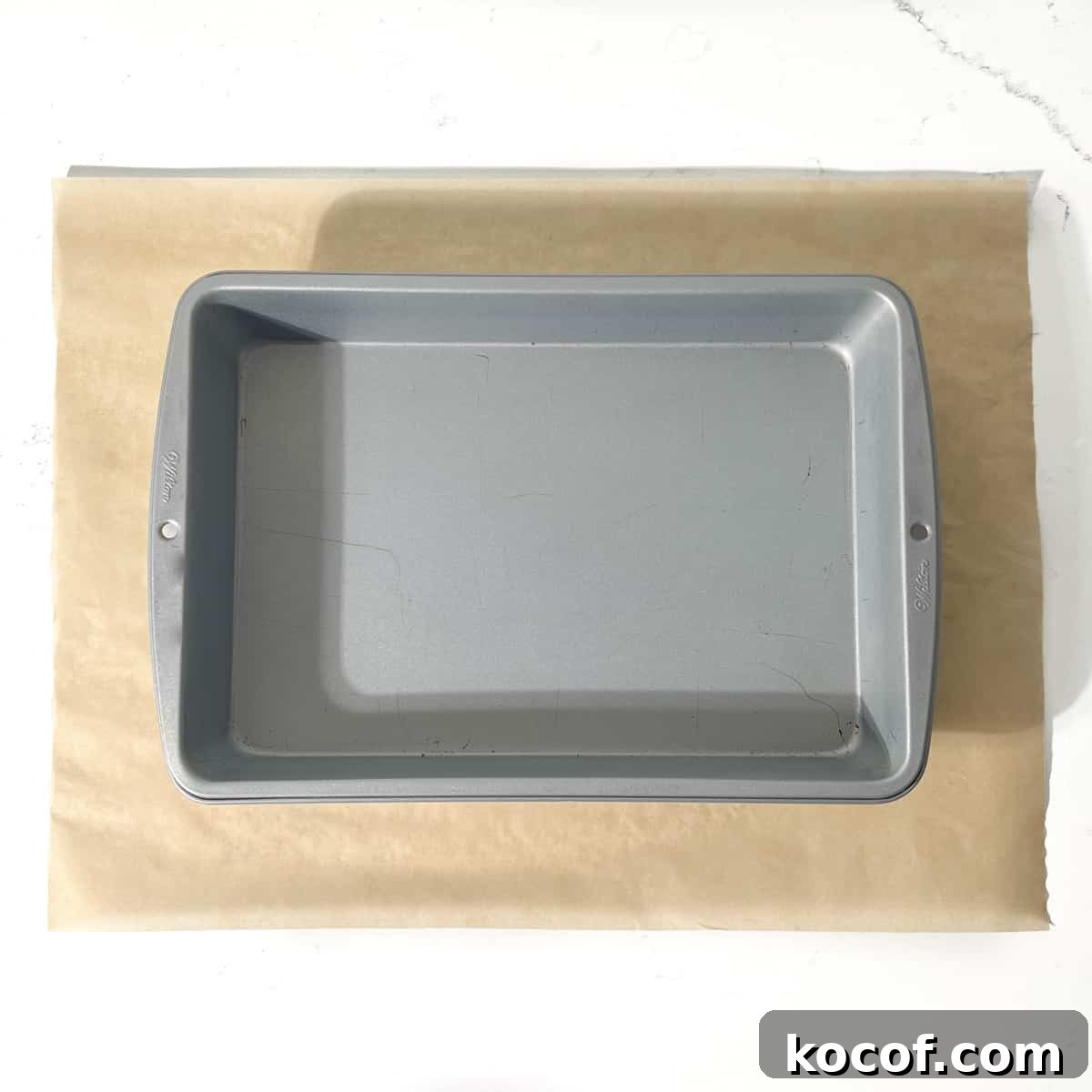
- Place the tin on baking paper and cut a rectangle with an 8–10cm border all around.
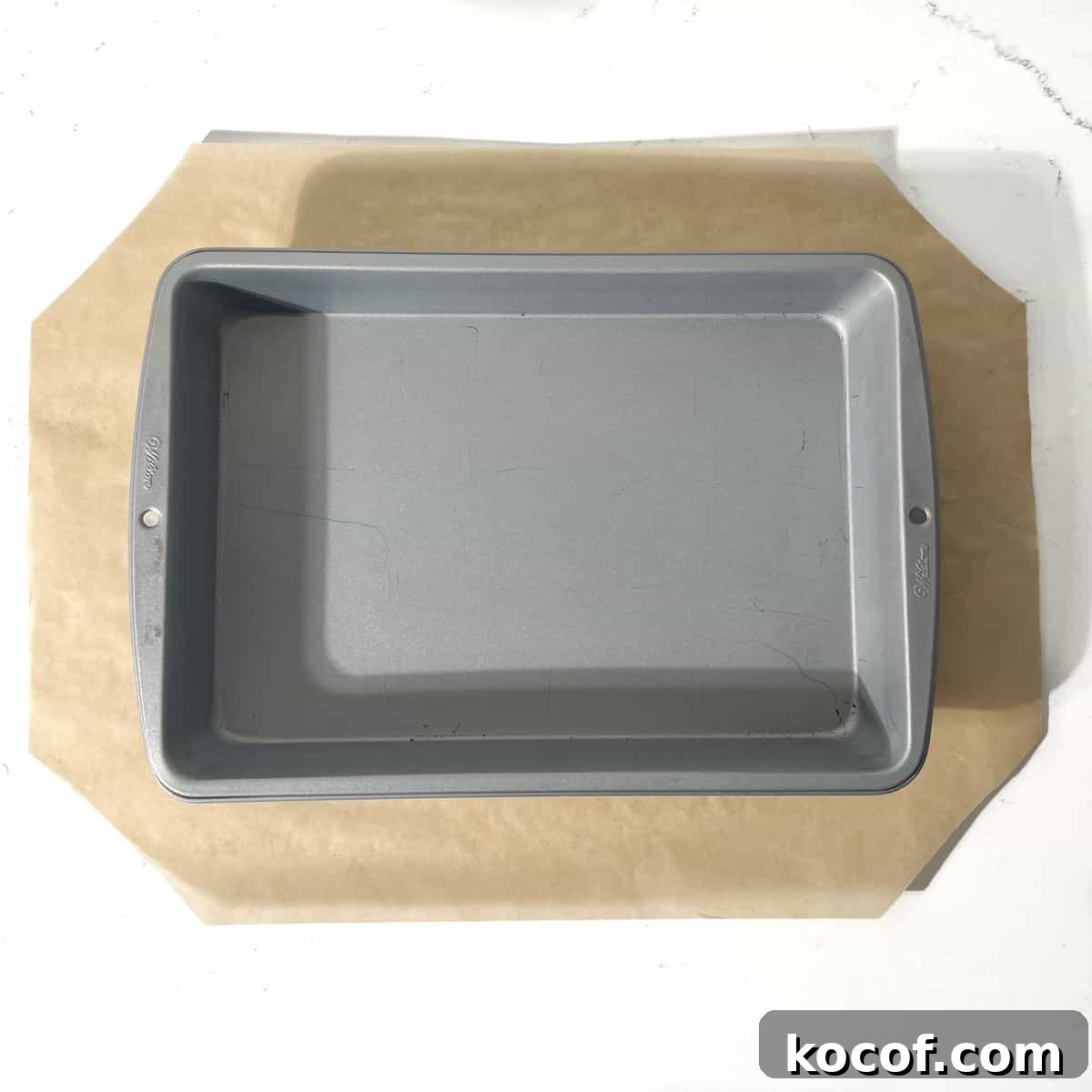
- Trim the corners so the paper will lie flat once fitted; leave about 4cm between the edge of the paper and the corner of the tray.
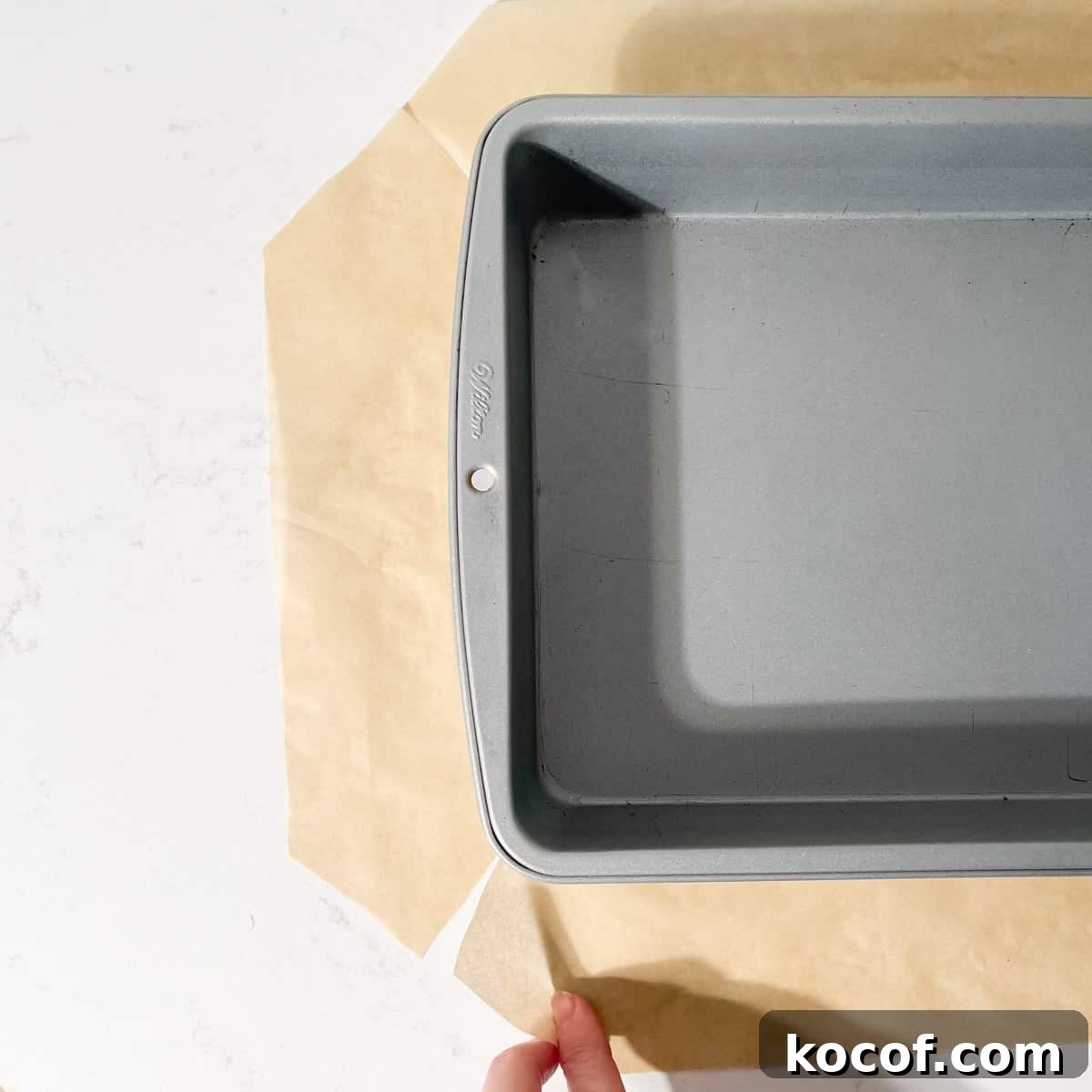
- Cut small diagonal slits at each corner of the paper, perpendicular to the edges, so the paper can fold neatly into the tin.
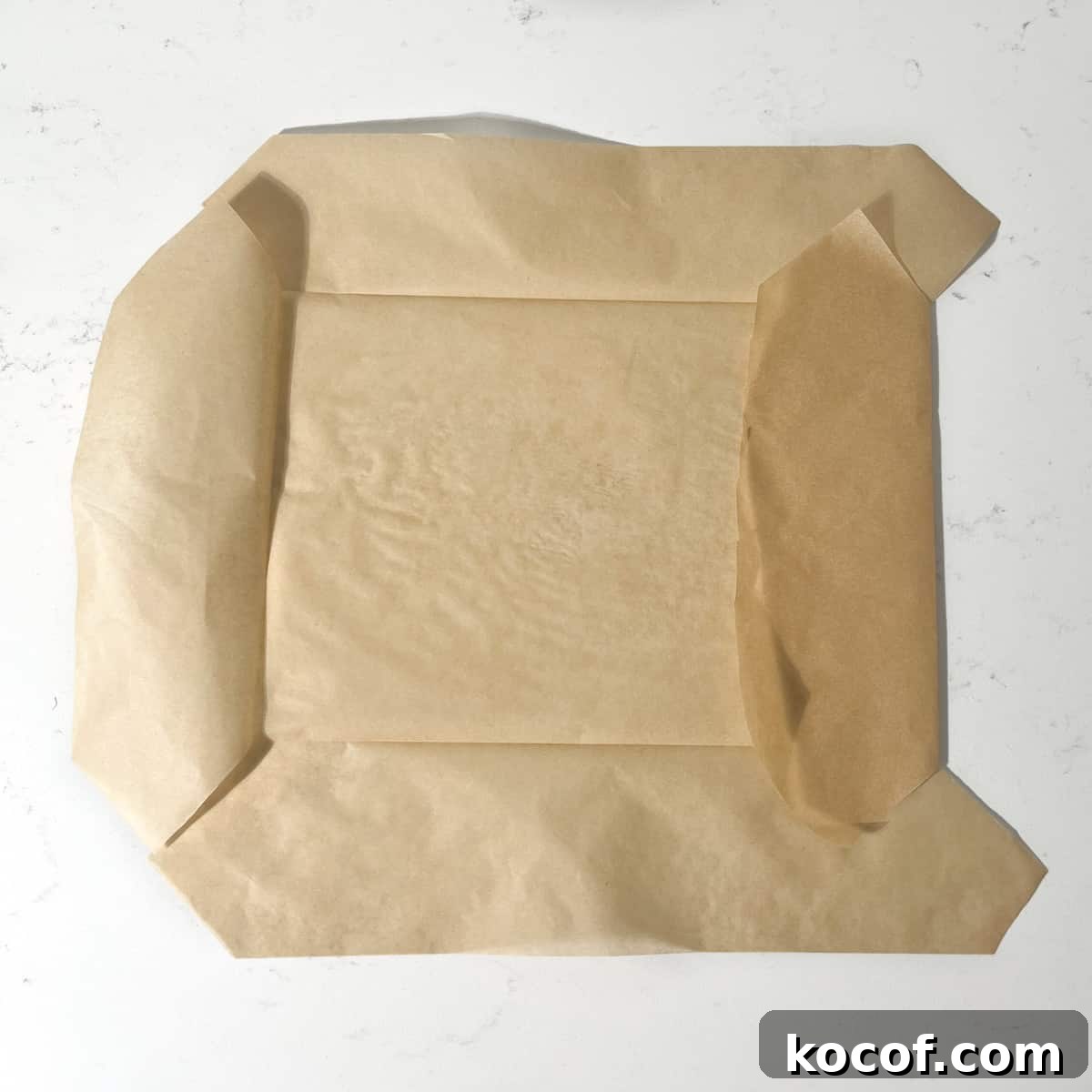
- Fold each side in along the cuts to shape the paper to the tin.
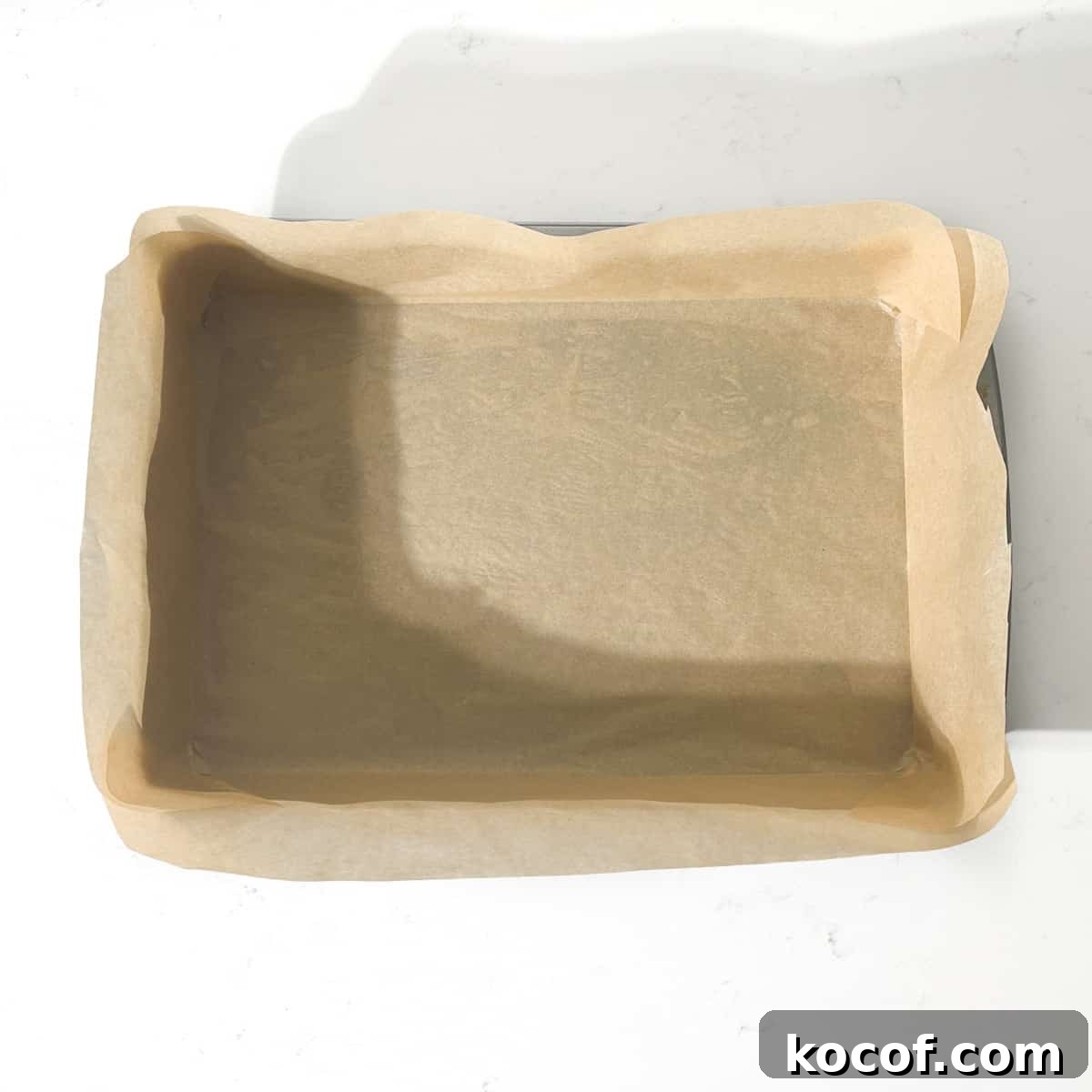
- Lower the paper into the tin and press into corners and sides for a snug fit.
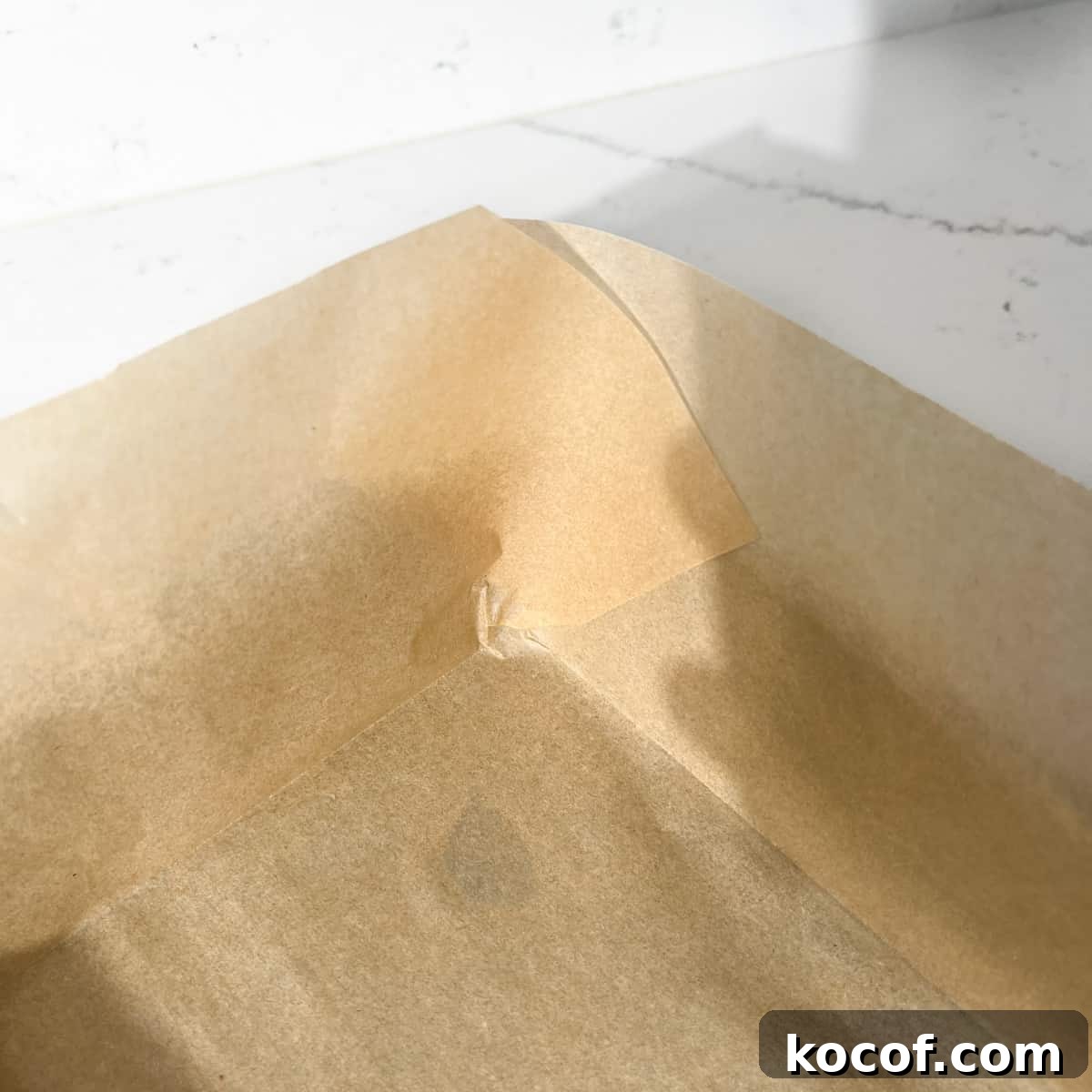
- Overlap and tuck the corners neatly so the lining holds its shape while you pour in the batter.
Step-by-step guide
Prepping
- If eggs are chilled, remove them from the fridge 30 minutes before baking, or place them in warm water for 5 minutes to bring them to room temperature.
- Heat the milk until it just simmers, then allow it to cool to lukewarm — comfortable to the touch.
- Line the baking tin with baking paper as described above.
Making the cake
- Preheat the oven to 170℃ / 338℉ / gas mark 3.
- In a large bowl combine the granulated sugar, room-temperature eggs and vanilla extract.
- Beat with an electric hand mixer or stand mixer until the mixture is very pale, thick and fluffy. This should take at least 5 minutes; you should see ribbons or trails left by the beaters.
- In a separate jug, whisk together the oil and lukewarm milk until blended.
- Sift together the flour, baking powder and salt.
- Add half the sifted dry mixture to the beaten eggs on a very low speed, stopping as soon as it is incorporated.
- Add half the milk-and-oil mixture and mix briefly on low speed. Repeat with the remaining flour and liquid, mixing only until combined. Avoid overbeating.
- Pour the batter into the prepared tin and tap the tin gently on the counter to release any trapped air.
- Bake on the middle shelf for 35–40 minutes, until the top is golden and springs back when touched and a skewer inserted into the centre comes out clean. Begin testing for doneness at 35 minutes; if your oven runs hot, test at 30 minutes.
- Cool the cake in the tin for at least 20 minutes, then invert it onto a cooling rack.
- Carefully peel off the parchment paper, taking care with the corners where the cake may have adhered slightly.
Decorating the cake
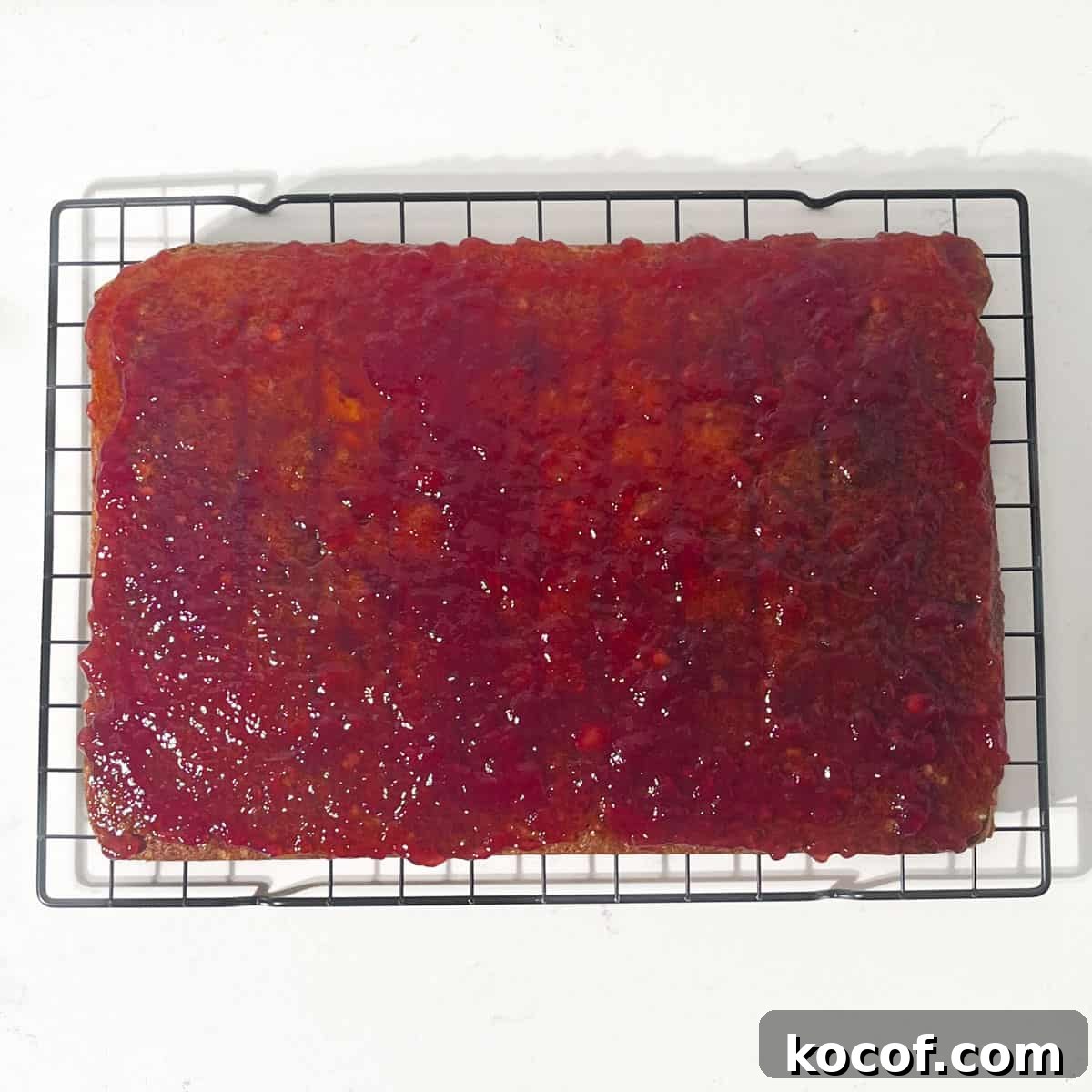
- While the cake is still slightly warm, spread the seedless raspberry jam evenly over the surface using a palette knife or the back of a spoon. Warm cake makes spreading easier.
- Don’t worry if a few crumbs mix into the jam — the coconut will mask them.
- Sprinkle desiccated coconut evenly over the jam to taste.
- Cut into squares and transfer to a serving plate. Enjoy!
Top tips
Weigh ingredients for accuracy
A digital kitchen scale and good measuring spoons will improve consistency and ensure reliable results.
Bring eggs to room temperature
Room-temperature eggs mix more smoothly, improving rise and crumb. Remove eggs from the fridge 30 minutes before baking or warm them in water for 5 minutes.
Beat the eggs and sugar well
Take at least 5 minutes to beat the eggs and sugar until pale and airy; this traps the air that gives the sponge lift.
Handle the batter gently
Avoid overmixing once the dry ingredients are added. Stop mixing as soon as no dry streaks remain to preserve air and tenderness.
Know your oven
Ovens vary. If yours runs hot, lower the temperature or check for doneness earlier. Visual cues such as a springy top and a clean skewer are reliable guides.
Serving suggestions
- The traditional accompaniment is pink custard. Make pink custard from a packet of strawberry or raspberry blancmange mix following the packet instructions, and serve it warm and pourable over the cake. If you prefer a thinner custard, add a splash more milk.
- Alternatively serve with plain warm custard or a scoop of vanilla ice cream for a comforting dessert.
Variations
- Omit the vanilla extract and add grated lemon zest for a citrus twist.
- Use almond or orange extract, or stir in orange zest for a different flavour profile.
- Pair the sponge with mascarpone cream, marshmallow fluff or a thin icing and sprinkles for a retro sprinkle cake.
- Swap the jam for apricot, blackberry or passionfruit to vary sweetness and tang.
Can you bake this cake in round tins?
Yes. This batter will make two 8″ round cakes. Bake at 170℃ / 338℉ / gas mark 3 for 25–30 minutes.
Can you make cupcakes from this recipe?
Yes. The batter yields approximately 24 cupcakes. Bake at 170℃ / 338℉ / gas mark 3 for 20–25 minutes.
Storage
Store the cake in an airtight container at room temperature for up to three days. Keep it away from direct heat and moisture.
For longer storage, wrap the fully cooled cake tightly in plastic wrap, then foil, and freeze for up to two months. Thaw slowly in the refrigerator overnight before decorating and serving.
More recipes from the United Kingdom
Sticky Jamaican ginger cake
Easy mince and dumplings
Three-ingredient scones with Eton mess topping
Creamy chicken and leek pies
Easy chicken sausage rolls
Mini butter chicken pies
Carrot and swede mash
Cheese and onion pasties
Posh fish finger sandwich with homemade tartar
Eggless English pancakes (thin pancakes)
Mini homemade sausage rolls with puff pastry
Recipe

Jam and Coconut Sponge Recipe
Equipment
- 1 sheet pan approximately 33cm x 23cm
Ingredients
For the cake
- 4 large eggs, at room temperature (about 62g each in shell)
- 250ml milk (whole or semi-skimmed), boiled then cooled to lukewarm
- 360g granulated sugar
- 2 tsp vanilla extract
- 100ml neutral oil (vegetable or sunflower)
- 360g all-purpose flour
- 1 tbsp baking powder
- ½ tsp salt
For the topping
- 200g seedless raspberry jam (or seedless strawberry jam)
- 3–4 tbsp desiccated coconut, for sprinkling
Instructions
Prepping
- If eggs are chilled, remove them 30 minutes before baking or warm in a bowl of warm water for 5 minutes.
- Heat the milk until it simmers, then cool to lukewarm.
- Line a 33cm x 23cm baking tin with parchment paper.
Making the cake
- Preheat oven to 170℃ / 338℉ / gas mark 3.
- Combine the sugar, eggs and vanilla in a large bowl and beat until very pale and fluffy, at least 5 minutes.
- Whisk the oil and lukewarm milk together in a separate jug.
- Sift the flour, baking powder and salt.
- Add half the dry mix to the egg mixture on low speed until just combined, then add half the milk-oil mix and combine. Repeat with remaining dry and wet ingredients, mixing only until combined.
- Pour batter into the prepared tin and tap to remove air bubbles.
- Bake for 35–40 minutes until the top springs back and a skewer comes out clean. Start testing at 35 minutes (or 30 minutes if your oven runs hot).
- Let the cake cool in the tin for 20 minutes, then invert onto a cooling rack and peel off the parchment carefully.
Decorating the cake
- While still slightly warm, spread the jam evenly over the cake. Crumbs in the jam are fine — the coconut will hide them.
- Sprinkle desiccated coconut to cover the jam, according to taste.
- Cut into squares and serve warm or at room temperature.
Notes
Use a scale and measuring spoons
Accurate measurements help ensure successful bakes — a digital scale is a worthwhile investment.
Bring eggs to room temperature
Room-temperature eggs blend more smoothly and help the cake rise evenly. Remove from the fridge 30 minutes before use or warm in water for 5 minutes.
Beat the eggs and sugar thoroughly
Take at least 5 minutes to beat the eggs and sugar until pale and airy. This step traps air that gives the sponge its lift and tender crumb.
Gently does it
Avoid overmixing after adding the dry ingredients to keep the batter light. Stop as soon as no streaks of flour remain.
Know your oven
Oven temperatures vary; rely on visual cues and a skewer test. If unsure, err on the side of lower temperature and slightly longer bake time.
Nutritional data disclaimer
Nutritional information is an estimate calculated by a third party. Values may vary depending on brands and exact ingredients used. Consult a qualified professional for personalised dietary advice.
Nutrition
For food safety advice, including guidance on food allergies, consult your local food safety authority or a registered dietitian.