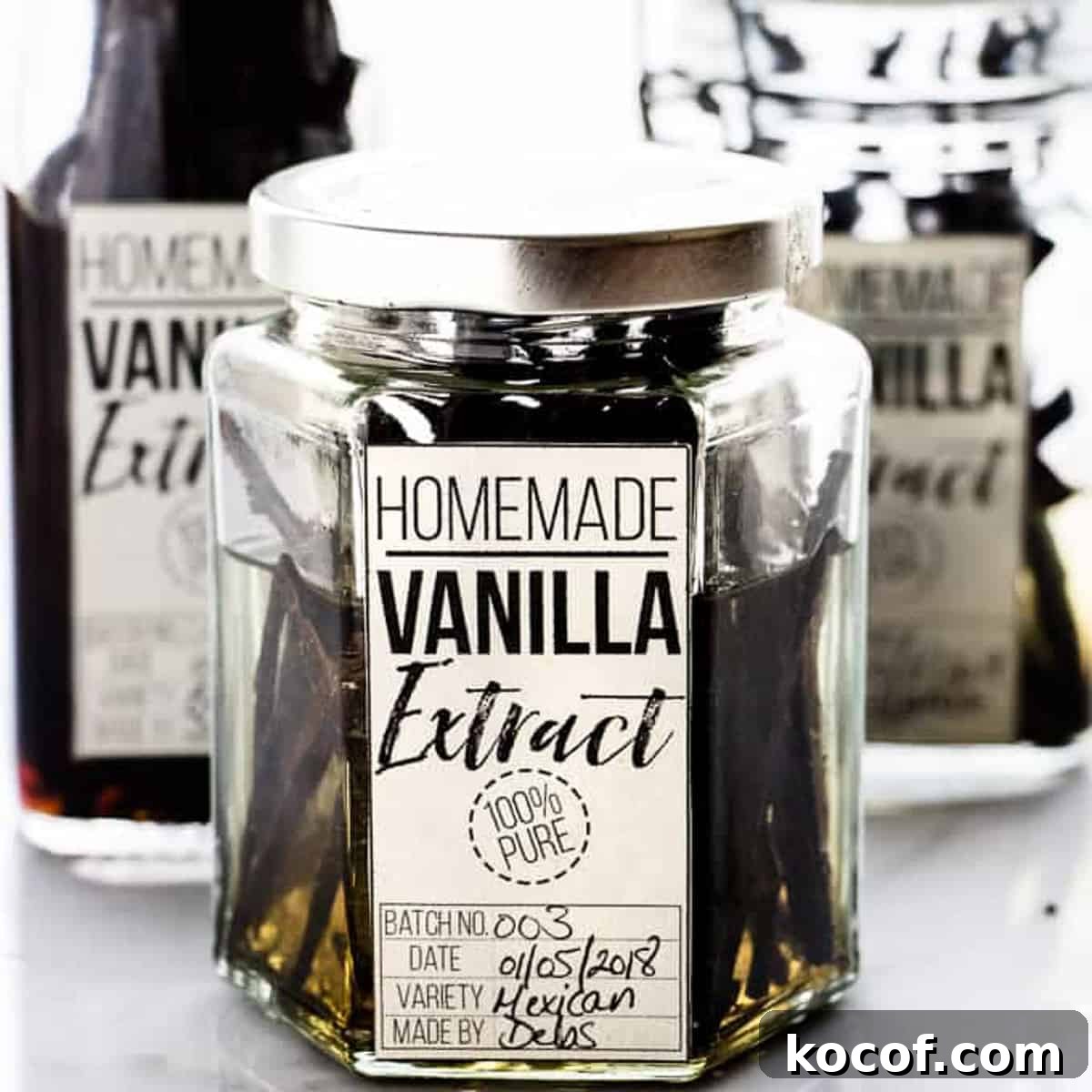
Learning how to make homemade vanilla extract is one of the simplest and most rewarding kitchen skills. The process is quick and straightforward, and the result is a rich, premium-quality extract for a fraction of the cost of store-bought bottles.
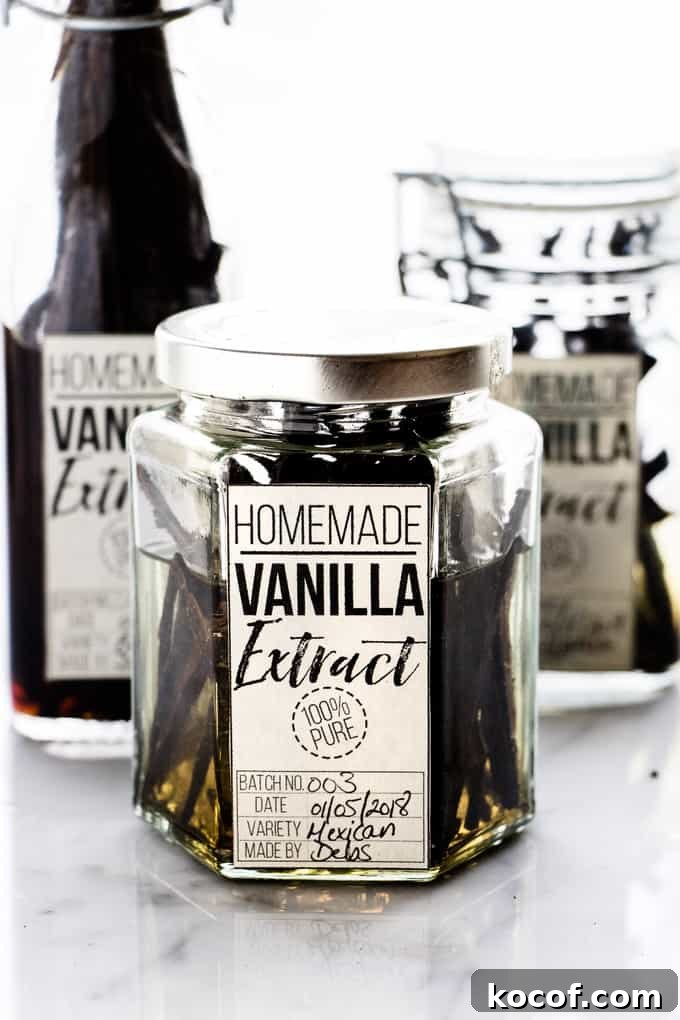
Table of Contents
Vanilla extract is essential in baking and cooking — most recipes call for it. Vanilla comes from a delicate orchid and yields a complex flavor that varies by origin and processing. When you make your own extract, you control the beans and alcohol, so you can craft a flavor profile that suits your recipes: cakes, jams, cookies, and rich desserts all benefit from real, high-quality vanilla.
How to make homemade vanilla extract:
Step 1. Use a sharp knife to split each vanilla bean lengthwise and scrape out the seeds.
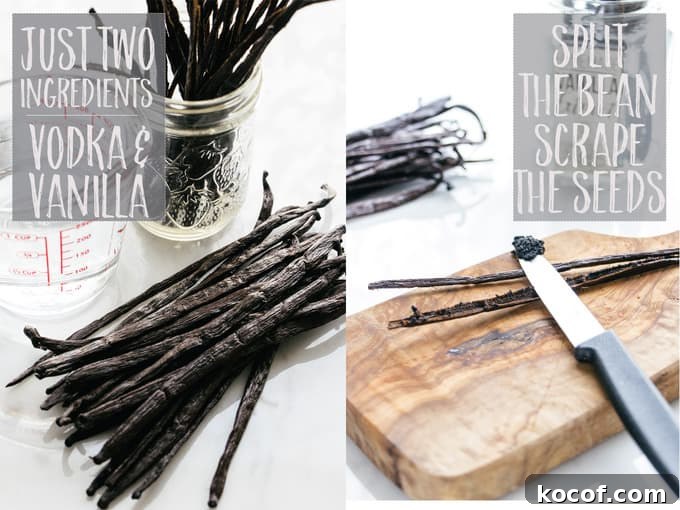
Step 2. Place the scraped seeds and the emptied pods into a clean glass jar or bottle.
Step 3. Pour 80-proof alcohol over the beans and seeds until fully submerged. Common choices are vodka, rum, or bourbon. Vodka gives the most neutral base, letting the vanilla shine without extra flavor notes.
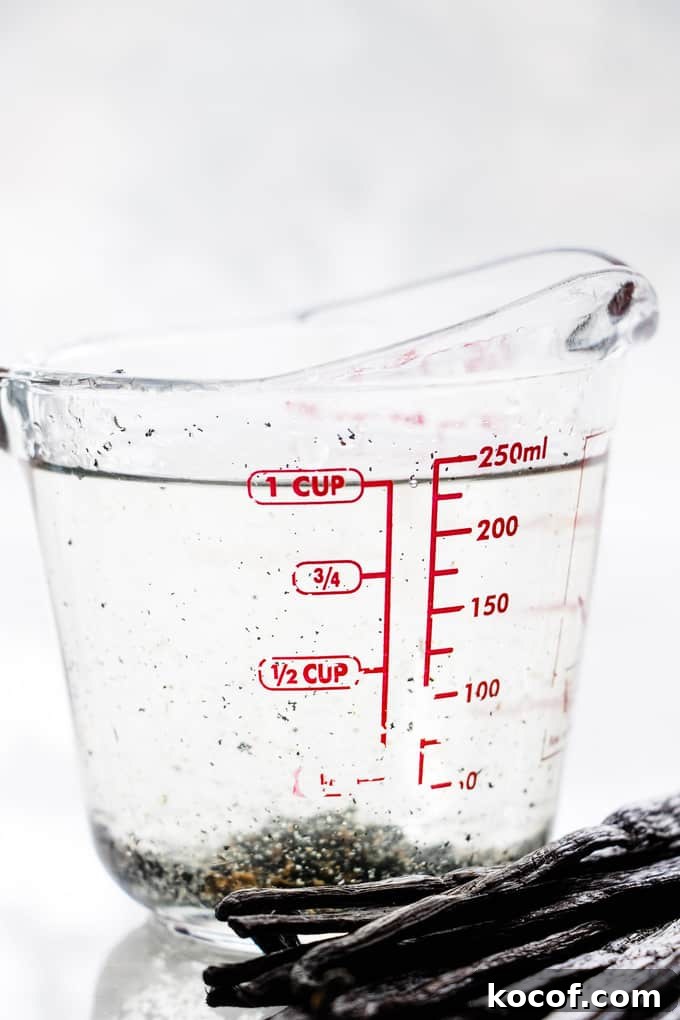
Step 4. Seal the jar and store it in a cool, dark place to steep. Allow at least eight weeks for the flavors to extract, shaking the jar once or twice a week. You can leave the beans in the bottle and keep topping up with more alcohol over time; the extract will continue to develop.
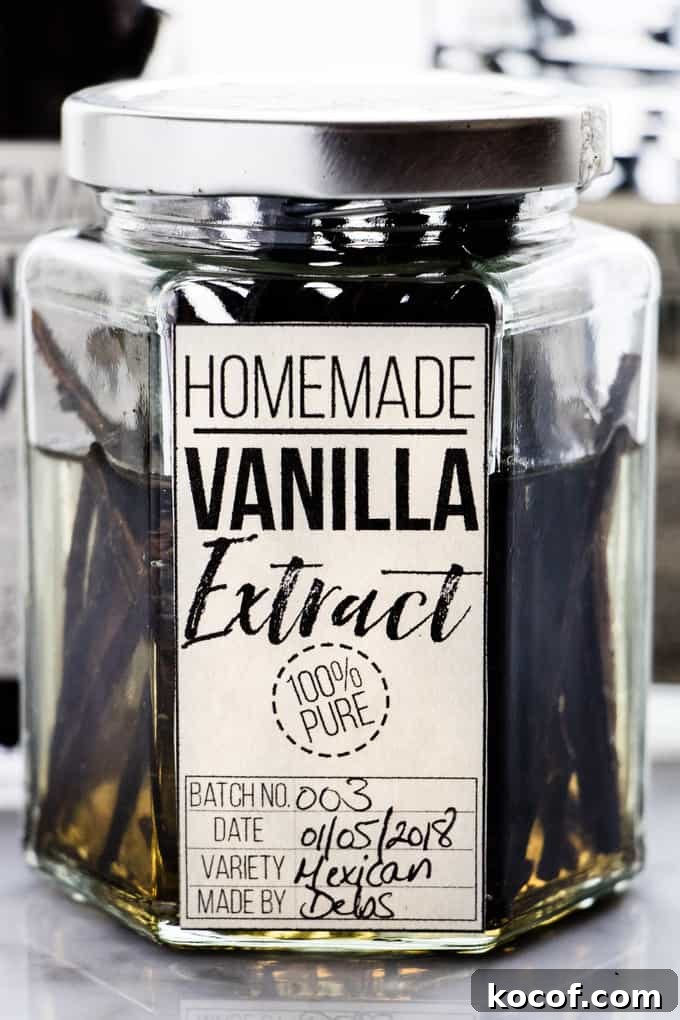
Why homemade vanilla is better:
Making your own vanilla extract gives you complete control over ingredients and quality. You can choose premium beans rather than lower-grade options, and decide how many beans to use and how long to steep them to achieve the strength you prefer. A simple homemade extract requires only two ingredients: vanilla beans and 80-proof alcohol (vodka, rum, or bourbon).
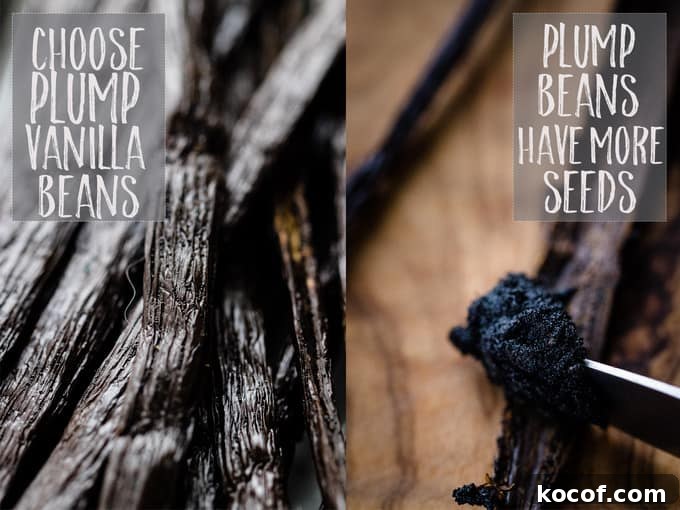
Choosing the right beans matters: origin, curing, and age affect aroma and taste. Premium beans produce a deeper, more complex extract that elevates baked goods and desserts.
What type of bean to choose for homemade vanilla extract?
Different vanilla varieties offer distinct flavor profiles. Pick a bean based on the flavor you want in your recipes:
- Bourbon (Madagascar) vanilla: Classic, rich, and creamy with a sweet, buttery scent; versatile for most baking and desserts.
- Indian vanilla: Sweet, aromatic, and slightly woodsy; good value and very flavorful.
- Indonesian vanilla: Robust with smoky, woody notes; pairs well with dark chocolate and caramel desserts.
- Mexican vanilla: Often has a warm, smoky complexity; excellent for recipes where that nuance is welcome.
- Tahitian vanilla: Delicate and floral, sometimes described with fruity or wine-like notes; best used in recipes that showcase its aroma without heavy cooking.
- Ugandan vanilla: Bold, earthy, and chocolatey with high vanillin content; outstanding in rich desserts and confections.
How long should you let homemade vanilla extract distill?
A minimum of eight weeks is a good rule of thumb for a well-developed extract. You can let it steep longer for deeper flavor; however, the difference between eight and sixteen weeks may be subtle. Many people maintain a continuous jar by adding spent beans and topping up with alcohol so they always have an active, flavorful extract on hand.
Store your finished extract in a cool, dark place. Properly submerged vanilla beans preserved in alcohol will last indefinitely. Use bottles with plastic or rubber stoppers rather than metal to avoid corrosion from the alcohol.
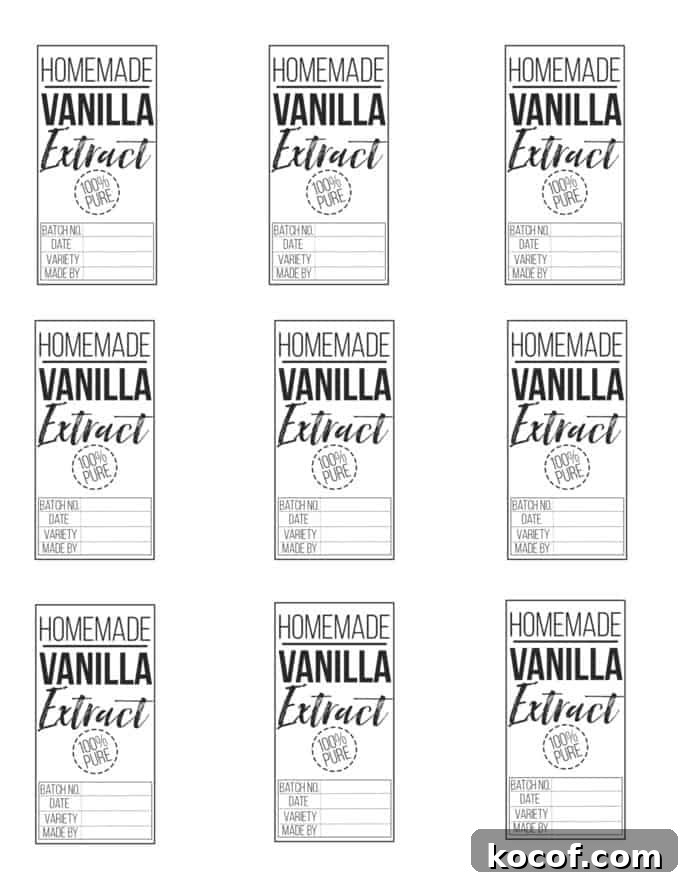
Homemade vanilla extract also makes a thoughtful, homemade gift—add printed labels for a personal touch.
Get your homemade vanilla labels
How To Make Homemade Vanilla Extract
Ingredients
- 5–8 vanilla beans (5 beans yields a milder extract)
- 1 cup (240 g) vodka
Instructions
- Split the vanilla beans lengthwise.
- Scrape out the seeds with a sharp knife.
- Place seeds and pods into a jar and add the vodka.
- Whisk or shake to combine, then pour into bottles if desired.
- Seal and let mature for at least 8 weeks, shaking 1–2 times per week.
Nutrition
Share your results or leave a comment with any tips. Homemade vanilla is perfect for gifting—add labels for a personal touch.