Pasta Frolla is a classic Italian sweet shortcrust pastry with a tender, buttery crumb. Made from simple ingredients — butter, sugar, eggs and flour — it bakes to a soft but sturdy dough that works beautifully for tarts, crostata and cookies. Lightly sweet and delicately rich, it’s a staple of Italian baking.
This post contains affiliate links; check out our Disclosure Policy for more information.
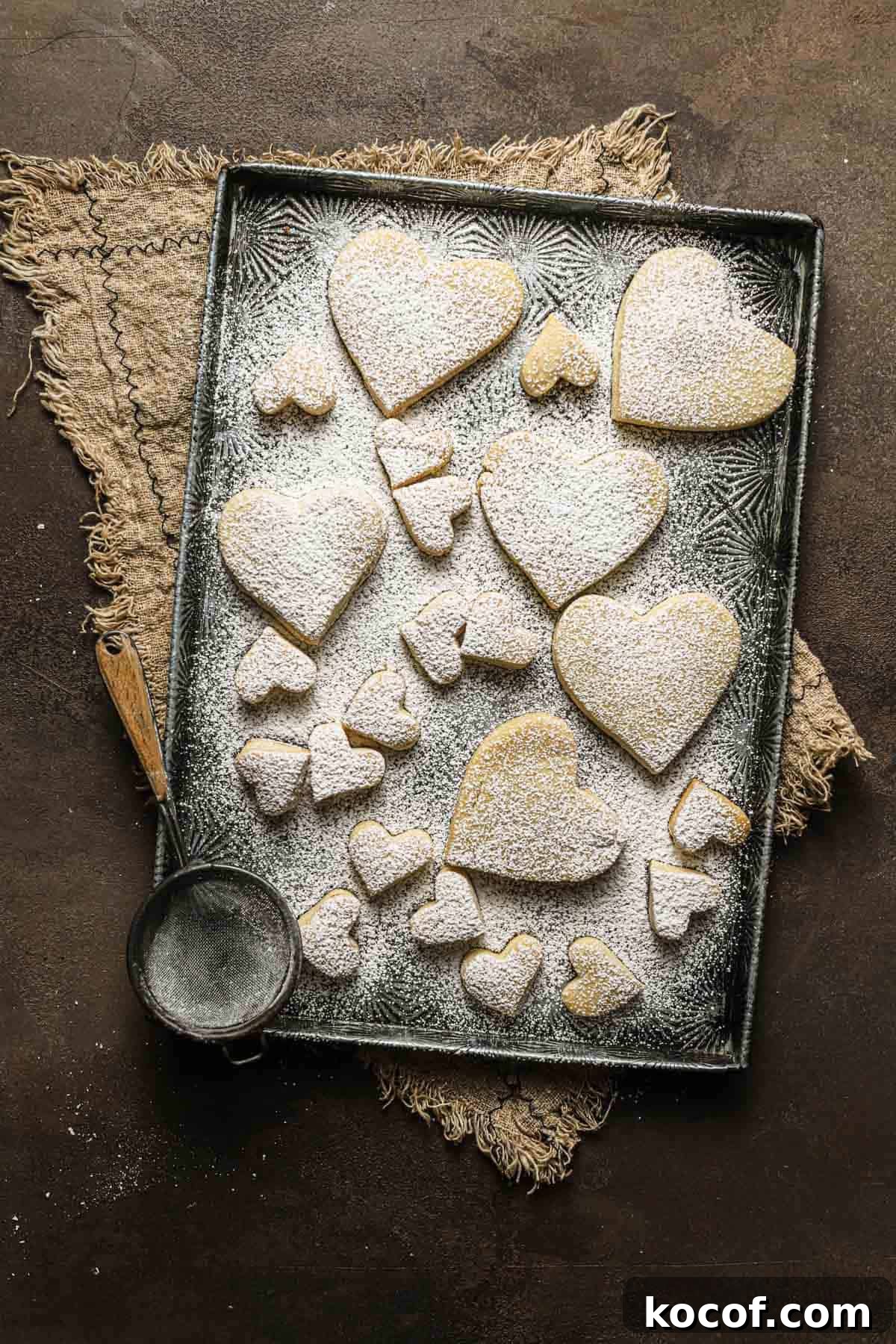
I rely on this recipe whenever I want an easy, foolproof shortcrust that is simple to make and easy to roll. It’s perfect for classic tarts like Torta Della Nonna or an Apple Crostata, and also makes a great base for shortcrust bars and shortbread cookies.
The trick that makes this dough workable without shrinking, tearing or sticking is using ’00’ flour (pizza flour). Its slightly higher gluten content helps the dough hold together smoothly while still baking to a tender, non-chewy crust. If you can’t find ’00’ flour, bleached all-purpose works fine.
Key Ingredients
The full ingredient list with measurements appears in the recipe card below.
- ’00’ pizza flour — gives a smooth, easy-to-roll dough. Use bleached all-purpose if you can’t find it.
- Cold unsalted butter — keeps the dough tender. Warm butter releases water and encourages gluten development, which makes the crust tougher.
- Powdered sugar — important here for a delicate, crumbly texture; powdered sugar contains a little starch that helps the crumb. Granulated sugar will yield a slightly crumblier result.
- Cold eggs — provide the liquid to bind the dough and help it hold its shape during baking without spreading.
Two Ways To Make This Recipe
You can make this dough in a food processor or by hand in a large bowl. Both deliver excellent results; the food processor is simply faster.
Using the Food Processor
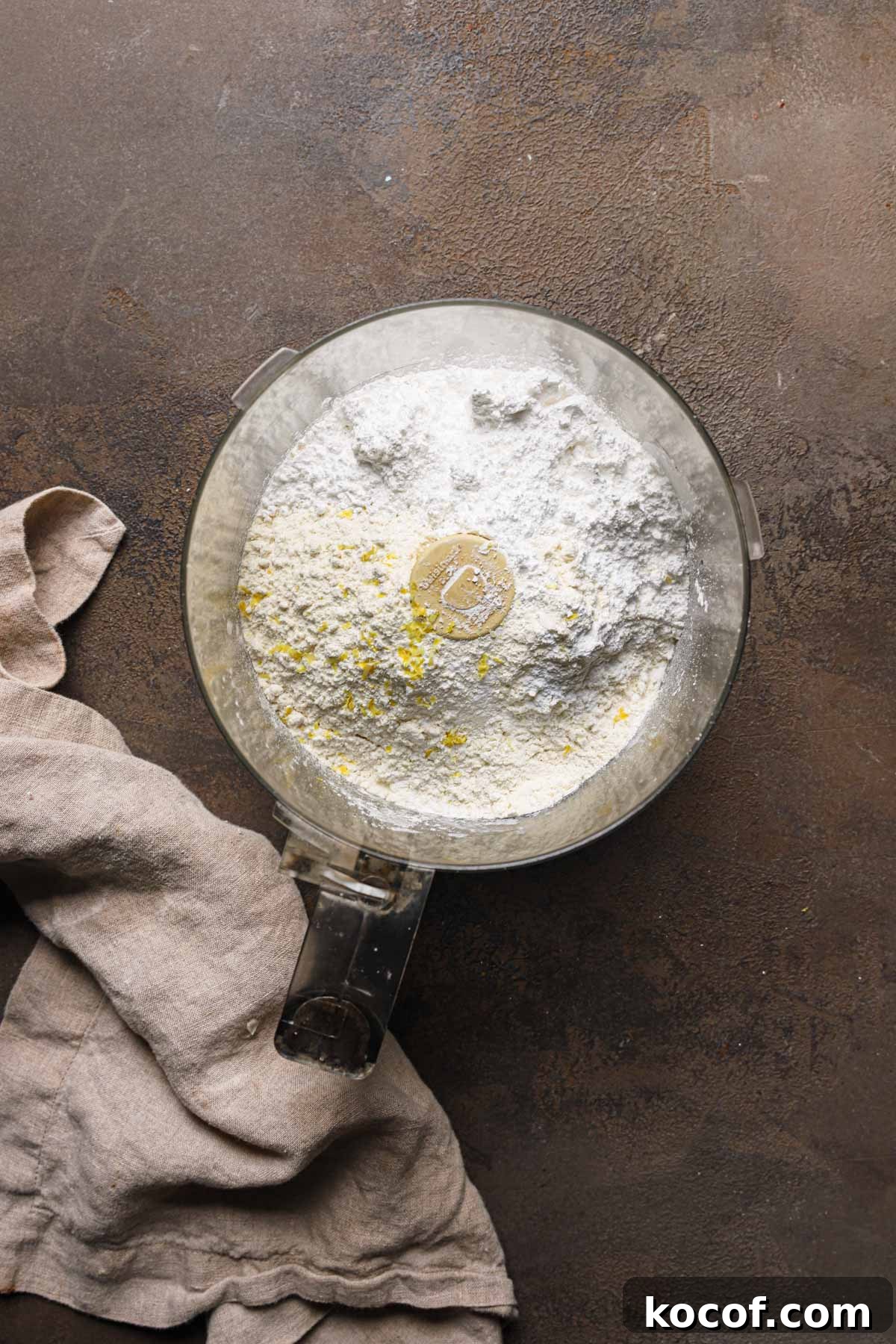
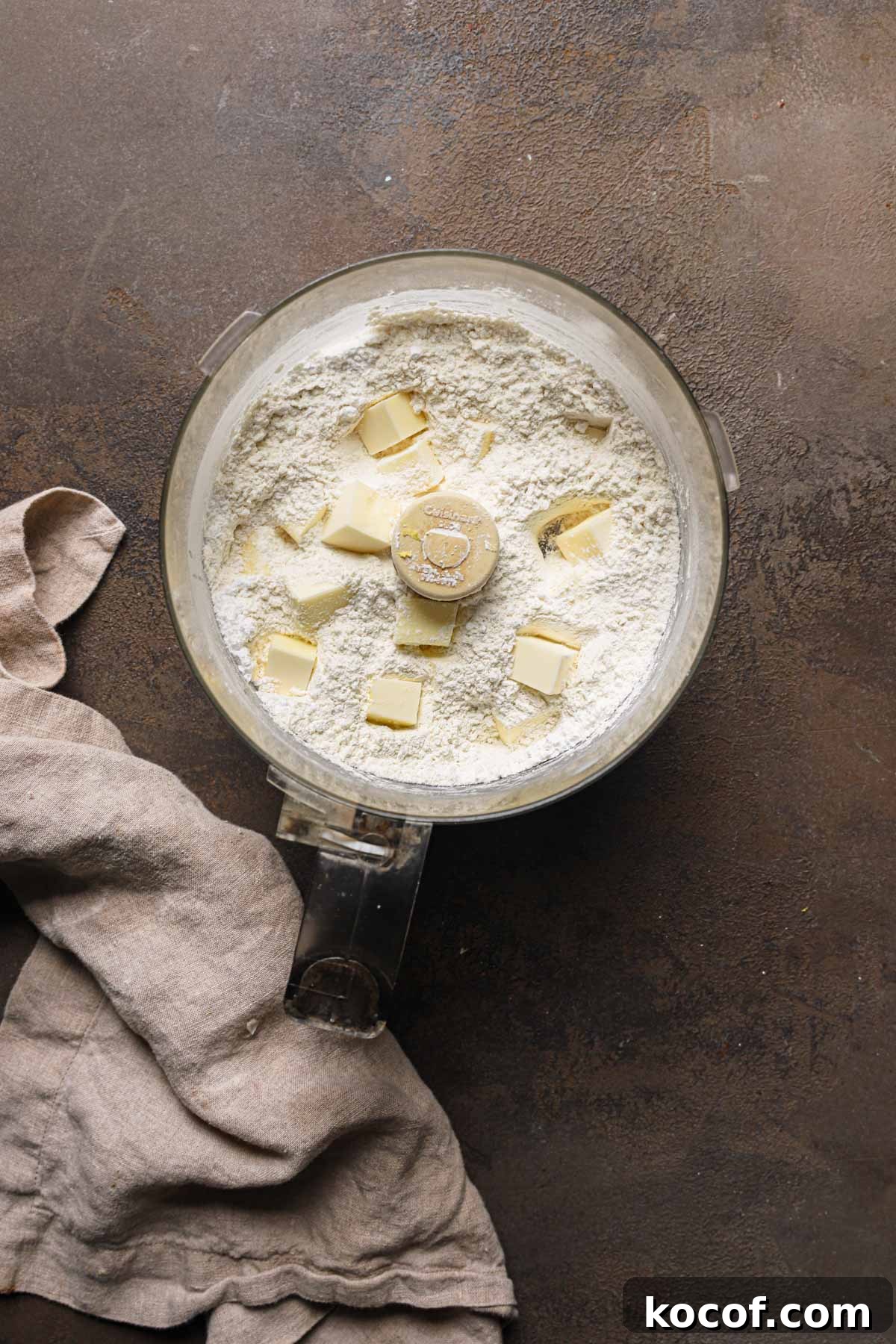
Pulse the dry ingredients, cut cold butter into 1/2-inch pieces and pulse until the butter is pea-sized. Add beaten eggs and vanilla, then process until the dough forms. Shape into a disk, wrap and refrigerate.
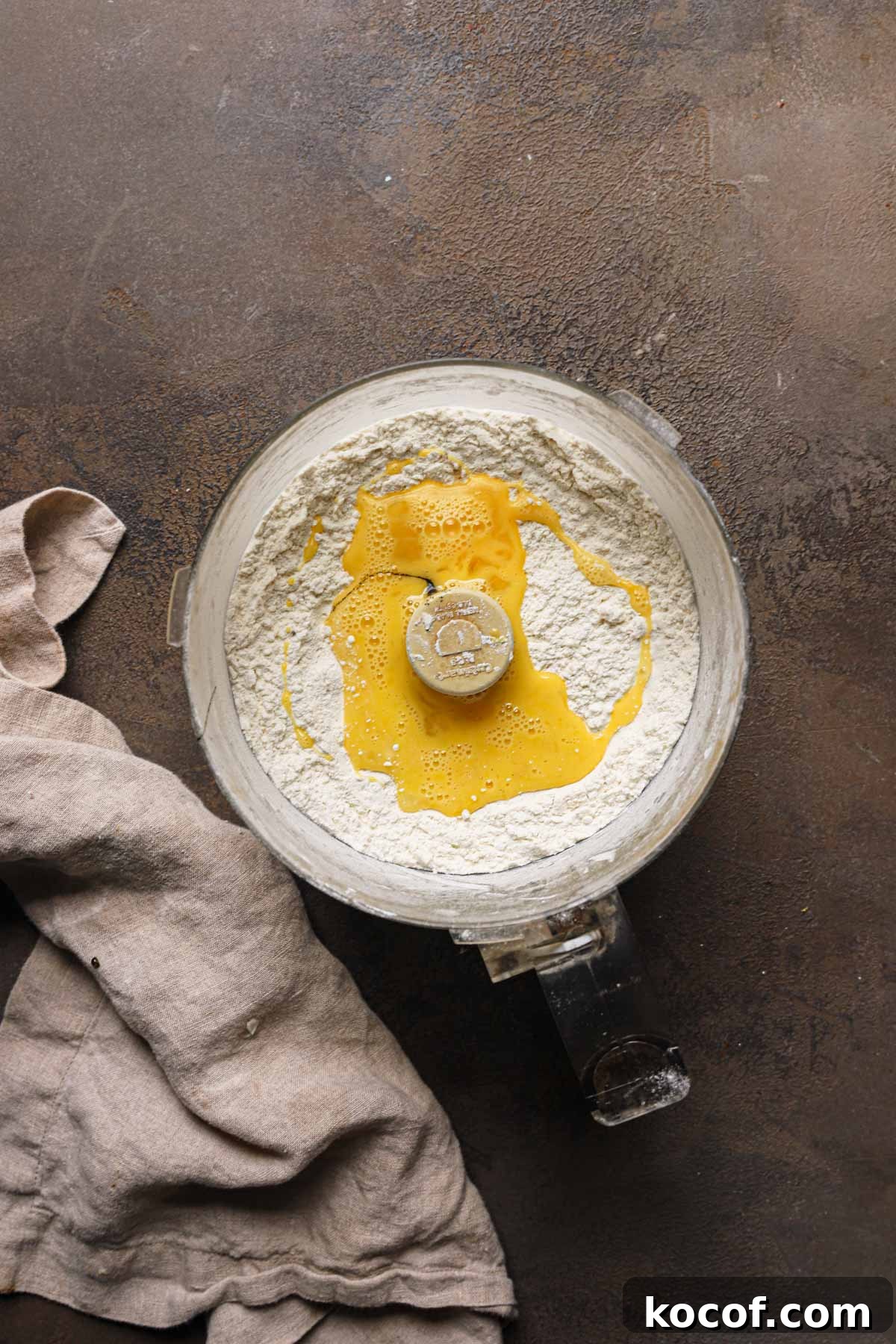
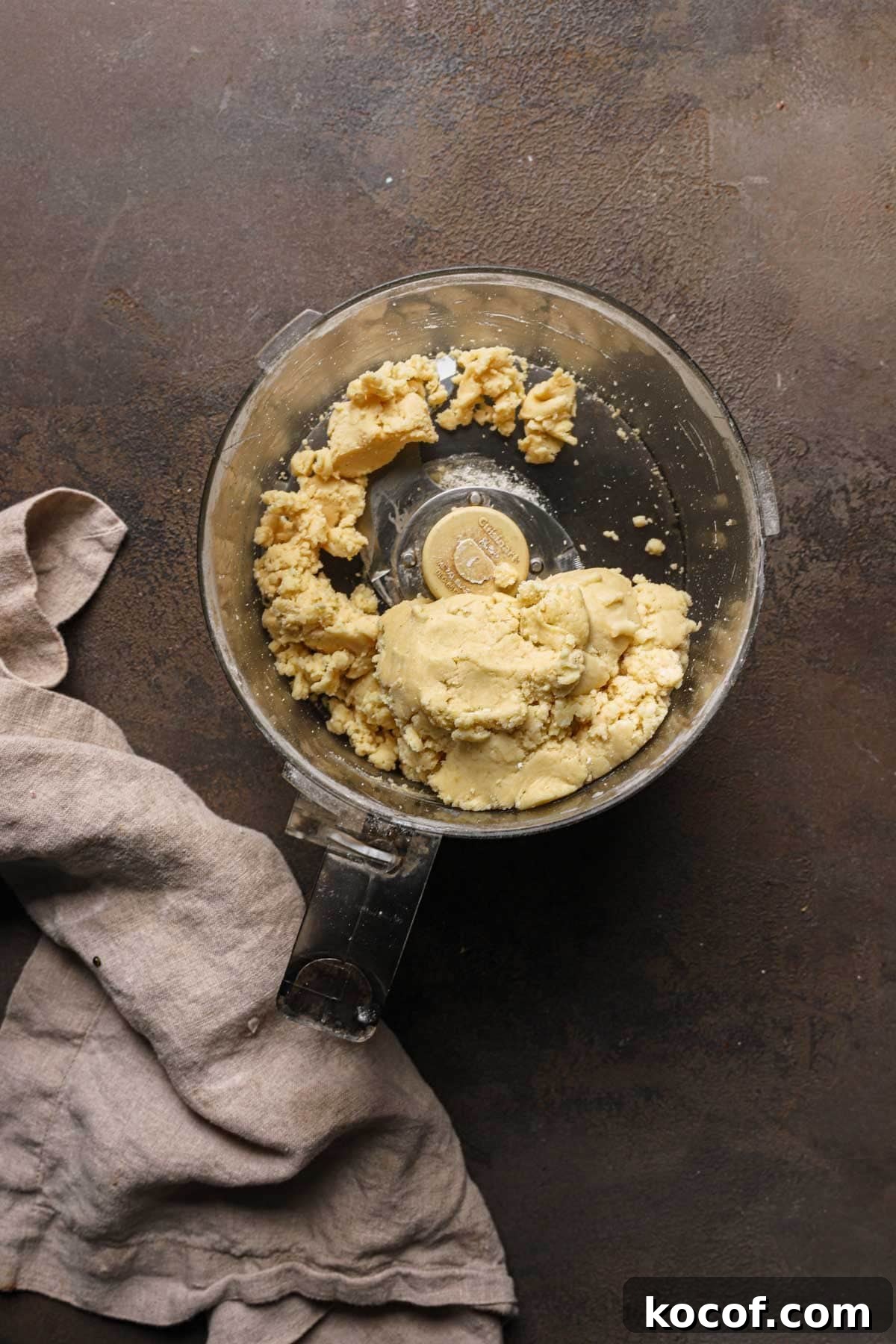
Using A Large Bowl
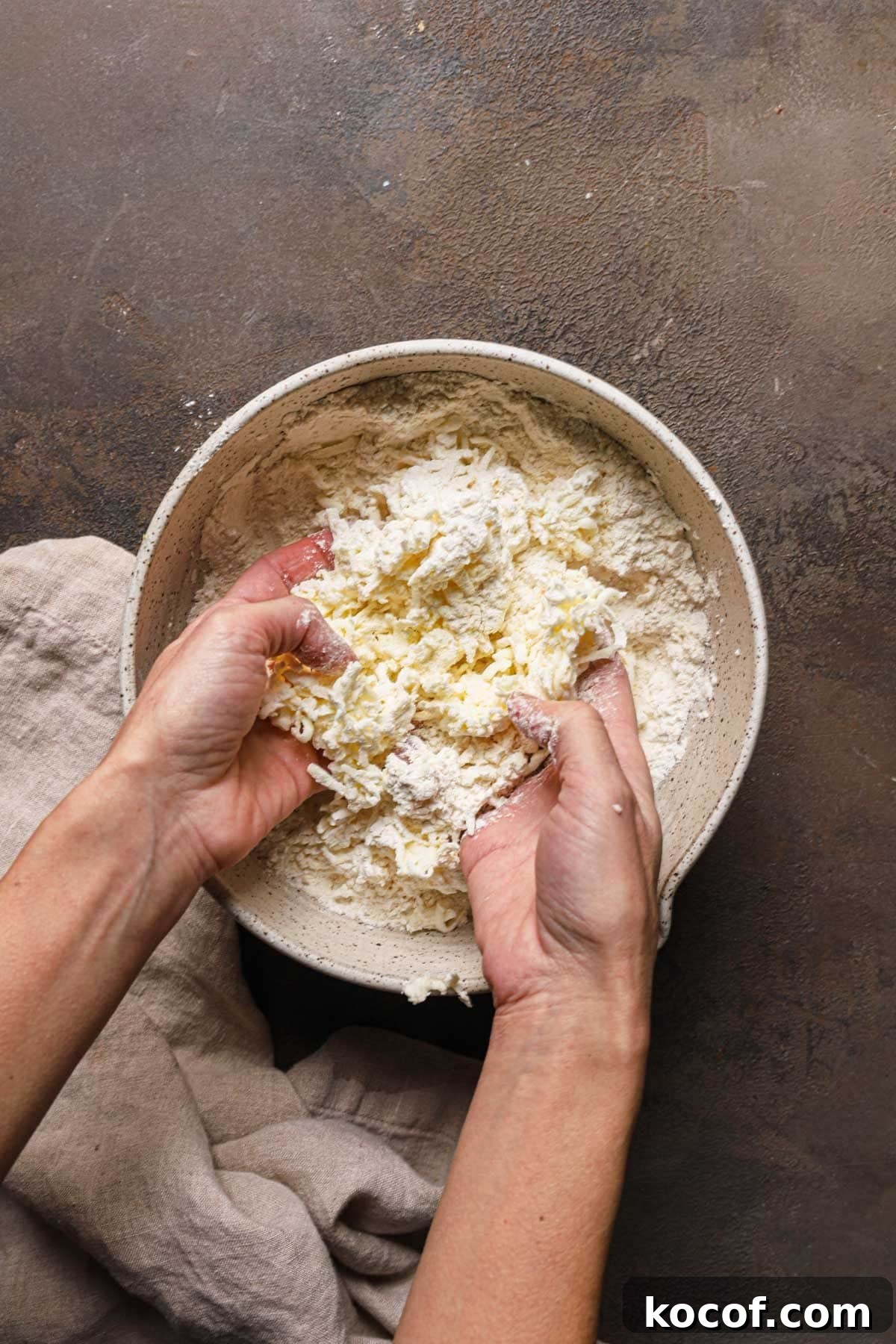
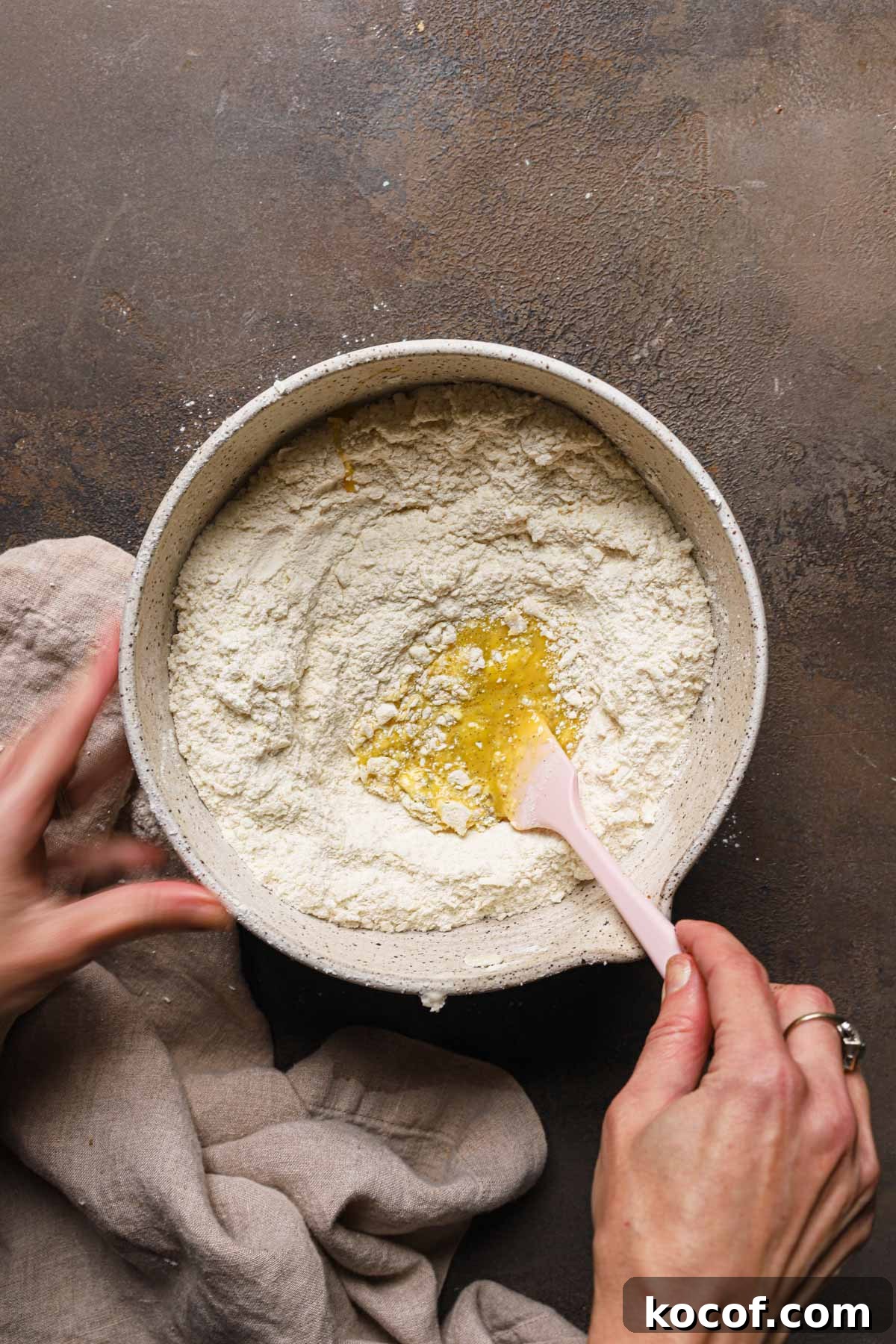
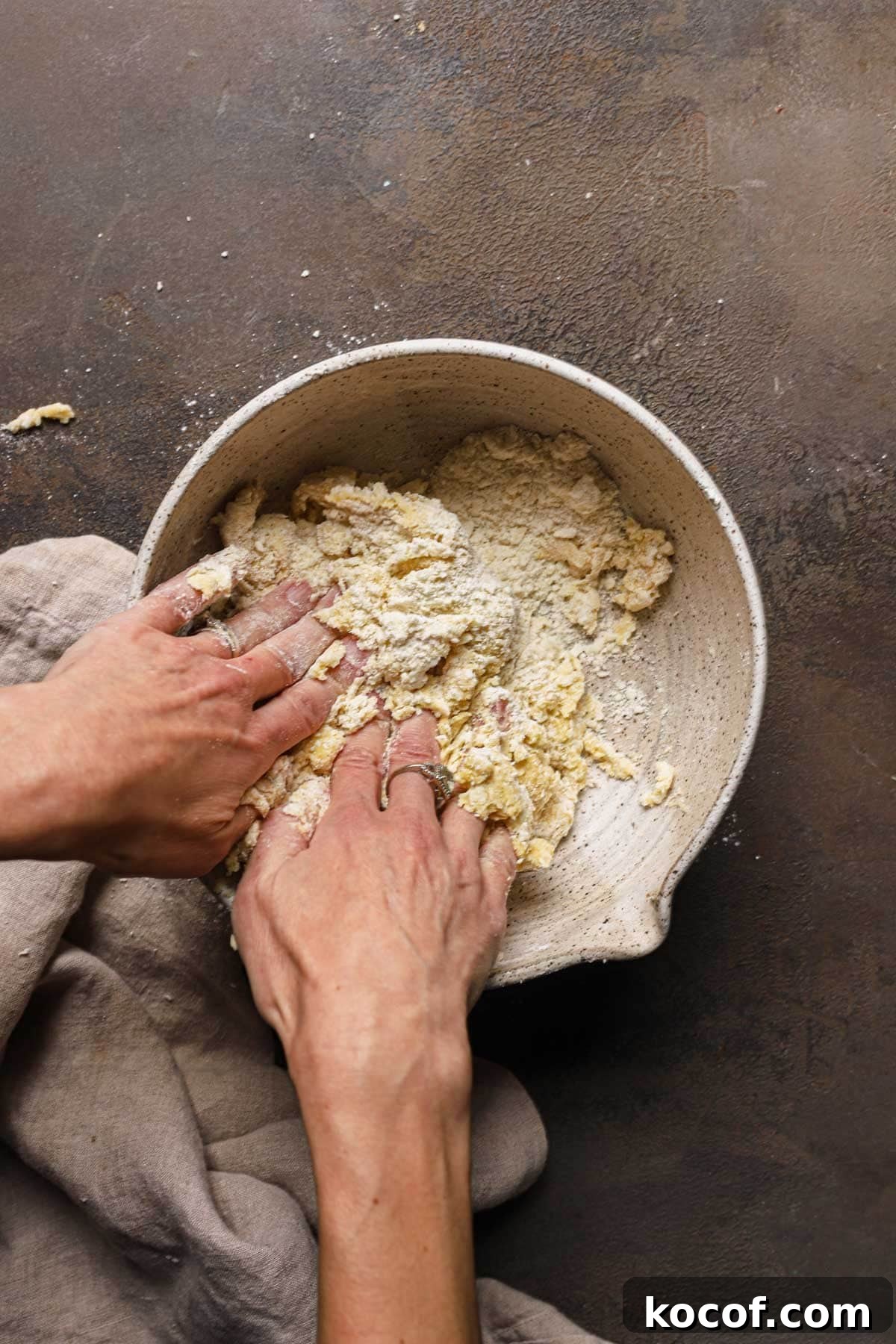
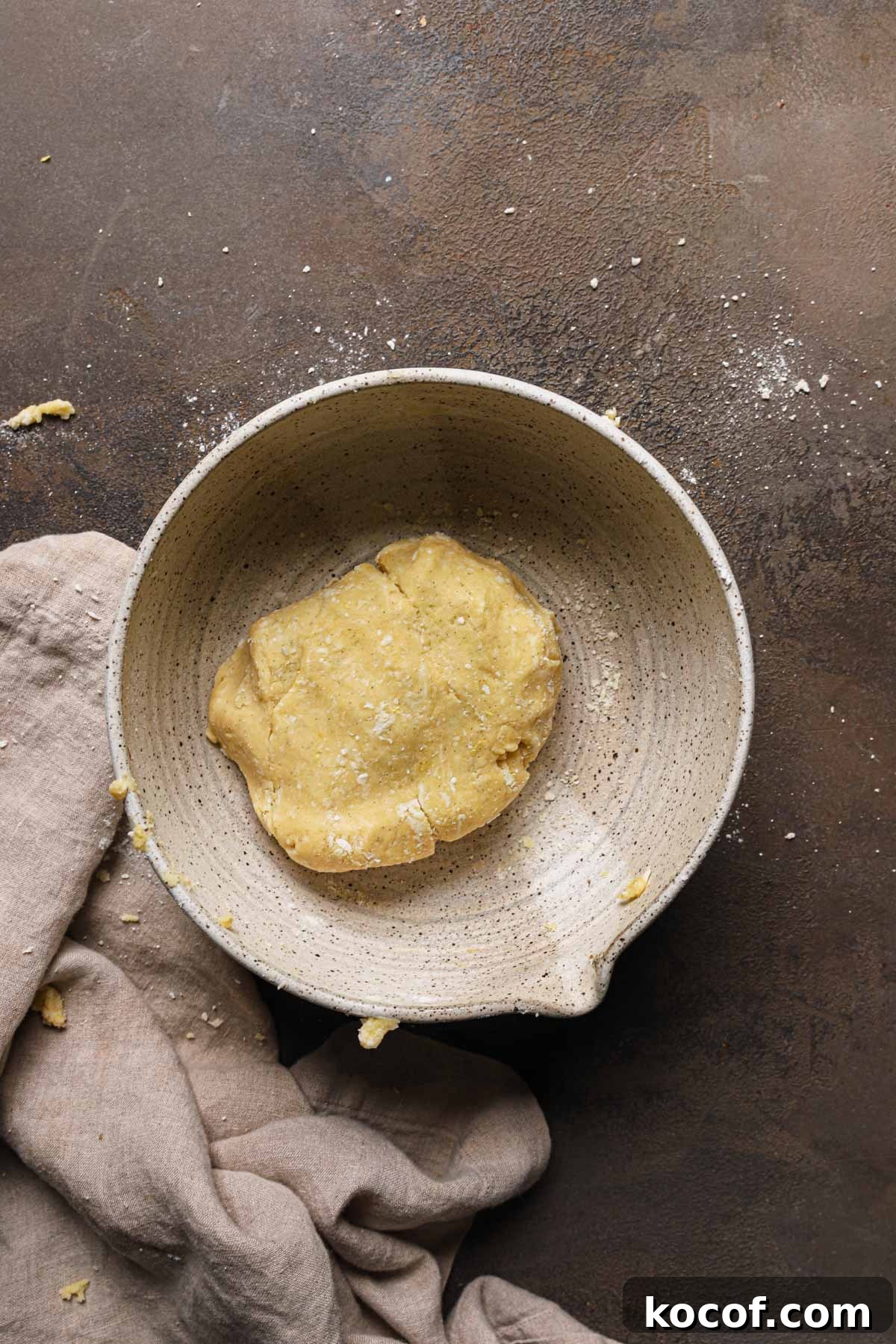
Combine dry ingredients, grate or cut cold butter into the mixture and rub it in with your fingertips until crumbly. Make a well, add beaten eggs and vanilla, then mix from the center outward until the dough comes together. Shape, wrap and chill.
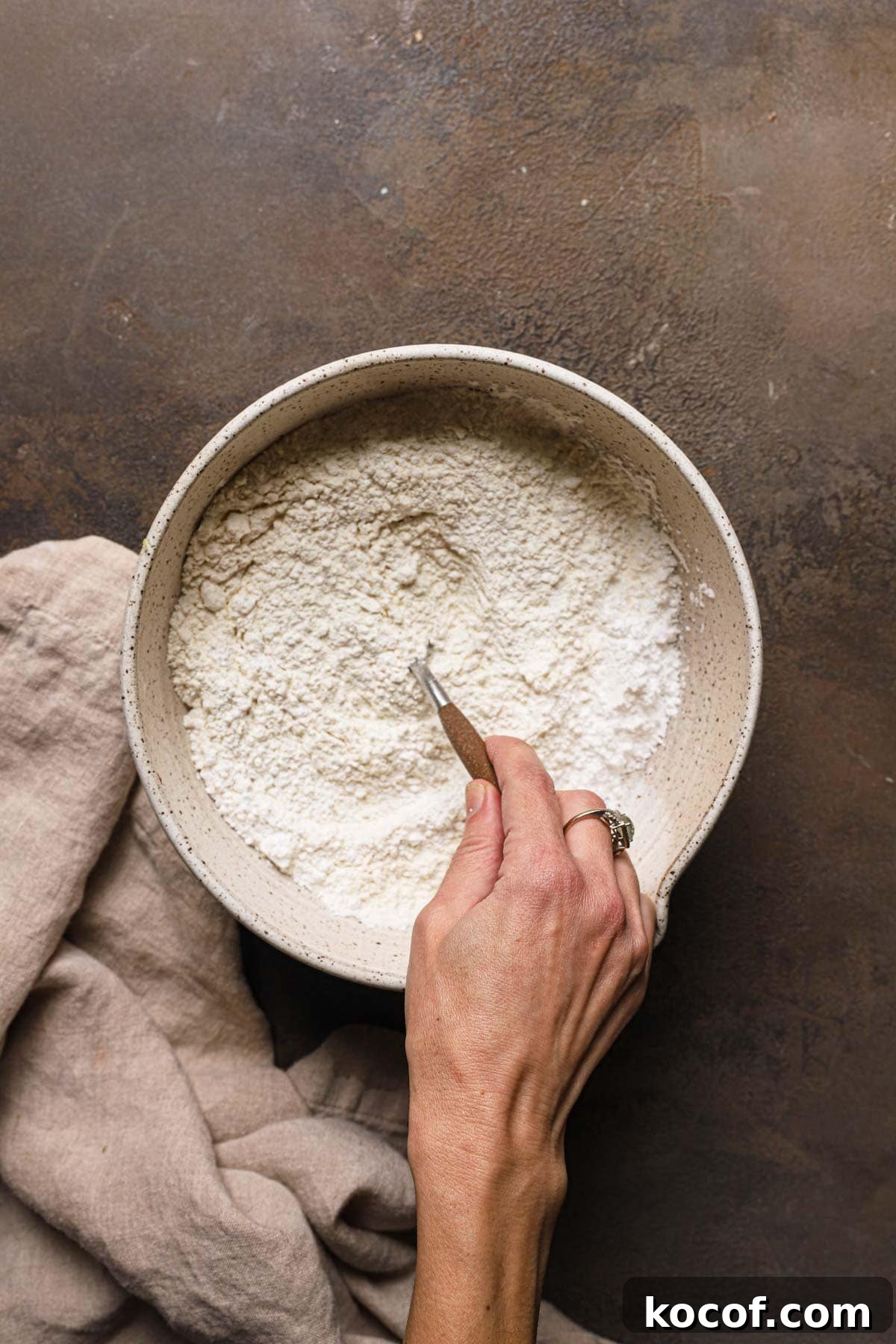
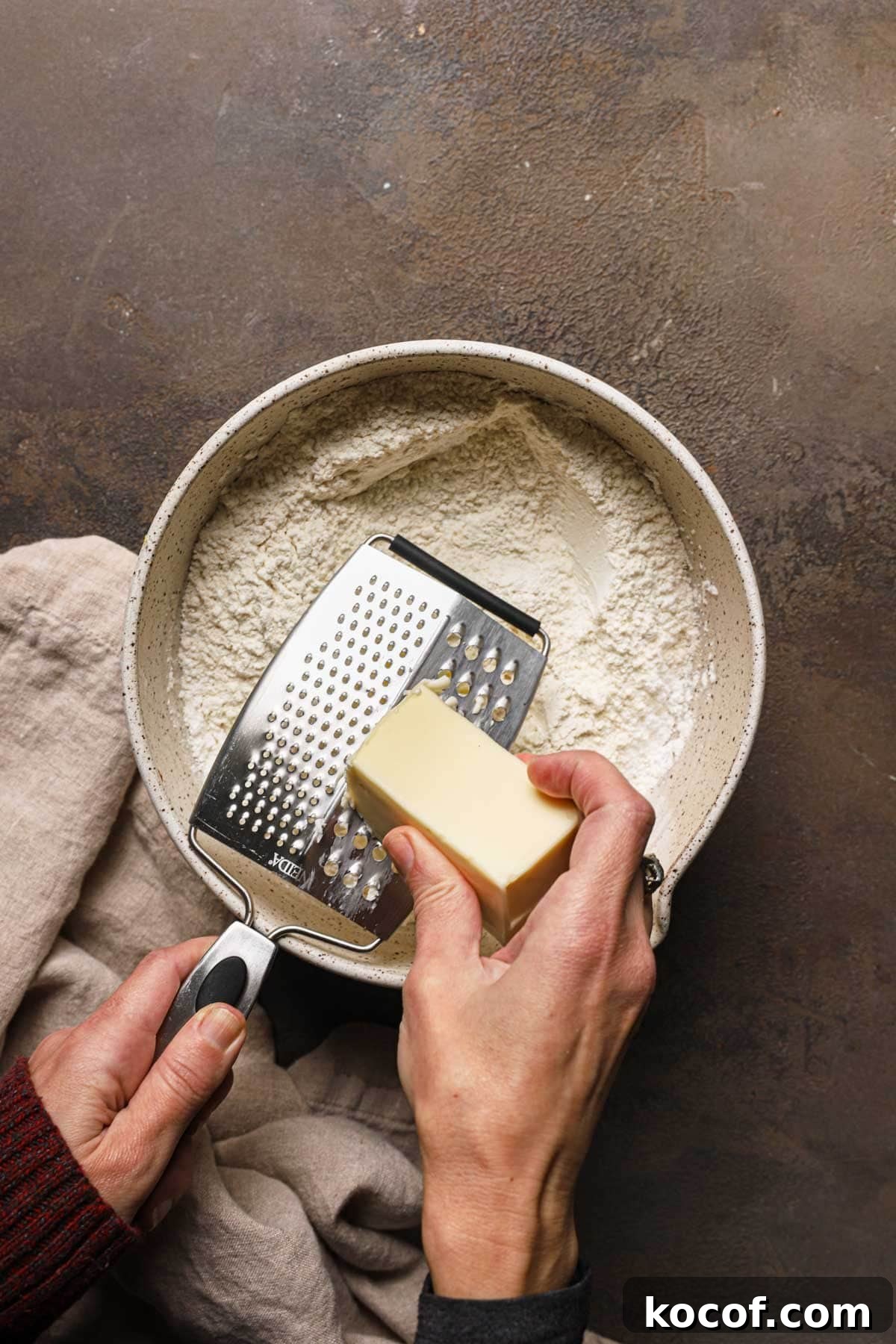
Rolling and Transferring the Dough
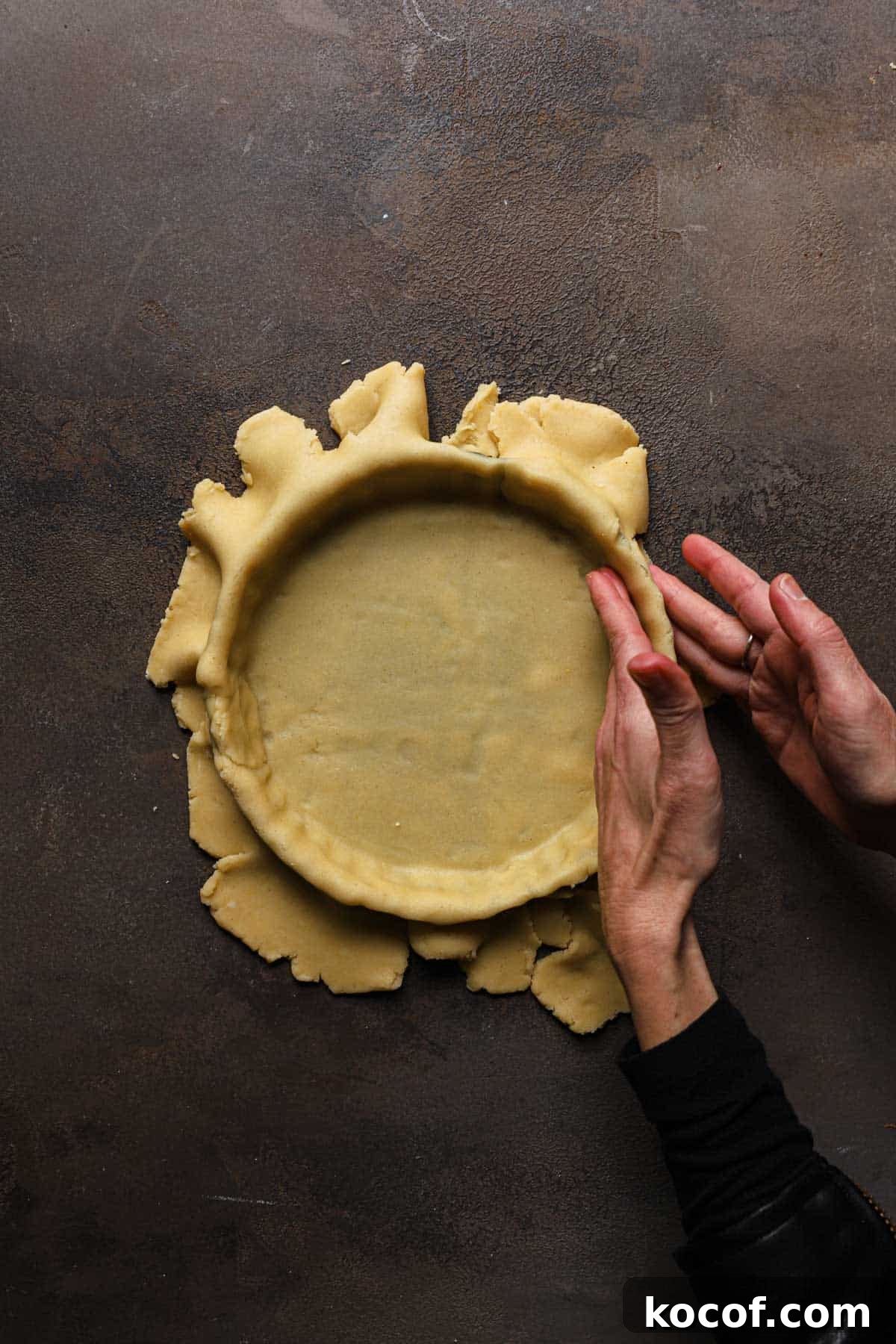
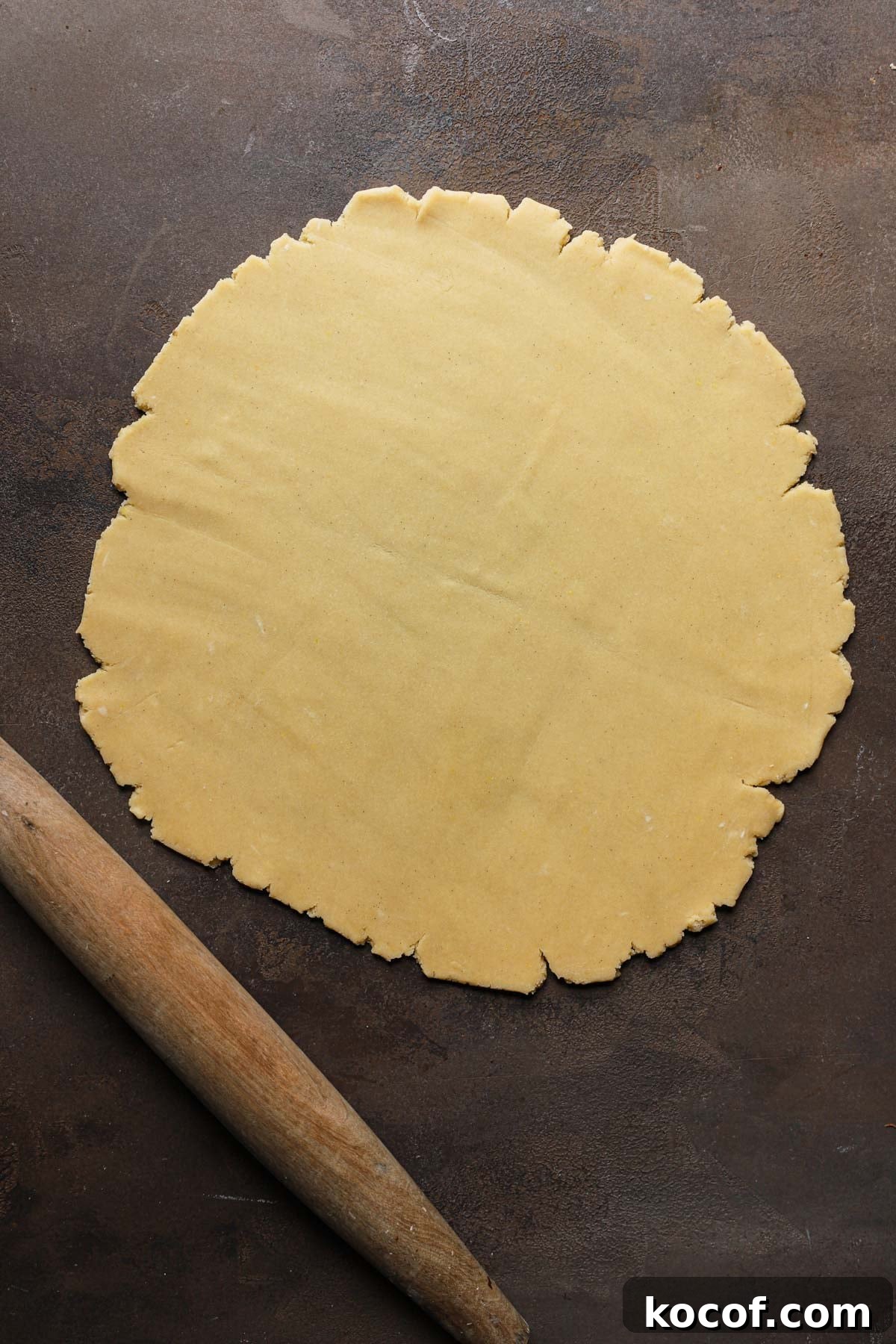
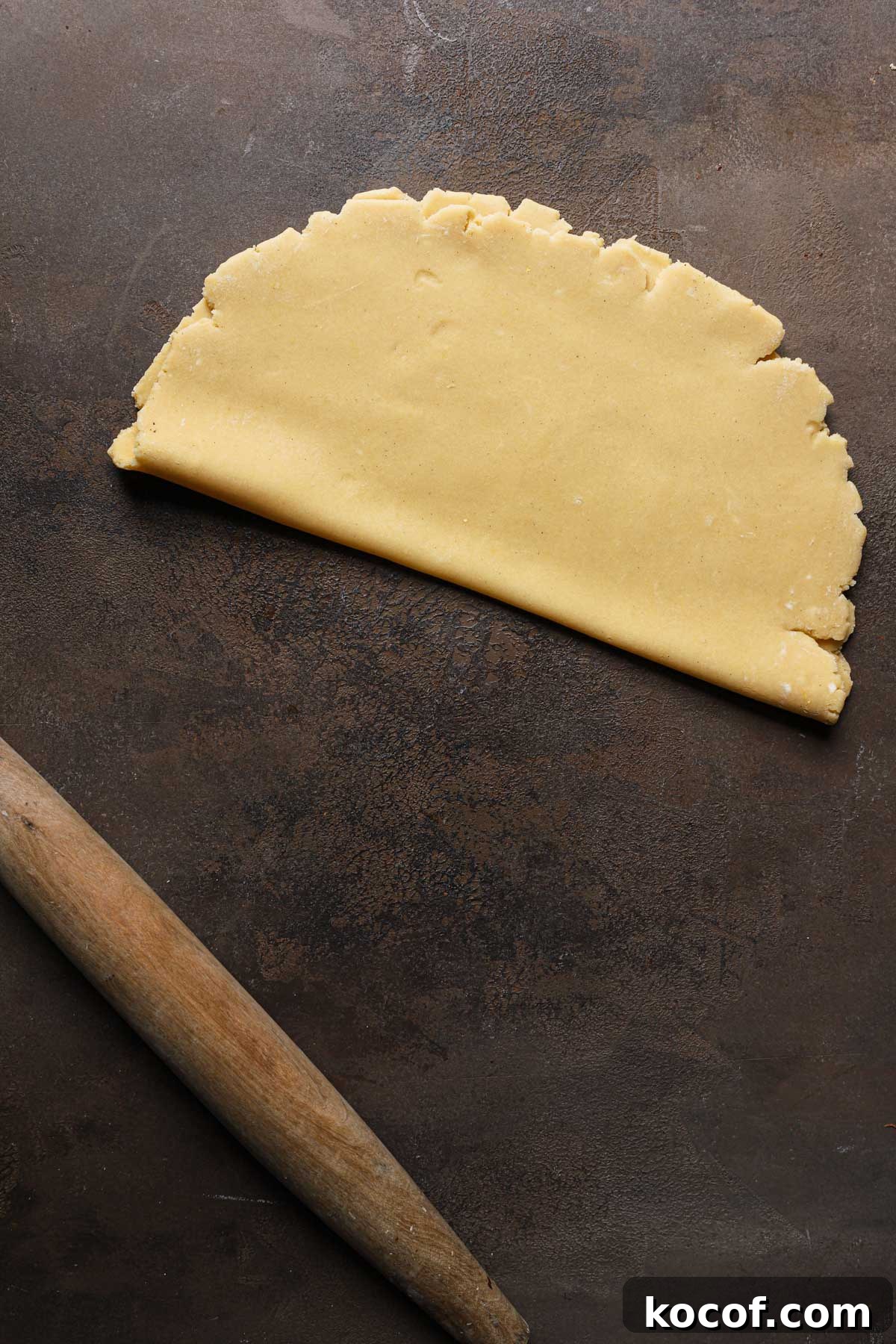
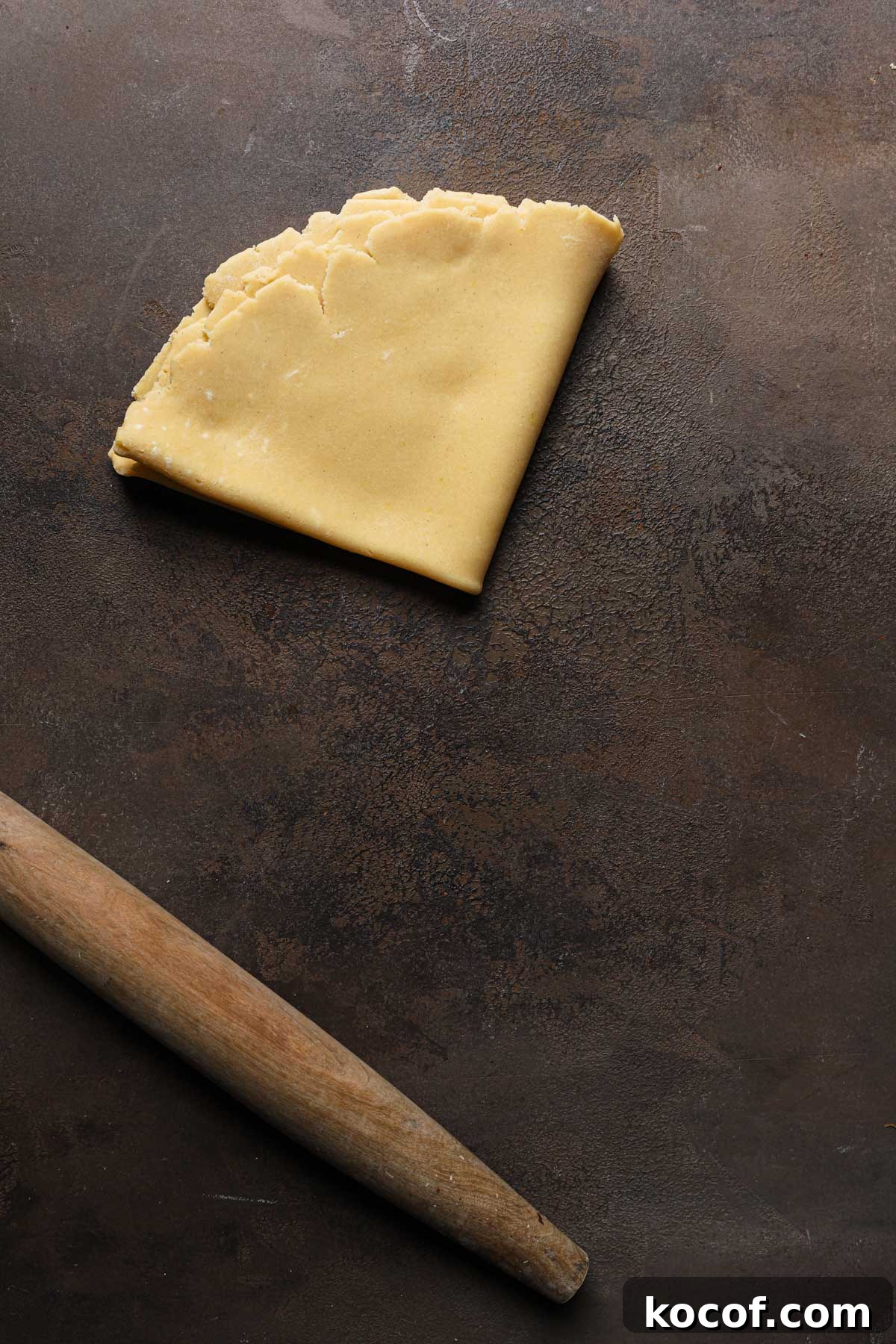
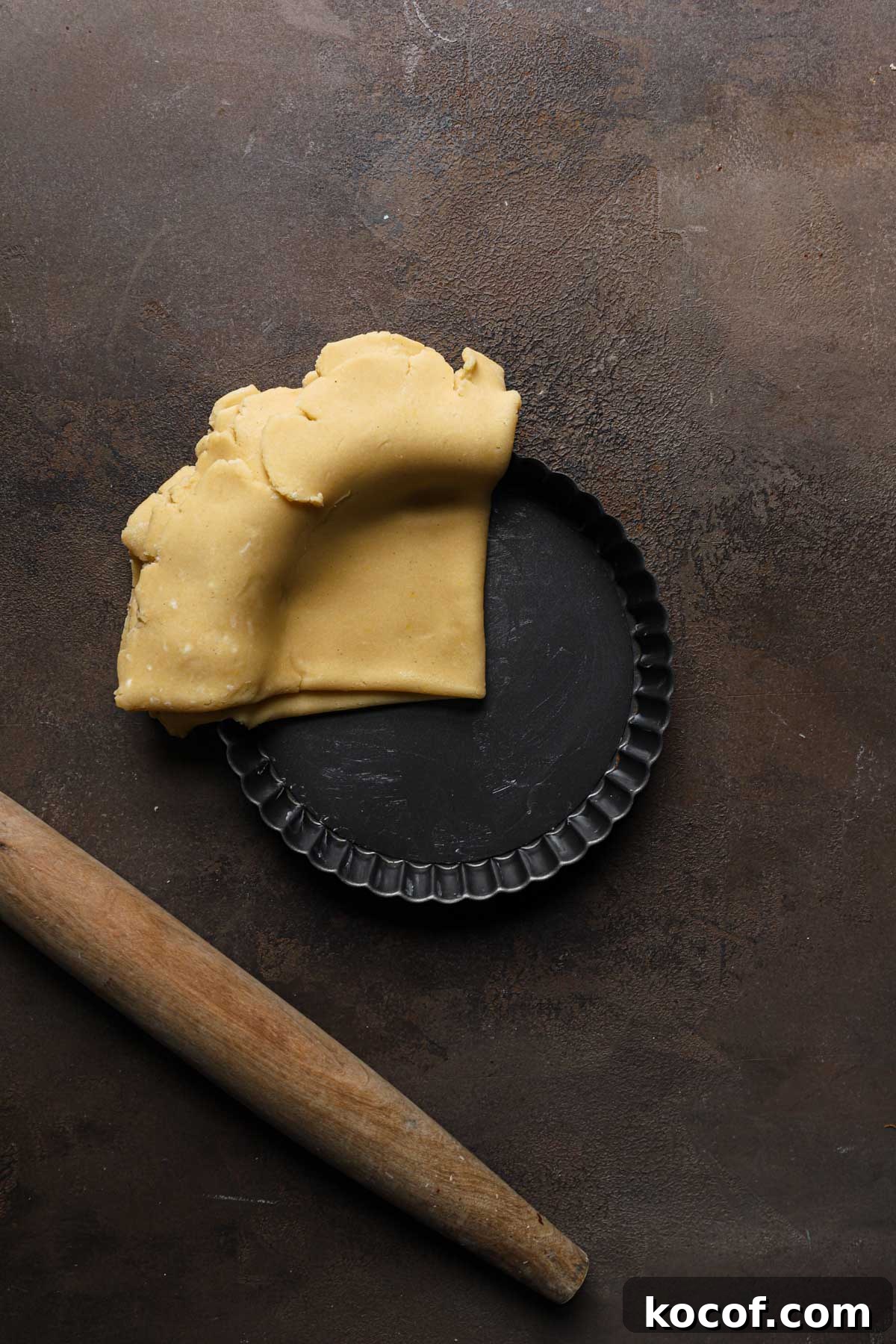
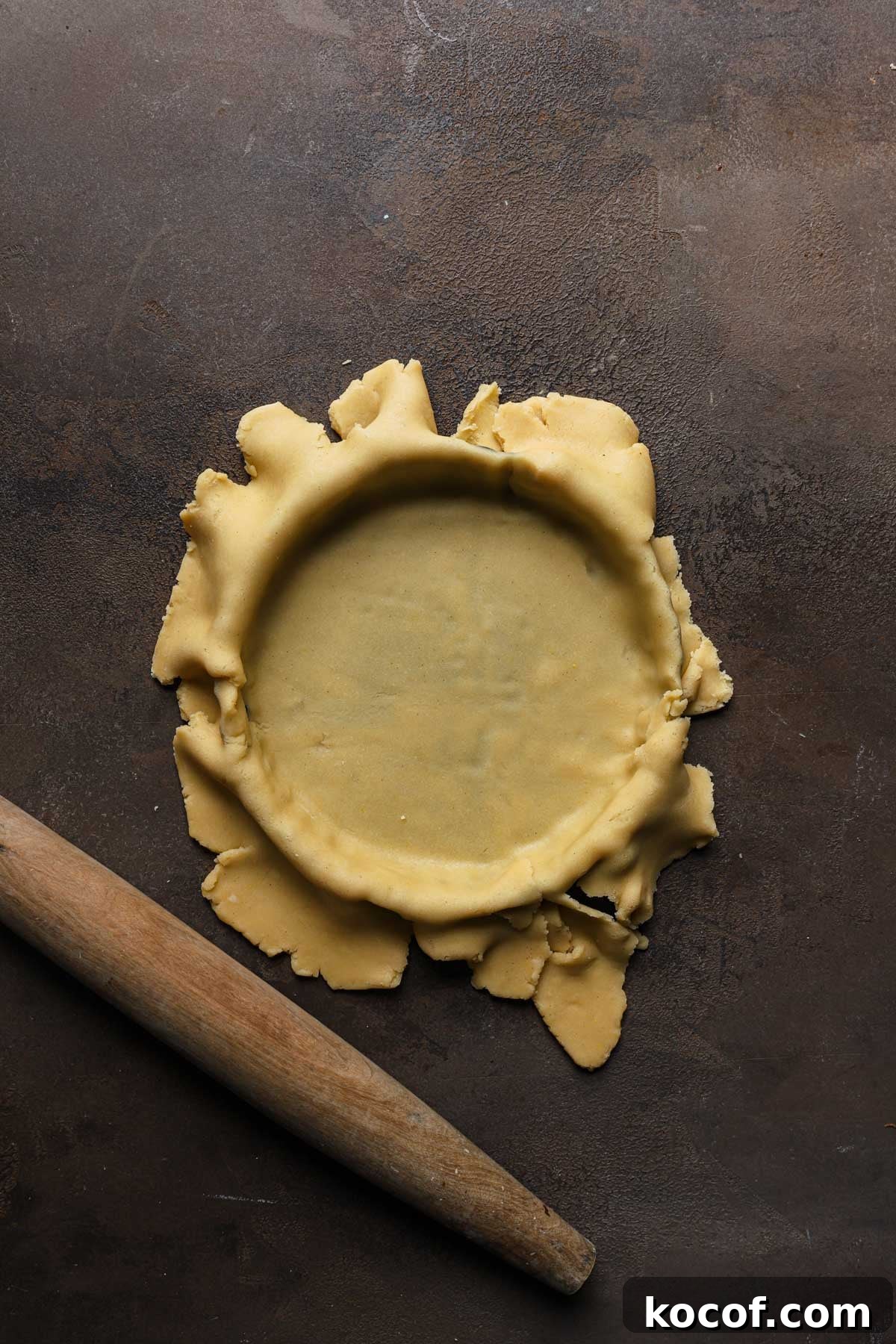
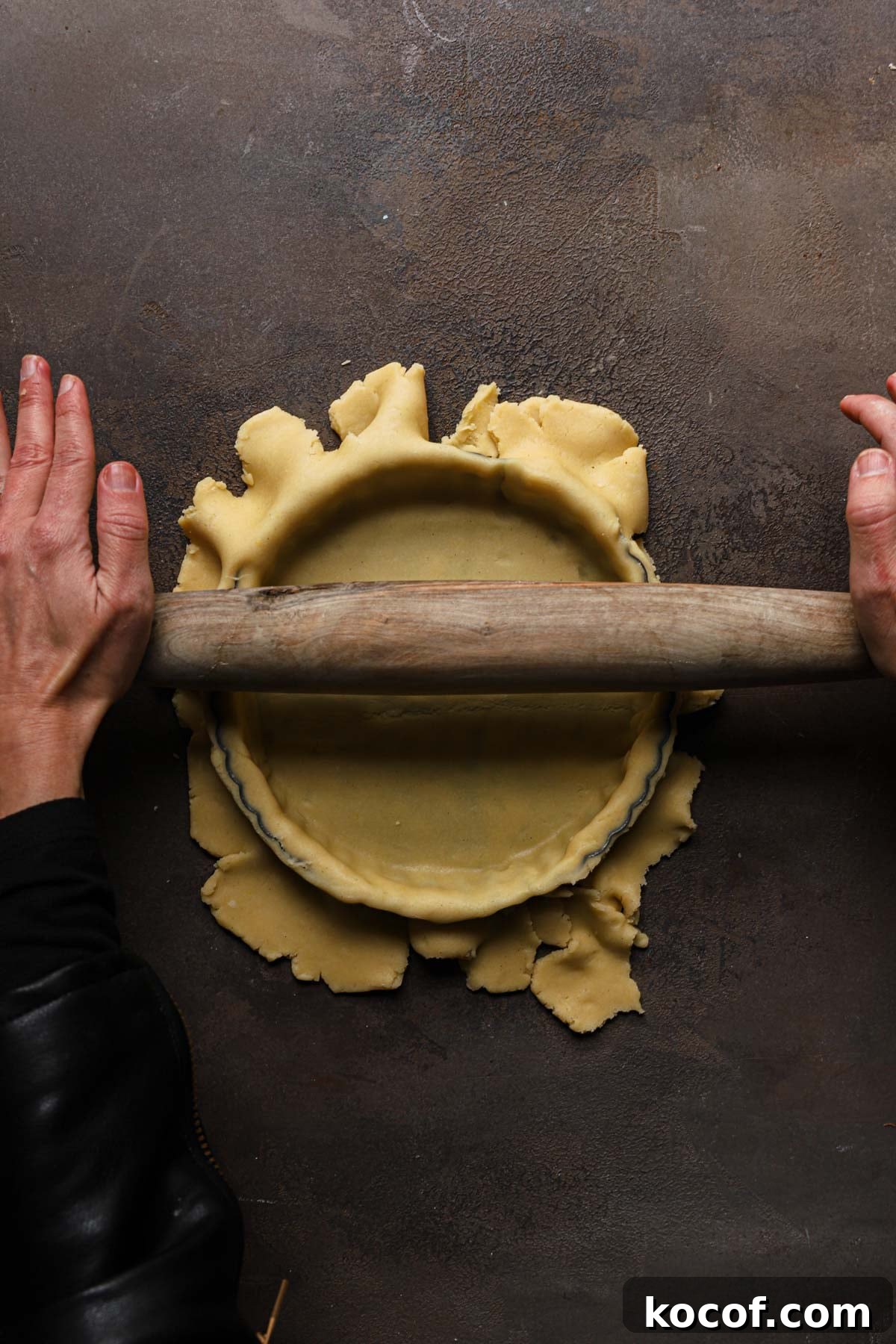
There are many ways to line a pan with shortcrust. To center the dough easily, roll into a circle, fold in half twice to form a triangle, place the triangle tip at the pan’s center, then unfold and press into the pan. If the dough softens while rolling, chill it briefly to firm up.
Blind Bake
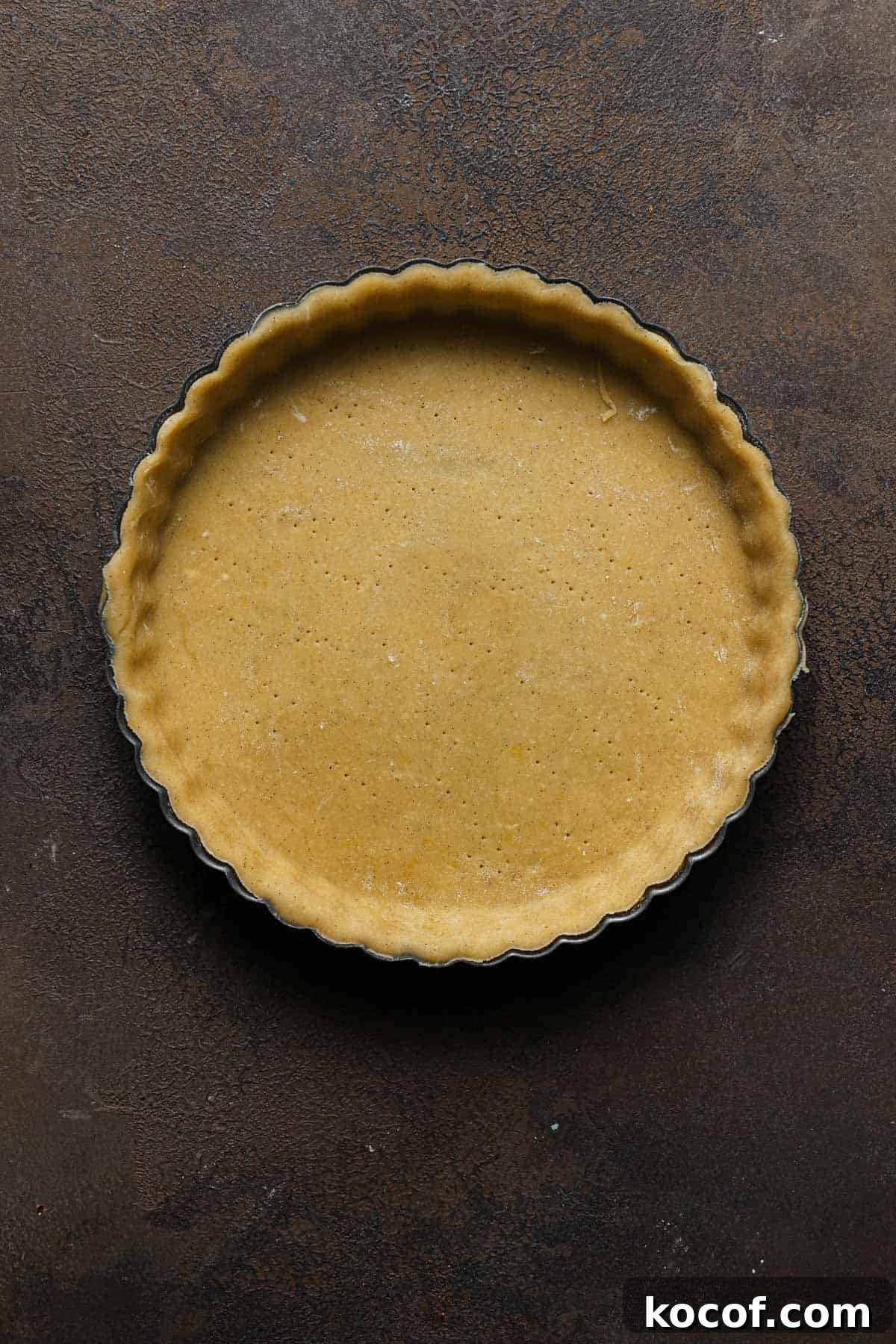
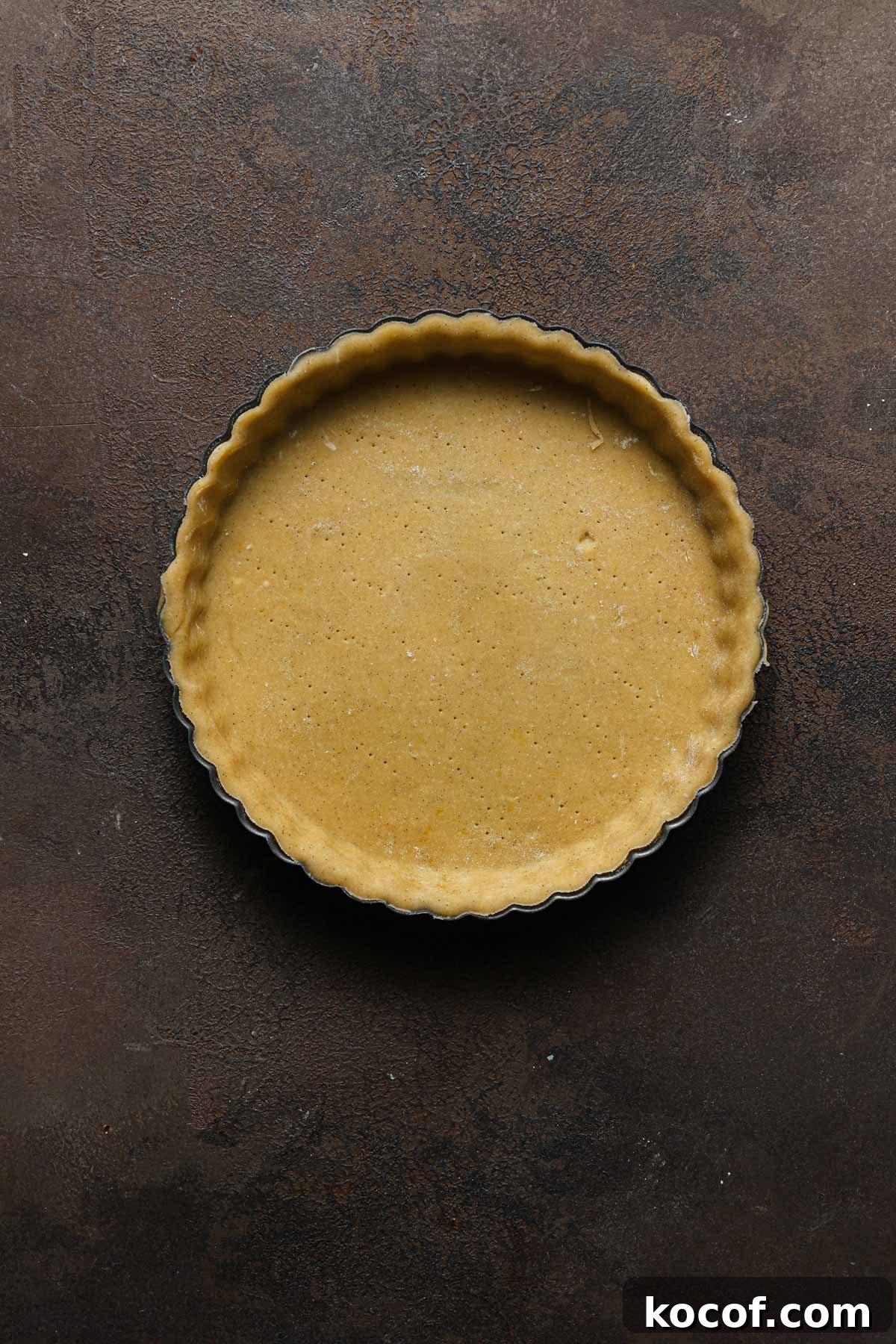
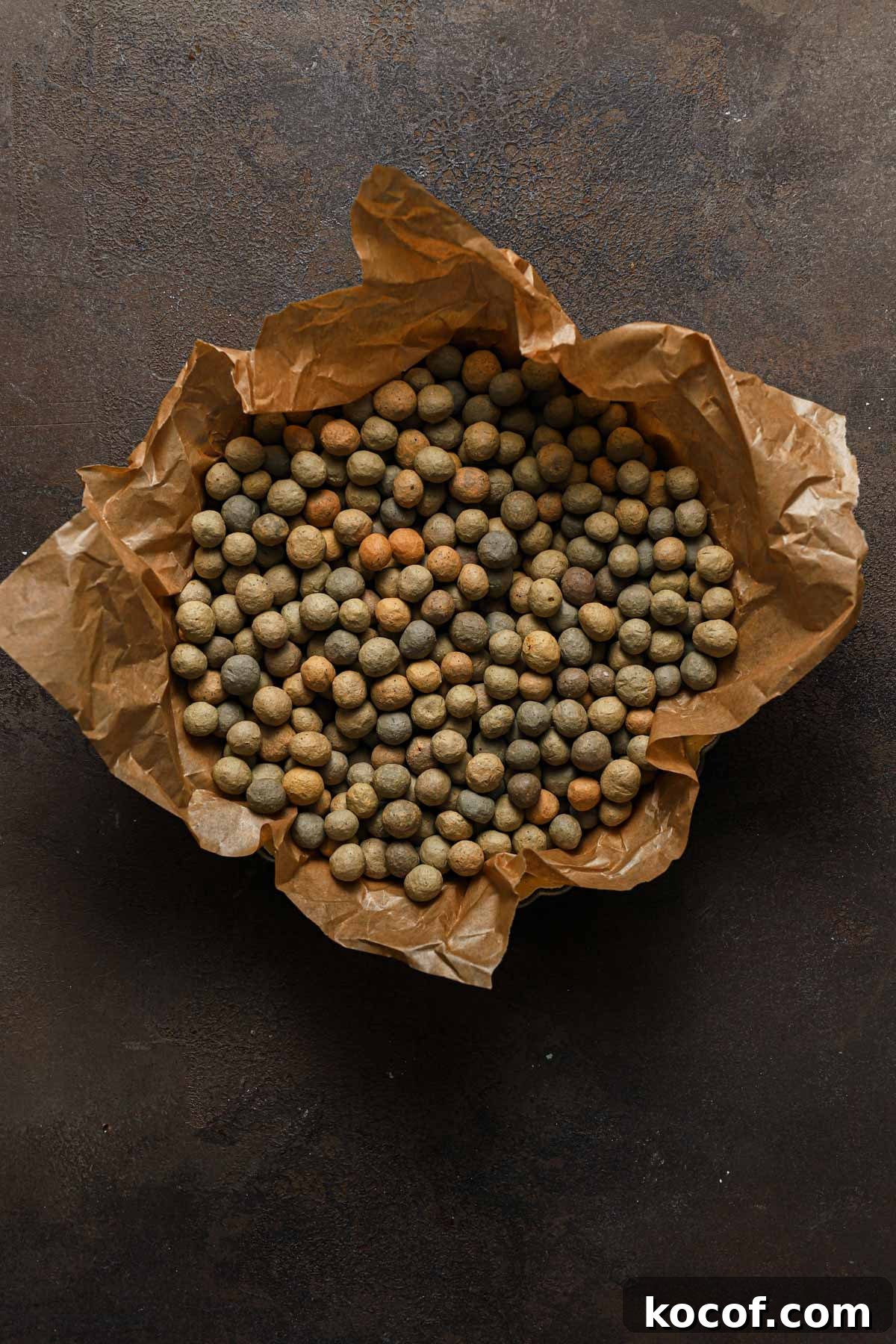
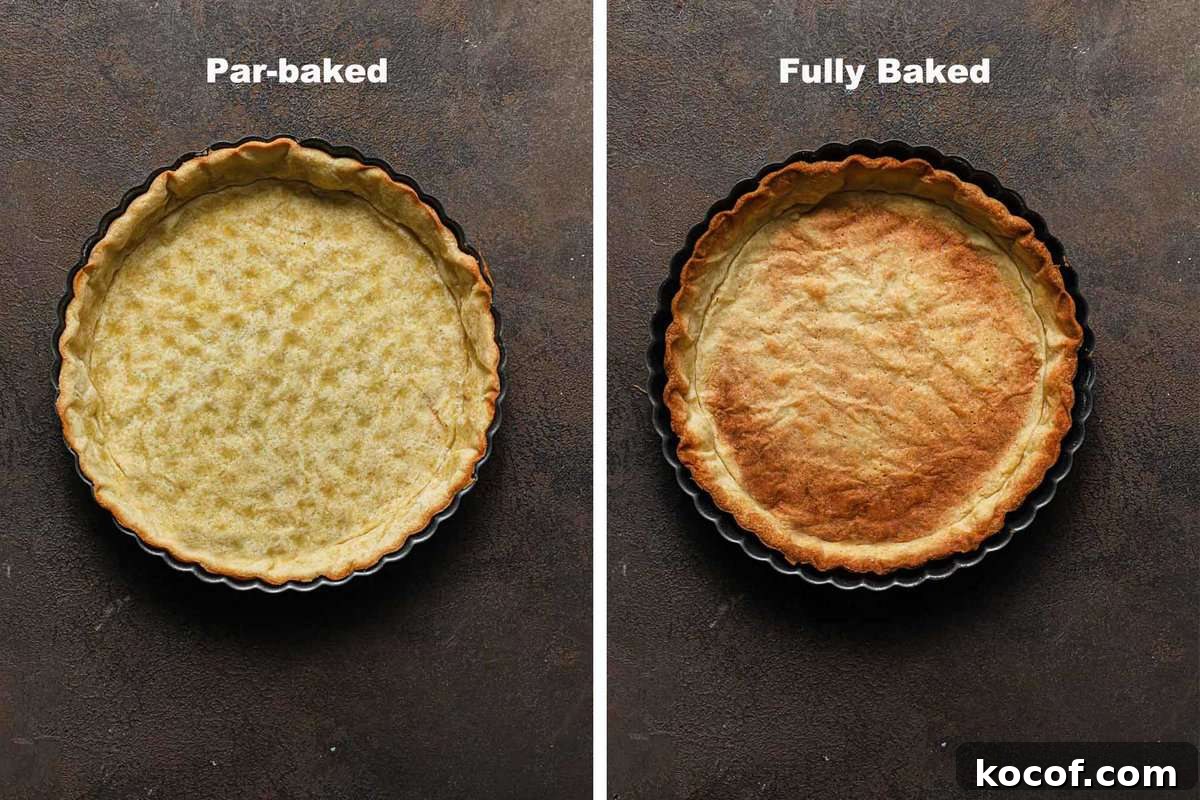
This dough is ideal for fillings made from premade creams and fresh fruit. Prick the bottom with a fork, freeze the lined shell for about 30 minutes, then line with parchment and weights before baking. When you remove the tart from the oven, let it cool with the weights in place for 10–15 minutes before removing them to prevent shrinking.
Storing and Making Ahead
The dough can be refrigerated for up to 3 days or frozen for up to 3 months. Thaw frozen dough overnight in the refrigerator before using; if it’s very firm, let it sit at room temperature for 10–15 minutes before rolling. To freeze, wrap tightly in plastic wrap, place in a freezer bag and freeze.
Baked shells and cookies keep at room temperature for up to five days. If your tart has a perishable filling, follow the appropriate storage instructions for that filling.
Pasta Frolla |Foolproof Multipurpose Shortcrust
10 mins
20 mins
1 9 or 10-inch double crust
Dikla Levy Frances
Ingredients
- 3 3/4 Cups (450g) ’00’ flour
- 1/4 teaspoon baking powder
- 1/2 teaspoon salt
- 1 Cup (120g) powdered sugar
- Zest of half a lemon
- 1 Cup (225g) unsalted butter, cold
- 2 large whole eggs, cold
- 1 teaspoon vanilla bean paste or extract
Instructions
Food Processor Method
- Place flour (450g), baking powder, salt, powdered sugar (120g) and lemon zest in the food processor and pulse 2–3 times.
- Add cold butter (225g) cut into 1/2-inch pieces and process until butter pieces are small.
- Beat the eggs (2) with vanilla and add to the mixture. Process until a smooth dough forms.
- Shape into a disk, wrap in plastic and refrigerate at least 30 minutes or up to three days.
Bowl Method
- Mix flour (450g), baking powder, salt, lemon zest and powdered sugar (120g) in a large bowl.
- Grate or cut cold butter and rub it into the dry ingredients until crumbly.
- Beat the eggs (2) with vanilla, make a well in the center and pour in the eggs.
- Mix gradually from the center, then bring the dough together with your hands.
- Form a disk, wrap and refrigerate at least 30 minutes or up to 3 days.
Rolling and Handling the Dough
- Roll the chilled dough to a 12-inch circle on a lightly floured surface.
- Fold in half, then fold in half again to make a triangle for easy transfer.
- Place the tip of the triangle at the center of a nine-inch tart pan, unfold and press the dough into the pan.
- Trim excess dough with a rolling pin.
Blind Baking
- Preheat oven to 375°F (190°C) and place a baking sheet on the bottom rack.
- Prick the bottom of the dough with a fork, line with parchment and add pie weights or dry beans.
- Bake for 15 minutes, then remove from the oven and let cool with weights in place for 10 minutes before removing them.
- Return the shell to the oven for 5 more minutes for a par-baked crust, or 10–12 minutes for fully baked. Cool completely before filling.
Notes
- Unbaked dough can be refrigerated for up to three days.
- To freeze, wrap tightly and place in a freezer bag for up to six weeks. Thaw overnight in the refrigerator before using.
- Don’t overwork the dough — once it holds together, stop and chill it.
- Blind bake when using unbaked fillings such as custard or fresh fruit.