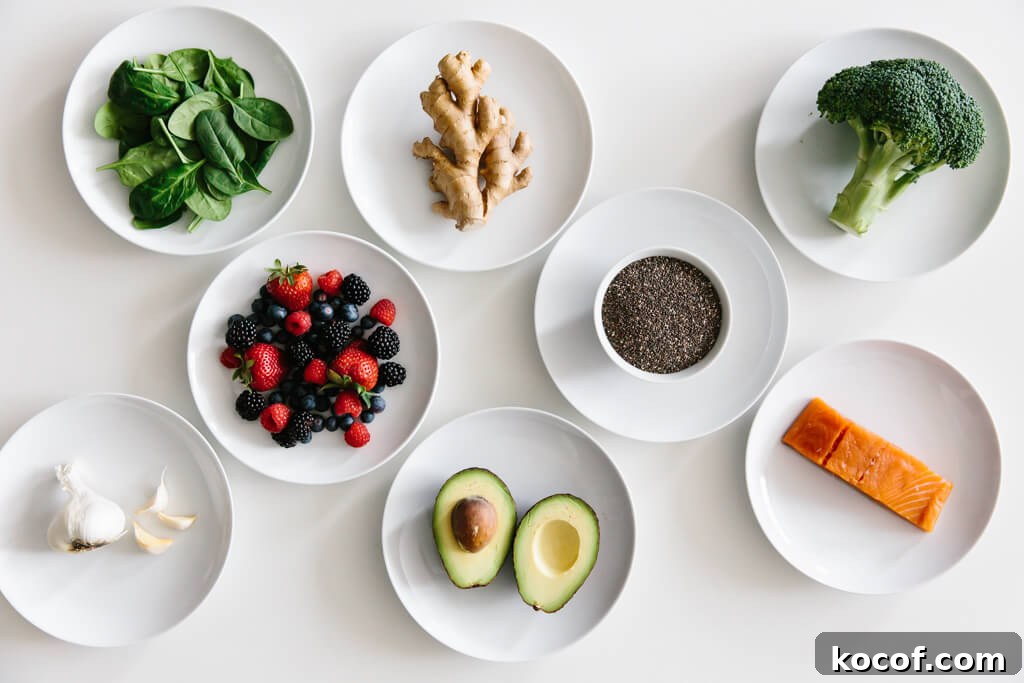
Anti-inflammatory foods are ingredients that research shows can help reduce inflammation throughout the body. They are typically whole, single-ingredient foods that doctors and nutritionists recommend increasing in the diet.
If you have an autoimmune disease, diabetes, heart disease, gut issues, or other inflammatory conditions, adding more of these foods to your meals can be a practical and effective step toward better health.
Can changing your eating habits improve your overall health? Absolutely.
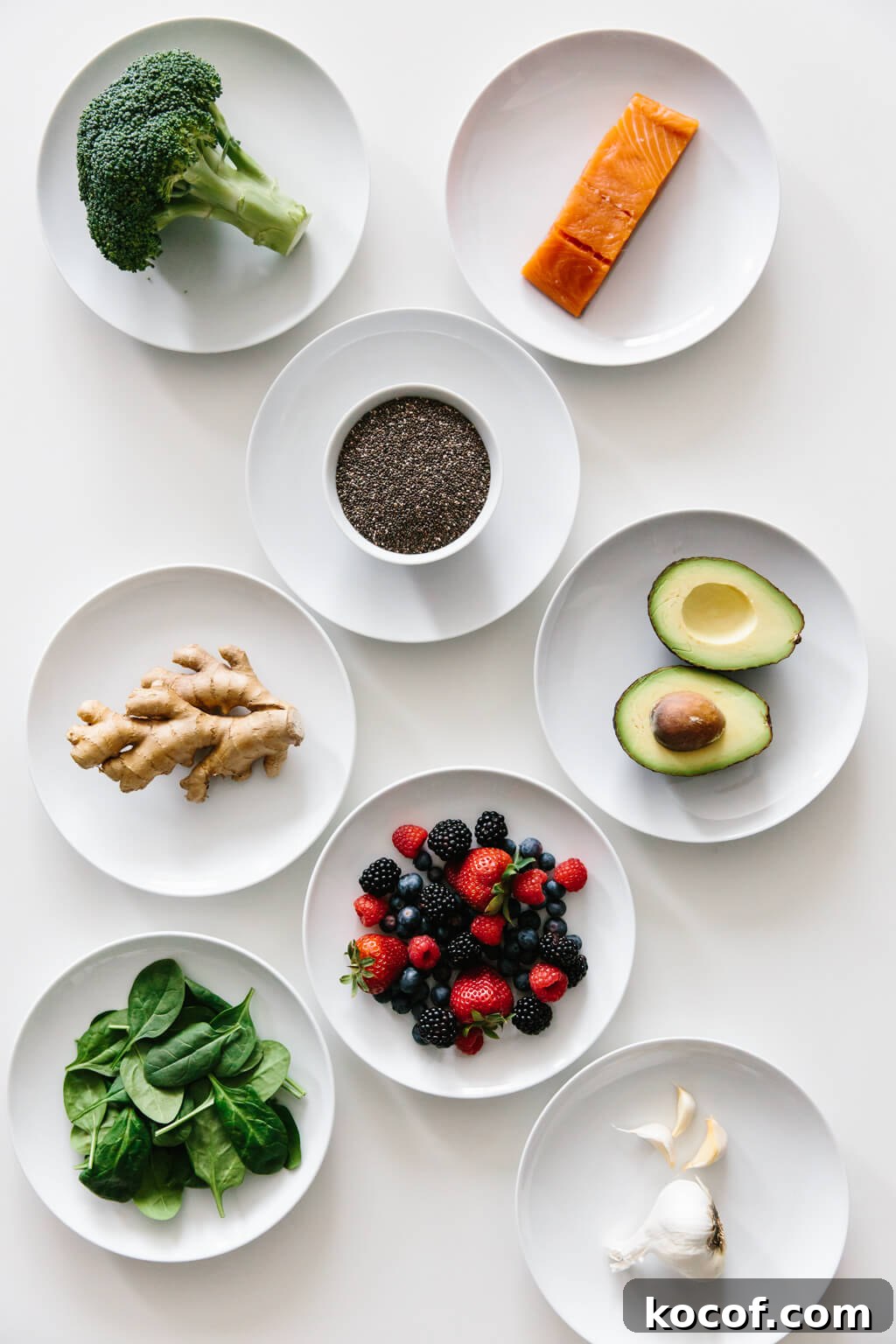
Every meal is an opportunity to choose foods that either promote inflammation or help calm it. Processed snacks, sugary beverages, refined carbohydrates, industrial seed oils, excessive alcohol and some red meats tend to promote inflammation. In contrast, minimally processed single-ingredient foods—fruits, vegetables, nuts, seeds, fatty fish and similar items—are anti-inflammatory and nutrient-dense.
I learned the power of whole, anti-inflammatory foods firsthand when I adopted a whole foods diet after being diagnosed with multiple autoimmune conditions. Cooking real meals at home instead of relying on convenient packaged foods made a major difference in how I felt. My immune system recovered and my overall wellbeing improved.
Anti-Inflammatory Foods Video
Watch the video below to see my favorite anti-inflammatory foods and how I use them in weekly meals.
The Best Anti-Inflammatory Diet
The Mediterranean diet is often recommended as an anti-inflammatory eating pattern because it emphasizes fresh vegetables, fruits, nuts, seeds and seafood—whole foods rich in antioxidants, minerals and healthy fats. However, no single diet fits everyone. If you have food sensitivities—such as to nightshades, shellfish or gluten—some Mediterranean-style recipes might trigger inflammation for you.
Individualized eating is essential. Start with a foundation of whole, nutrient-dense foods and tailor choices to what works best for your body.
8 Anti-Inflammatory Foods I Eat Weekly
Over time I focused my meals on foods that make me feel my best and that are backed by research for reducing inflammation. Below are eight anti-inflammatory staples I include weekly, along with why they’re beneficial and simple recipe ideas for enjoying them.
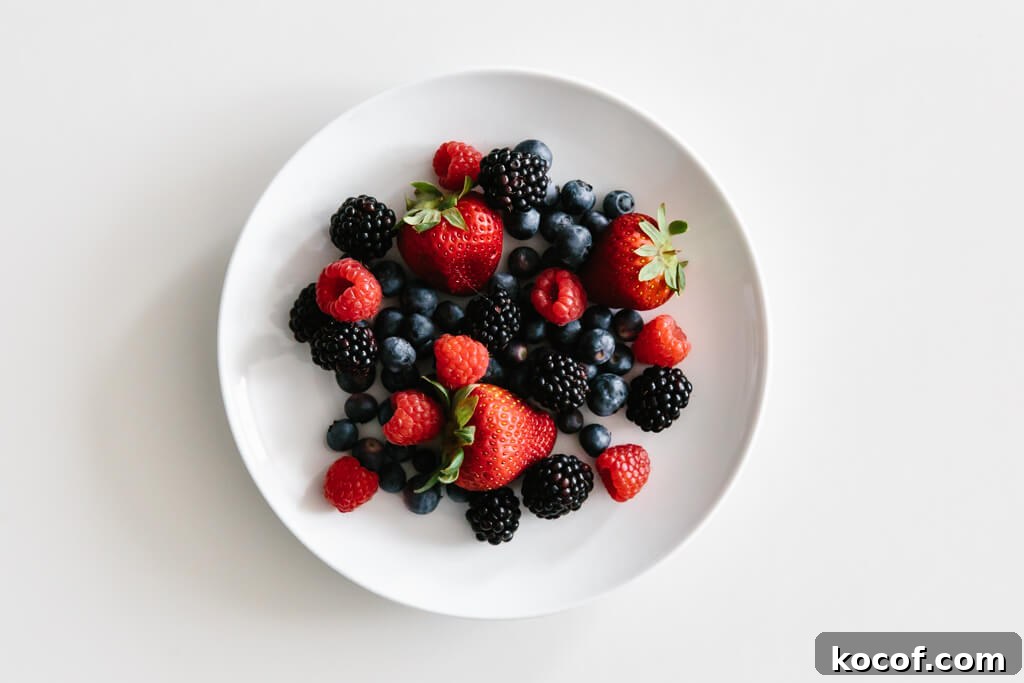
Berries
Berries—blueberries, strawberries, raspberries and blackberries—are rich in anthocyanins and other antioxidants that give them vibrant colors and strong anti-inflammatory effects. Regular berry consumption helps fight oxidative stress, supports cardiovascular health and can improve how cells respond to future inflammatory events. Enjoy berries fresh, blended into smoothies, tossed in salads, or as a topping for yogurt or oatmeal.
Berry Recipes to Enjoy
- Blueberry smoothie
- Spinach and mixed berry salad
- Raspberry vinaigrette
- Strawberry-banana smoothie
- Acai or mixed berry bowl
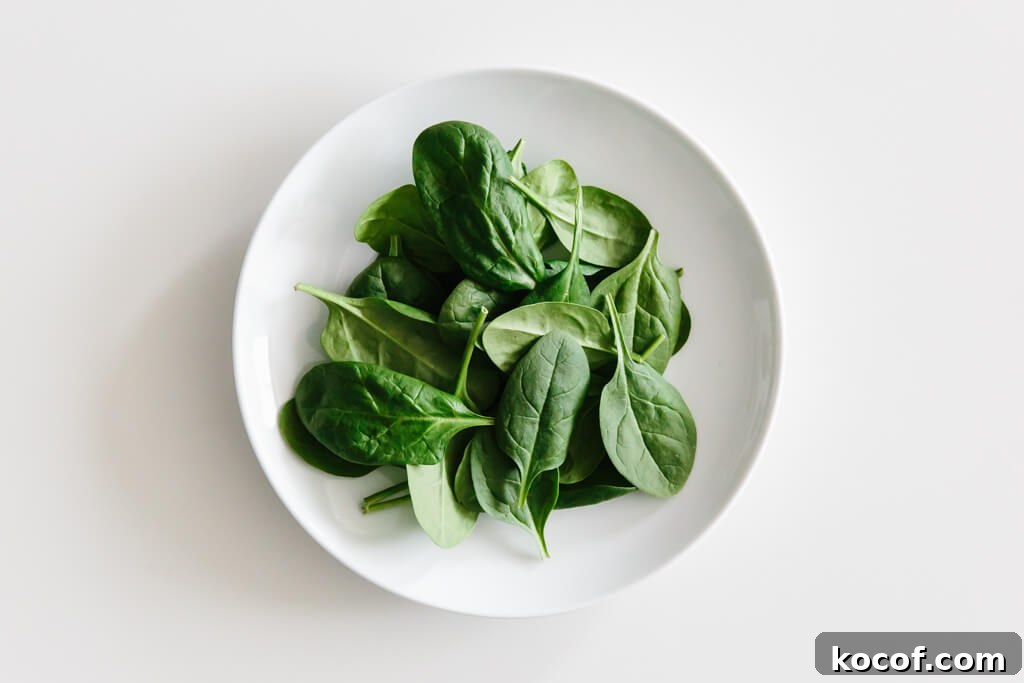
Leafy Greens
Leafy greens—spinach, kale, Swiss chard, arugula and others—are packed with vitamins (A, C, E, K), folate, fiber and minerals. They provide antioxidants, support a healthy gut microbiome, and are linked with slower cognitive decline and reduced inflammation. Add them to salads, smoothies, sautés and soups to boost nutrient density.
Leafy Green Recipes to Enjoy
- Shrimp, asparagus and avocado salad
- Wild rice and arugula salad
- Garlic-sautéed Swiss chard
- Post-workout green smoothie
- Baked kale chips
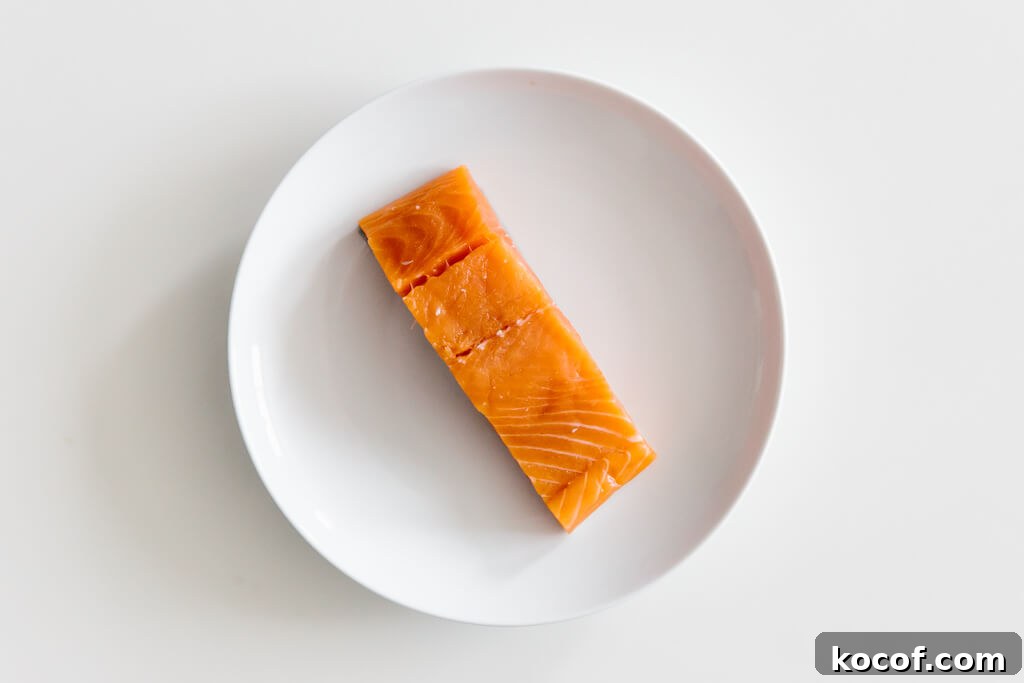
Salmon
Fatty fish such as salmon, trout, sardines, anchovies and mackerel are excellent sources of omega-3 fatty acids (EPA and DHA). These essential fats cannot be made by the body and must come from food. Omega-3s reduce inflammation and support brain health; regular consumption of fatty fish is associated with lower rates of depression and anxiety and benefits for autoimmune conditions.
Salmon Recipes to Enjoy
- Baked or poached salmon
- Dijon-baked or orange-glazed salmon
- Salmon patties or salmon avocado salad
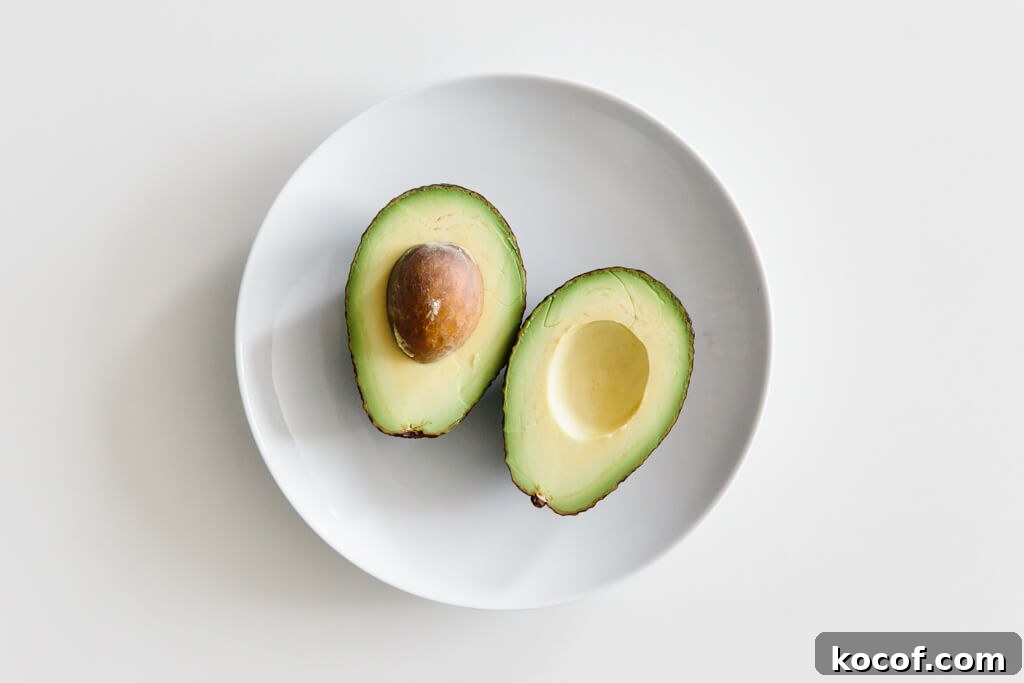
Avocado
Avocados are rich in monounsaturated fats, which help lower cholesterol and reduce joint inflammation. They also supply vitamin K, vitamin C, vitamin E, potassium and trace minerals. Healthy fats from avocados support energy, brain function and absorption of fat-soluble vitamins. Try avocados in salads, dressings, stuffed with tuna or eggs, or blended into sauces.
Avocado Recipes to Enjoy
- Tuna-stuffed avocados
- Avocado egg salad or deviled eggs
- Tomato avocado salad
- Avocado dressing or baked eggs in avocado
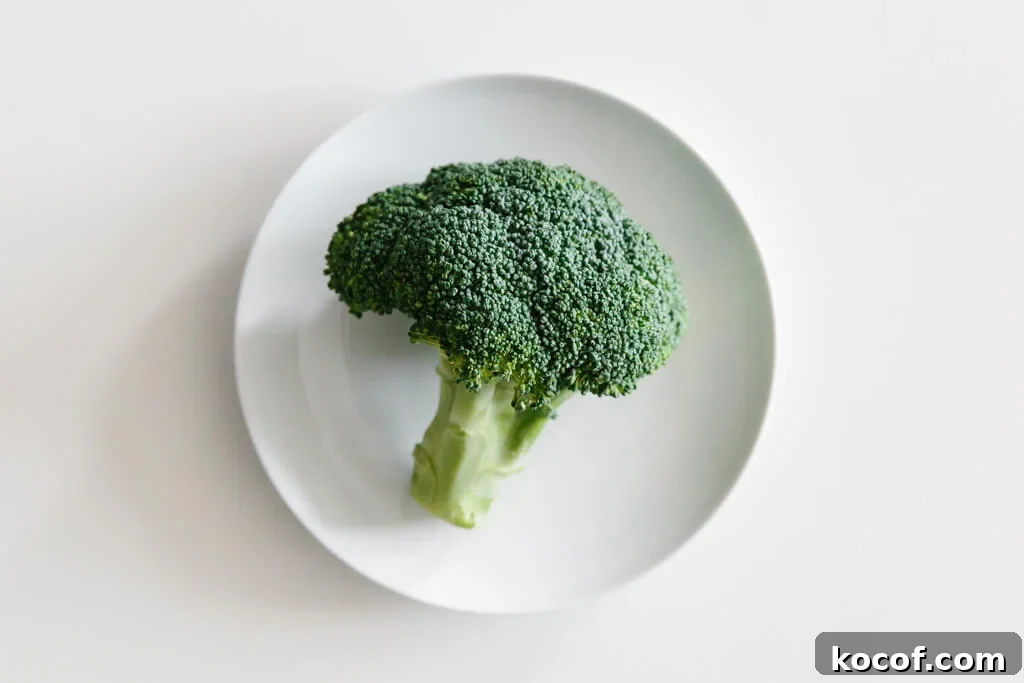
Broccoli
Broccoli and other cruciferous vegetables like cauliflower and Brussels sprouts contain vitamins, fiber, phytochemicals and powerful antioxidants. Broccoli’s sulforaphane is a widely studied compound with protective effects, including detoxification of harmful substances and potential cancer-protective properties. Enjoy cruciferous vegetables roasted, steamed, riced or blended into soups and salads.
Broccoli and Cruciferous Recipes to Enjoy
- Steamed, roasted or air-fryer broccoli
- Roasted cauliflower or mashed cauliflower
- Broccoli salad or roasted cauliflower soup
- Cauliflower rice tabbouleh or casseroles with broccoli
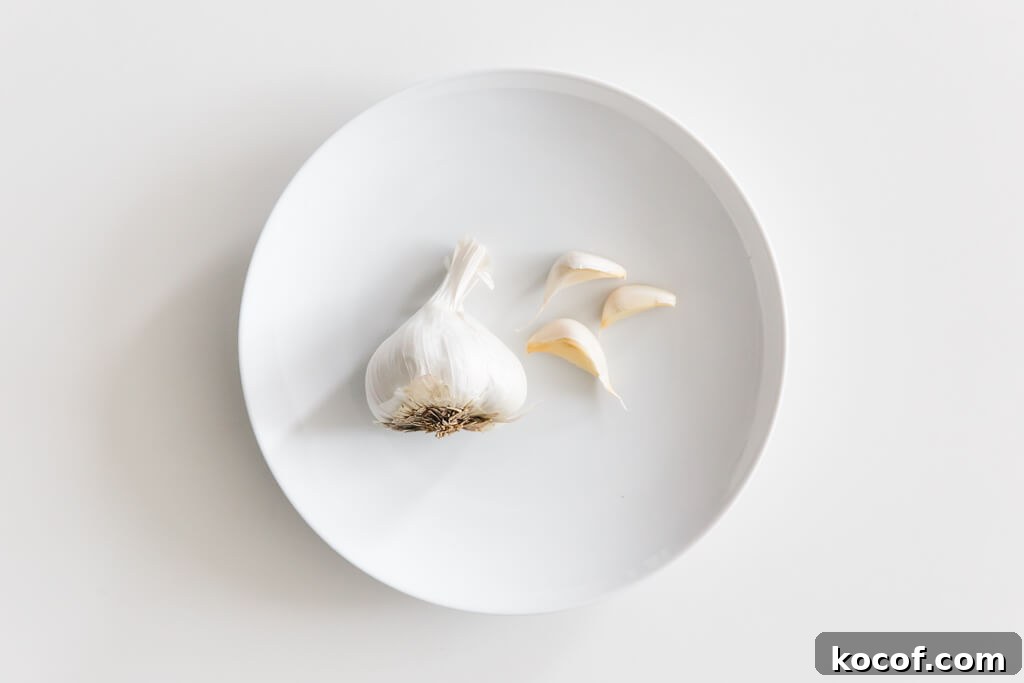
Garlic
Used medicinally for centuries, garlic has anti-inflammatory, antiviral and antifungal properties. It contains compounds such as quercetin and sulfur-containing molecules that support immune function and may help prevent cancer. Garlic also reduces inflammation and can ease symptoms of arthritis. Use fresh garlic to flavor dishes, sauces, soups and sautés.
Garlic Recipes to Enjoy
- Garlic butter shrimp or garlic-herb baked fish
- Garlic-ginger bok choy
- Garlic-sautéed greens and classic chicken soup
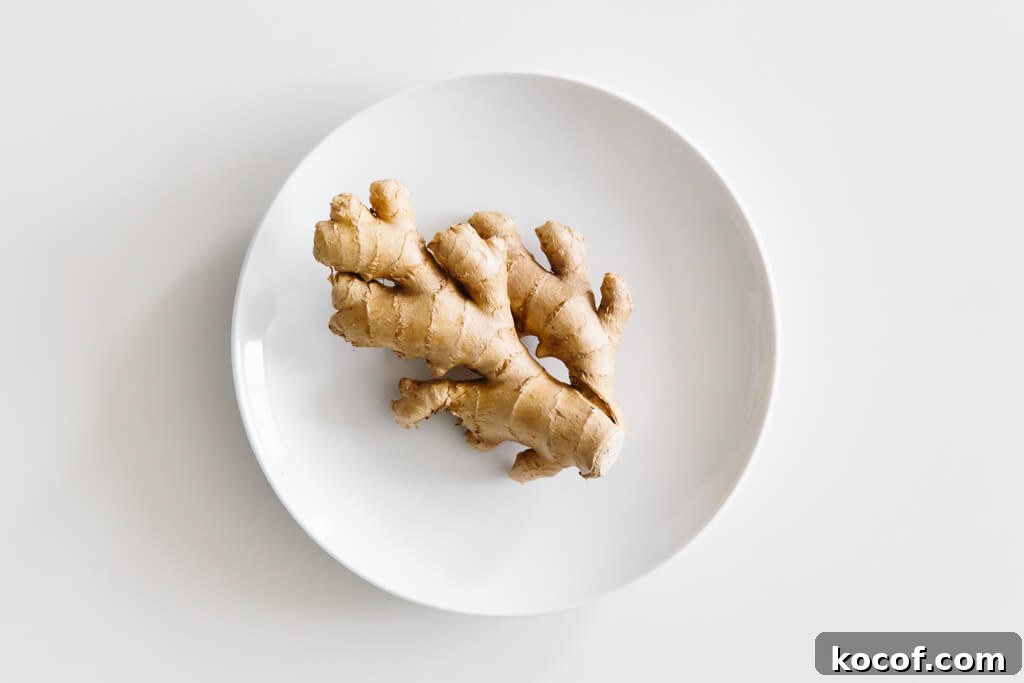
Ginger
Ginger has long been valued for its healing properties. It relieves nausea, supports digestion and contains bioactive compounds called gingerols that reduce inflammation and block pain-promoting pathways. Ginger also supports gut motility and has been studied for its role in colorectal health and immune support. Fresh ginger, teas, soups and smoothies are great ways to use it.
Ginger Recipes to Enjoy
- Carrot-ginger soup
- Golden milk (turmeric milk) and turmeric-ginger tonics
- Turmeric-ginger smoothies and pickled ginger
- Dishes featuring citrus-ginger sauces for seafood
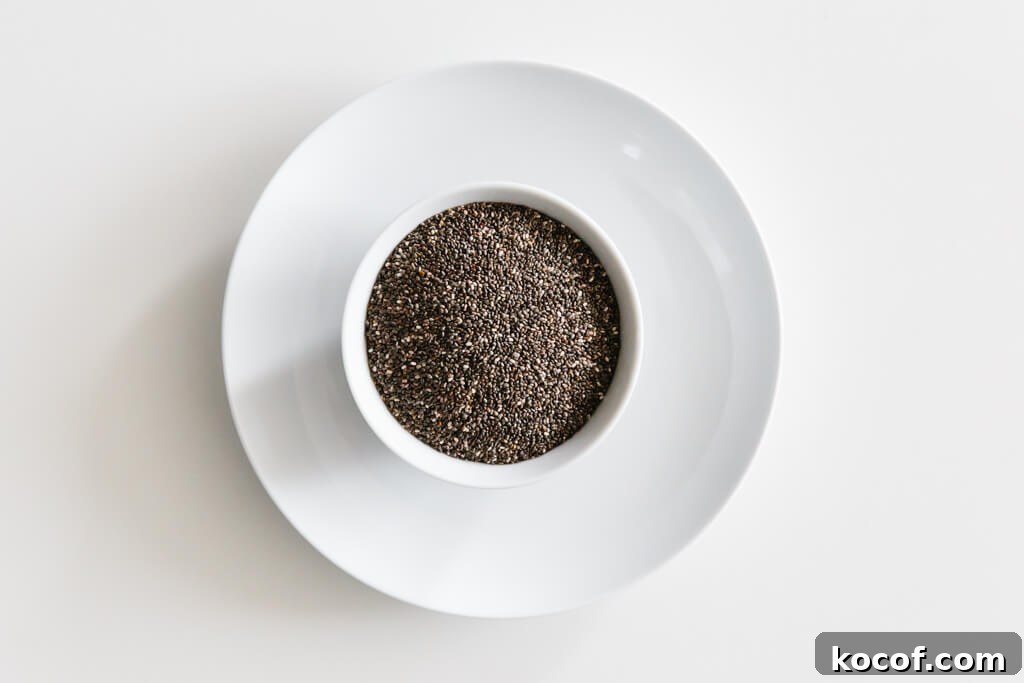
Chia Seeds
Chia seeds are an ancient source of nutrition that provide fiber, antioxidants and plant-based omega-3s. Their high fiber content supports balanced blood sugar and gut health, while the omega-3s help correct the modern imbalance between omega-6 and omega-3 fatty acids. Chia seeds are easy to add to puddings, overnight oats, smoothies, crackers and jams.
Chia Seed Recipes to Enjoy
- Chia seed pudding or chia jam
- Overnight oats with chia
- Seed crackers or chia-based popsicles
Want more anti-inflammatory recipes? Try anti-inflammatory drinks like smoothies, teas and tonics to boost wellness throughout the day.
I hope this guide helps you see how these simple, nutrient-dense foods can support reduced inflammation and better overall health. Combine whole foods with daily healthy habits to get the best results for your body.
Anti-Inflammatory Foods To Eat Weekly
Read 86 Comments
Description
Ingredients
- 1 head broccoli
- water, (fill your pot with 1 inch of water)
- salt and pepper, to taste
Instructions
-
Bring one inch of water to a boil in your pot.
-
While you’re waiting for your water to boil, cut the head of broccoli into florets.
-
Place a steamer basket in the pot, add the broccoli, reduce heat to medium, cover and steam 5–6 minutes for tender-crisp broccoli.
Lisa’s Tips
- This is a versatile steamer basket that fits many pot sizes and has an easy-to-grab handle.
Nutrition
©Downshiftology. Content and photographs are copyright protected. Sharing of this recipe is encouraged; copying full recipes to social media is not permitted.
Originally posted April 2019, updated with new information.