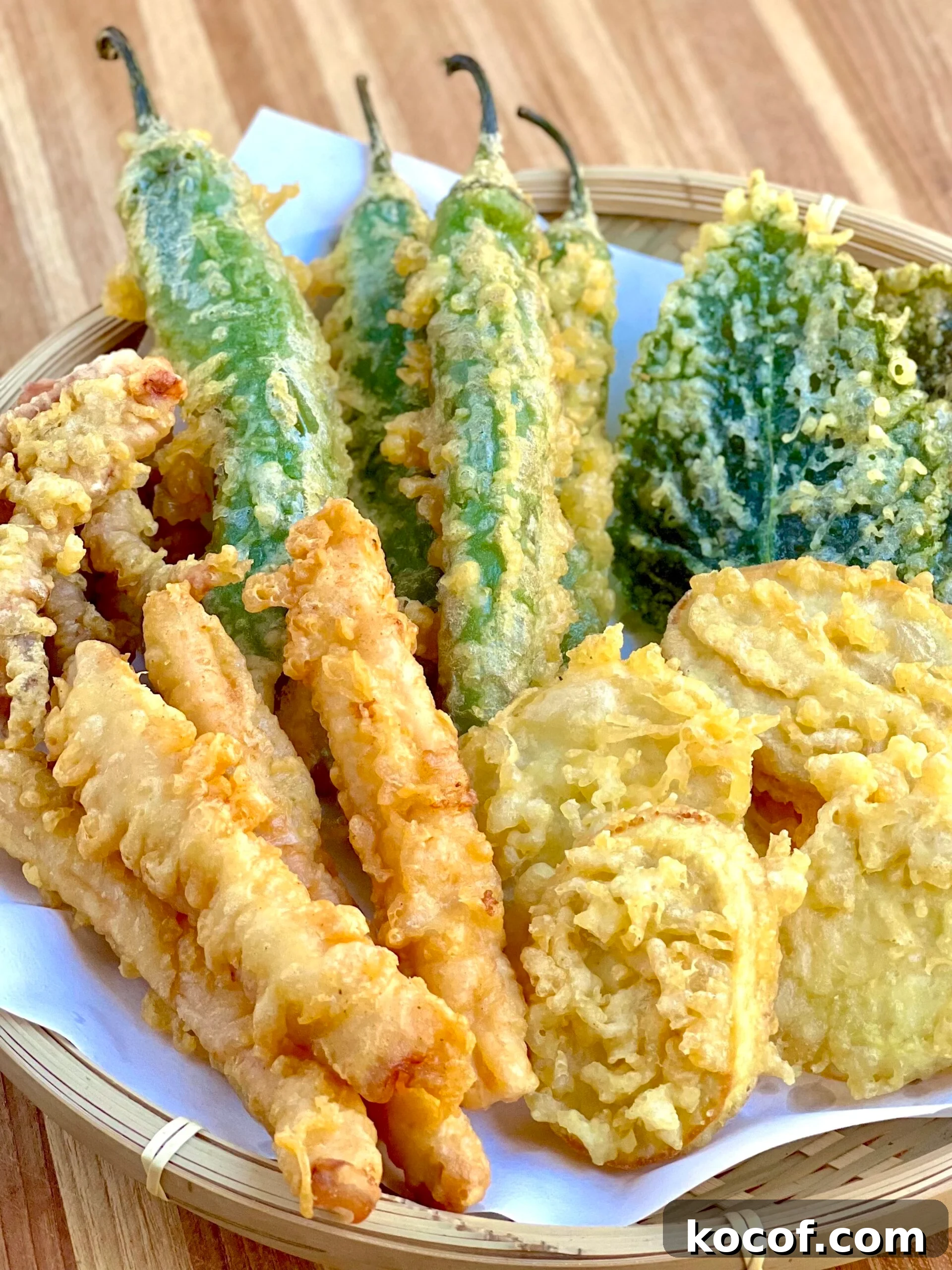
Twigim is one of my favorite Korean street foods and a dish I grew up eating at home. It is similar to Japanese tempura: vegetables, seafood, or meat are dipped in a light batter and deep fried until crisp. Twigim is commonly sold by street vendors in Korea and is often enjoyed with tteokbokki or a simple dipping sauce.
While you can buy premixed twigim batter powder, it’s easy to make a reliable batter at home using common pantry ingredients. Below I describe the batter ingredients, frying tips, favorite pieces to fry, and reheating instructions so you get consistently light, airy, and crunchy twigim.
Batter
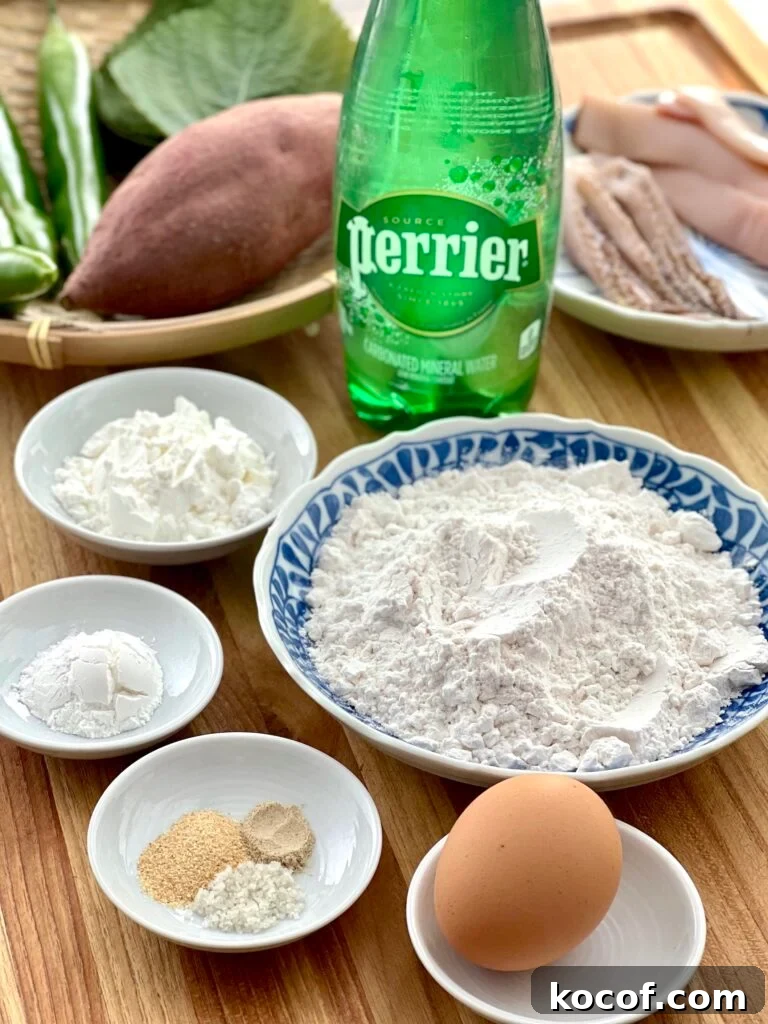
For the best light and crispy coating, use the following components:
- Cake flour – Cake flour has less gluten than all-purpose flour, making a lighter coating. If you don’t have cake flour, all-purpose will work but will be slightly heavier.
- Cornstarch – Adds extra crunch to the batter.
- Baking powder – Creates a craggy texture and helps draw moisture to the surface so it evaporates during frying, which improves crispness.
- Seasoning – A touch of sea salt, garlic powder, and white pepper (black pepper is fine if you don’t have white; it will leave tiny black specks).
- Egg – Beat the egg before adding to the batter to help bind and create structure.
- Ice-cold club soda or water – Club soda makes the batter lighter and airier; whichever you choose should be very cold.
The batter should be thin and runny. Thicker batter will create a heavier, crunchier coating rather than the delicate, crispy texture you want.
Tips for frying
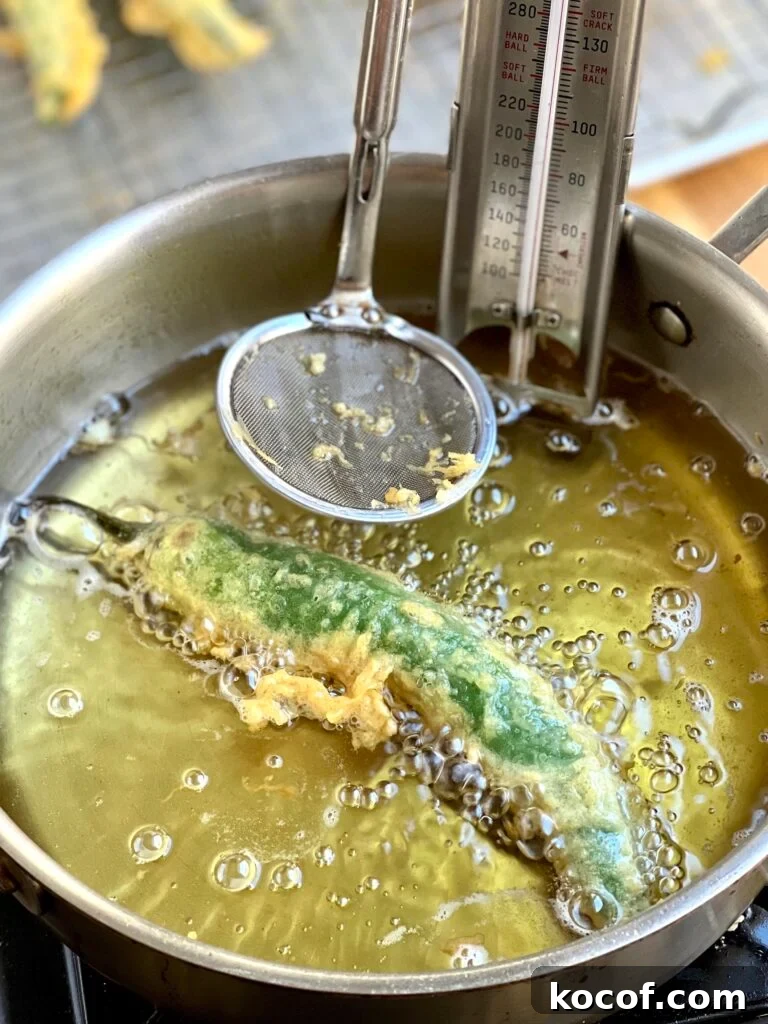
Oil temperature and timing: I find 350°F (about 175°C) works well for most vegetables and seafood pieces that cook quickly. For thicker or tougher items that require longer cooking—such as thicker potato slices or certain cuts of meat—lower the temperature to around 320°F (160°C) and fry a bit longer so the center cooks without burning the exterior.
Use a thermometer: Consistent oil temperature is key to crisp, evenly cooked twigim. A frying thermometer removes guesswork and prevents oil from running too hot or cooling too much when you add pieces.
Drizzle extra batter for texture: While frying, you can drizzle a little extra batter over each piece to create a craggy edge. This adds extra crunch and a more interesting texture. It’s optional and not necessary for delicate items like perilla leaves.
Do not overcrowd the pan: Fry in small batches. Adding too many pieces at once lowers the oil temperature and yields soggy results.
Keep the oil clean: Batter bits will fall into the oil while frying. Skim these crumbs regularly and discard them so they don’t burn and negatively affect the flavor. If you prefer, you can save the crisp crumbs to use as a garnish later.
Double fry if needed: Double frying is optional but helpful for very moist ingredients (like squid) to achieve extra crunch. Fry once to cook through, rest briefly, then fry again at a higher temperature for a short time to crisp.
Favorite vegetables and proteins for twigim
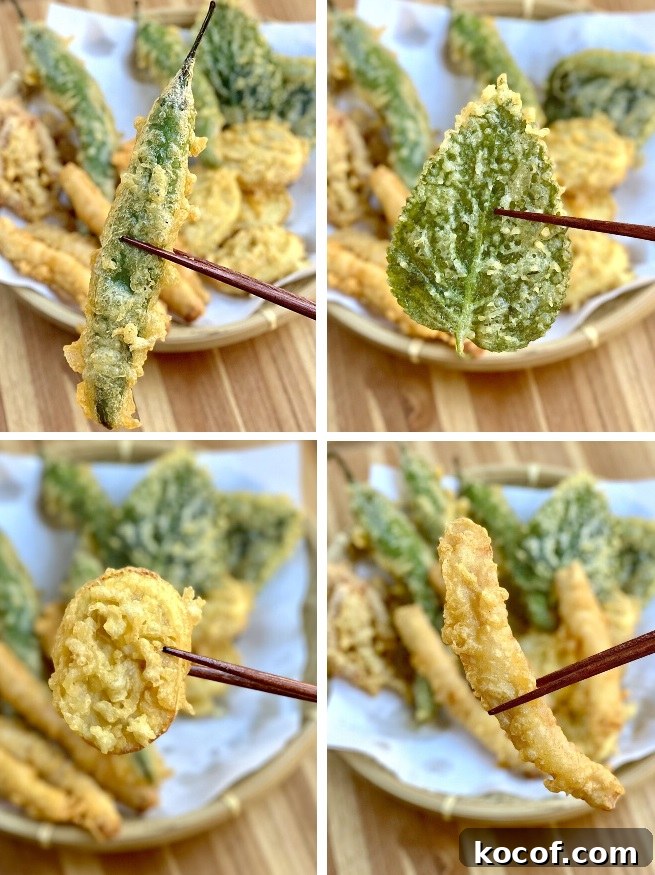
This batter works for a wide range of items. My favorites are Korean peppers (gochu), sweet potato, perilla leaves, and squid. When in Korea I often pair these pieces with tteokbokki; dipping a gochu twigim into spicy tteokbokki sauce is one of the best flavor combinations.
Common twigim pieces include:
- Shrimp
- Carrot
- Onion
- Green onion
- Asparagus
- Green beans
- Dumplings
- Zucchini
- Eggplant
- Lotus root
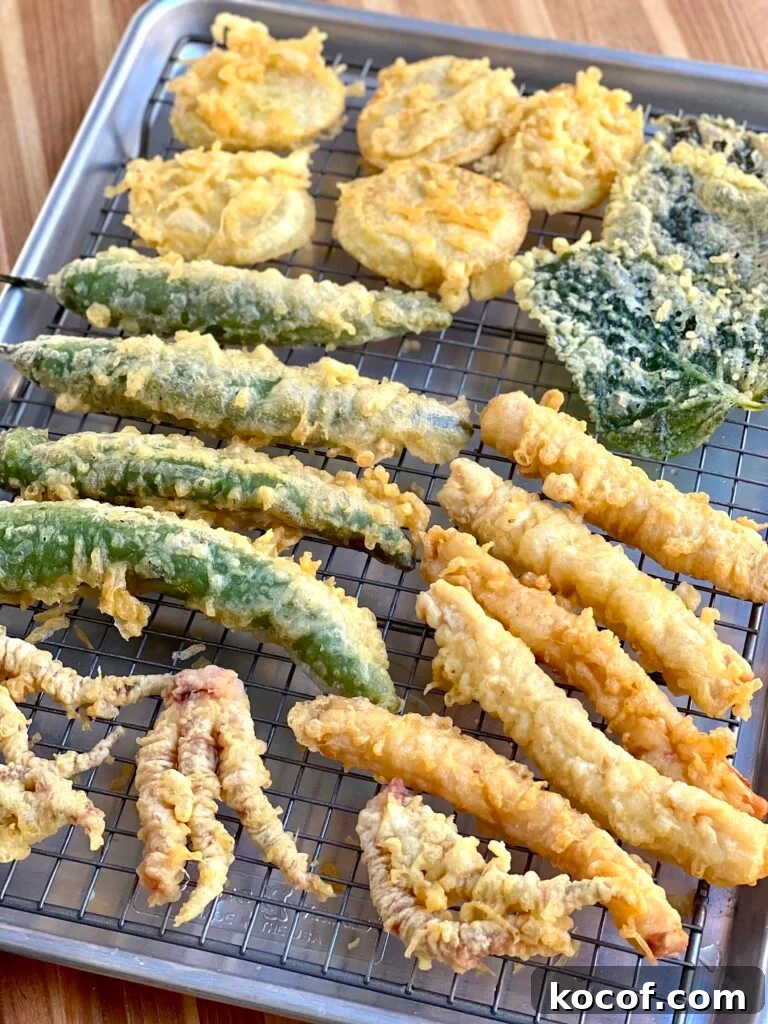
Reheating and storage
Properly fried twigim stays crisp longer than you might expect. You can refrigerate leftovers for up to 3 days. To re-crisp, air fry at 375°F (190°C) for about 3–4 minutes, or warm them gently in a hot oven until the coating is crisp again. Avoid steaming or microwaving, which will make the coating soggy.
Ingredients (overview)
- 2–3 cups neutral oil for frying
- Twigim batter:
- 3/4 cup ice-cold club soda or ice-cold water
- 1 beaten egg
- 3/4 cup cake flour (or all-purpose flour)
- 3 tbsp cornstarch
- 2 tsp baking powder
- 1/4 tsp sea salt
- 1/4 tsp garlic powder
- 1/8 tsp white pepper (or a pinch of black pepper)
- Vegetables/protein:
- 4 large Korean peppers
- 1 Korean sweet potato, peeled and sliced 1 cm thick
- 4 perilla leaves
- 1/2 lb whole squid, cleaned and cut into strips
- 2 tbsp additional flour to dust squid
Step-by-step instructions
- Prepare squid: Remove innards and skin, cut the body into thin strips, and divide the tentacles so each piece has 2–3 tentacles. Pat dry with paper towels.
- Prepare vegetables: Peel and cut the sweet potato into 1 cm discs. Rinse and dry peppers and perilla leaves.
- Dust squid: Toss the squid pieces in 1–2 tablespoons of flour so the wet batter will adhere.
- Make the dry mix: Whisk together cake flour, cornstarch, baking powder, salt, garlic powder, and white pepper.
- Make the batter: Add the beaten egg and ice-cold club soda to the dry mix. Stir gently with chopsticks or a fork—do not overmix. A few small lumps are fine. Adjust club soda to reach a thin, runny consistency.
- Coat pieces: Dip vegetables and squid into the batter, letting excess drip off. Shake lightly to remove large drips.
- Fry: Heat oil to 350°F (175°C). Fry in small batches. After placing pieces in the oil, you can drizzle a bit more batter on top to form extra craggy edges if desired. Skim away stray batter bits between batches.
- Squid: 1–2 minutes (optional second fry for extra crunch)
- Korean pepper: ~1 minute
- Sweet potato: ~3 minutes
- Perilla leaf: 30–40 seconds
- Drain and rest: Transfer fried items to a cooling rack to drain and keep crisp.
- Serve: Serve immediately with your preferred dipping sauce or alongside tteokbokki.
Notes
To reheat, air fry at 375°F for 3–4 minutes or warm in an oven until the coating is crisp. Avoid the microwave. The batter stays surprisingly crisp even after sitting for a while when fried properly.
Enjoy making twigim at home—once you get the batter and oil temperature right, the results are light, crispy, and addictive. Experiment with different vegetables and seafood to discover your favorite combinations.