Creative ways to add protein to a gluten-free, plant-based diet are essential for staying nourished and satisfied. A common question is: Am I getting enough protein? With wheat-based products, seitan, and many processed snacks off the table, maintaining a balanced diet takes a bit of extra creativity. The good news is there are plenty of delicious, whole-food protein sources available. Below are practical options and meal ideas to help you meet protein needs while keeping meals gluten-free and plant-based.
Gluten-Free Vegan Protein Sources and Easy Meal Ideas for a Busy Lifestyle
This guide covers the best gluten-free vegan protein sources, smart meal ideas, and easy snacks that suit a busy schedule. Whether you’re new to a gluten-free plant-based diet or looking for more variety, these strategies will help you enjoy high-protein meals every day.
Top Naturally Gluten-Free Plant-Based Protein Sources
As we age, protein needs increase, but getting enough protein on a gluten-free plant-based diet is straightforward when you focus on nutrient-dense foods. Key naturally gluten-free protein sources include:
- Legumes: Lentils, chickpeas, black beans, and kidney beans are reliable staples for soups, salads, stews, and dips.
- Gluten-free grains: Quinoa, buckwheat, millet, and amaranth offer protein plus fiber and minerals; they work well as bases for bowls and porridge.
- Soy foods: Tofu, tempeh, and edamame are versatile, complete proteins that take on many flavors and cooking methods.
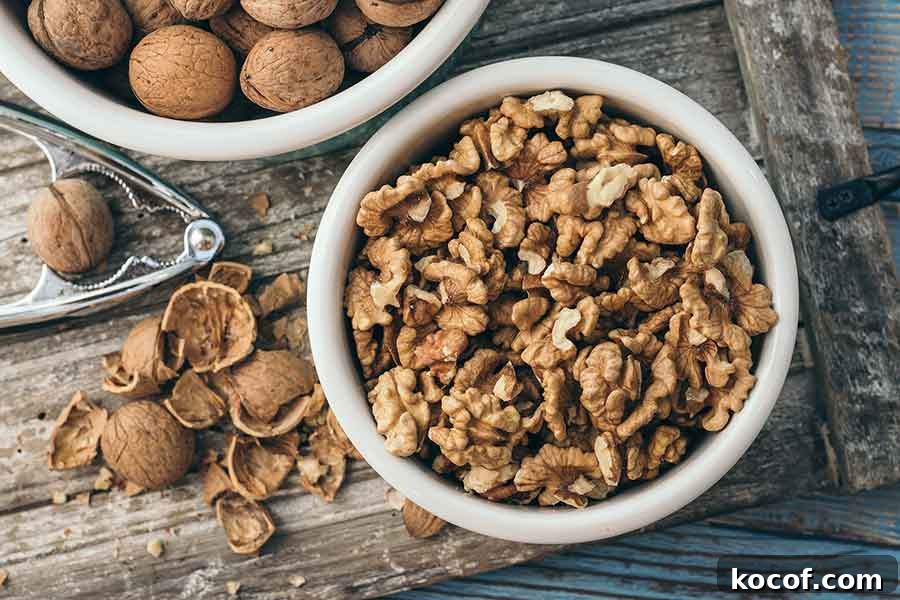
- Nuts and seeds: Almonds, walnuts, hemp hearts, chia, and flaxseeds add protein, healthy fats, and texture to meals and snacks.
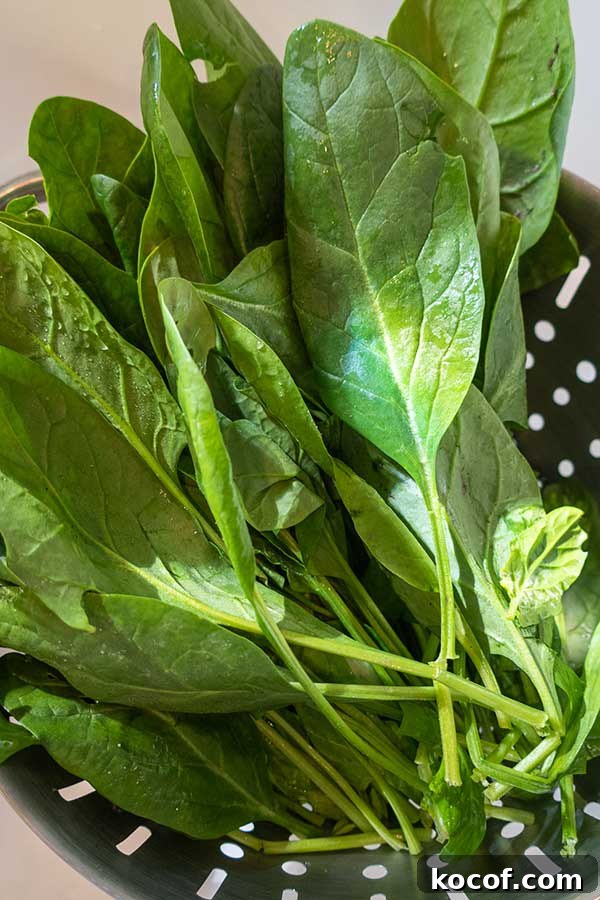
- Protein-rich vegetables: Spinach, broccoli, peas, and kale pack more protein per calorie than many expect and are great additions to any dish.
Top 10 High-Protein Vegetables (Excluding Legumes)
Per 100 grams — cooked unless noted
- Spinach – 5.3 g
- Kale – 4.3 g
- Artichokes – 3.3 g
- Mushrooms (raw) – White button ~3.1 g; Portobello ~2.5–3.0 g; Cremini ~2.5–3.1 g; Oyster ~3.3 g; Shiitake ~2.2 g
- Broccoli – 2.8 g
- Brussels sprouts – 2.6 g
- Asparagus – 2.4 g
- Mustard greens – 2.3 g
- Collard greens – 2.2 g
- Cauliflower – 1.9 g
Why Healthy Fats Matter on a Plant-Based Diet
- Essential Fatty Acids (EFAs)
- Your body cannot synthesize omega-3 and omega-6 fatty acids; they must come from food sources.
- Omega-3s support brain health, hormone production, and help reduce inflammation.
- Vitamin Absorption
- Fat-soluble vitamins A, D, E, and K require dietary fat for proper absorption, so including healthy fats with meals improves nutrient uptake.
- Hormone Production
- Dietary fats support hormone balance, which is particularly important on diets that exclude animal products.
- Energy & Satiety
- Fats help you feel full and satisfied, preventing frequent snacking and overeating.
Healthy Plant-Based Fat Sources
| Food | Type of Healthy Fat | Bonus Nutrients |
| Avocados | Monounsaturated fats | Fiber, potassium, folate |
| Nuts (e.g., almonds, walnuts) | Mono & polyunsaturated fats | Vitamin E, protein |
| Seeds (chia, flax, hemp) | Omega-3 (ALA) | Fiber, magnesium, protein |
| Olives / Olive oil | Monounsaturated fats | Antioxidants |
| Tahini (sesame paste) | Monounsaturated fats | Calcium, iron |
| Coconut (in moderation) | Saturated fat (plant-based) | Lauric acid |
Creative High-Protein Gluten-Free Plant-Based Meal Ideas
Combining protein sources with gluten-free grains and colorful vegetables creates satisfying, nutrient-rich meals. Try these ideas:
- Breakfast: Quinoa porridge with almond butter and hemp seeds, or a tofu scramble loaded with vegetables.
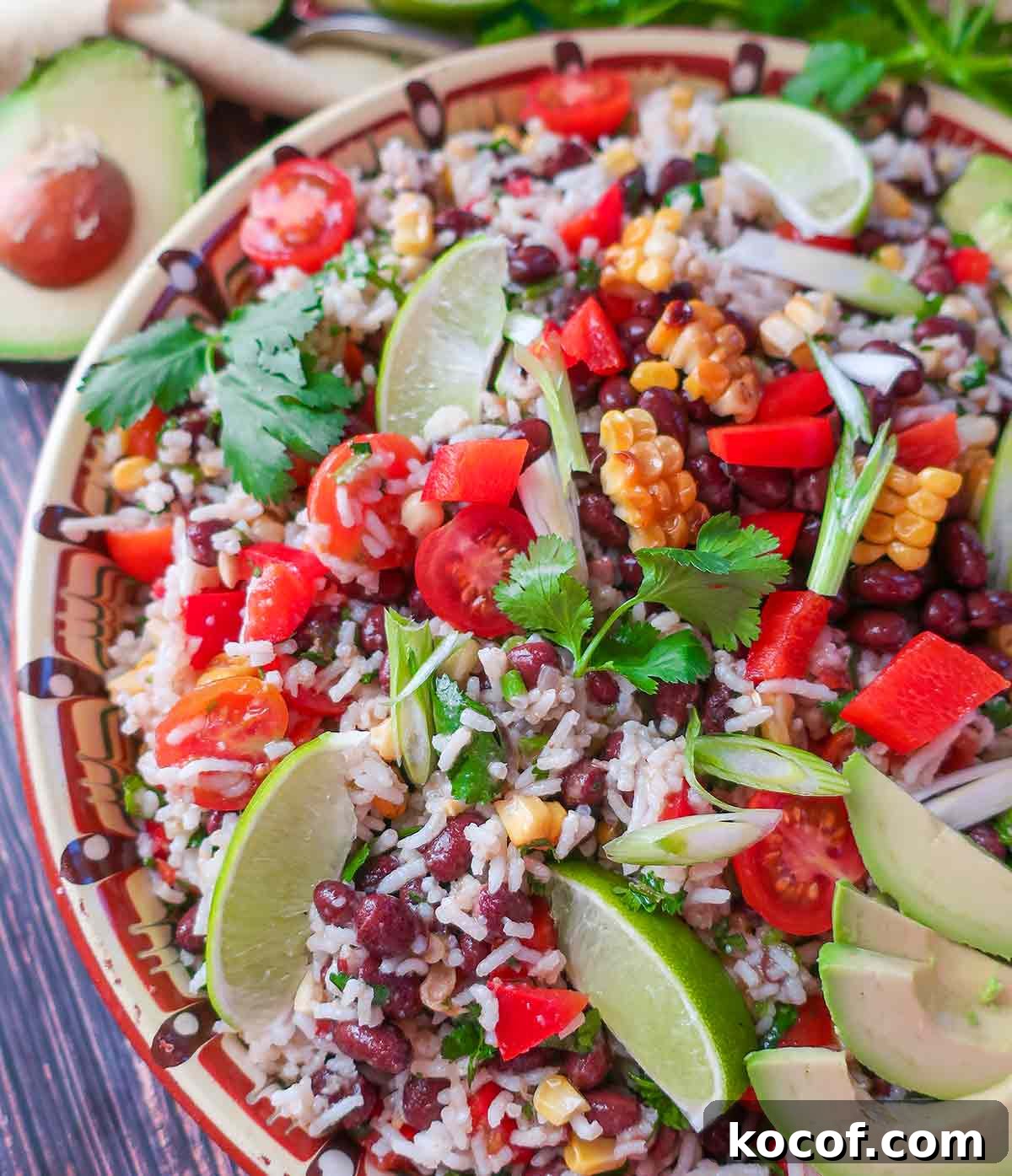
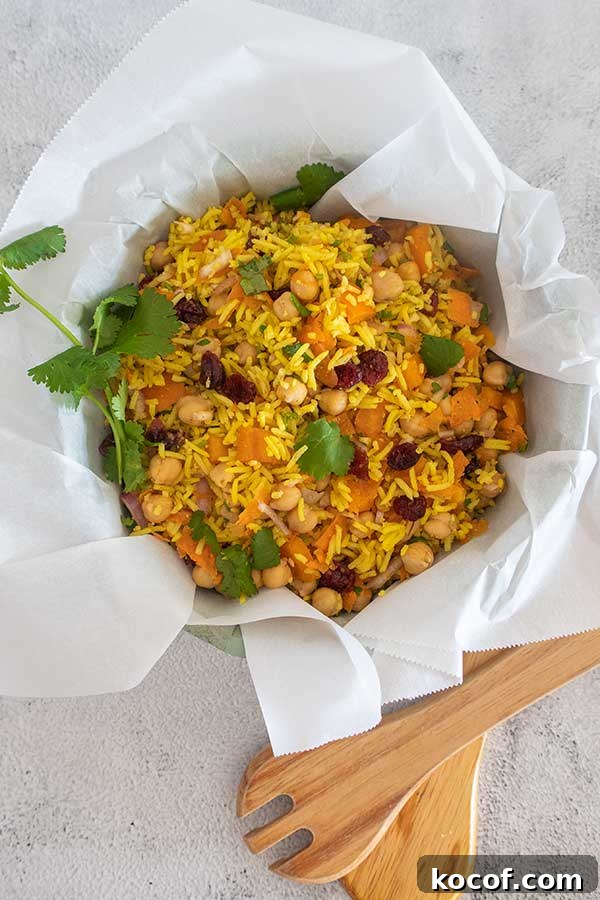
- Lunch: Lentil rice salad, a quinoa power bowl, or chickpea rice salad wrapped in a gluten-free tortilla.
- Dinner: Crispy tofu in a ginger sauce with brown rice, or a Tuscan white bean salad served with homemade gluten-free tortillas.
Gluten-Free Vegan Protein Snacks On the Go
Portable, protein-rich snacks help maintain energy between meals. Consider:
- Roasted chickpeas
- Energy bites made with nuts and seeds
- Steamed edamame pods
- No-bake pumpkin seed cranberry bars
How to Combine Plant Proteins for Complete Amino Acids and Keep it Gluten-Free
Not every plant food contains all nine essential amino acids, but combining complementary proteins across meals creates a complete amino acid profile. Classic gluten-free pairings include:
- Rice and beans
- Lentils with nuts or seeds
- Quinoa with legumes
- Hummus with gluten-free pita or vegetables, topped with avocado, tomato, and leafy greens
| Plant Protein 1 | Plant Protein 2 | Example Meal Idea |
|---|---|---|
| Rice | Beans | Rice & Beans Bowl with vegetables |
| Lentils | Nuts or Seeds | Lentil salad with toasted almonds |
| Quinoa | Legumes | Quinoa and chickpea stew |
| Hummus | Gluten-free pita or veggies | Hummus sandwich with avocado and tomato |
These combinations help create a complete protein profile, supporting muscle repair, energy, and overall health.
Gluten-Free Plant-Based Protein Powder Options
For convenience, many brands offer gluten-free plant-based protein powders made from peas, hemp, rice, or blended sources. These powders are useful in smoothies, baked goods, and overnight oats. Always check labels to confirm a product is certified gluten free before purchasing.
Sample Meal Plan: High-Protein Gluten-Free Vegan Meals
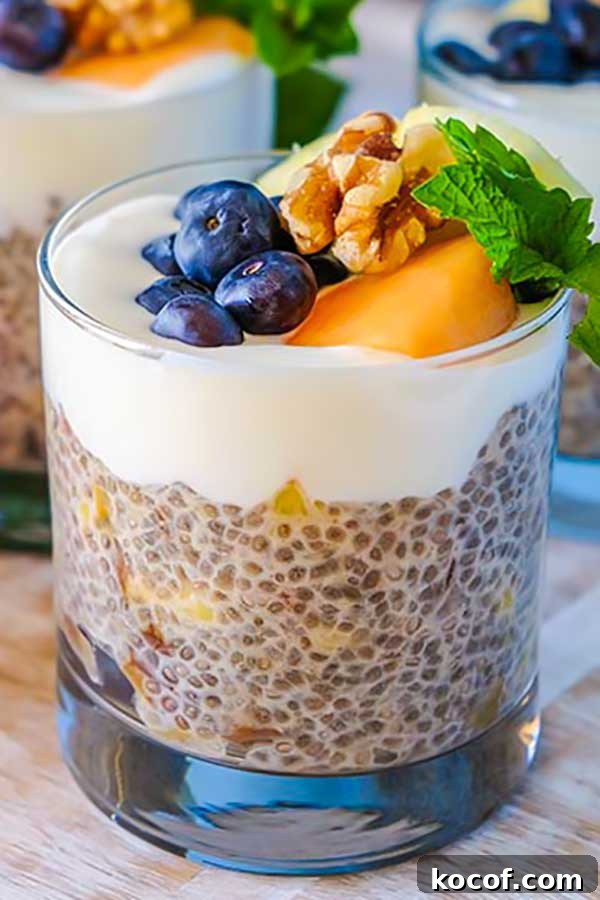
Meal planning helps hit protein goals while keeping meals varied. A sample day might look like this:
- Breakfast: Overnight oats with flax and chia seeds.
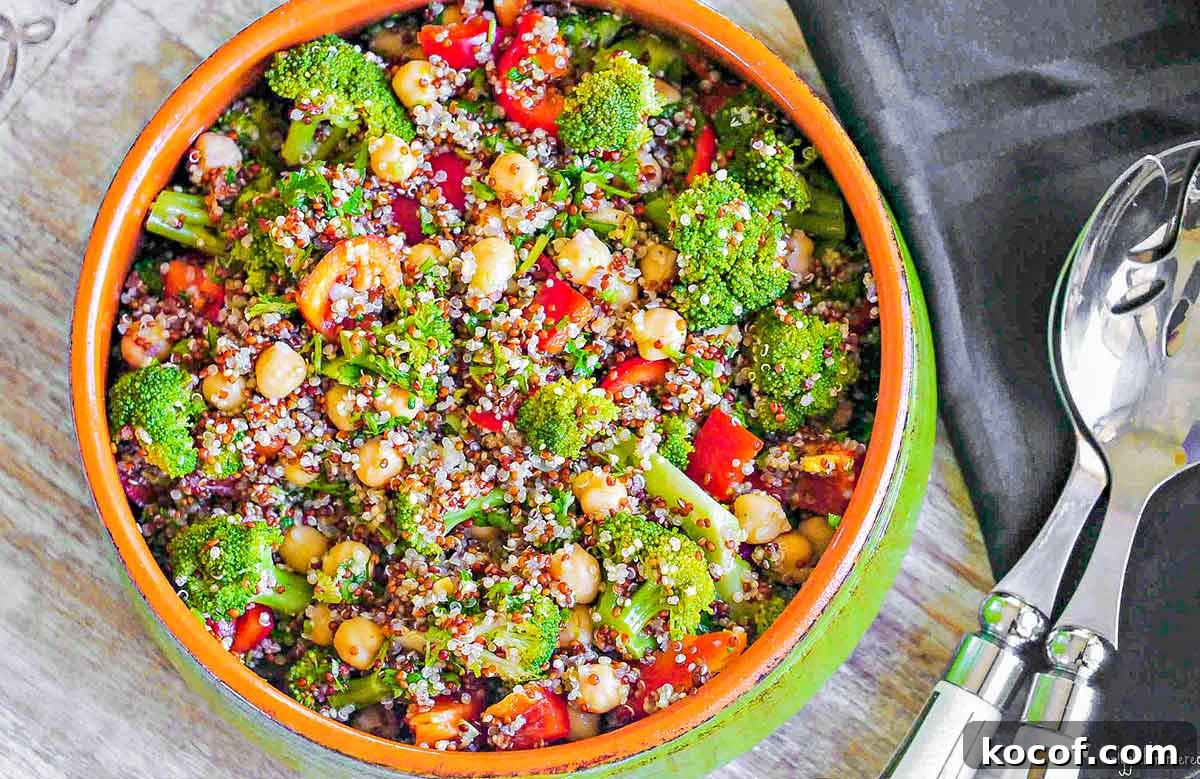
- Lunch: Lentil salad or broccoli and chickpea quinoa bowl with roasted vegetables.
- Snack: A handful of nuts and steamed edamame.
- Dinner: Tofu stir-fry with broccoli and rice or quinoa. Another option is a gluten-free vegan schnitzel served with a roasted pepper and white bean rice salad.
- Dessert: Chia pudding made with coconut milk and fresh berries.
Final Thoughts: Thriving on a Gluten-Free Plant-Based Diet
Getting enough protein on a gluten-free, plant-based diet is both achievable and enjoyable. By emphasizing whole foods like legumes, nuts, seeds, soy products, and gluten-free grains, you can build meals that are nourishing, flavorful, and satisfying.
Whether you prep high-protein lunches for the week, choose protein-packed snacks, or use gluten-free plant protein powders when needed, there are many options to support your health and energy.
With some planning and creativity, a gluten-free plant-based diet can be empowering, energizing, and full of variety.