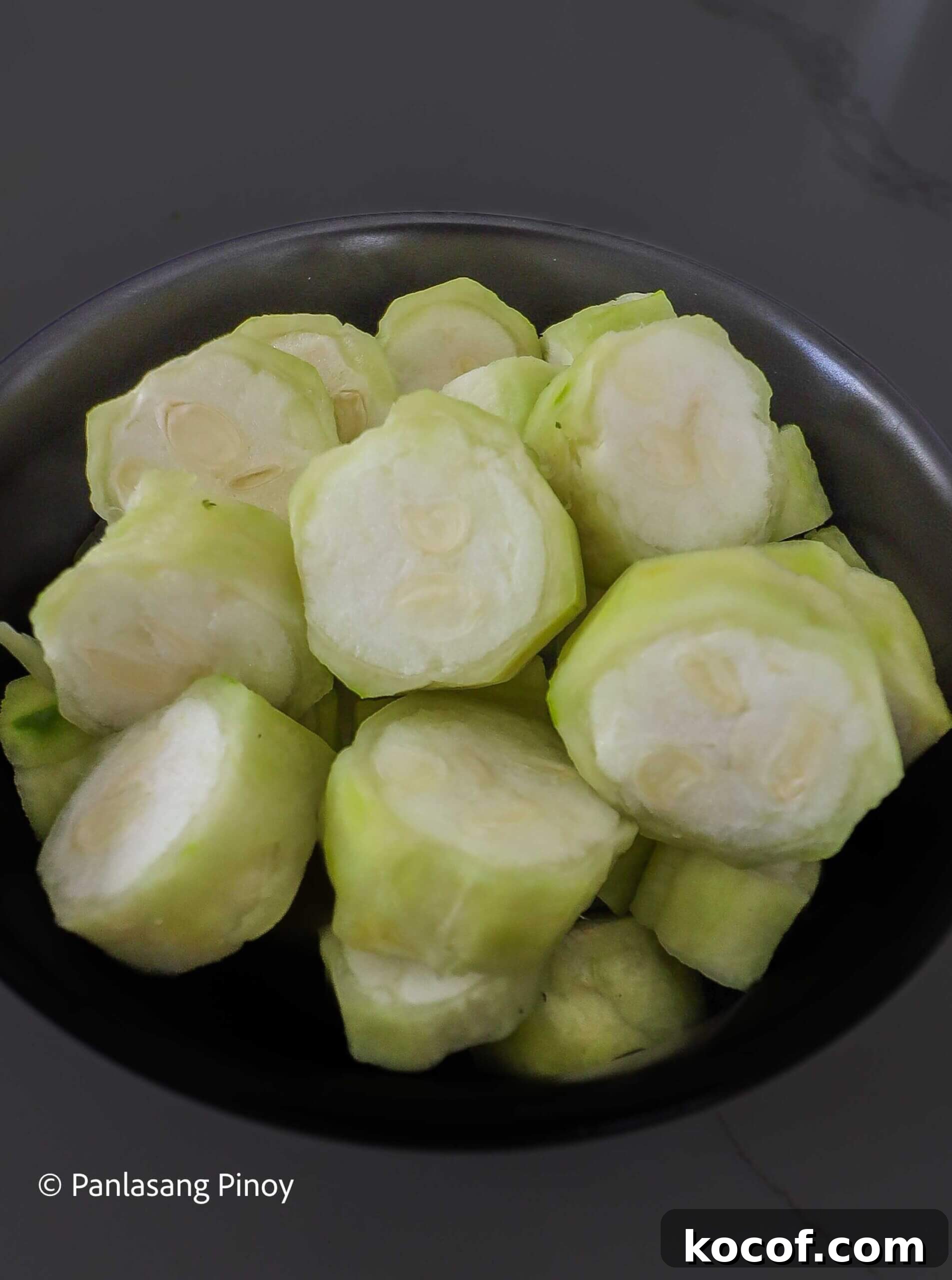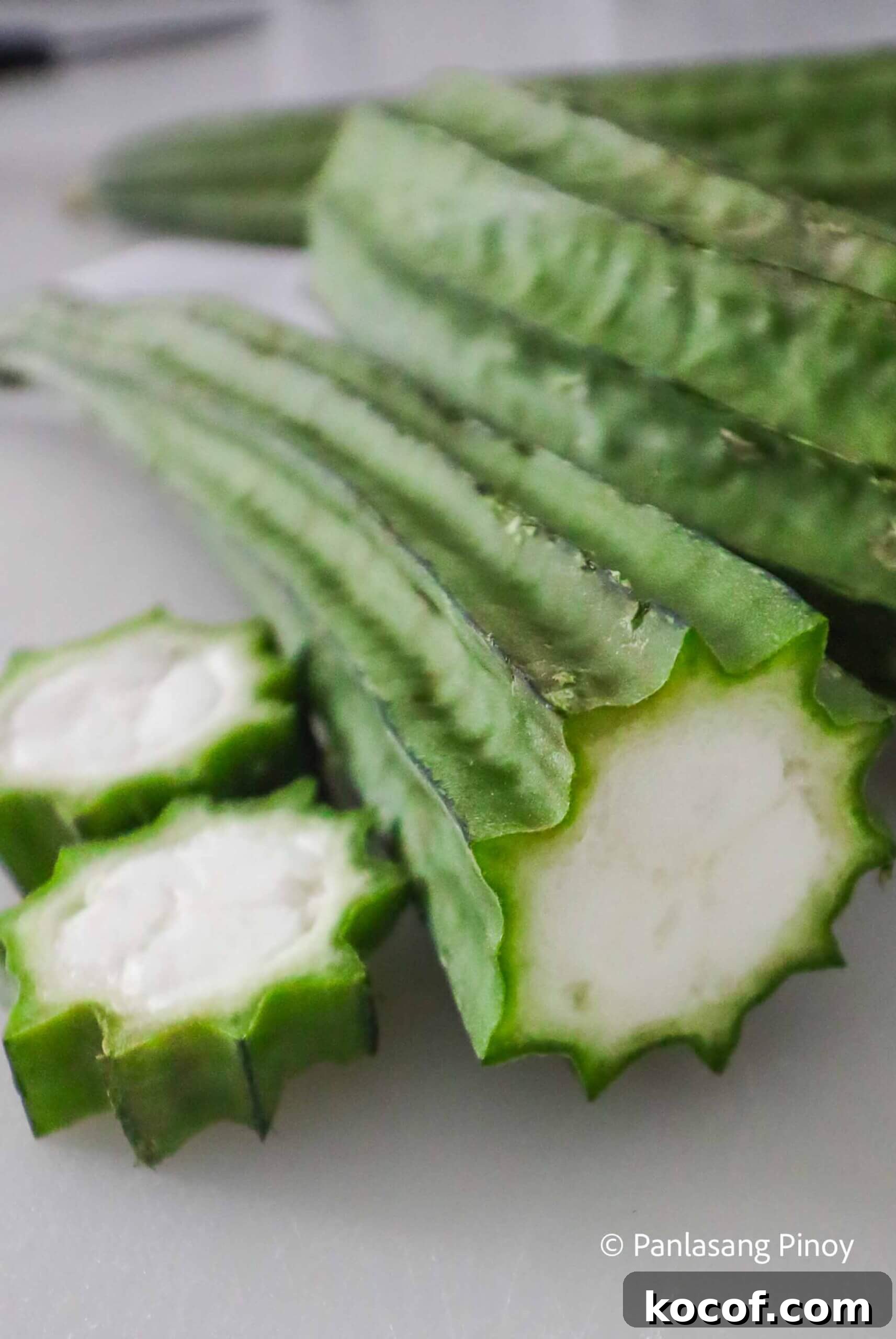
Aside from the recent slang usage in Filipino online culture, patola is a nutritious ingredient worth knowing. If you’re a cook, you probably recognize it as a classic addition to soups and many home-cooked dishes. This article explores what patola is, its health benefits, how to grow it, and some delicious ways to enjoy it in the kitchen. Read on to learn more about this versatile fruit-turned-vegetable in Filipino cuisine.
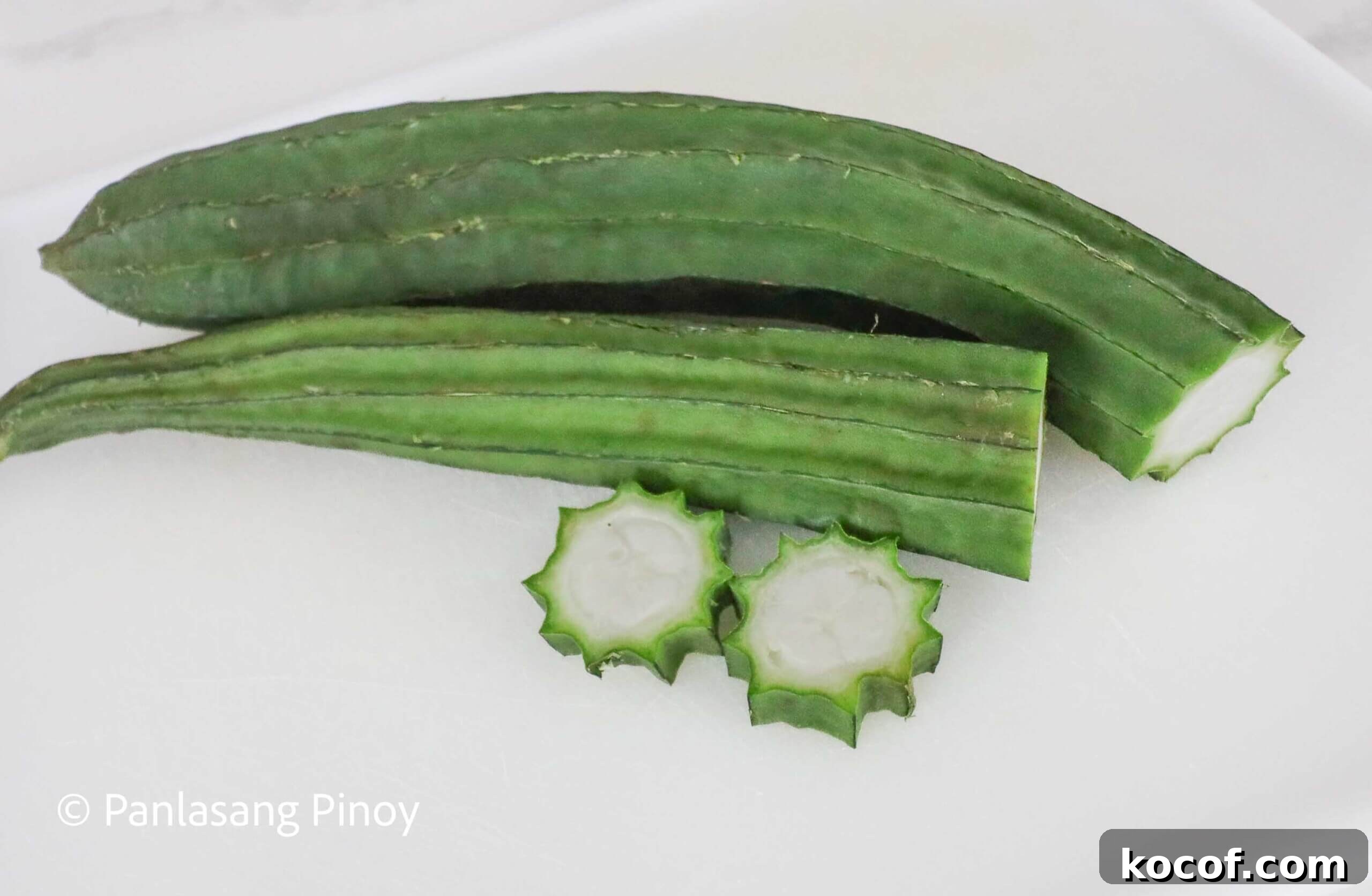
More about patola
In English, patola is commonly called sponge gourd or silk squash. Although typically used like a vegetable in cooking, patola is botanically a fruit—an unripe product of plants in the Luffa genus, such as Luffa acutangula and Luffa aegyptiaca. Its texture and mild flavor make it a popular ingredient in many Filipino soups and stews, where it soaks up broths and seasonings without overpowering other flavors.
Patola is easy to include in everyday meals and can be grown in a backyard garden. Below, you’ll find its nutritional highlights and simple guidance for planting and cooking.
Patola benefits to your health
Patola is rich in beta-carotene, an antioxidant that supports eye health and contributes to a stronger immune system. It also has properties that help support liver function and is traditionally regarded as helpful for “blood cleansing,” which can reflect in healthier-looking skin.
This gourd provides an array of vitamins and minerals, including vitamin C, iron, zinc, and magnesium. Vitamin C supports immunity, while dietary fiber in patola aids digestion and reduces the risk of constipation. The fiber also promotes steady blood sugar levels, making patola a good choice for people managing type 2 diabetes. Additionally, patola contains compounds with anti-inflammatory effects, which may help reduce inflammation when included as part of a balanced diet.
How to plant patola
Direct-seeded
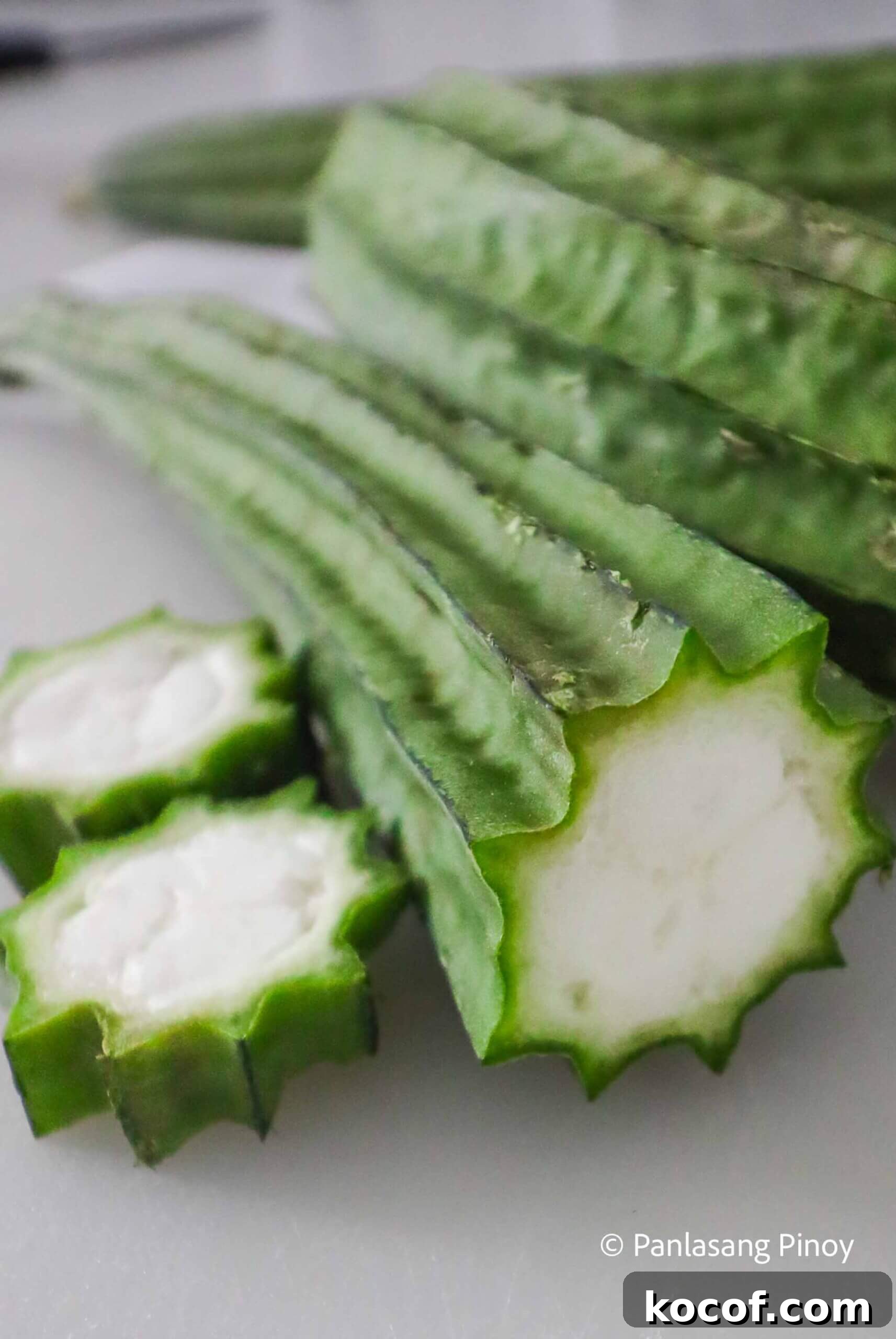
One straightforward method is direct seeding, which means sowing seeds directly into garden soil. To improve germination, soak seeds overnight in clean water, then wrap them in a moist cloth and keep them in a cool, dark place until the seed coat splits. Plant one to two seeds per spot about one meter apart, cover with a thin layer of soil, and keep the soil moist. In wet seasons, consider using raised beds to reduce the risk of seed rot from flooding.
Transplanted
Transplanting seedlings gives you more control and often better survival rates. Prepare a potting mix using one part compost or organic fertilizer, one part garden soil, and one part carbonized rice hull, or use a ready-mixed seed-starting medium. Sow pre-germinated seeds about 1–2 cm deep in trays, water the media, and keep trays under temporary shade while watering regularly.
Harden seedlings about a week before transplanting by gradually reducing water and increasing sun exposure. Seedlings are ready to transplant when true leaves develop, typically 10–15 days after emergence. Transplant one seedling per hill with about one meter between hills to give vines room to grow.
If you try planting patola at home, share your experience in the comments below—gardening tips and local variations are always helpful to other growers.
Which patola recipe should I try out?
Patola’s mild flavor and pleasant texture make it ideal for soups and vegetable dishes. Here are several recipes that highlight patola’s strengths, whether you prefer meat, seafood, or a fully vegetable preparation.
Misua with Patola and Meatballs
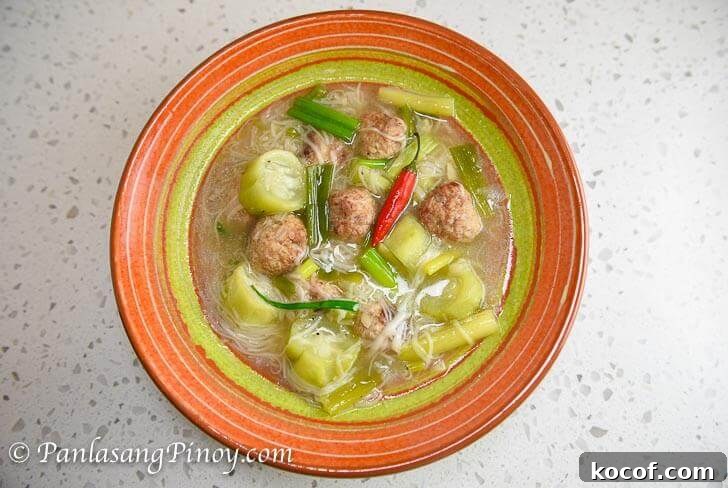
This comforting soup mixes thin misua noodles with tender meatballs and slices of patola in a clear chicken broth. It’s warm, nourishing, and highlights the gentle taste of patola without overwhelming it. Young, tender patola works best for a softer texture. The recipe is versatile and uses simple pantry seasonings, and any leftover meatballs can be repurposed for other dishes like Salisbury steak.
Misua with Patola and Shrimp
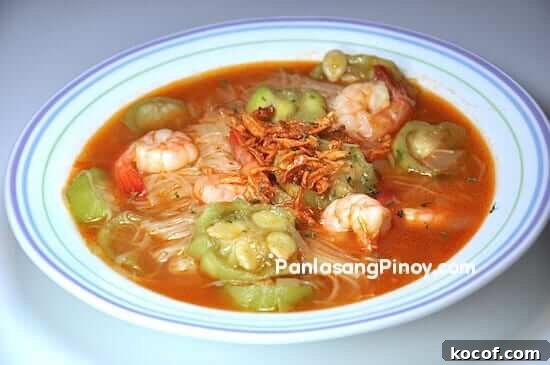
If you prefer seafood, try misua with patola and shrimp. This light noodle soup features sweet, tender shrimp and a savory tomato-based broth that complements patola’s mild flavor. It’s budget-friendly and uses common seasonings like toasted garlic, fish sauce, salt, and pepper for a quick, satisfying meal.
Sardines with Misua and Patola
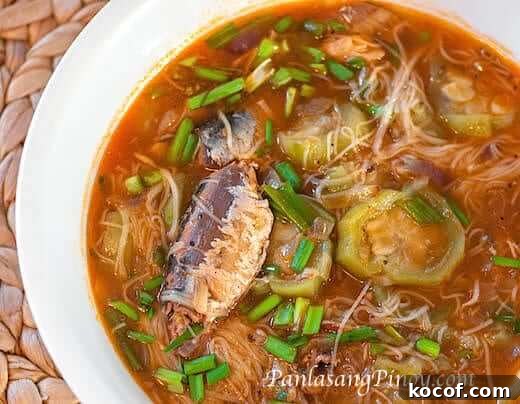
For a very economical and speedy option, sardines paired with misua and patola create a flavorful, tomato-rich broth with minimal effort. This dish is ideal for busy days when you want something quick, filling, and nutritious—ready in about 25 minutes.
Bulanglang na Gulay
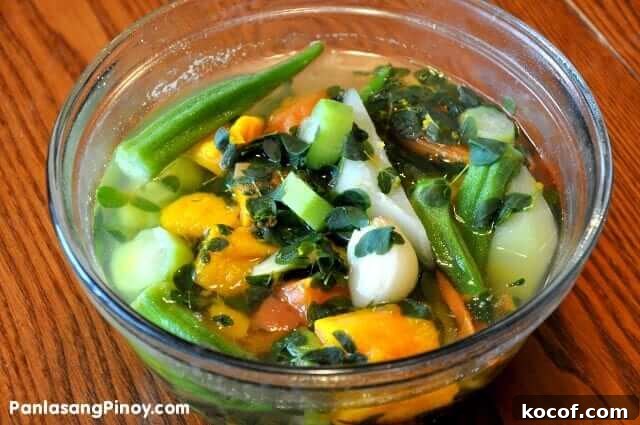
Bulanglang na Gulay is a vegetable-forward Batangas recipe that features patola alongside ingredients like unripe papaya, eggplant, and leafy greens. Lightly seasoned with salt, pepper, and a fish cube or similar seasoning, this dish can be served on its own with rice or alongside fried fish. It’s a great way to enjoy a variety of textures and nourishing ingredients in one pot.
If fresh patola is hard to find, there are good substitutes that preserve a similar texture and mild flavor.
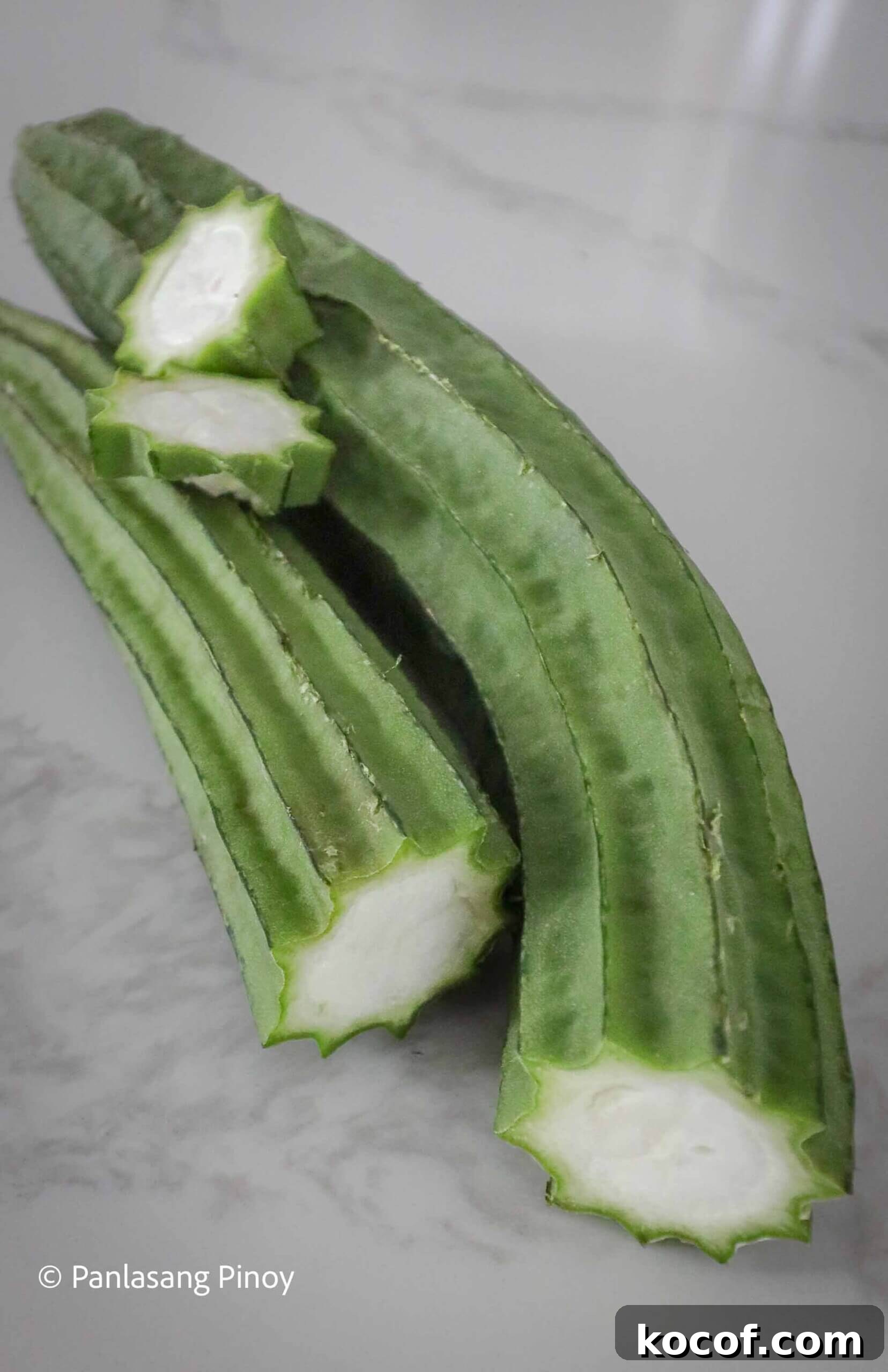
Alternative Ingredients for Patola
Zucchini – Zucchini makes a reliable substitute for patola. Both are mild-flavored, tender when cooked, and absorb broths and sauces well. Zucchini also offers antioxidants and can be used similarly in misua soups and vegetable sautés.
Chayote – Also called sayote, chayote is another mild gourd-like fruit commonly treated as a vegetable. Like patola, chayote has a light taste and firms up nicely in soups and stews. Its wrinkled skin and different shape distinguish it visually, but it works well as a one-to-one alternative in most recipes.
Do you cook with patola often? Share your favorite recipes or tips in the comments below—exchange of ideas helps everyone discover new ways to enjoy this humble, nutritious ingredient.