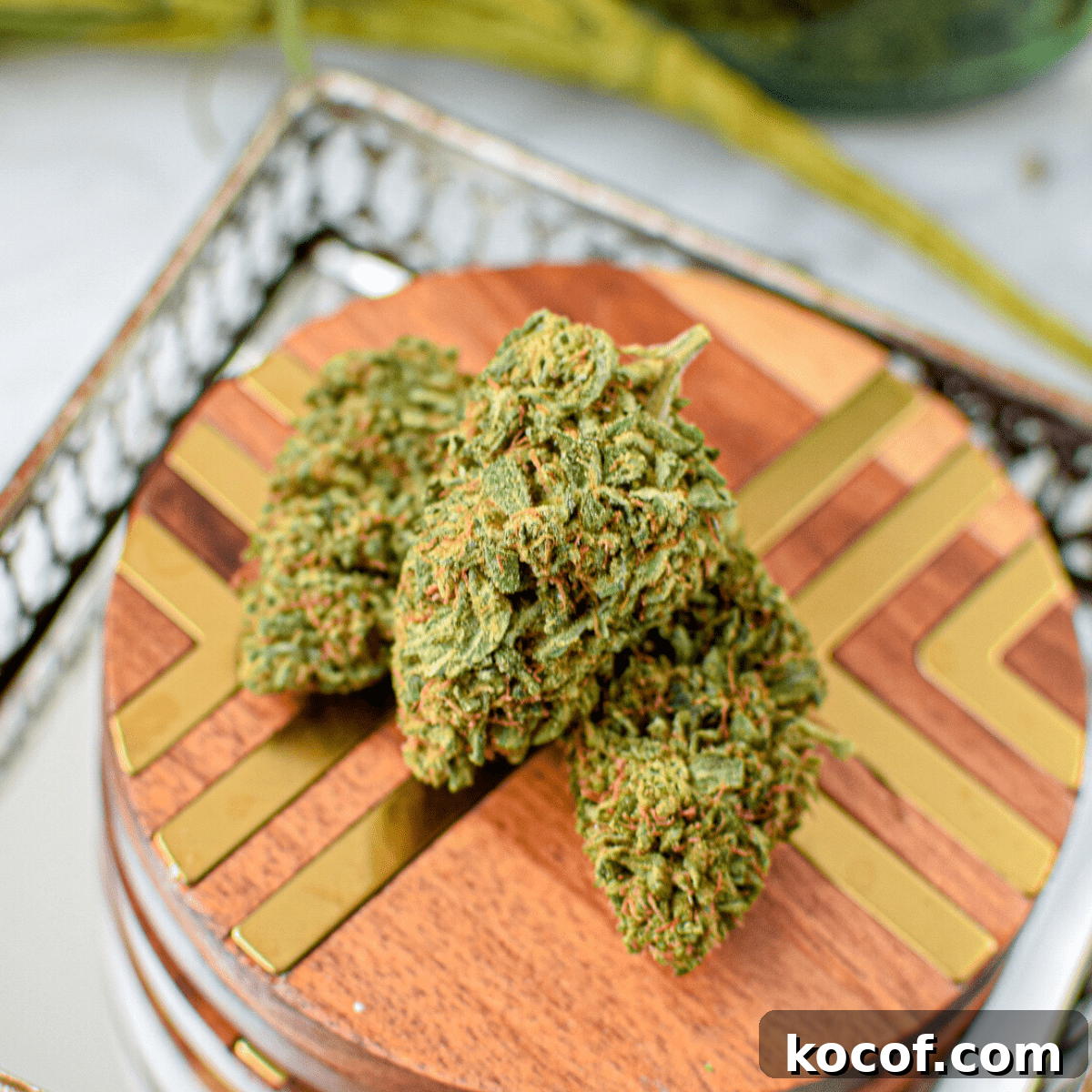
Decarboxylation remains an essential step when making edibles or topicals from CBD flower. If you want to access the active benefits of CBD, read on to learn how to decarb CBD flower and review lab results that inform the best time and temperature.
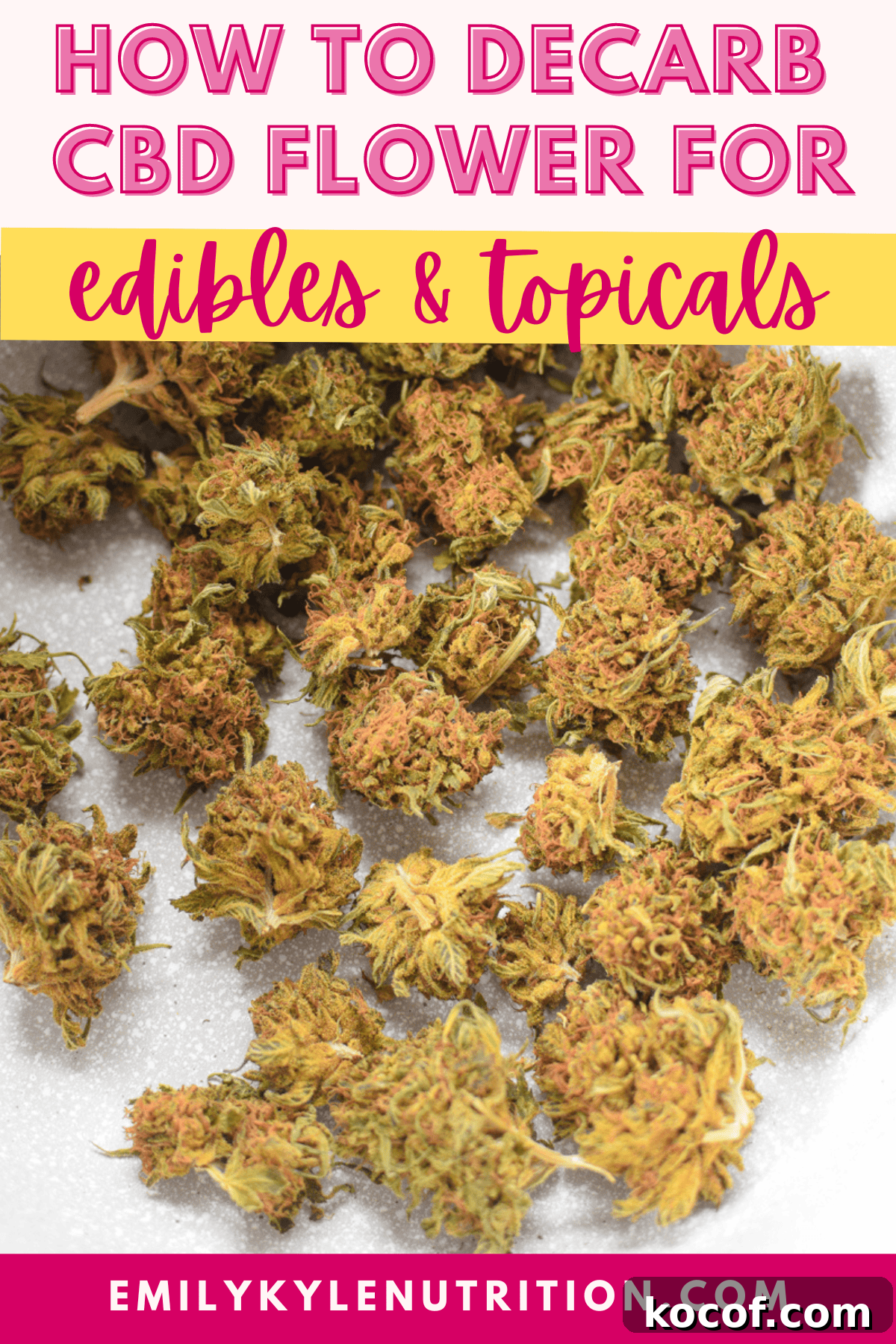
Article Features
- Clear step-by-step instructions to convert CBDA in flower into active CBD
- Real lab test results showing how well the home decarb method works
- Want to make it easy? Consider starting with high-quality CBD flowers from a trusted source.
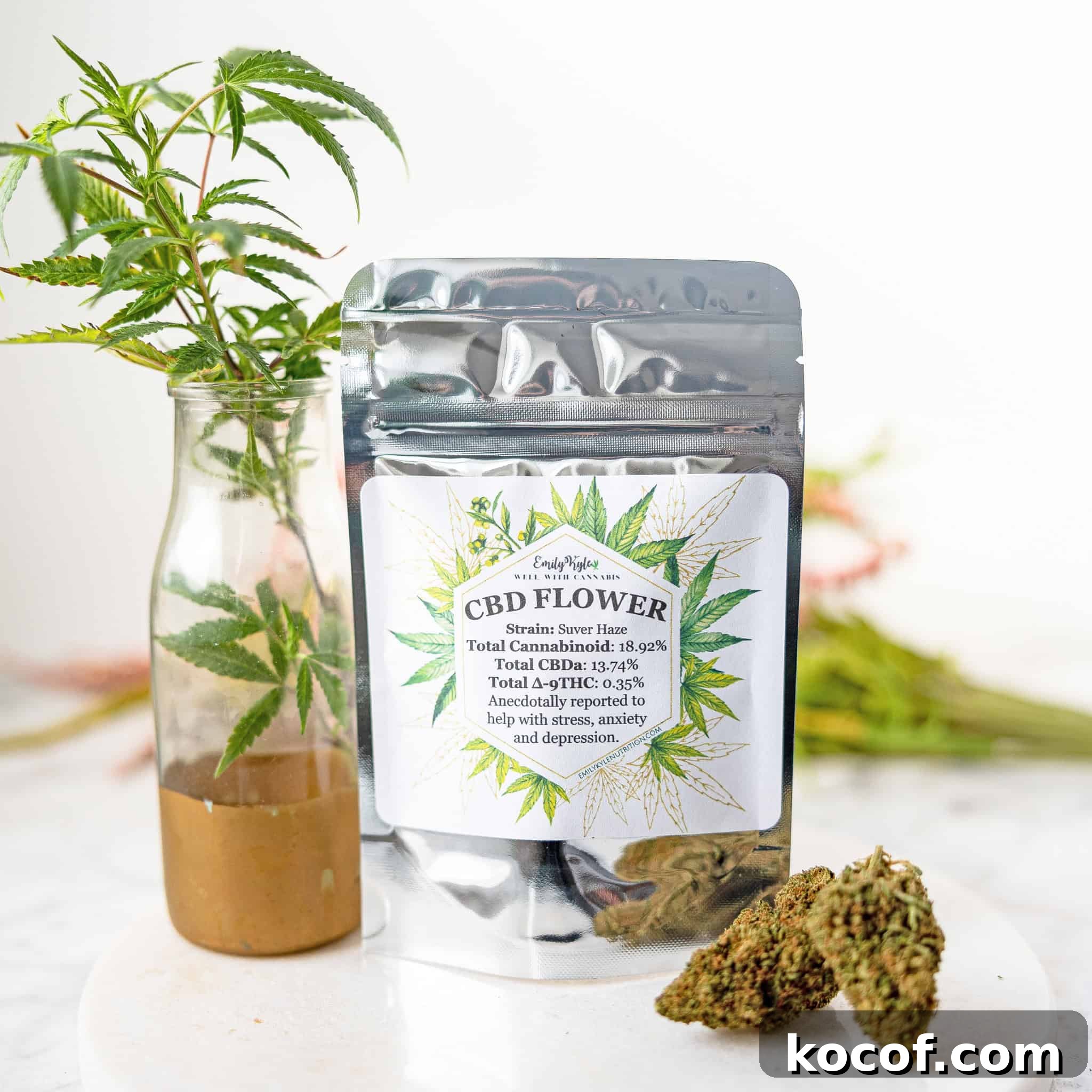
Why You Will Love This Guide
CBD flower is growing in popularity because it can offer many of cannabis’s benefits without a strong intoxicating effect. It’s an approachable option for people seeking relaxation, pain relief, or the therapeutic attributes of cannabinoids and terpenes.
Many newcomers don’t realize that raw CBD flower contains CBDA — an acidic form of cannabidiol — which must be converted into CBD through decarboxylation to access the activated compound. The good news: the process is straightforward and reliable when done correctly.
This guide explains what CBDA flower is, why decarboxylation matters, how to decarb at home, and how to use decarbed flower to make edibles, topicals, and infused oils.
🚀 Test Your Knowledge
Coming Soon!
What You’ll Need
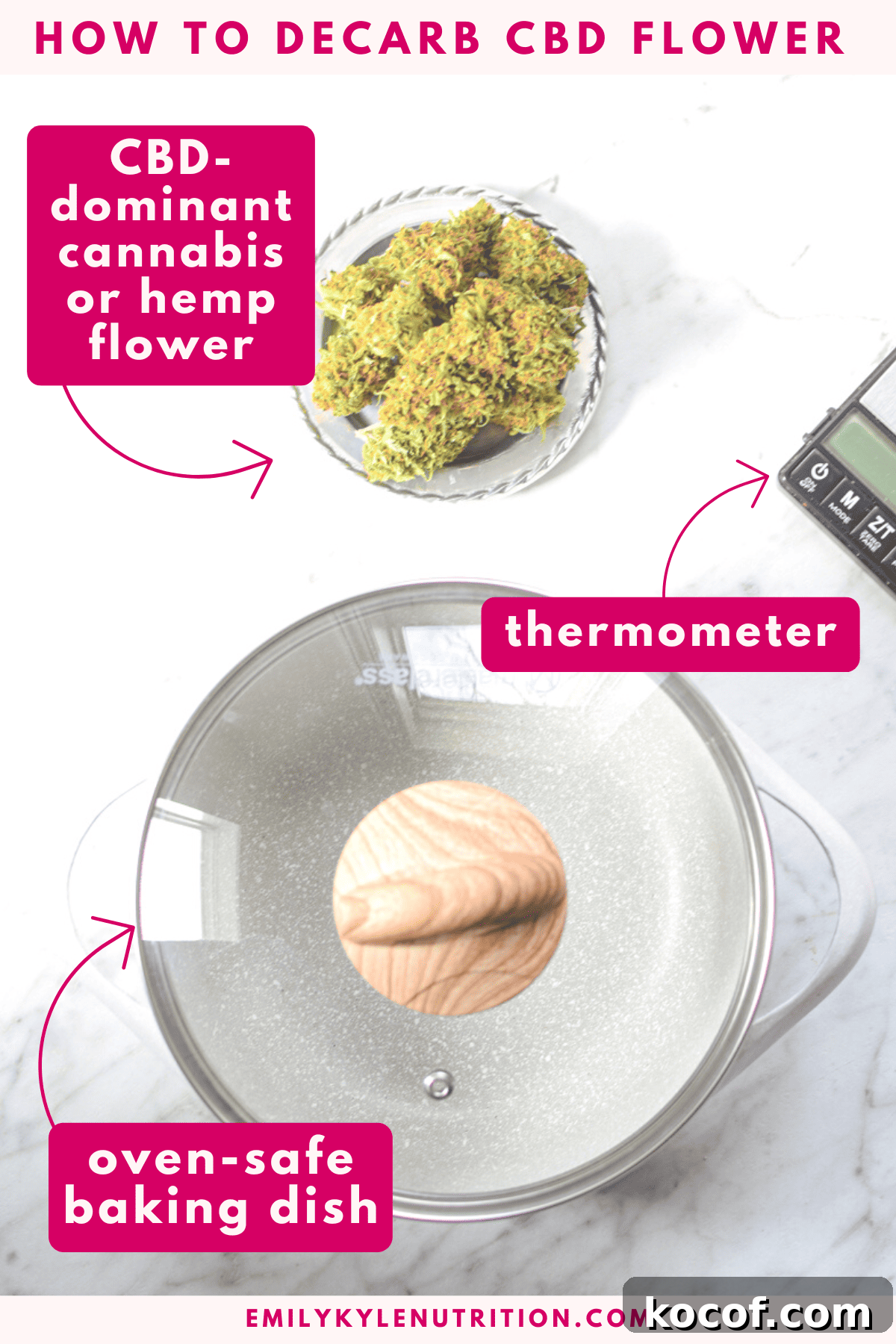
- CBD flower buds — you can use buds, leaf, trim, shake, or kief in the amount you prefer.
Note: a complete list of ingredients with amounts and printable instructions is located in the recipe card below.
Step-by-Step Instructions
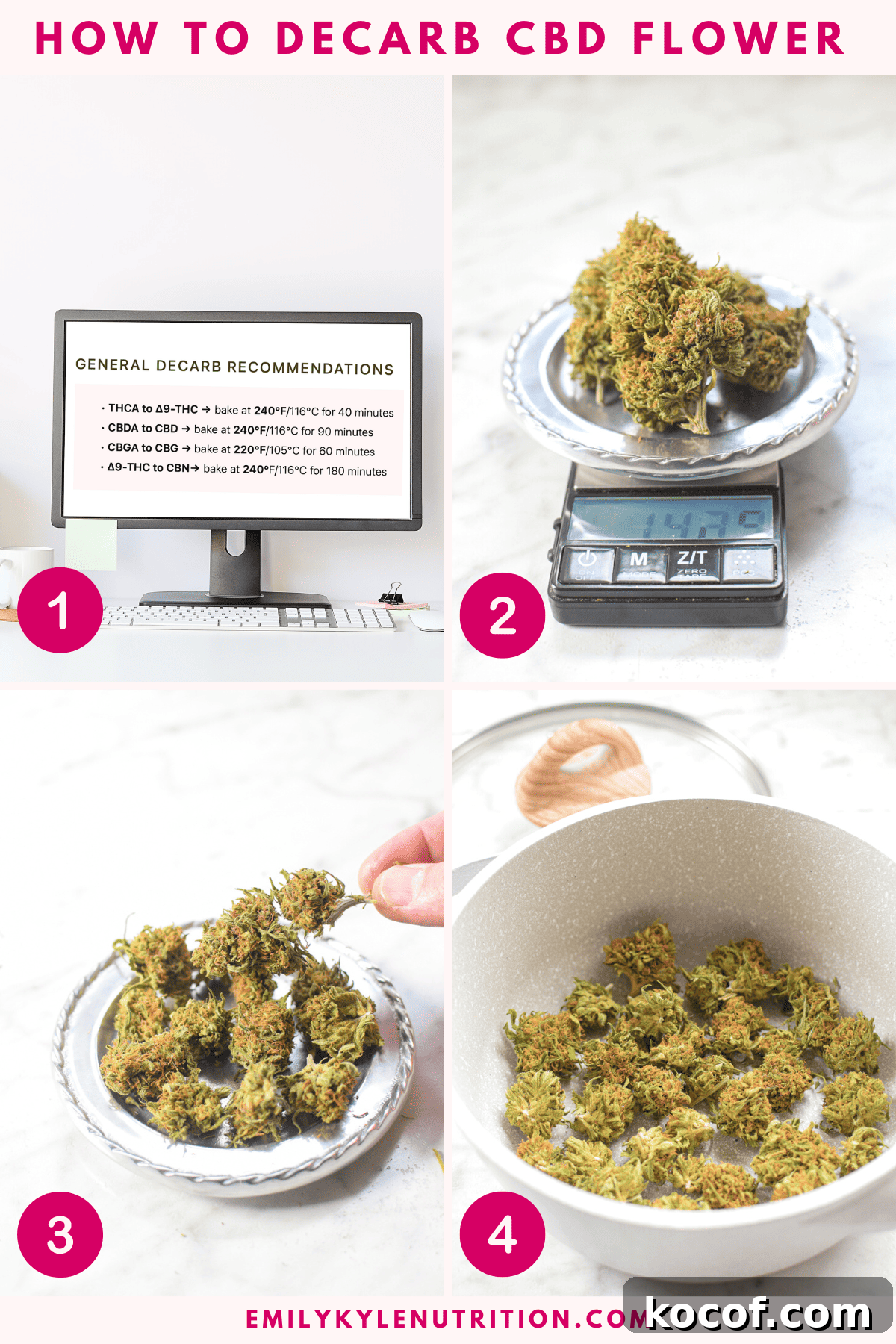
- Step 1 – Preheat your oven to 240°F (115°C).
- Step 2 – Weigh the cannabis flower to your desired amount using a digital scale. Common examples: 3.5 g (1/8 oz), 7 g (1/4 oz), 14 g (1/2 oz), or 28 g (1 oz).
- Step 3 – Gently break up the buds, removing large stems and seeds as needed.
- Step 4 – Spread the flower in an even layer in an oven-safe baking dish with a lid. Avoid clumps or mounds. If you don’t have a lid, cover tightly with foil.
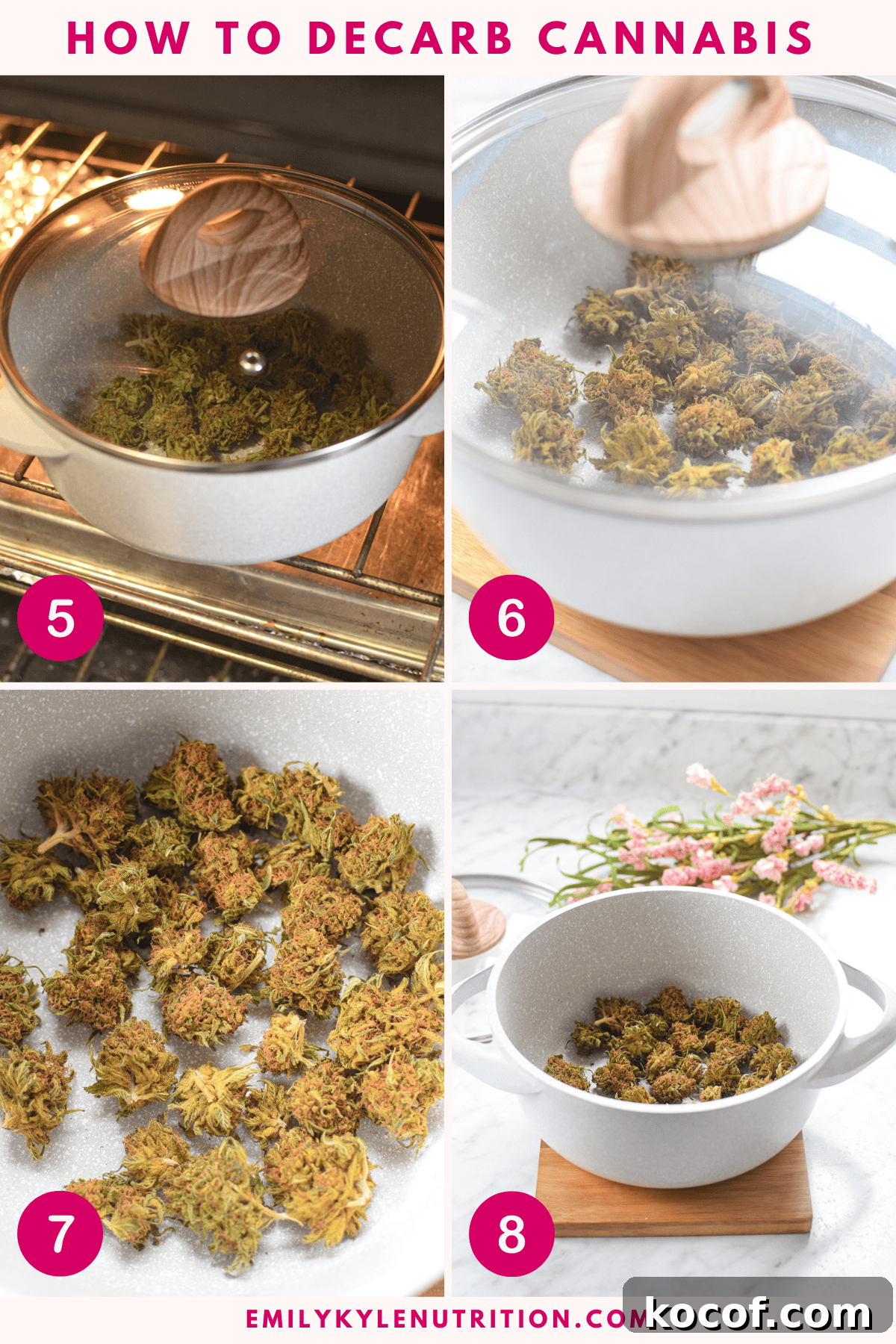
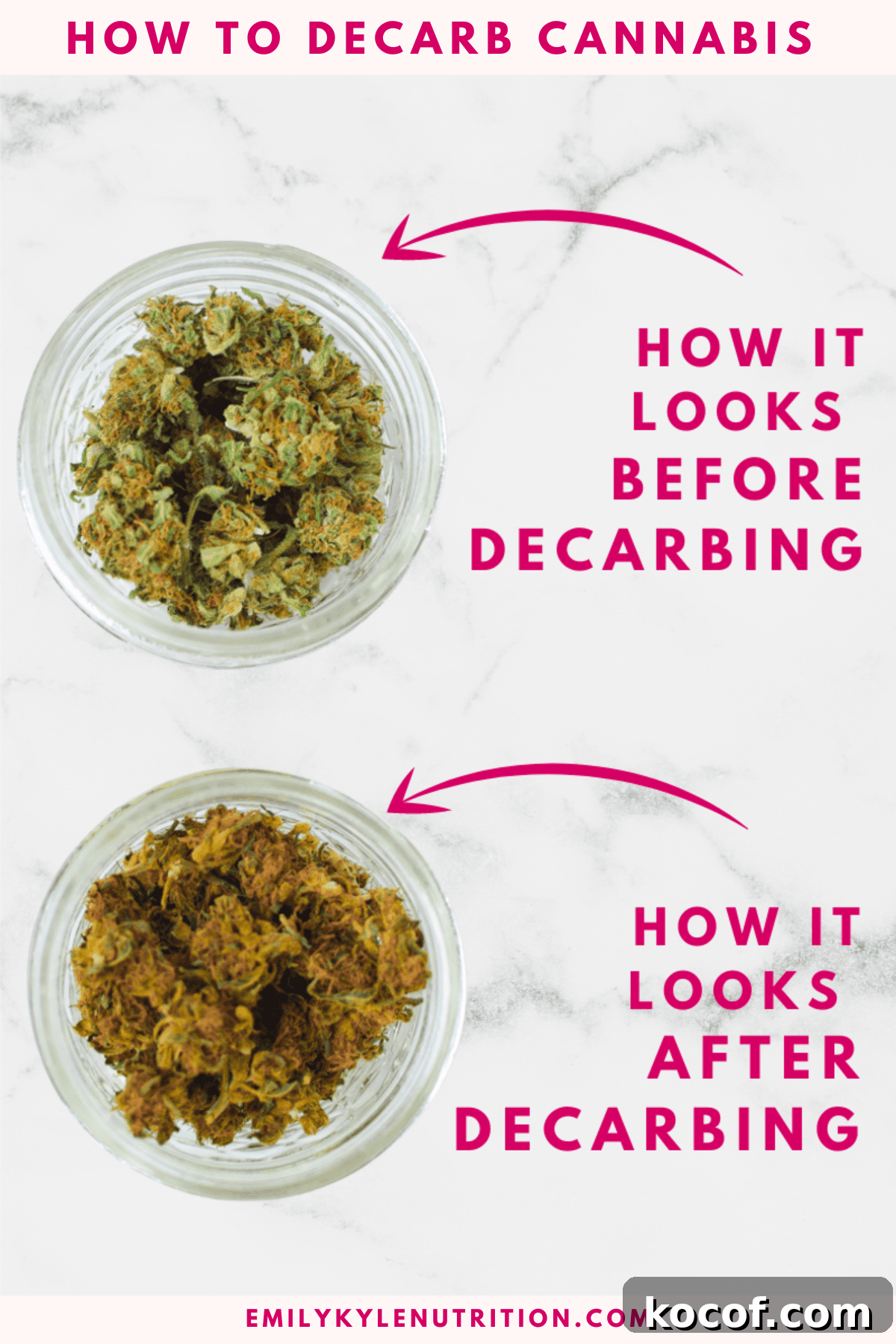
- Step 5 – Place the covered dish in the oven and bake for 90 minutes for CBD-dominant flower. The finished material should be toasted brown with a pleasant, fragrant aroma.
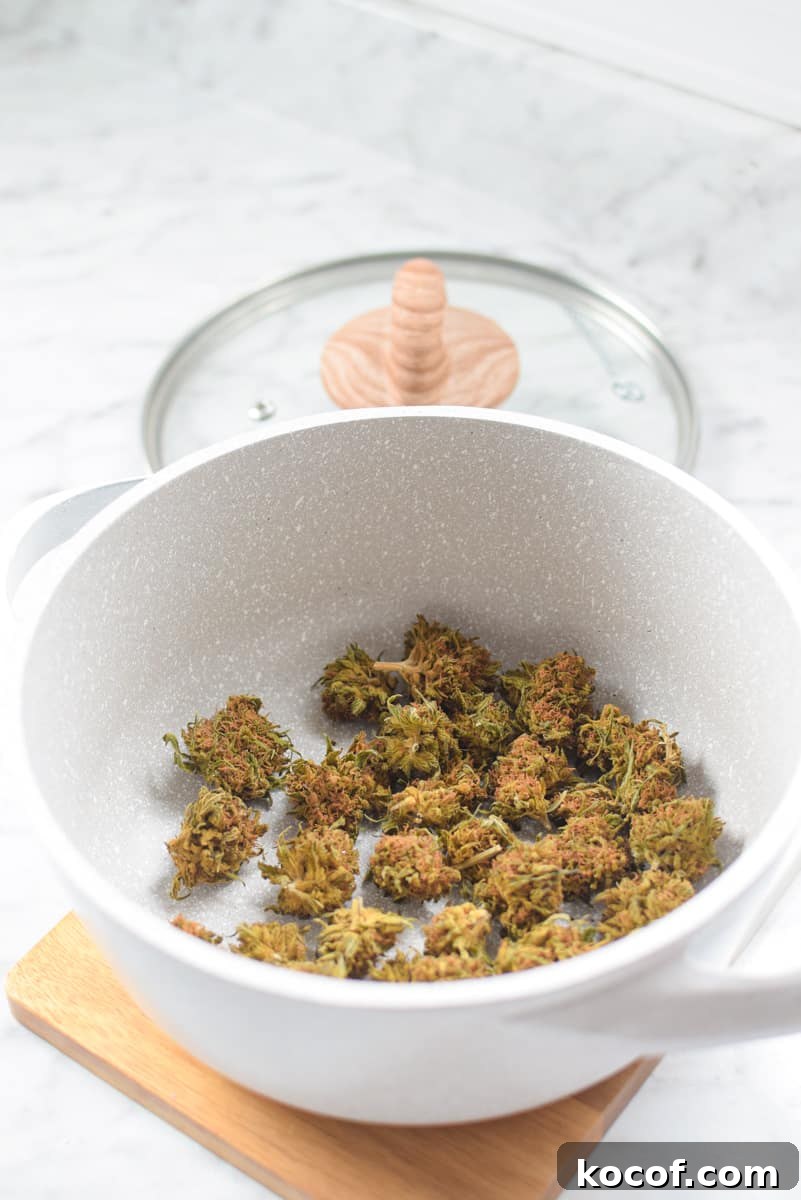
- Step 6 – Remove the dish and allow it to cool completely with the lid on to prevent oxidation.
- Step 7 – Your decarbed flower is ready for immediate use in infusions, oils, or recipes.
- Step 8 – Store unused decarbed flower in an airtight container in a cool, dark place.
Note: printable, step-by-step instructions are located in the recipe card below.
Storage Instructions
After decarboxylation, store decarbed flower in an airtight container such as a mason jar kept in a cool, dark place. Proper storage preserves potency for several months.
Freezing decarbed flower can extend shelf life and help maintain cannabinoid and terpene integrity over time.
What The Lab Tests Said
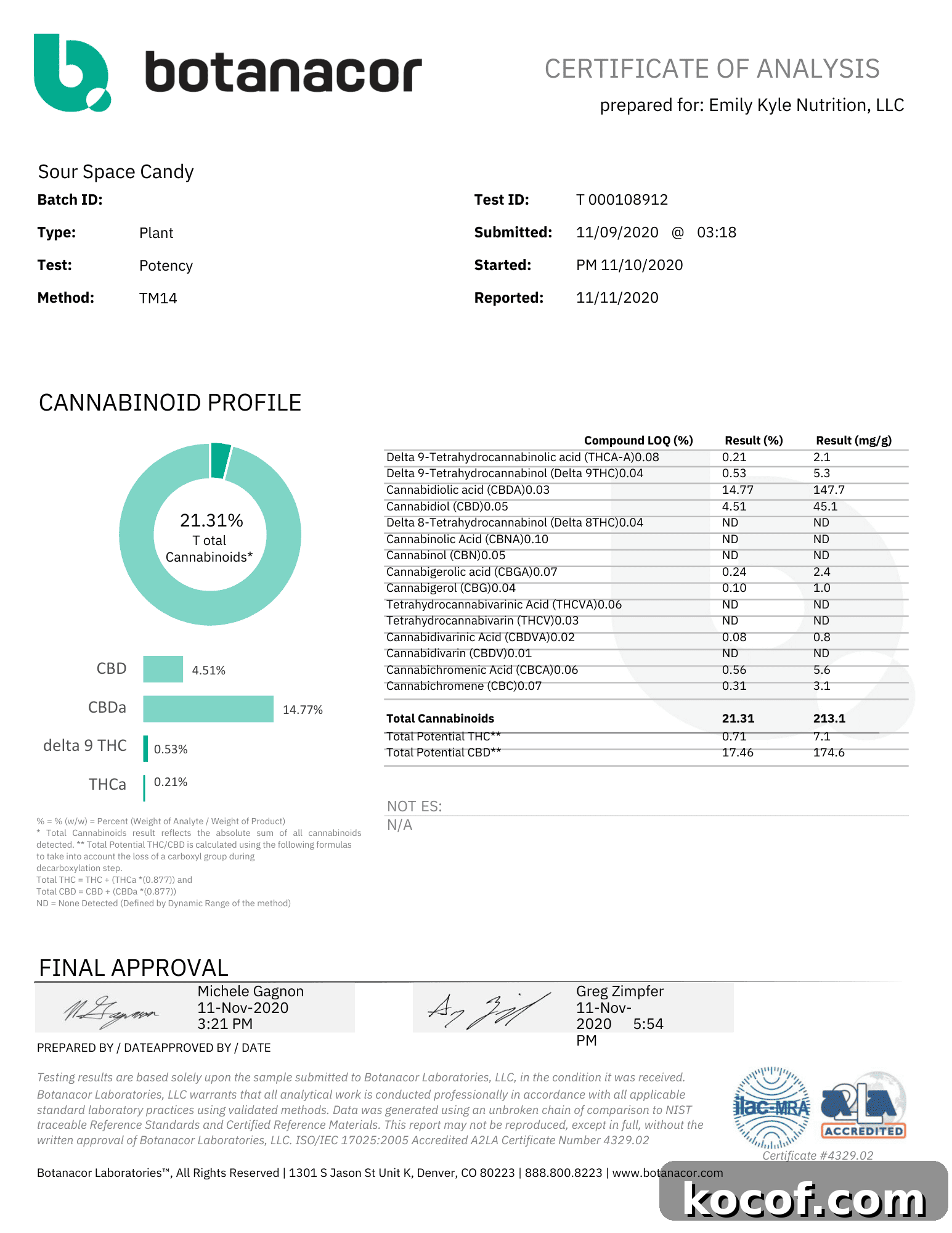
Home kitchens vary, but lab testing can provide a useful benchmark. To verify the effectiveness of the oven method, a sample of CBD-dominant flower was tested before and after decarboxylation.
The first test (the control) measured CBDA in the raw material. The second test analyzed the same material after baking at 240°F for 90 minutes. The results showed a clear conversion of CBDA into CBD, supporting the 90-minute recommendation as an effective home method.
Before Decarb:
After Decarb:
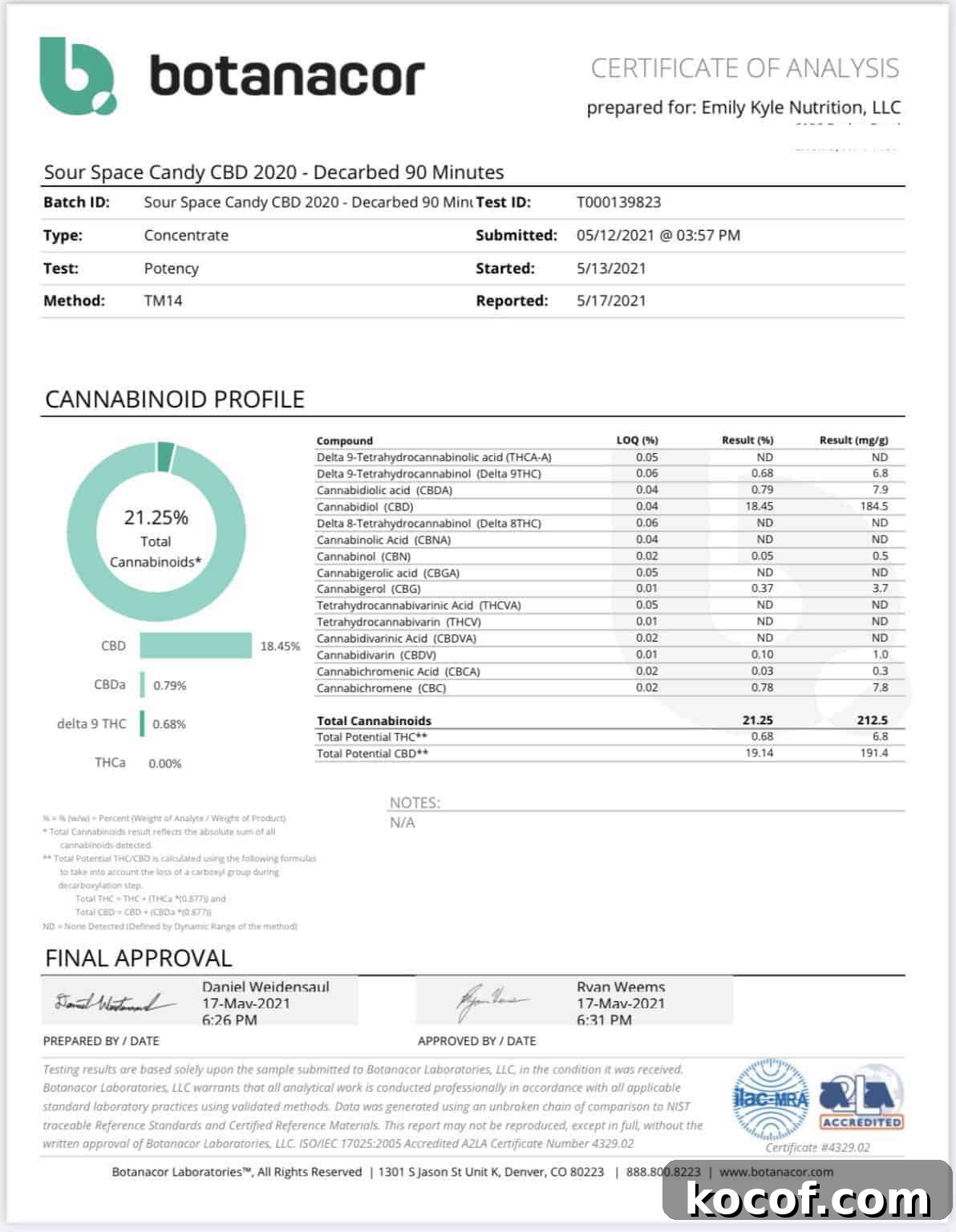
📝 The post-decarb lab test demonstrates how much CBDA converted to CBD with the 240°F for 90 minutes protocol in a home oven.
What is CBD Flower?
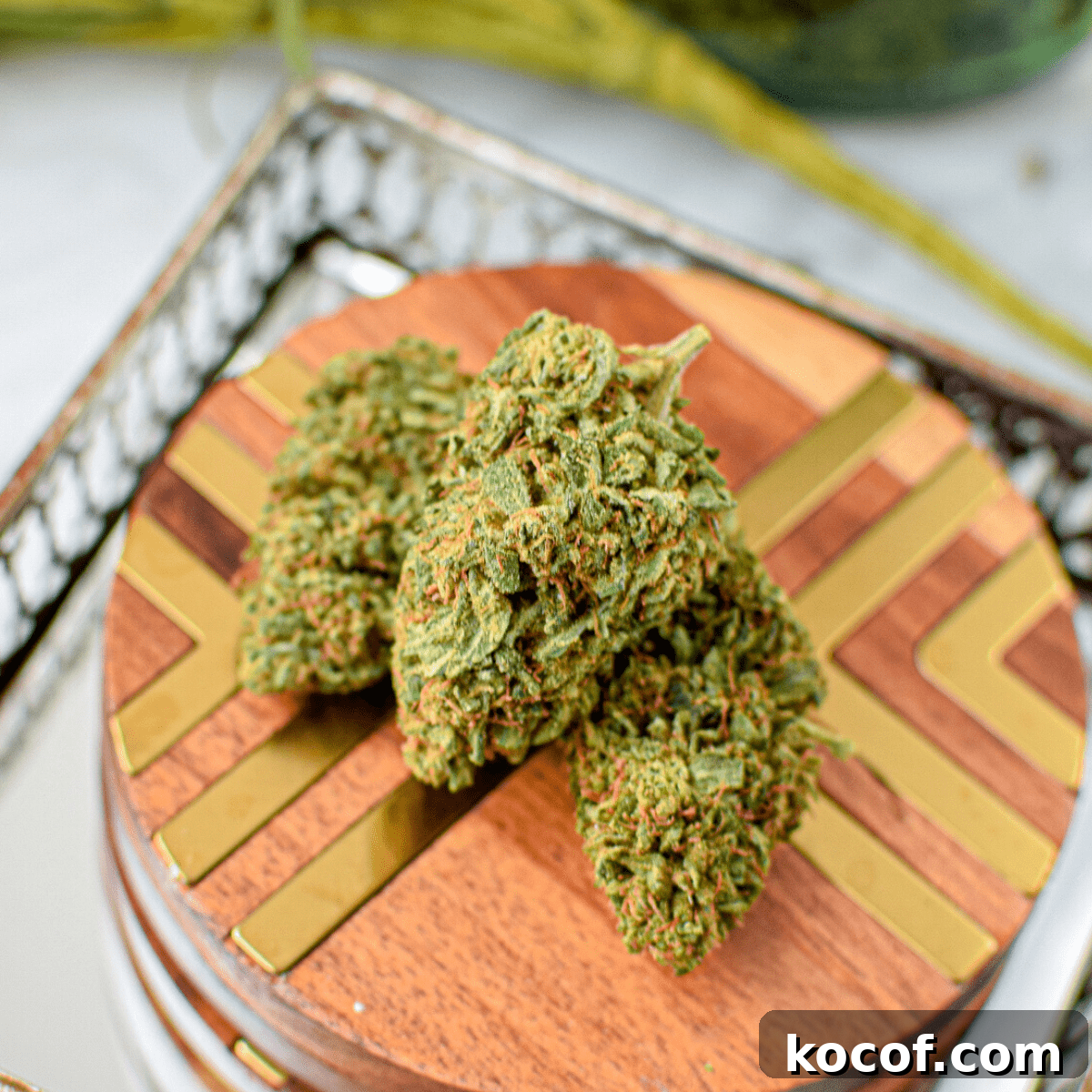
Cannabis strains vary widely in cannabinoid profiles and terpene content. CBD-dominant flower is bred to contain higher CBD and lower THC, which means it looks, smells, and can be used similarly to other cannabis flower but without the strong intoxicating high.
Third-party lab testing helps confirm the cannabinoid content and ensures you know what’s in the product you’re using.
What is Decarboxylation?
Decarboxylation (often called “decarb”) is the process of applying gentle heat to convert acidic cannabinoids like CBDA and THCA into their active forms — CBD and THC. Many therapeutic recipes rely on activated cannabinoids, so decarbing raw flower is a key preparatory step for edibles, oils, and topicals.
Variations Will Occur
Decarbing in an oven or using devices like an Instant Pot or dedicated decarboxylation machines are practical home methods. Results can vary based on multiple factors, so it helps to understand what influences the outcome.
- Chemical structure — the starting cannabinoid profile affects final conversion rates.
- Oven temperatures — household ovens fluctuate, so use an oven thermometer if precision matters.
- Method used — oven, Instant Pot, or specialized devices will produce different results.
- Temperature and time — higher temperatures speed conversion but risk degrading cannabinoids and terpenes; the 240°F for 90 minutes method balances conversion and preservation for CBD-dominant flower.
Despite variability, decarboxylation’s goal is consistent: activate cannabinoids so they can be used effectively in homemade infusions and edibles.
You Want to Decarb For Edibles
Decarbed CBD flower can be used to make any edible you like — from infused oils and butter to baked goods and seasonings. These products won’t produce a strong intoxicating high when made from CBD-dominant flower, but they can deliver the calming and therapeutic effects many people seek.
Recommended home method for CBD-dominant flower: bake at 240°F for 90 minutes to convert CBDA into CBD while preserving flavor and aroma.
After decarbing, common extraction and infusion options include:
- Infused oils
- Cannabutter for baking
- Brownies, cookies, and other baked treats
- Savory preparations like seasoned rubs
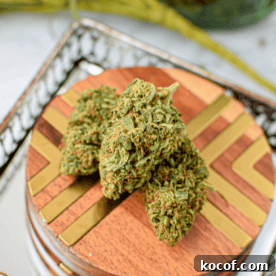
How to Decarb CBD Flower
Equipment
-
Digital scale
-
Oven-safe baking dish with a lid (or foil cover)
What You Need
- 1 ounce CBD flower buds (or leaf, trim, shake, or kief)
Instructions
-
Preheat the oven to 240°F (115°C).
-
Weigh the cannabis flower to your desired amount.
-
Gently break up the buds and remove stems as needed.
-
Spread the flower in an even layer in an oven-safe dish and cover tightly.
-
Bake for 90 minutes for CBD-dominant flower, then remove and cool completely with the lid on.
-
Store in an airtight container in a cool, dark place if not using immediately.
Notes
- Long Term Storage: Decarbed CBD flower can be stored for several months in an airtight container in a cool, dark place. Freezing can help preserve potency even longer.
Nutrition
Frequently Asked Questions
It’s not recommended to place a sealed mason jar in a dry oven; the glass can crack or shatter. Use an oven-safe dish or cover with foil instead.
Yes. Dedicated decarboxylation devices and some kitchen appliances can automate the process and provide consistent results.
Legal status depends on local and state laws. In the U.S., hemp containing less than 0.3% THC is federally legal, but some states restrict the sale or possession of hemp flower. Check your local regulations before purchasing or using CBD flower.
Access to medical cannabis varies by location. For general hemp-derived CBD products, licensed retailers and reputable online shops are common sources. For THC-containing medical cannabis, follow your state’s medical program and dispensary rules.
In Conclusion
Decarboxylation is the key step that unlocks the active cannabinoids in CBD flower. With a straightforward oven method — 240°F for 90 minutes — you can reliably convert CBDA to CBD and prepare your flower for oils, edibles, and topicals.
Understanding this process helps you make consistent, effective homemade cannabis infusions. If you want guided learning or hands-on experience, consider workshops and community resources that focus on safe, informed use of CBD and cannabis products.
Unlock the Basics of CBD in a Short Workshop
If you’re eager to deepen your knowledge, immersive workshops can offer expert guidance, practical tips, and community support to help you use CBD and THC responsibly and effectively.
More CBD Articles You May Like
CBD Guides & Recipes
Your Guide to Getting Started with CBD Flower
CBD Guides & Recipes
How To Cook With CBD Oil + 15 Recipes
Cannabis Infusions & Extractions
Easy Homemade CBD Oil Recipe
CBD Guides & Recipes