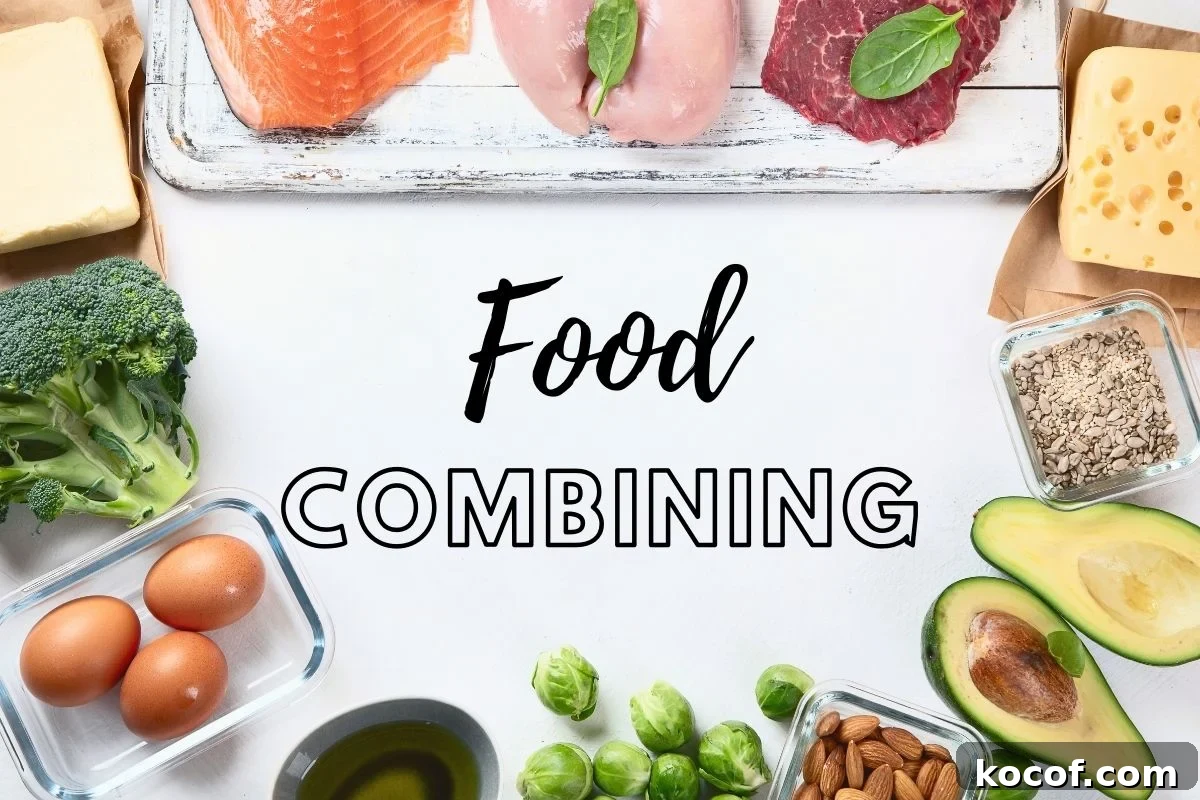
Food combining is an eating approach that suggests certain foods digest differently and that pairing or separating food groups at meals can support digestion. The idea is based on differences in digestive timing and transit through the gastrointestinal tract.
Below we review common food-combining guidelines, which pairings to avoid, who may benefit most from these practices, and potential advantages. A food combining chart is included for quick reference.
Related: Immune Boosting Tonic
An Overview Of Combining Foods
Food combining principles draw from traditional systems such as Ayurveda and claim certain foods are best eaten alone or paired selectively. Critics call it a fad, noting that most whole foods already contain a mix of carbohydrates, proteins and fats, and that the digestive system is normally capable of handling mixed meals.
Digestion, however, varies by individual and depends on factors like portion size, macronutrient ratios and gut health. Very large meals, repeated intake of varied items in one sitting (for example a large dinner followed by dessert and drinks), and reduced microbial diversity can promote prolonged fermentation in the gut, which may impair gut health and contribute to inflammation.
Although research specifically validating classic food-combining rules is limited, many evidence-based combinations do improve nutrient absorption and antioxidant synergy. For example, pairing egg yolks with leafy salads enhances carotenoid absorption thanks to the fat in eggs; combining vitamin D–rich foods with plant sources of calcium can improve calcium uptake; and certain fruit–chocolate mixes increase antioxidant benefits.
Still, how different macronutrient groups interact when eaten together is not fully understood and likely varies between people.
Related: 14 Habits To Improve Immune System Against Allergies
Who Can Benefit From Food Combining
- People with digestive symptoms such as gas, bloating, acid reflux or visible undigested food;
- Individuals with gastroparesis where stomach emptying is delayed;
- Those experiencing skin issues like acne, eczema or psoriasis that may relate to internal digestive imbalance;
- People with low digestive enzyme activity, nutrient deficiencies or persistent fatigue;
- Anyone with food intolerances or allergies (for example dairy or gluten sensitivities);
- Patients with pancreatic disorders, such as chronic pancreatitis.
Related: Choosing The Healthiest Cookware With Safest Materials
Combining Foods Can Support Weight Management
One aim of food combining is to reduce digestive strain by simplifying what the stomach must process at once, often by changing the order foods are eaten. Eating smaller, more focused meals may promote satiety and reduce overall intake, which can support weight loss.
Research shows greater variety within a meal increases intake, which may promote overeating. Conversely, eating fruit before a meal has been shown in some studies to suppress appetite and extend satiety compared with eating fruit after a meal, suggesting timing can affect how much you eat.
Related: How To Choose Clean Supplements: Quality Check Tips
Food Combination Rules
Even when eating a generally healthy diet, some people struggle to absorb nutrients due to inflammation or digestive dysfunction. Because individual digestion varies, experimenting with food combining may help determine what works best for you.
Here are five commonly recommended food combining rules:
1. Avoid Combining Starches and Protein
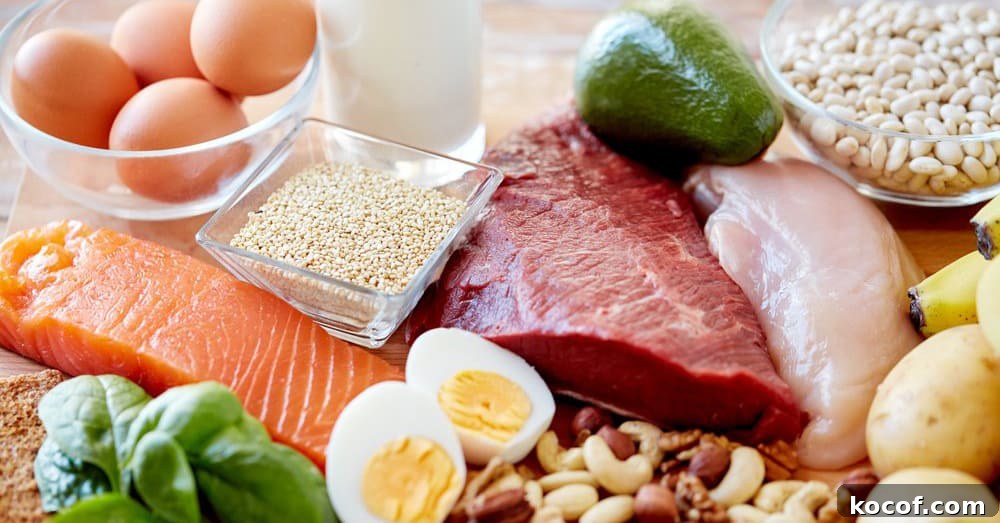
Proteins include meat, eggs, nuts, seeds and legumes. Starches include bread, rice, potatoes, squash and most grains. While healthy individuals often tolerate mixed meals, people with low stomach acid or enzyme deficiencies may struggle when proteins and starches are consumed together because this combination can demand more from gastric digestion.
This pattern may contribute to small intestinal bacterial overgrowth (SIBO) symptoms—excess gas, bloating, pain and diarrhea—especially when carbohydrate load is high. Some studies show eating protein and vegetables before carbohydrates can reduce post-meal glucose and insulin responses in people with type 2 diabetes. If you favor high-protein items, pair them with non-starchy vegetables.
2. Eat Fruit Before Meals or Two Hours After
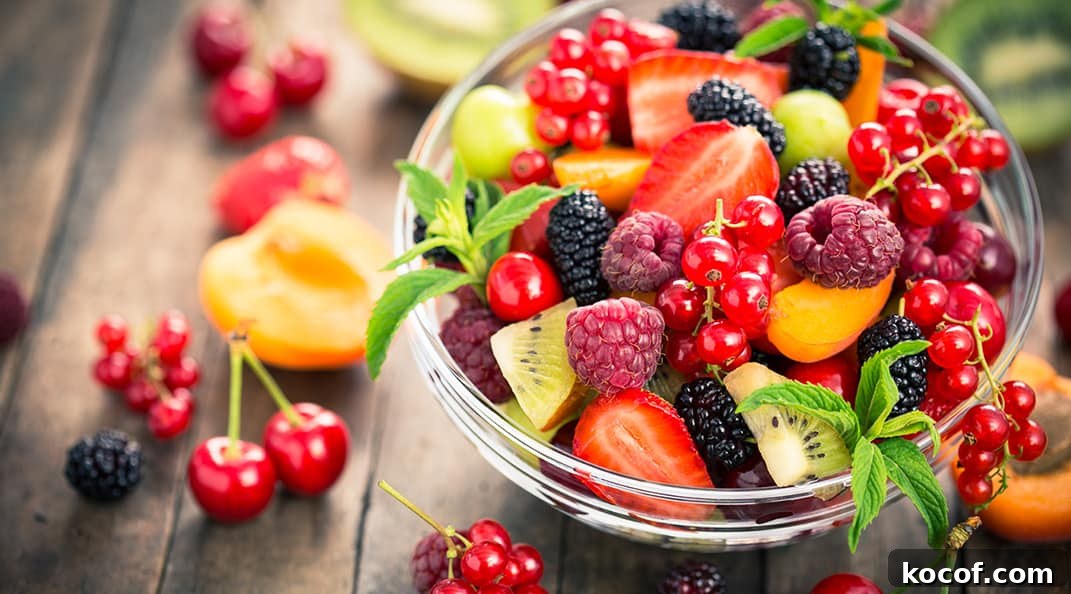
Eating fruit 30–60 minutes before a meal, or waiting about two hours after a meal to eat fruit, may help with digestion and appetite control. Consuming fruit before a meal can increase fullness and potentially reduce overeating. Eating fruit immediately before bedtime is not advised for some people, as the sugars may raise energy and interfere with sleep.
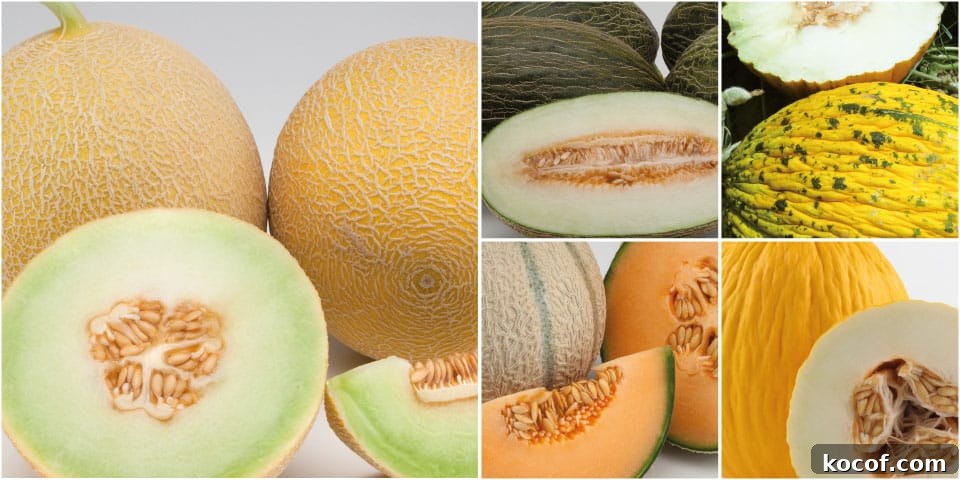
3. Eat Melons Separately
Melons (watermelon, cantaloupe, honeydew) contain a high proportion of water and are rapidly digested. Combining melons with slower-digesting fruits or heavy foods can slow gastric transit and potentially cause discomfort in sensitive individuals. Try eating melons alone and observe how your body responds.
4. Don’t Combine Multiple Protein Sources in One Meal
Avoid eating several protein types together, such as eggs with bacon, or fish with steak. Combining multiple dense protein sources may take longer to digest and can be harder on some digestive systems. Instead, choose one primary protein source and pair it with vegetables or light sides.
5. Limit Drinking During Meals
Drink liquids about 30 minutes before a meal and wait up to an hour after eating when possible. If you need fluid during a meal, take small sips. Very cold drinks can be jarring for digestion for some people. Large amounts of fluid at mealtime may make you feel full before obtaining needed nutrients and can lead to returning hunger sooner.
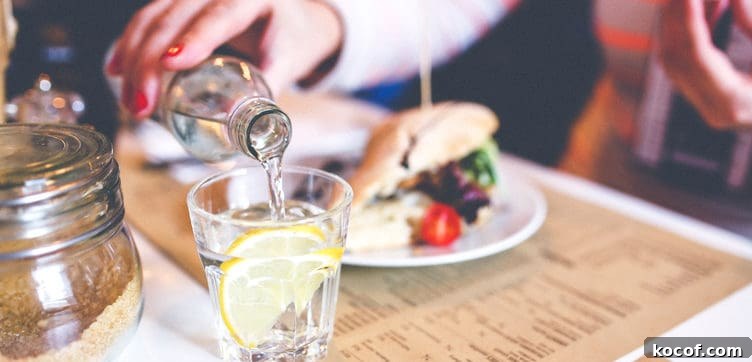
Fresh juices used therapeutically are often best consumed before meals for faster absorption. Claims that drinking during meals dilutes digestive enzymes remain unproven.
Combining Foods FAQs
Potential benefits include improved digestion for some people, better nutrient absorption, increased satiety and reduced stomach discomfort when guidelines suit an individual’s digestive function.
Fruits tend to digest faster and contain more natural sugars; some people find fruit eaten with slower-digesting vegetables can delay stomach emptying. Individual tolerance varies.
Examples that may cause issues for sensitive individuals include bread with fruit, pasta with heavy meats, potatoes with meat, burgers with fries, fruit eaten during main meals, drinks consumed in large amounts with meals, and multiple protein sources together.
FOOD COMBINING CHART
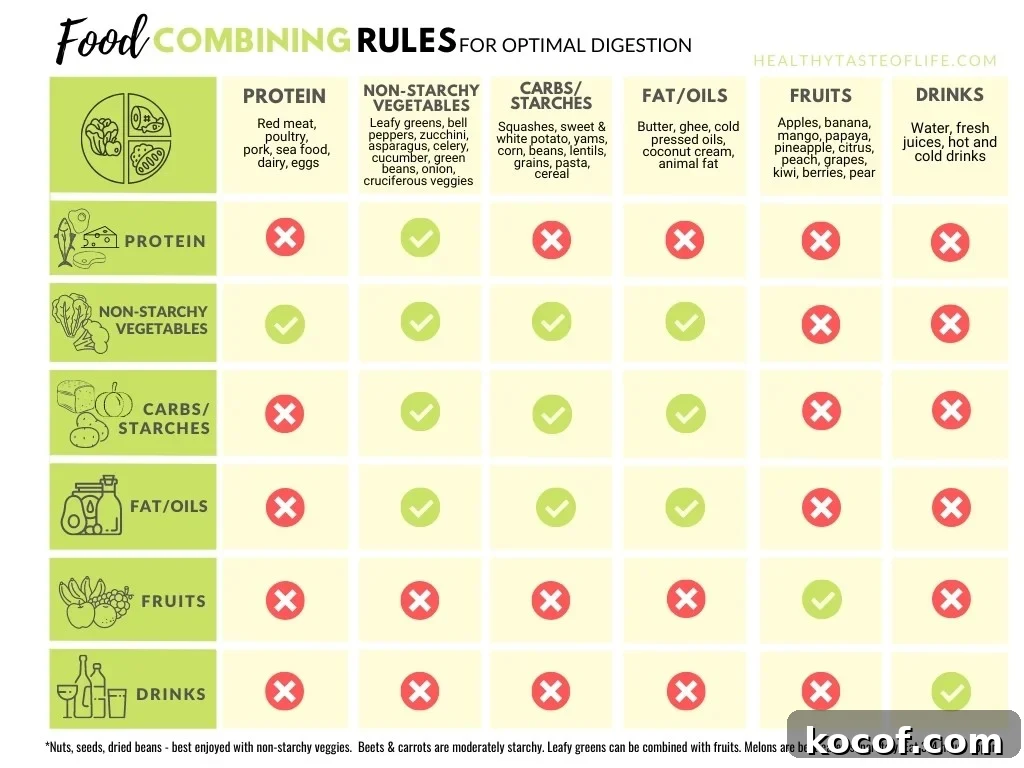
Digestion Times of Foods
Understanding digestion times can help plan meals. Simple carbohydrates like plain rice or pasta typically spend 30–60 minutes in the stomach, but when combined with fats, proteins or dense spreads (peanut butter, avocado, eggs) gastric emptying can extend to several hours. Adding meat further lengthens digestion. The complete digestive process can take many hours depending on the meal composition.
Fix The Root Cause Of The Problem
To improve digestion more sustainably, address underlying causes. Some people benefit from digestive enzyme supplements or hydrochloric acid (HCl) support when stomach acid is low, under professional guidance. Choosing high-quality foods, slowing down at meals, avoiding screens, limiting fluids during the meal, and including fermented foods can also help. If symptoms persist, testing gut microbiota and checking for dysbiosis or food sensitivities may be useful.
Ultimately, use personal experience and common sense: try food combining methods and keep those that help you feel better and support digestion.
Recipes With Food Combining Rules Applied:
- Cabbage Fritters (Fried or Baked)
- Avocado Kale Salad With Egg
- Roasted Brussels Sprouts And Asparagus With A Tangy Sauce
- Beetroot And Carrot Salad With Creamy Dressing
- Creamy Whole30 Coleslaw (No Mayo, Keto, Vegan)
- Russian Beet Salad With Sauerkraut (Vinaigrette)
- Fermented Carrot Salad
- Creamy Vegan Broccoli Soup
- Gluten Free Swedish Meatballs + Dairy Free Sauce
- Tigernut Granola (Paleo, Nut Free, Gluten Free)
- Dairy Free Smoothies For Breakfast
- Healthy Plant Based Smoothies – Dairy Free
- 4 Anti-Inflammatory Green Smoothie Recipes
You Might Also Like
Cabbage Juice for Ulcers & Gastritis: Recipe (Blender / Juicer) Benefits + Tips
How To Choose Clean Supplements: Quality Check Tips
Guide To Choosing Anti-inflammatory Foods (LIST) PDF
What I Kept From Paleo Diet (And What I Left Behind)
Disclaimer: The information on this page is for informational purposes only and is not a personalized diagnosis or treatment plan. Consult your healthcare provider with any specific questions or concerns.