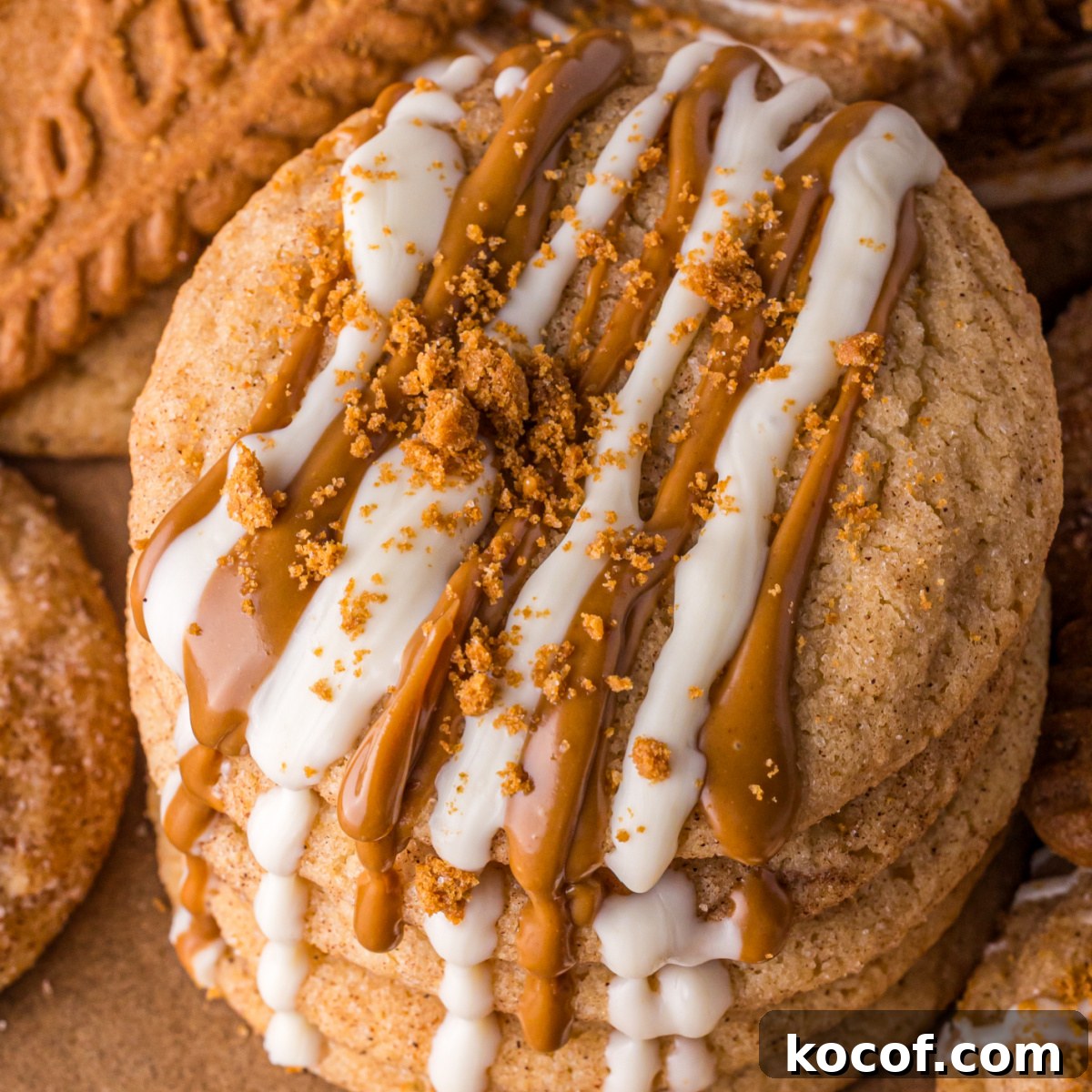
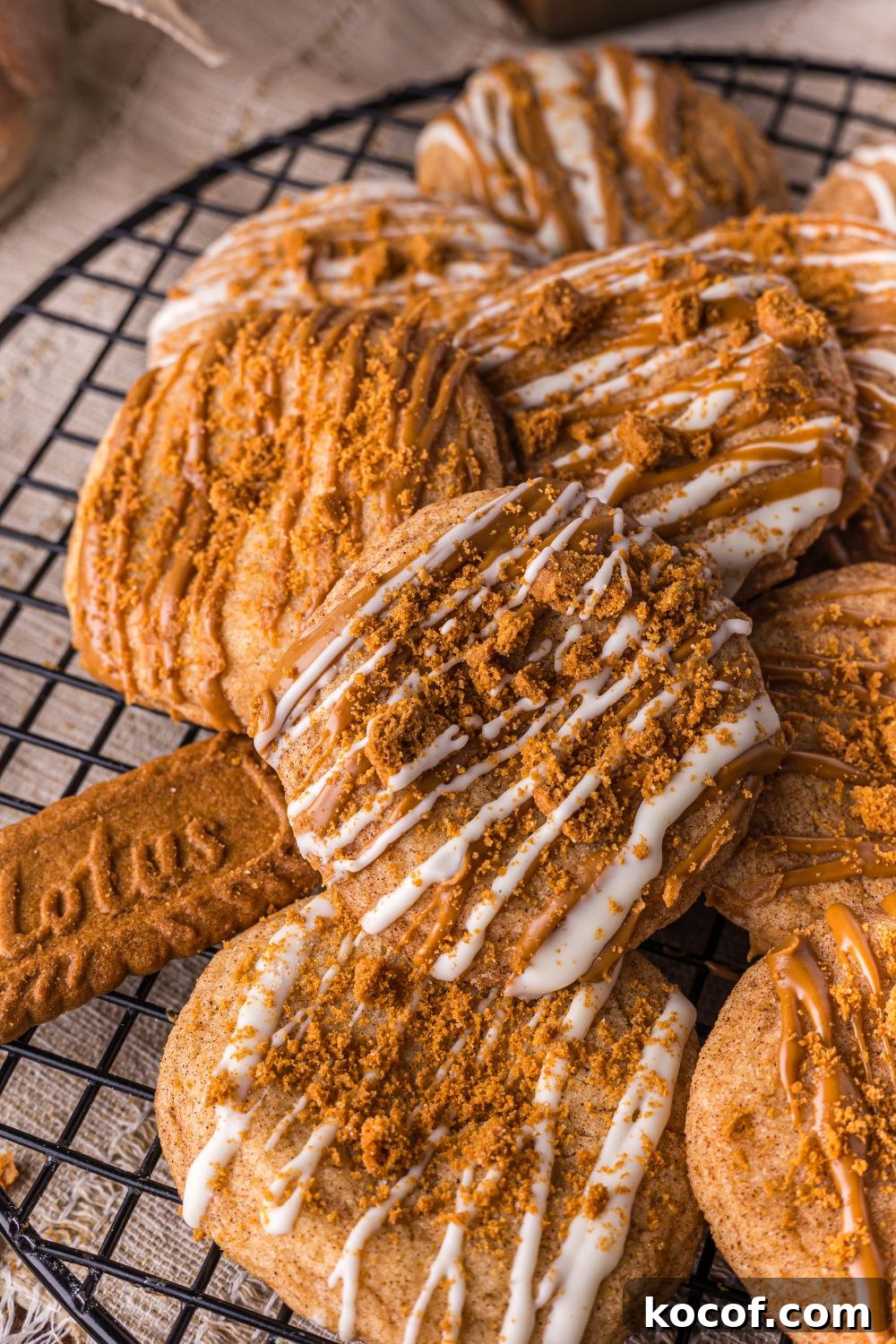
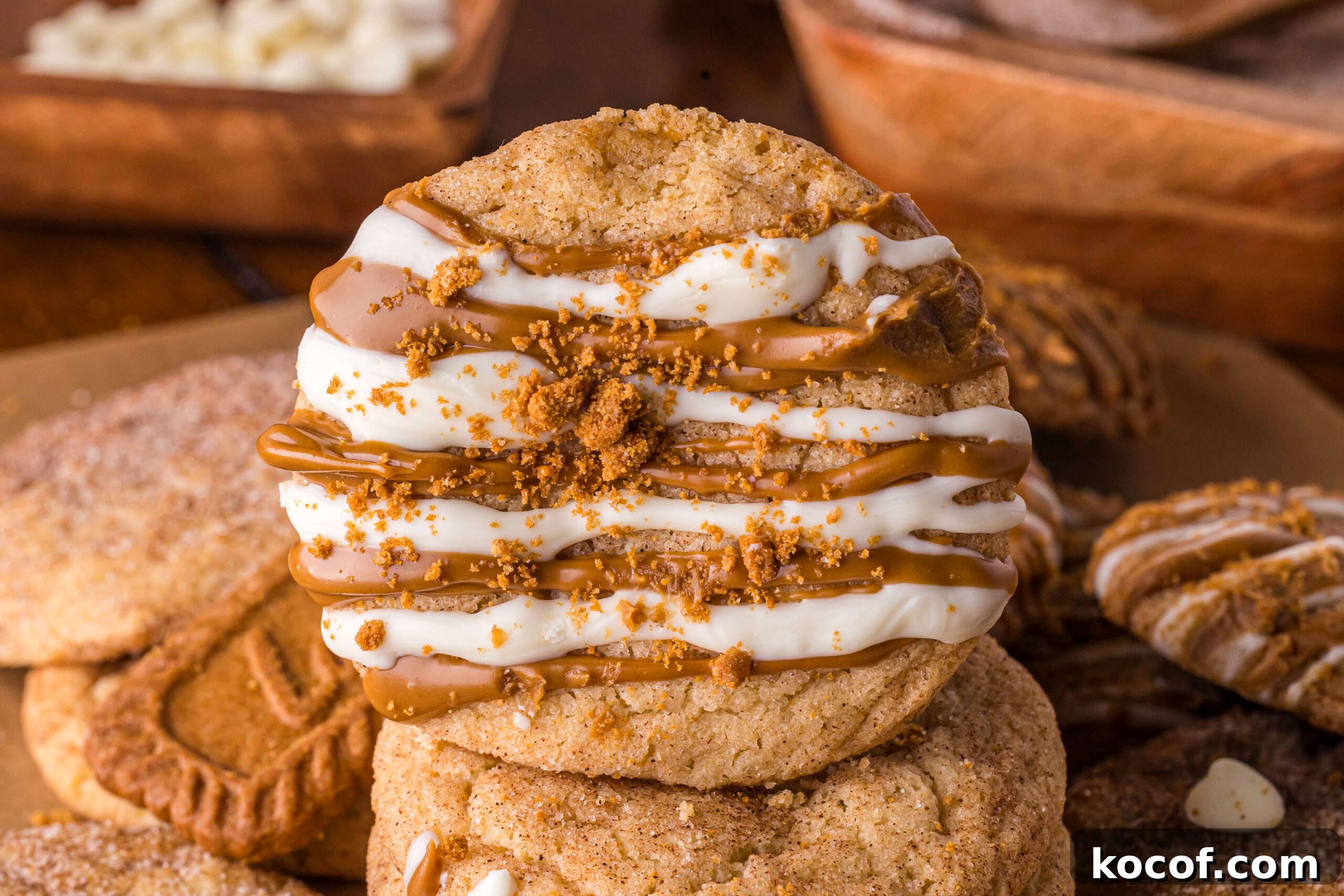
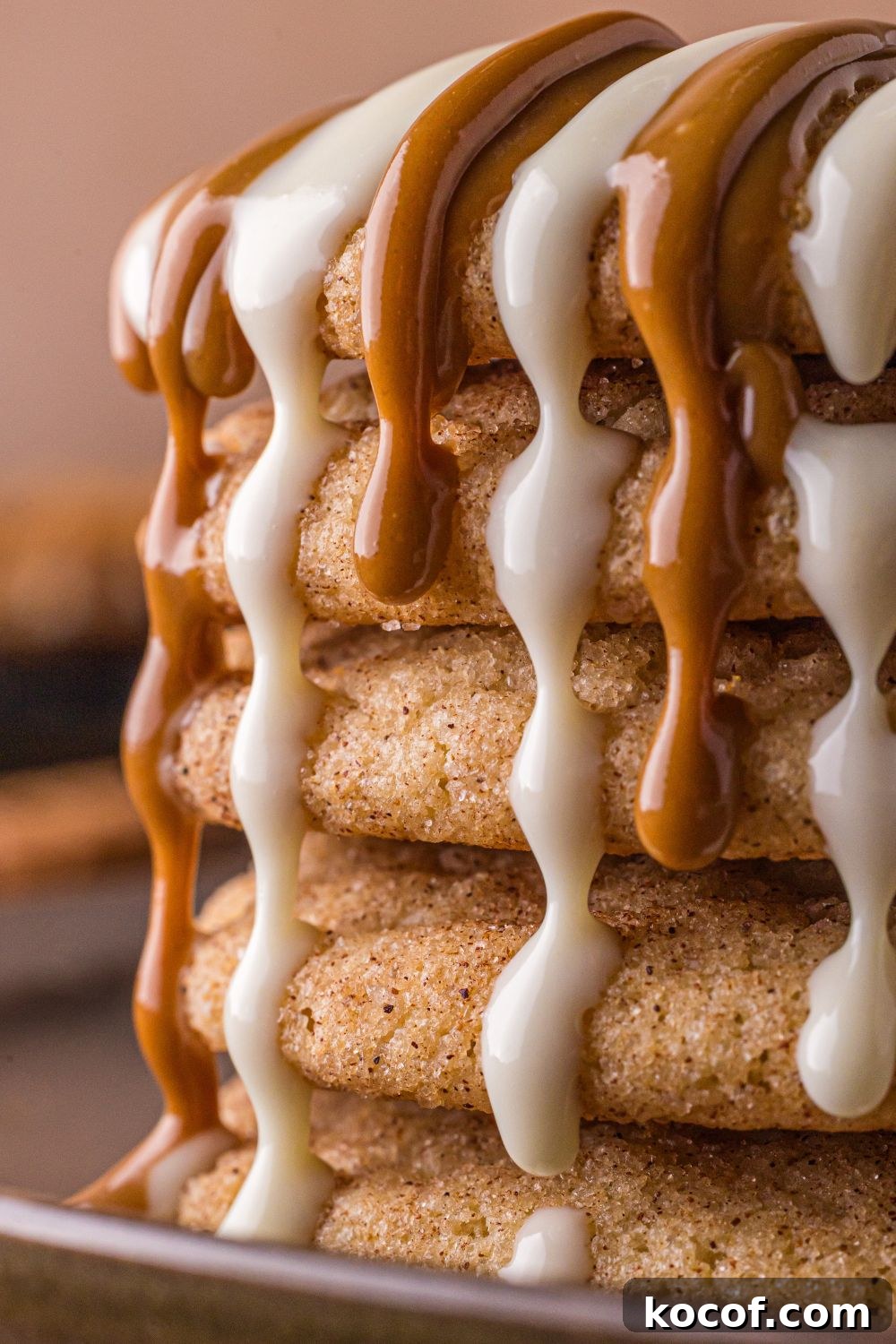
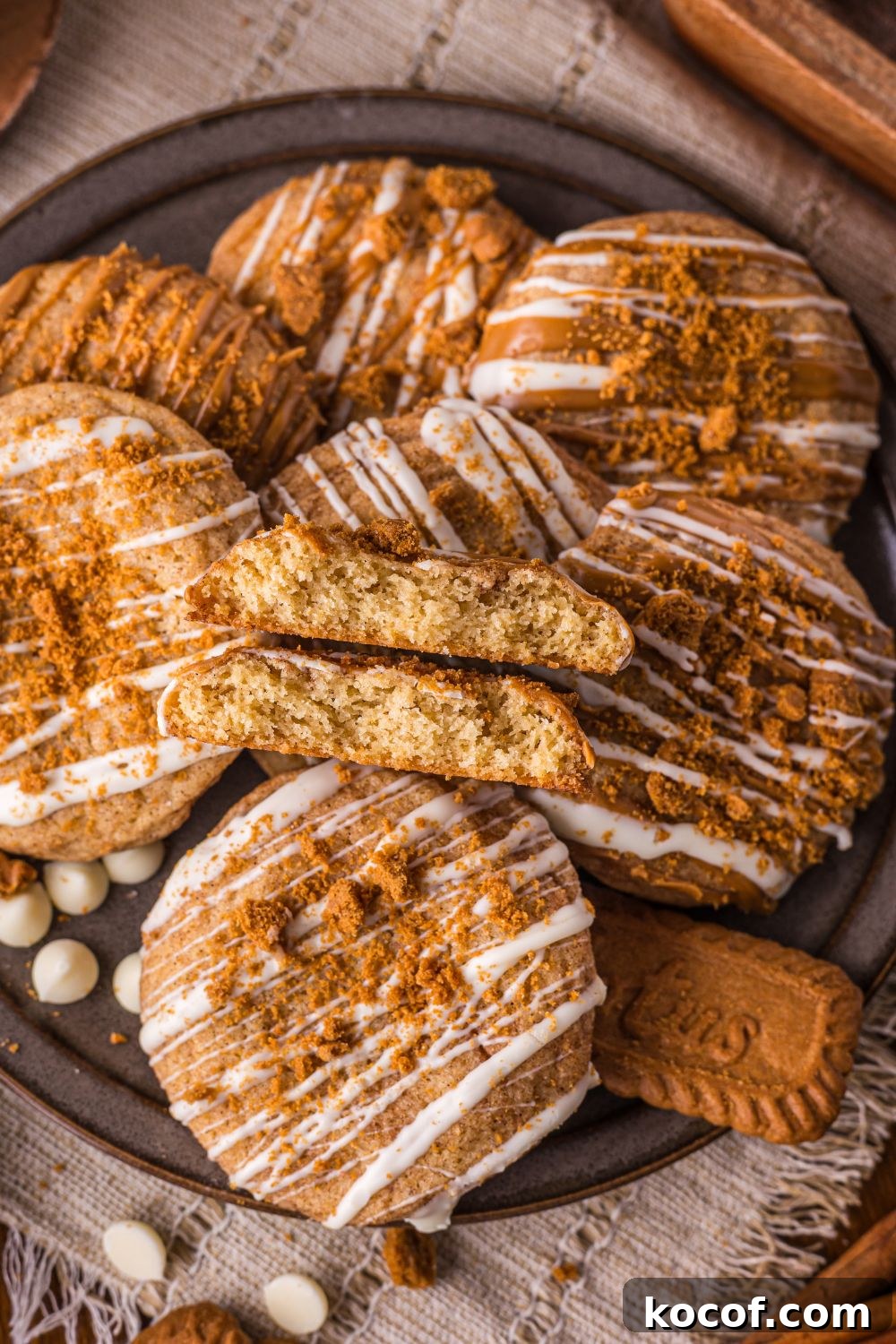
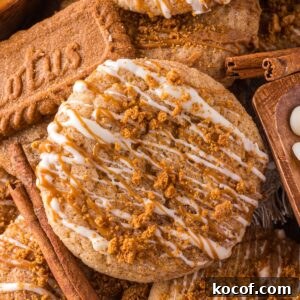
Biscoff Snickerdoodle Cookies combine the tender, tangy chew of a classic snickerdoodle with the warm caramel-spice of Biscoff cookie butter. These cookies bake up thick, soft, and chewy with a cinnamon-sugar coating and a subtle cookie-butter richness in every bite. The dough chills quickly, ingredients are straightforward, and the results taste like they came from a bakery.
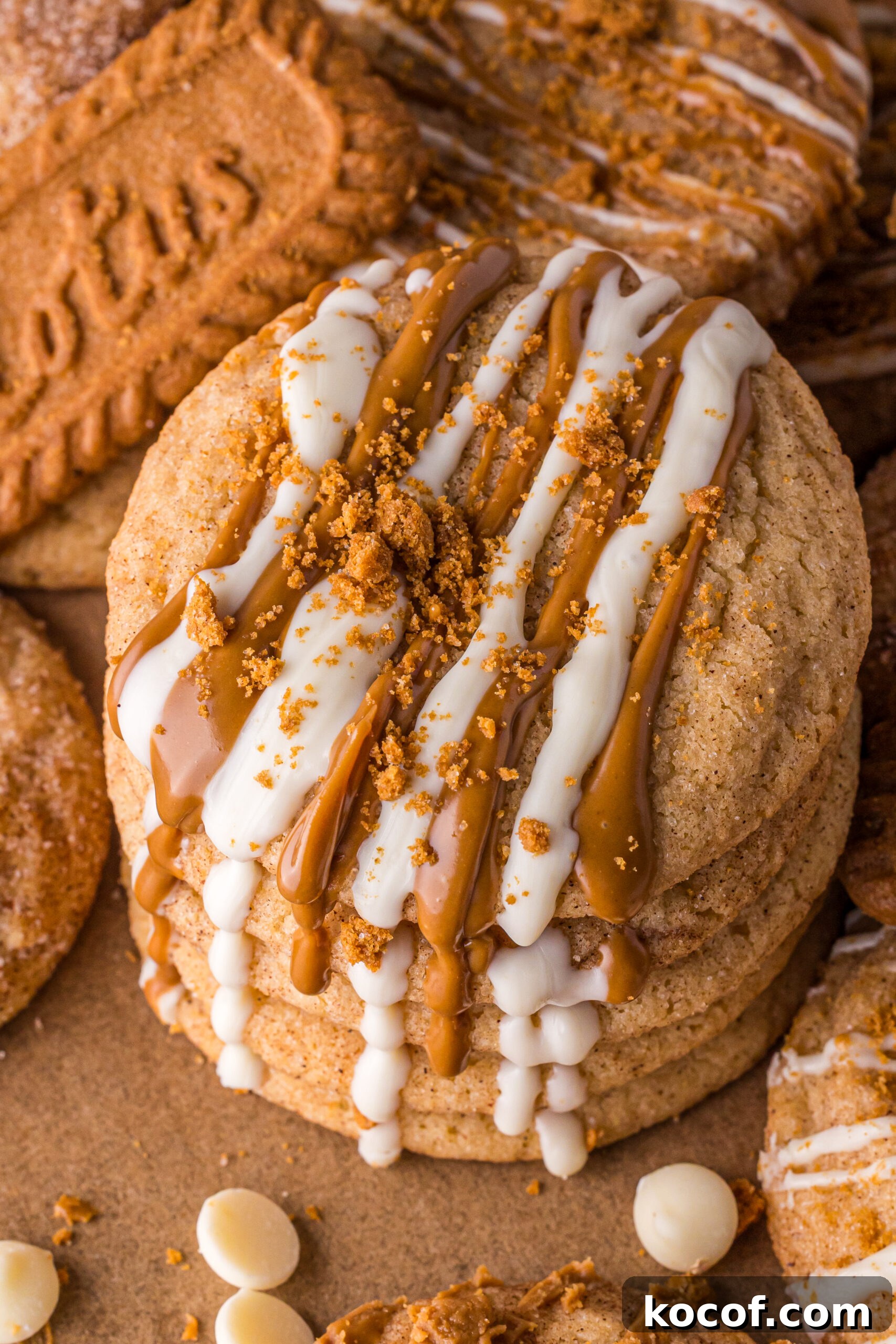
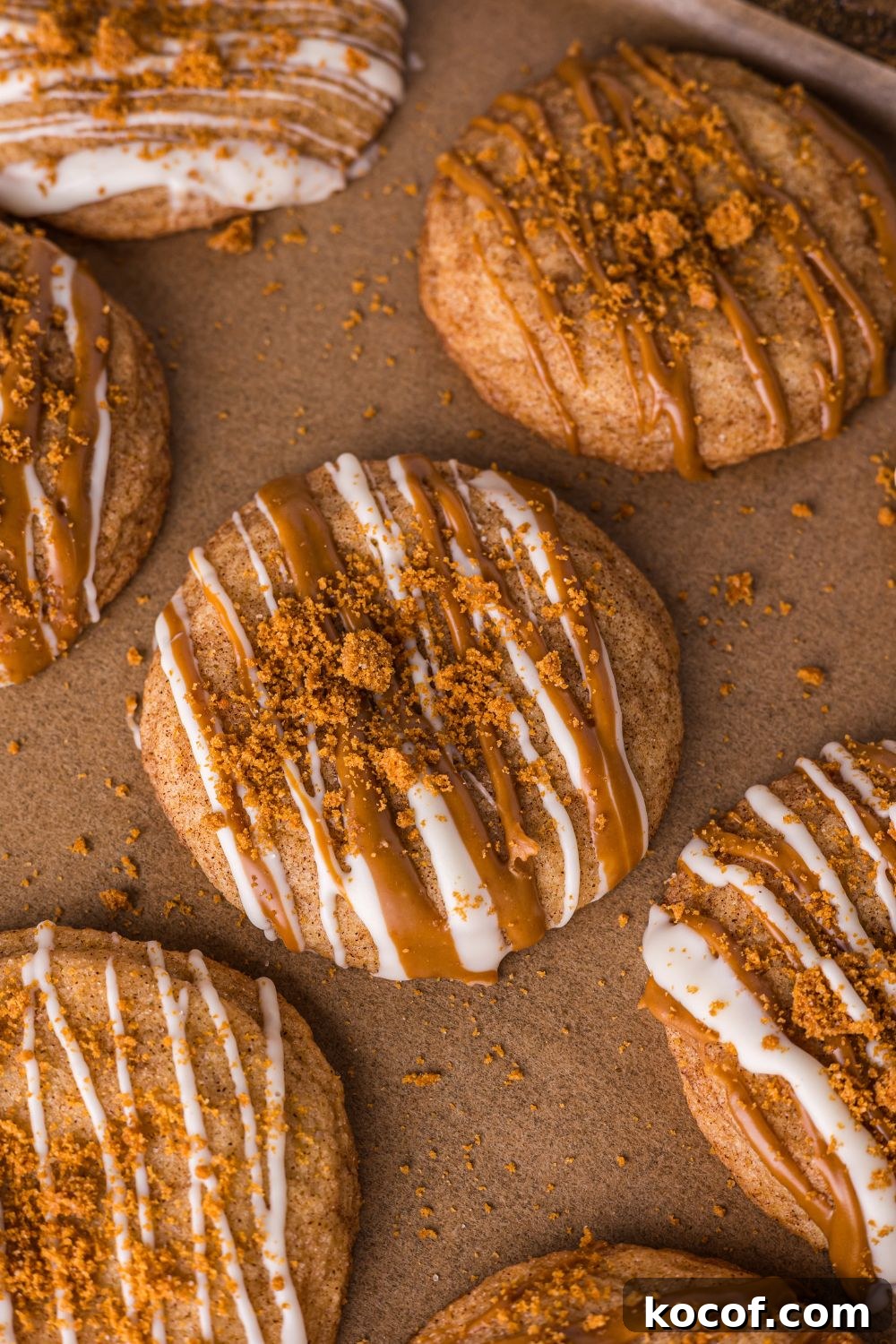
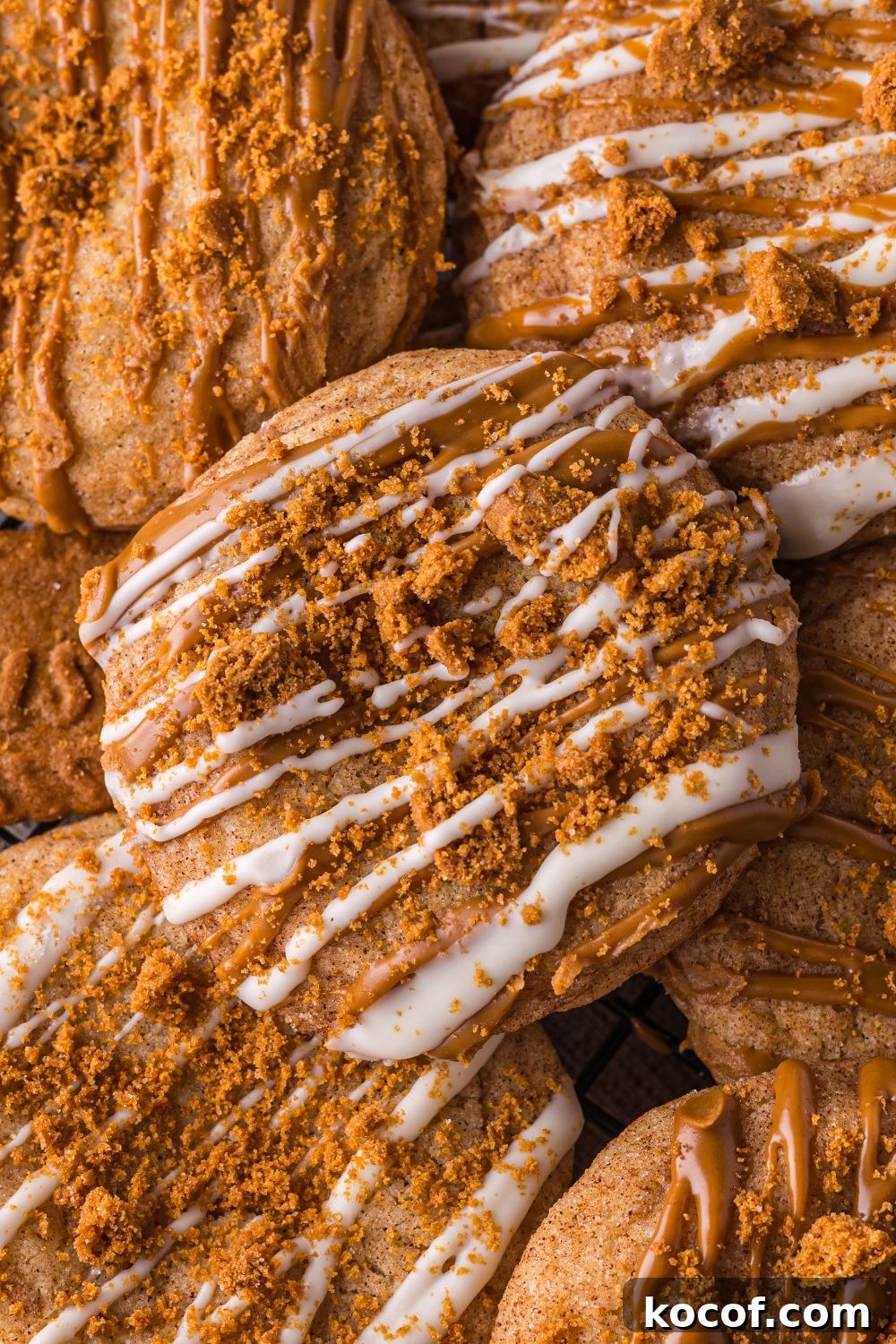
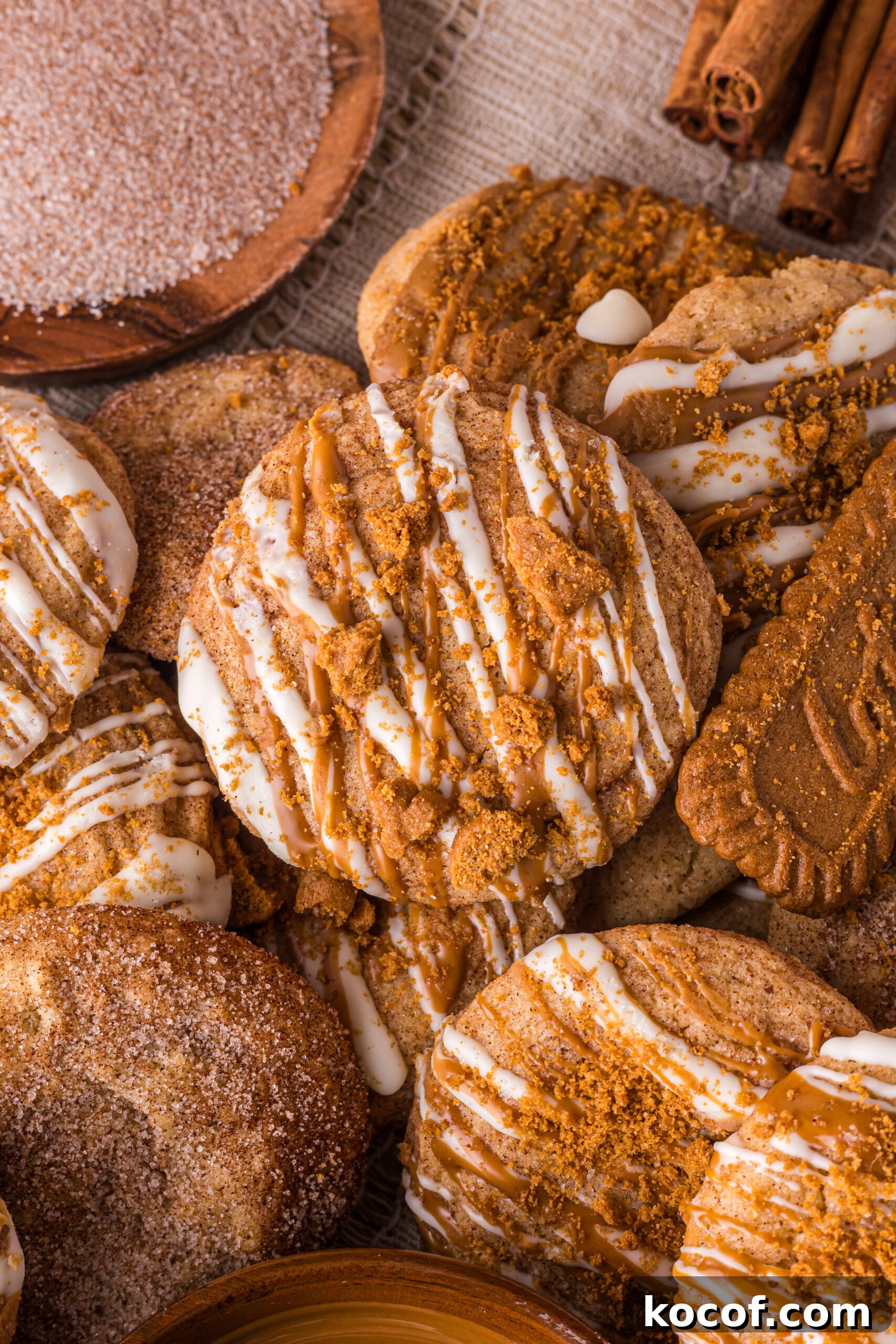
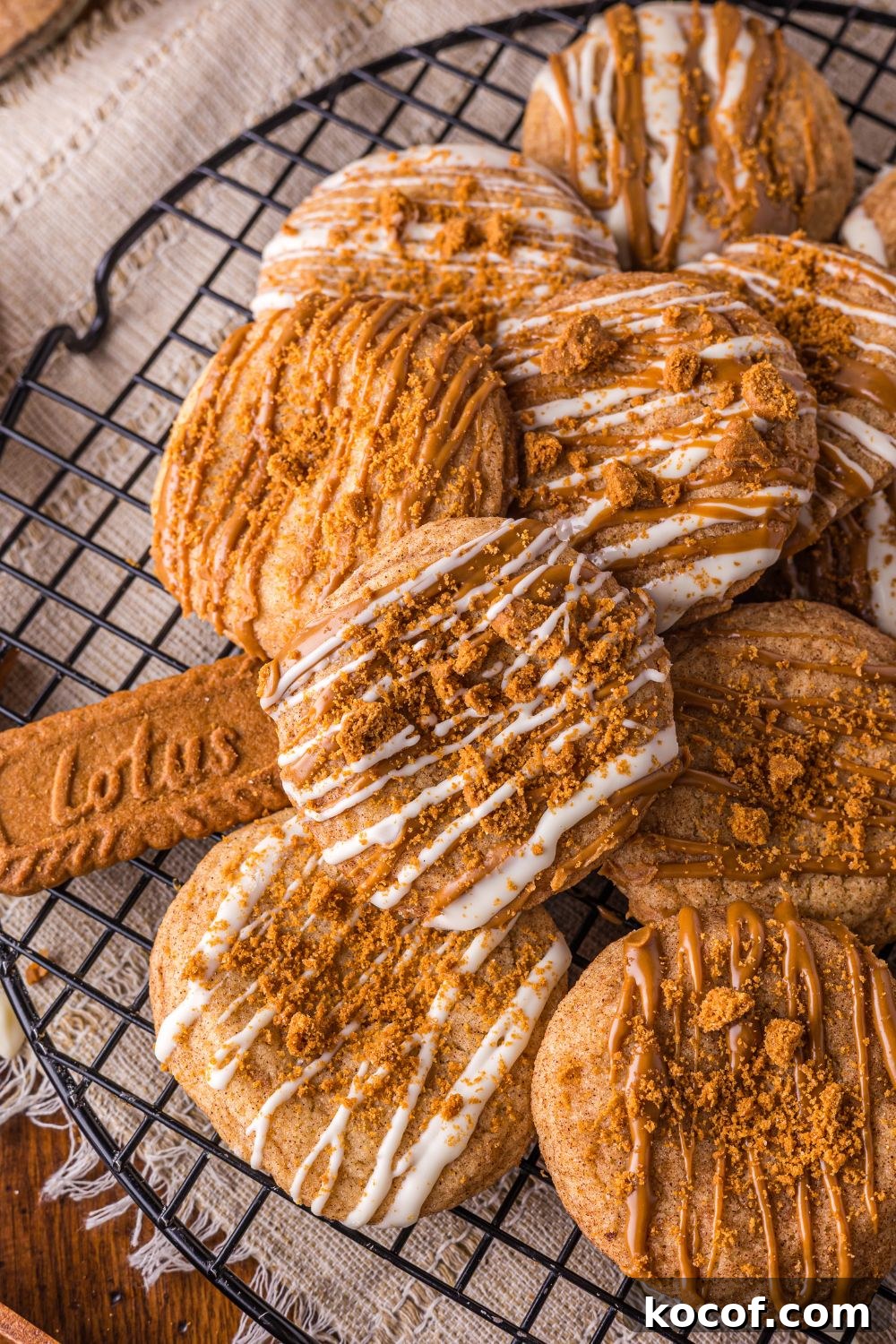
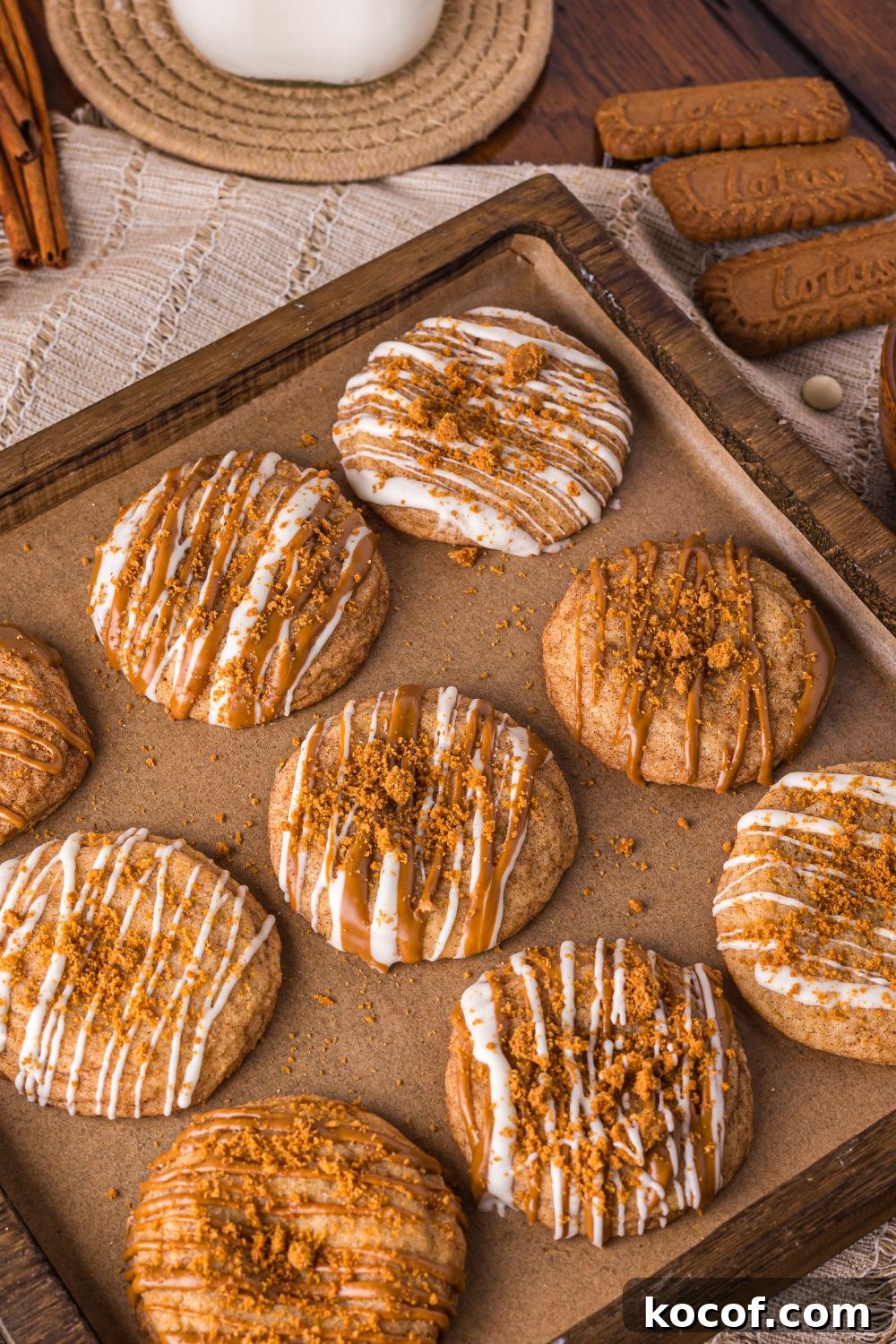
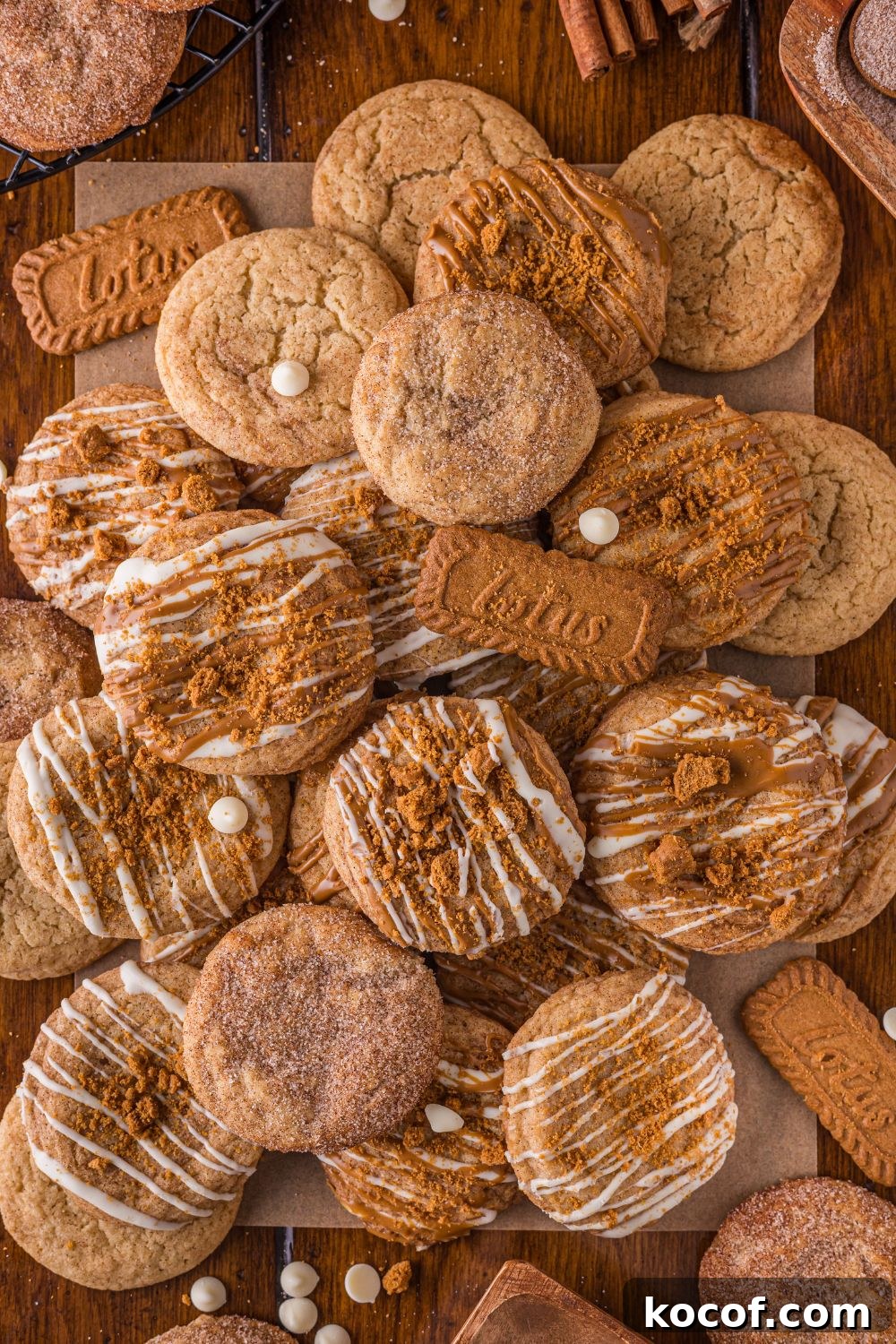
As they bake your kitchen fills with cinnamon and brown sugar aromas. Once cooled, an optional drizzle of melted cookie butter or white chocolate and a sprinkle of crushed Biscoff elevate these cookies into something special—perfect for holiday platters, cozy fall baking, or anytime you want a memorable cookie. If you love Biscoff or enjoy a soft, flavorful snickerdoodle, these will be gone fast.
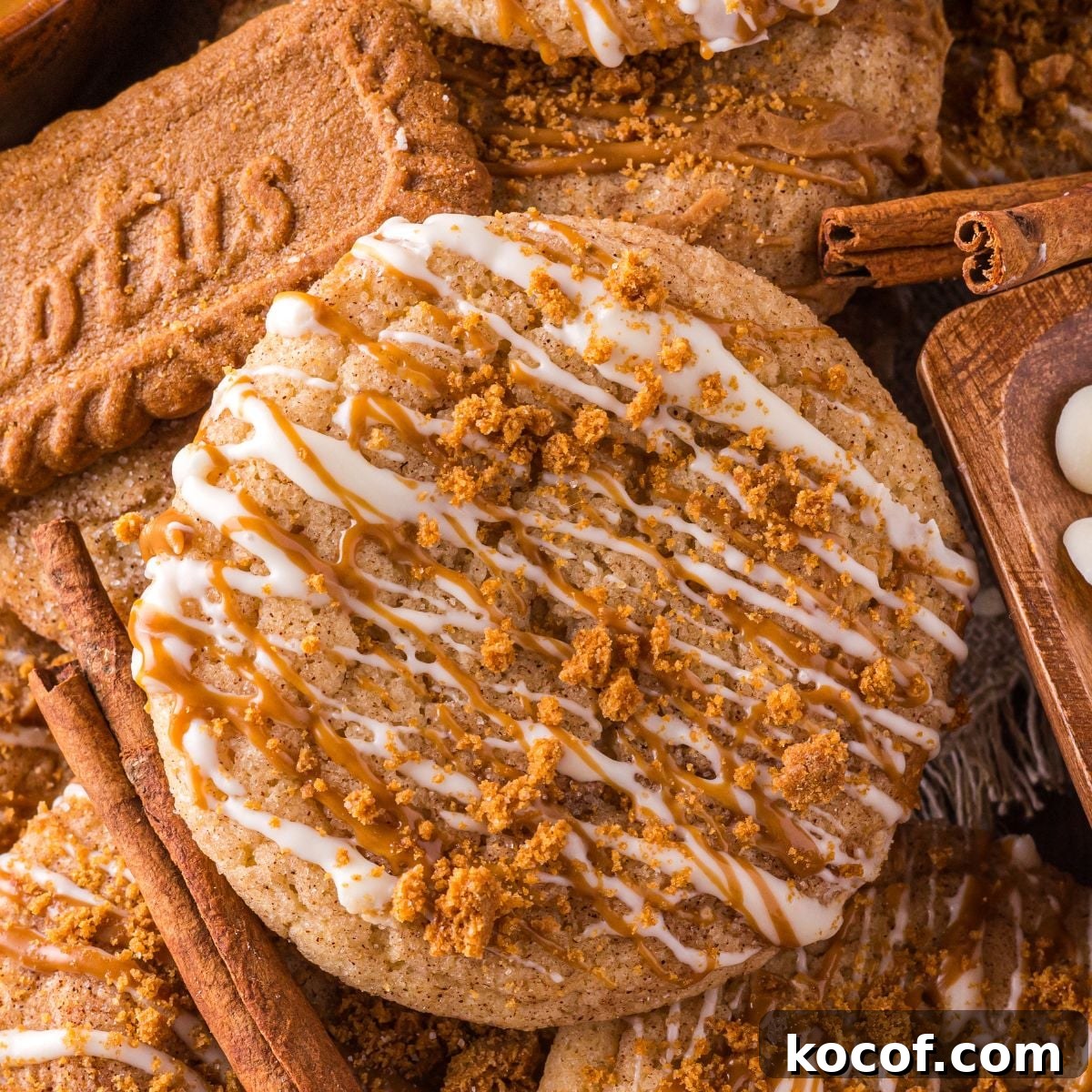
The Rise of Biscoff: How a Coffee-Break Cookie Took Over the Baking World
Biscoff originated in Belgium in the 1930s as a caramelized biscuit served with coffee. It remained relatively unknown in the U.S. until airlines began offering the cookies on flights, introducing many people to their caramel-spice profile. When cookie butter later appeared on shelves it became a baking sensation: a spreadable form of cookie flavor that behaves similarly to nut butter in recipes. That made Biscoff easy to incorporate into baked goods, and food bloggers and home bakers quickly embraced it for everything from cookies to cheesecakes.
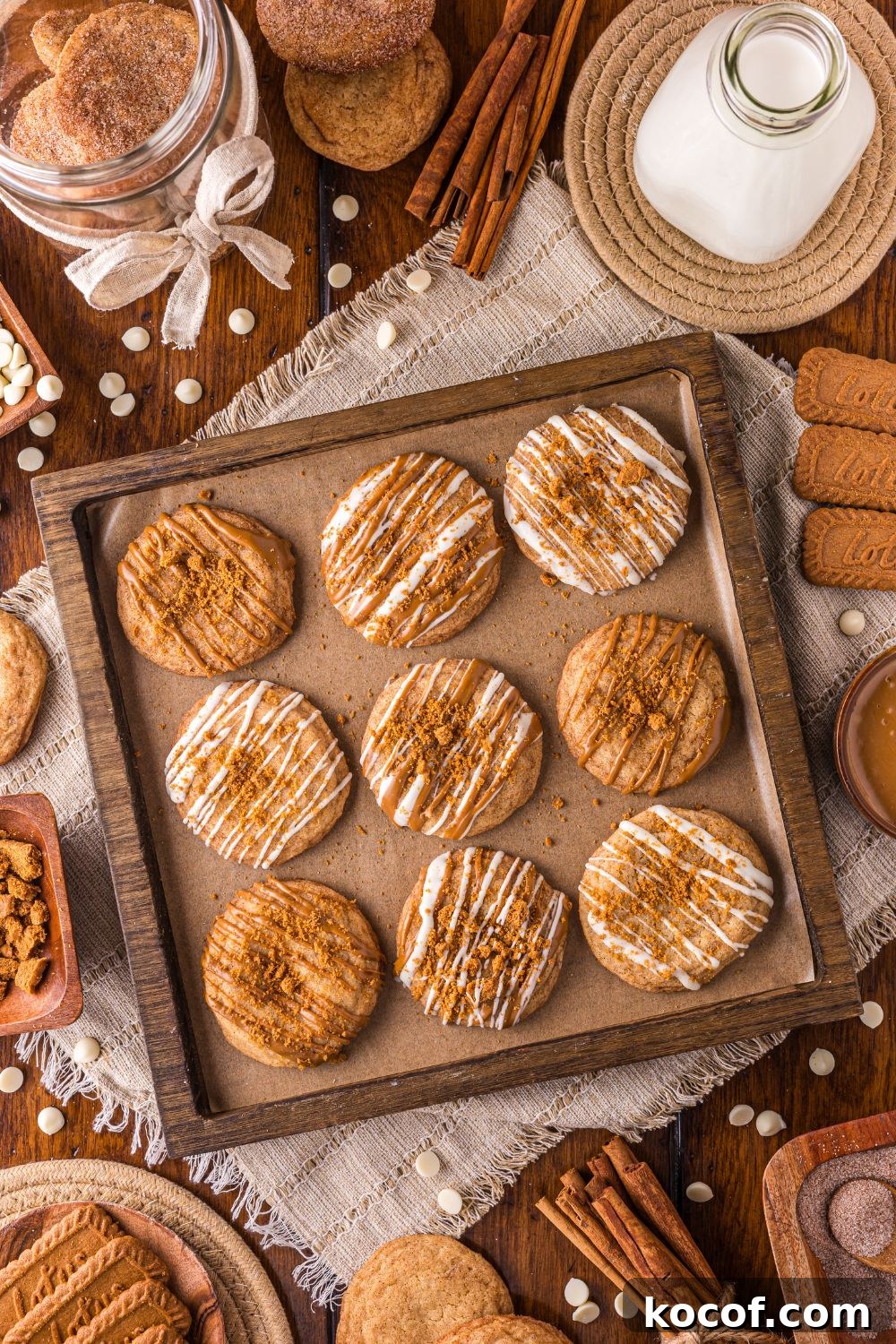
What Is This Recipe Exactly (Biscoff Snickerdoodle Cookies)
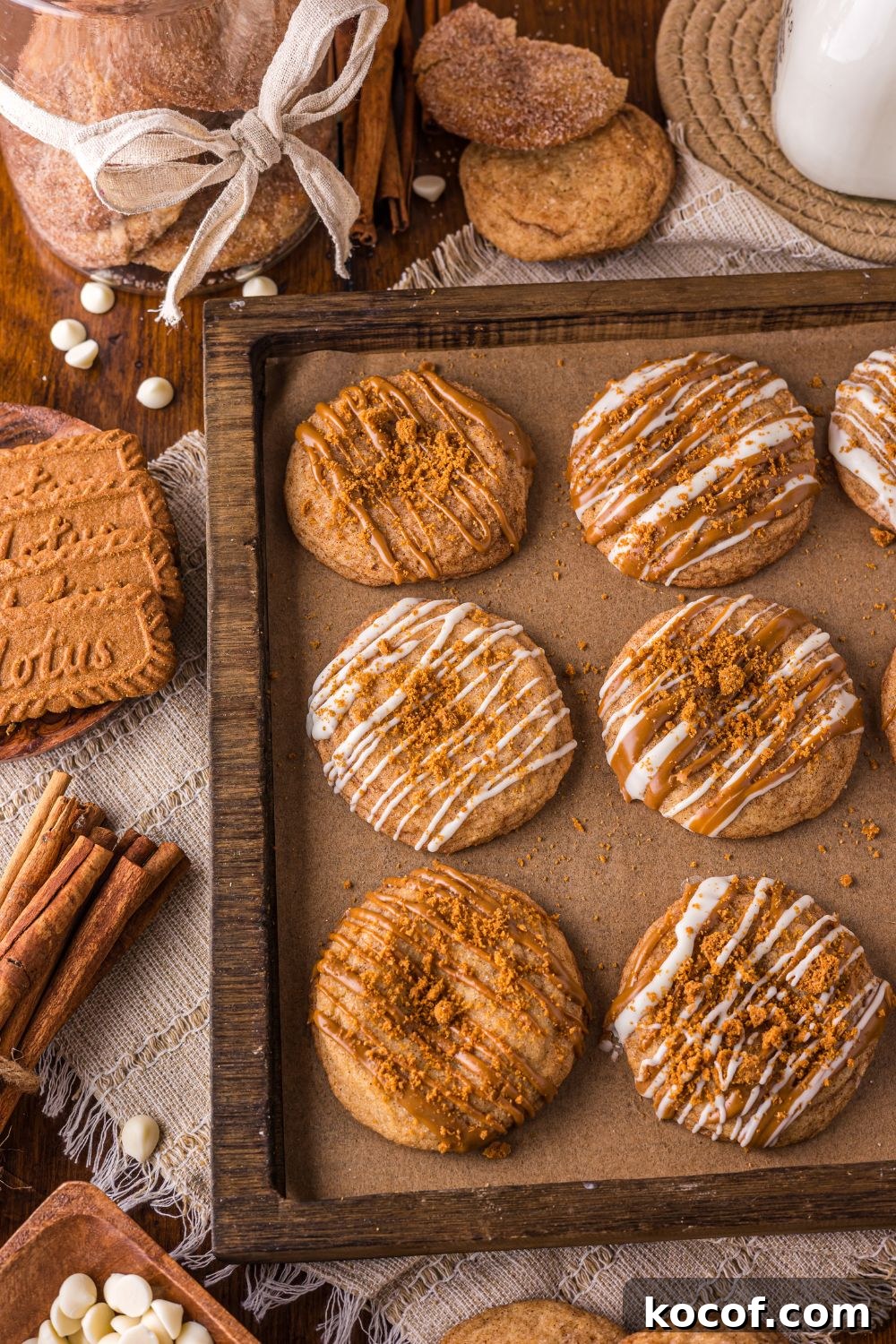
These cookies start with a classic snickerdoodle base—cream of tartar for that signature tang and chew—then fold in Biscoff cookie butter for caramelized spice and moisture. The dough is chilled so cookies stay thick and bakery-style. After baking they’re rolled in cinnamon-sugar and can be finished with a white-chocolate or cookie-butter drizzle and crushed cookies. The result is a soft center, lightly crisp edges, and a warm spiced flavor throughout.
Why This Recipe Works
This recipe balances snickerdoodle chemistry with modern flavor. Cream of tartar provides tang and chew, cookie butter adds richness and moisture without thinning the dough, and the mix of granulated and brown sugar yields soft centers with slightly crisp edges. Chilling the dough prevents excessive spread so cookies bake thick and hold their shape. The cinnamon-sugar coating ties everything together with a classic finish.
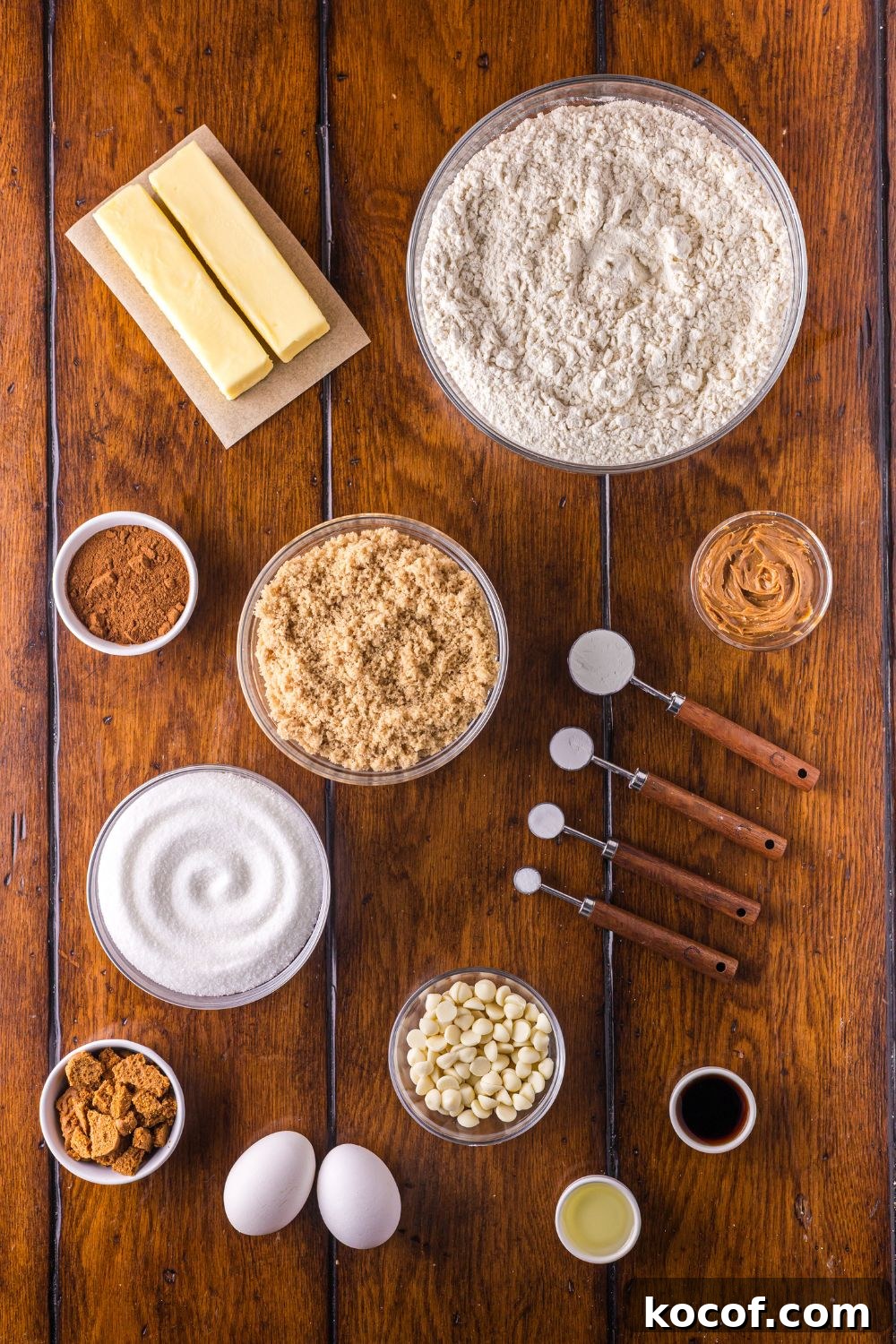
Ingredient Breakdown: What Each One Does
Flour: Provides structure so cookies hold their shape without becoming dry.
Cornstarch: Adds tenderness and a melt-in-your-mouth texture.
Cream of tartar: Gives snickerdoodles their signature tang and chew.
Baking soda: Adds lift and controls spread.
Cinnamon: Enhances warmth and complements the cookie butter.
Salt: Balances sweetness and brightens flavors.
Butter: Adds richness and contributes to structure and flavor.
Granulated sugar: Produces light, crisp edges.
Light brown sugar: Keeps centers soft and chewier thanks to molasses.
Eggs: Bind the dough and maintain tenderness.
Cookie butter: Provides the caramelized, spiced Biscoff flavor and extra moisture.
Vanilla extract: Optional, but rounds out the flavor.
Cinnamon-sugar coating: The classic snickerdoodle finish for texture and flavor.
Optional toppings (white chocolate, oil, crushed Biscoff): Add sweetness, visual appeal, and crunch.
Why Biscoff Works So Well in Snickerdoodles
Biscoff’s caramelized spice notes complement the cinnamon and brown sugar in snickerdoodles. Cookie butter brings:
• Extra moisture for a tender, chewy center
• A rich caramel-spice flavor that lifts the cinnamon-sugar coating
• A creamy, melt-in-the-middle quality that butter alone can’t provide
• Depth and warmth that makes the cookies taste bakery-level
When to Serve These Cookies
These cookies are ideal for:
- Holiday cookie trays
- Fall and winter baking
- Cookie exchanges
- After-school treats
- Bake sales
- Coffee or tea pairings
- Mailing to family or friends—they travel well
- Any time you want a crowd-pleasing cookie with a twist
They’re also lovely as edible gifts, especially when drizzled and finished with crushed Biscoff.
How to Customize These Cookies (Mix-Ins, Swaps, and Flavor Boosters)
• Add white chocolate chips for extra creaminess
• Stir in crushed Biscoff cookies for crunch
• Stuff centers with a frozen teaspoon of cookie butter for a gooey surprise
• Replace the cinnamon-sugar coating with cookie crumbs for a different finish
• Add a pinch of nutmeg or cardamom for additional warmth
Make Ahead + Storage Tips
Make Ahead:
Prepare the dough up to 48 hours ahead and chill; this deepens flavor.
Storing Baked Cookies:
Keep in an airtight container for 3–4 days; brown sugar helps maintain softness.
Freezing Dough:
Freeze dough balls (before coating) for up to 1 month. Thaw in the fridge, then roll in cinnamon sugar before baking.
Freezing Baked Cookies:
Freeze for up to 1 month. Rewarm in the microwave 6–8 seconds for a soft center.
Why You’ll Love This Recipe
These cookies are soft, chewy, warmly spiced, and packed with cookie butter flavor. They’re simple to make, smell irresistible as they bake, and deliver a bakery-style texture—thick, tender centers with lightly crisp edges. They’re versatile, easy to dress up, and reliably delicious.
Why These Cookies Stay Soft for Days (Even Without Cornstarch or Pudding Mix)
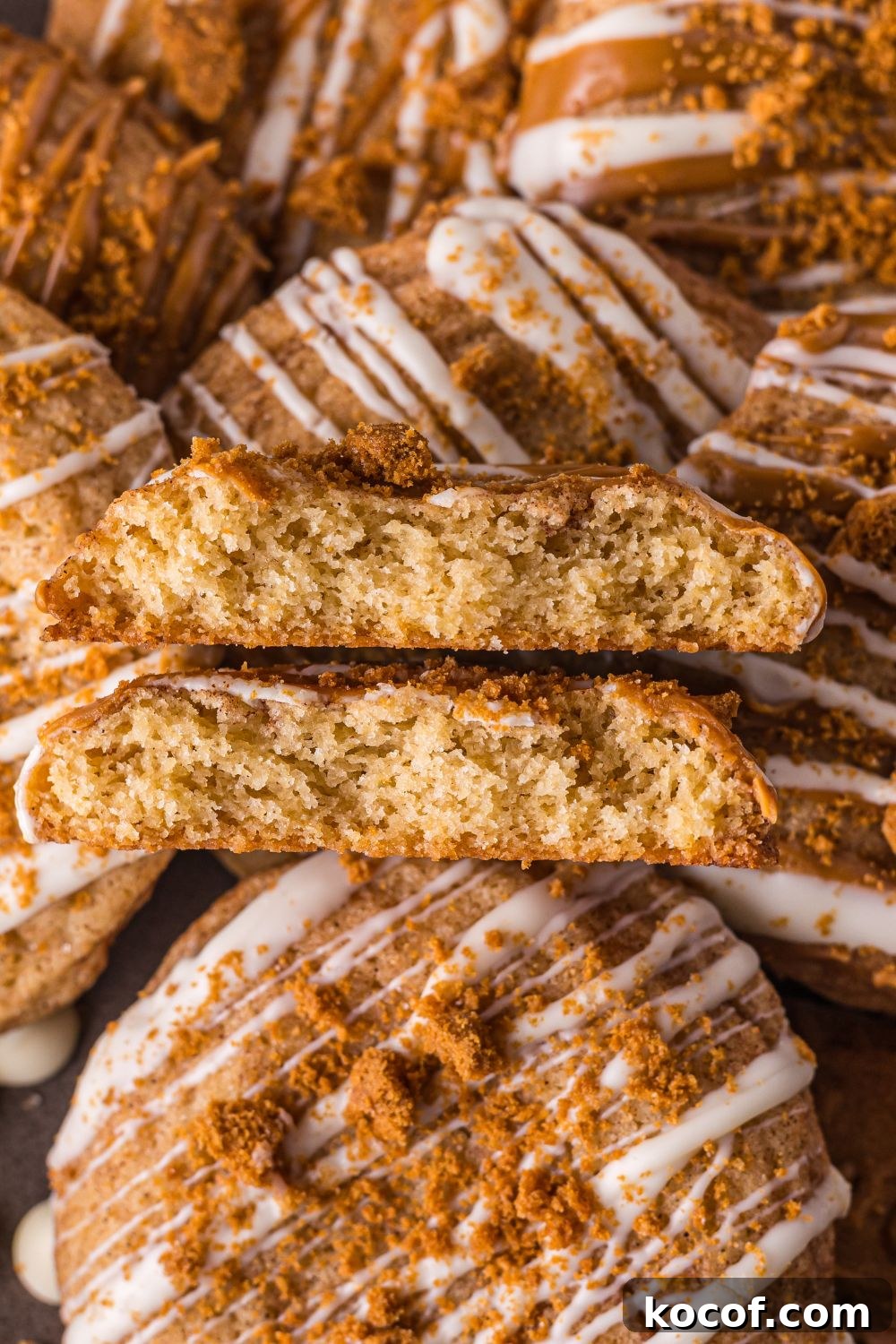
These cookies stay tender because of the ingredient balance and baking technique. Cookie butter adds stabilized fats that remain semi-soft at room temperature, preserving a plush crumb. Brown sugar holds onto moisture thanks to molasses, slowing staling. A slightly shorter bake time leaves centers fudgy and soft while edges set. The fat blend of butter plus cookie butter creates structure and moisture that mimics bakery cookies without needing extra softeners like pudding mix.
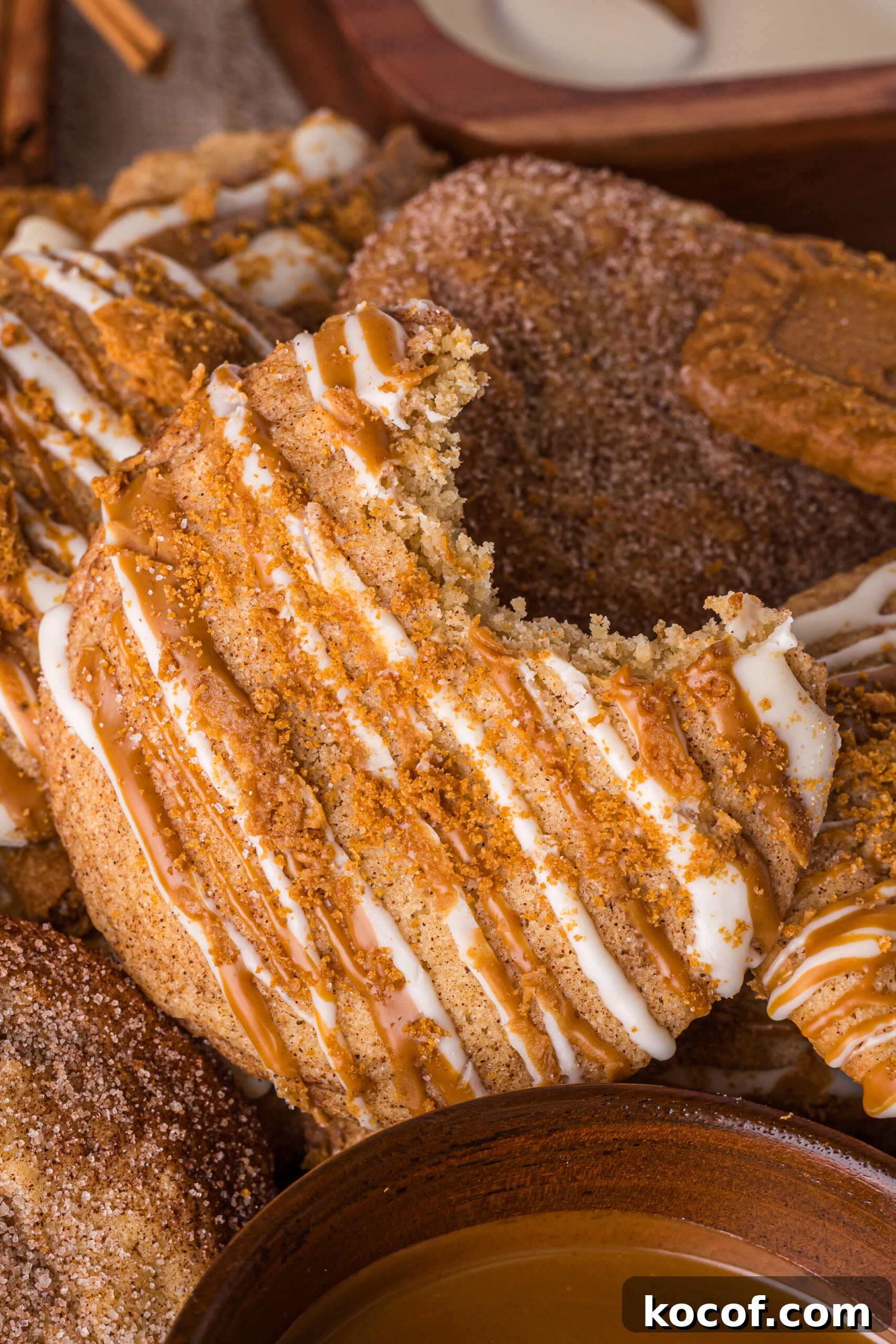
Stored in an airtight container, the cookies often taste even better the next day as flavors meld and the cinnamon-sugar settles into the dough.
FAQ Section
Why did my cookies not spread?
Too much flour is the usual cause. For best results, weigh your flour when possible.
Why did my cookies spread too much?
Butter that’s too soft or insufficient chilling will cause excess spreading. Chill the dough before baking.
Can I skip the chill time?
Chilling is recommended to keep cookies thick with a soft center. Skipping it often leads to flatter cookies.
Can I make these without cookie butter?
Yes, they become classic snickerdoodles without the Biscoff flavor.
Can I use crunchy cookie butter?
Yes—crunchy cookie butter adds texture.
Do I need cream of tartar?
Yes. It gives snickerdoodles their characteristic tang and chew.
Can I use salted butter?
Yes—reduce any added salt to a pinch.
How do I know when the cookies are done?
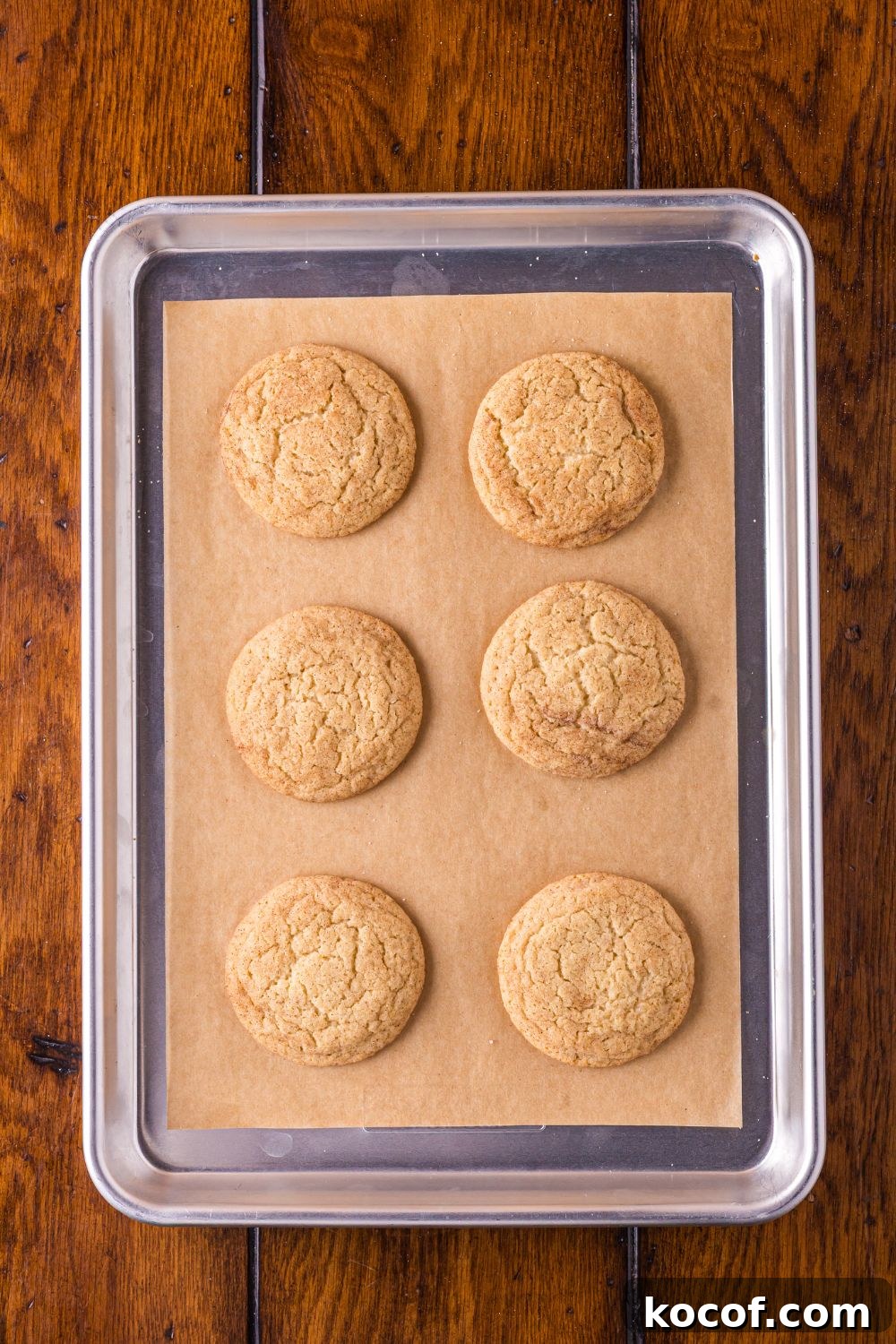
They should look slightly underbaked in the center; they’ll finish setting on the tray as they cool.
Why add cornstarch?
Cornstarch tenderizes the crumb and helps create a soft, bakery-style texture.
Can I add the drizzle later?
Yes—store plain and drizzle when ready to serve for the best appearance.
Variations & Substitutions
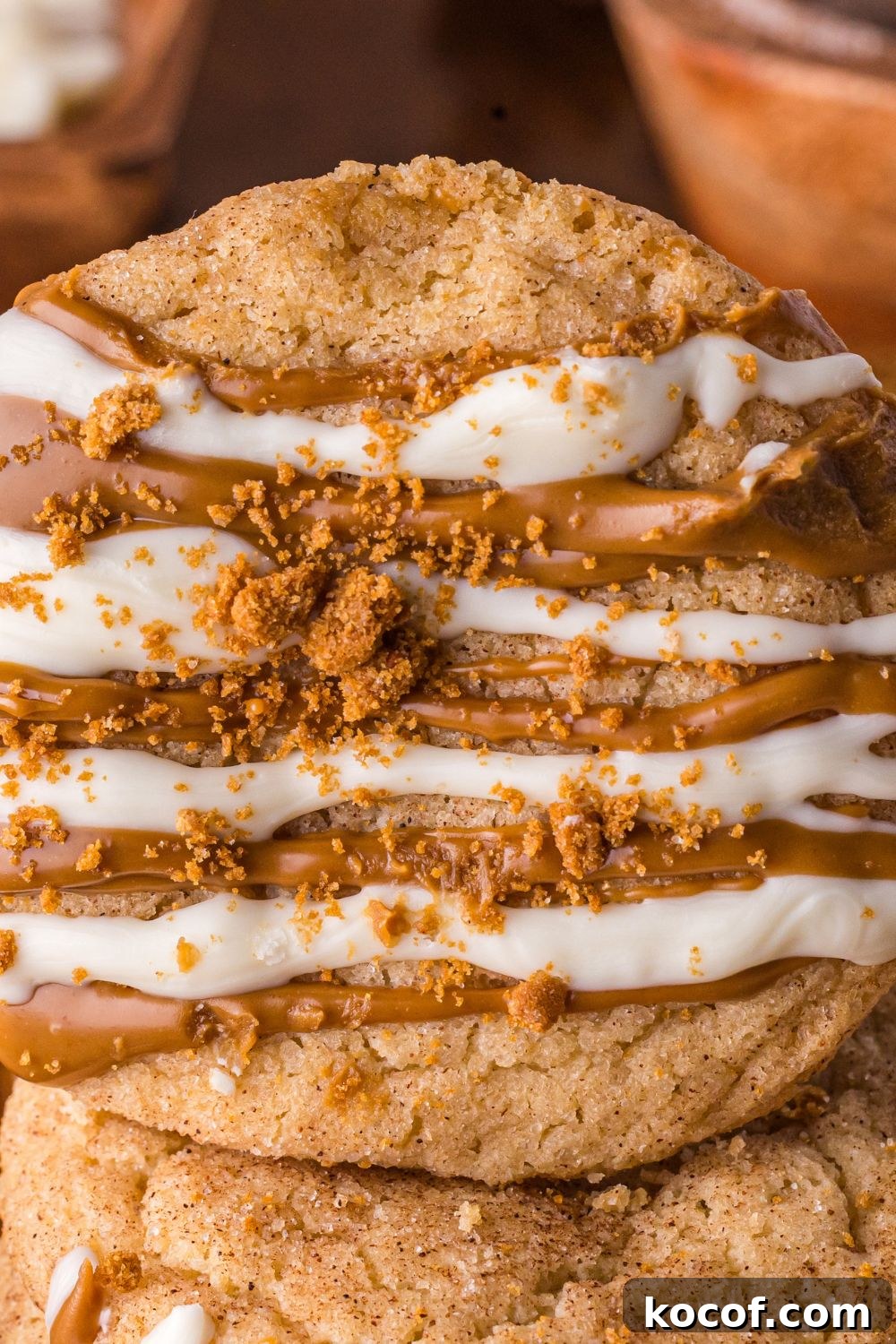
- White Chocolate Biscoff Drizzle: Drizzle melted white chocolate and top with crushed Biscoff.
- Maple Snickerdoodles: Swap vanilla for maple extract.
- Espresso Version: Add 1 teaspoon instant espresso to dry ingredients.
- Chocolate Chip Biscoff Snickerdoodles: Stir in white or milk chocolate chips.
- Extra Cinnamon: Increase cinnamon to 1 teaspoon.
- Pumpkin Biscoff: Add 2 tablespoons pumpkin purée + ½ tsp pumpkin spice (cookies will be slightly softer).
- Gluten-Free: Use a reliable 1:1 gluten-free flour blend with xanthan gum.
Budget Breakdown (Estimated)
Flour: $0.50
Cornstarch: $0.05
Cream of tartar: $0.40
Baking soda + salt: $0.05
Butter: $1.40
Granulated sugar: $0.40
Brown sugar: $0.40
Eggs: $0.50
Cookie butter: $0.60
Vanilla: $0.20
Cinnamon + sugar for coating: $0.20
Optional toppings: $1.50
Estimated Total Cost: $6.20–$7.50 per batch
Cost Per Cookie (28 cookies): $0.22–$0.27 each
Troubleshooting Tips & Tricks
Cookies too puffy:
Likely too much flour or insufficient chilling.
Cookies too flat:
Butter was too warm—chill the dough longer.
Dry cookies:
Usually overbaked. Remove while centers look slightly underdone.
Crumbly dough:
Butter may have been too cold or the dough under-mixed. Mix until just combined.
Dark bottoms:
Use light-colored baking sheets and bake on the middle rack.
Lightened-Up Version / Lower Calorie Option
To reduce calories while keeping good flavor:
- Use ½ cup butter + ¼ cup unsweetened applesauce in place of full butter.
- Reduce sugar to ½ cup granulated + ½ cup brown sugar.
- Use reduced-fat cookie butter if available.
- Add 1 extra tablespoon cornstarch to retain softness.
- Skip the drizzle and crushed Biscoff topping to cut extra calories.
Texture will be slightly different but still enjoyable.
Nutrition Information (Approx. per cookie)
- Calories: ~165
- Fat: ~8g
- Carbs: ~22g
- Sugar: ~12g
- Protein: ~2g
Coming Soon: My Full Biscoff Recipe Collection
These snickerdoodles are the start of a larger Biscoff collection. Expect no-bake and baked cheesecakes, brownie bars, soft Biscoff cookies, cakes, donuts, and breakfast-style treats. Each recipe will be tested for simplicity and reliable flavor so cookie-butter fans can enjoy a variety of easy, crowd-pleasing desserts.
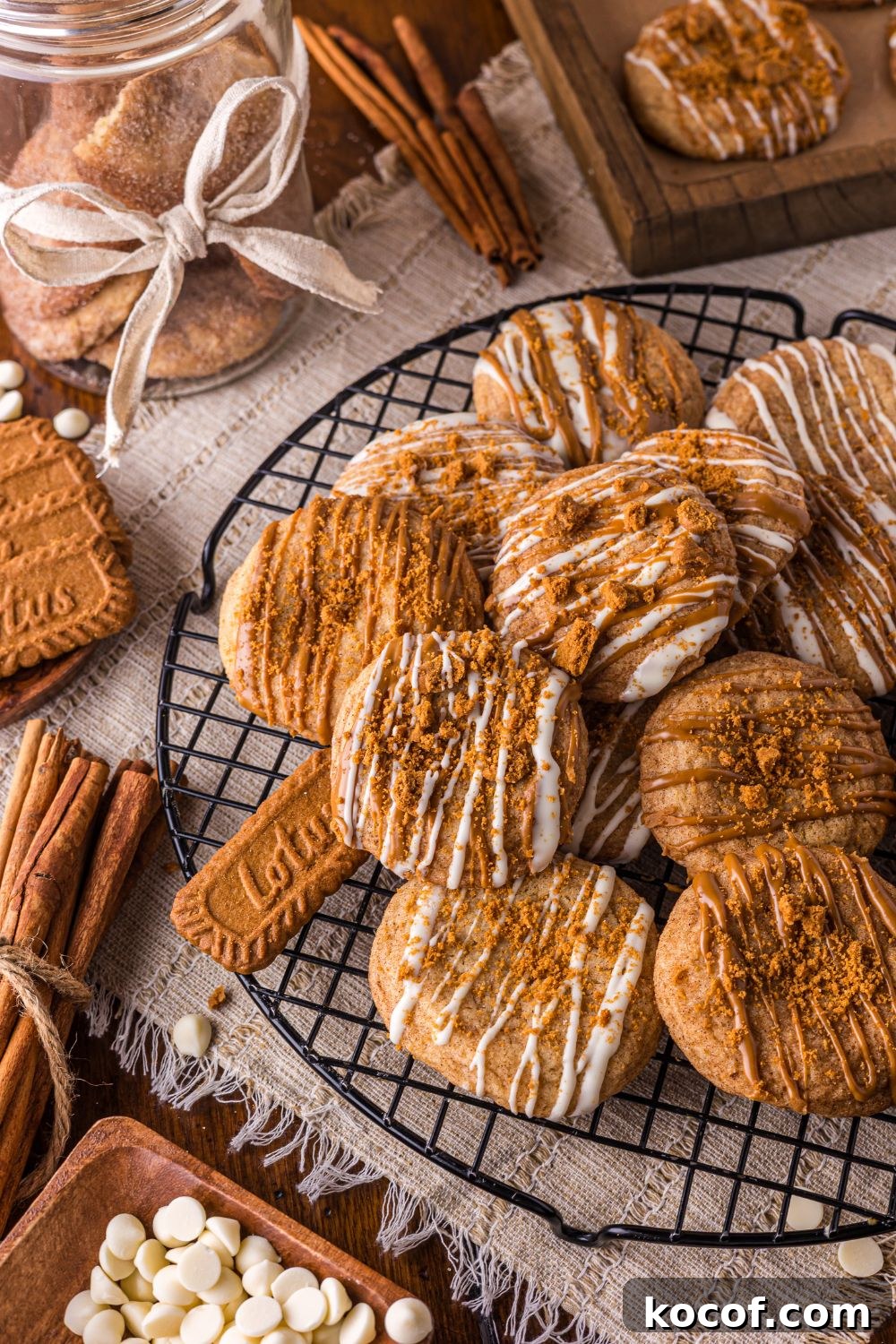
How to Give These Cookies as Holiday Gifts to Friends and Family
These cookies make thoughtful, homemade gifts. Simple packaging ideas:
Festive Cookie Tins:
Line tins with parchment or crinkle paper and stack cookies in neat rows. Add a small printed tag with storage instructions.
Cellophane Bags With Ribbon:
Place 3–5 cookies in clear bags and tie with ribbon. Add a small sprig of faux greenery for a charming touch.
Cookie Gift Boxes:
Use bakery-style boxes lined with parchment and alternate rows of cookies for a tidy presentation—great for teachers or coworkers.
Sampler Packs:
Mix these with other cookie varieties for a warm, cozy mixed box.
Shipping Tips:
Wrap each cookie in parchment, pack snugly in a tin or box, and add padding so nothing shifts during transit.
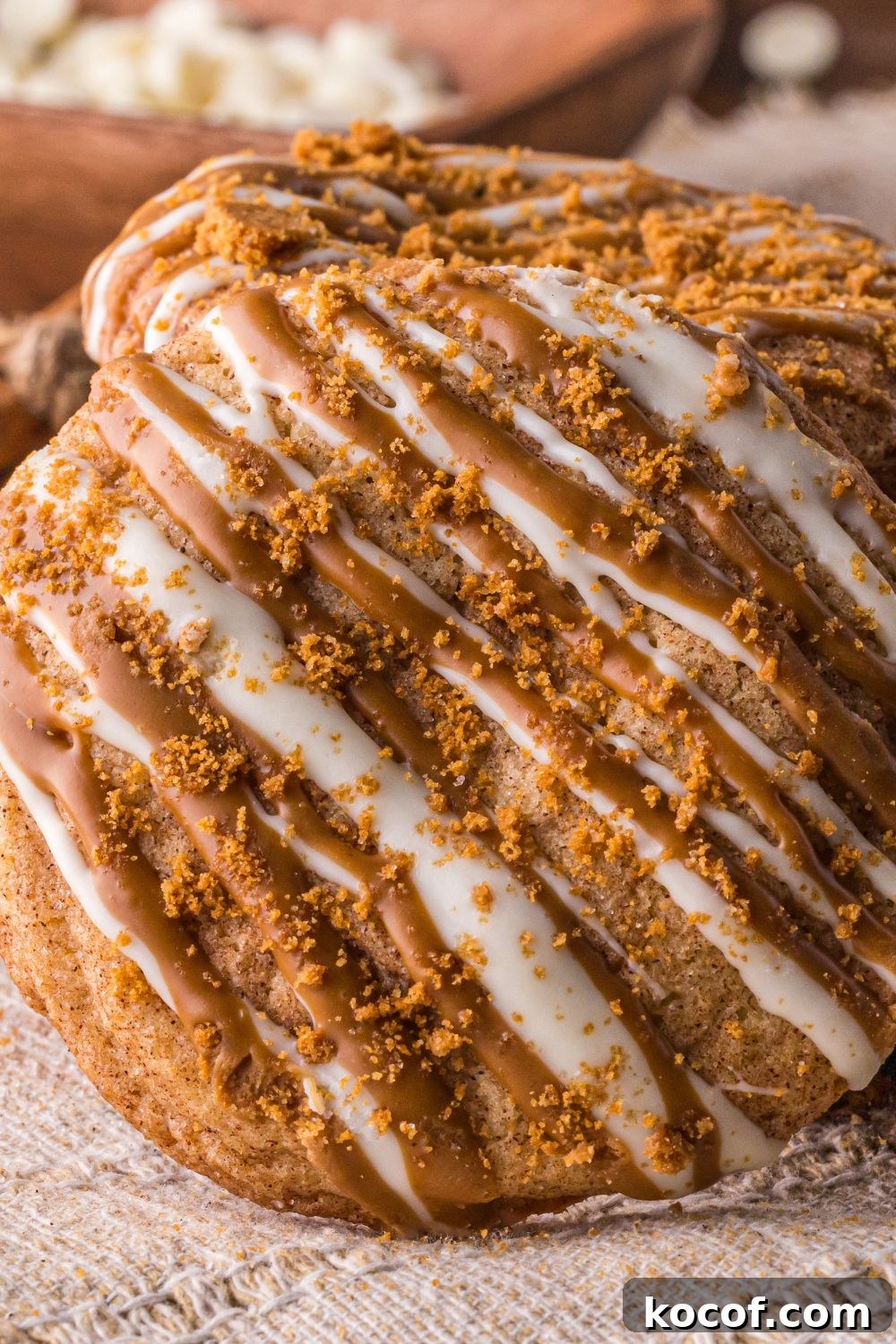
My Personal Kitchen Notes
Chilling the dough 20–30 minutes yields the best shape and prevents overspreading. Using both granulated and brown sugar keeps centers soft and chewy. A tablespoon of cookie butter in the dough adds moisture and distinct Biscoff flavor. Bake at 350°F and remove while the centers look slightly underdone—the residual heat finishes them and keeps the interior tender.
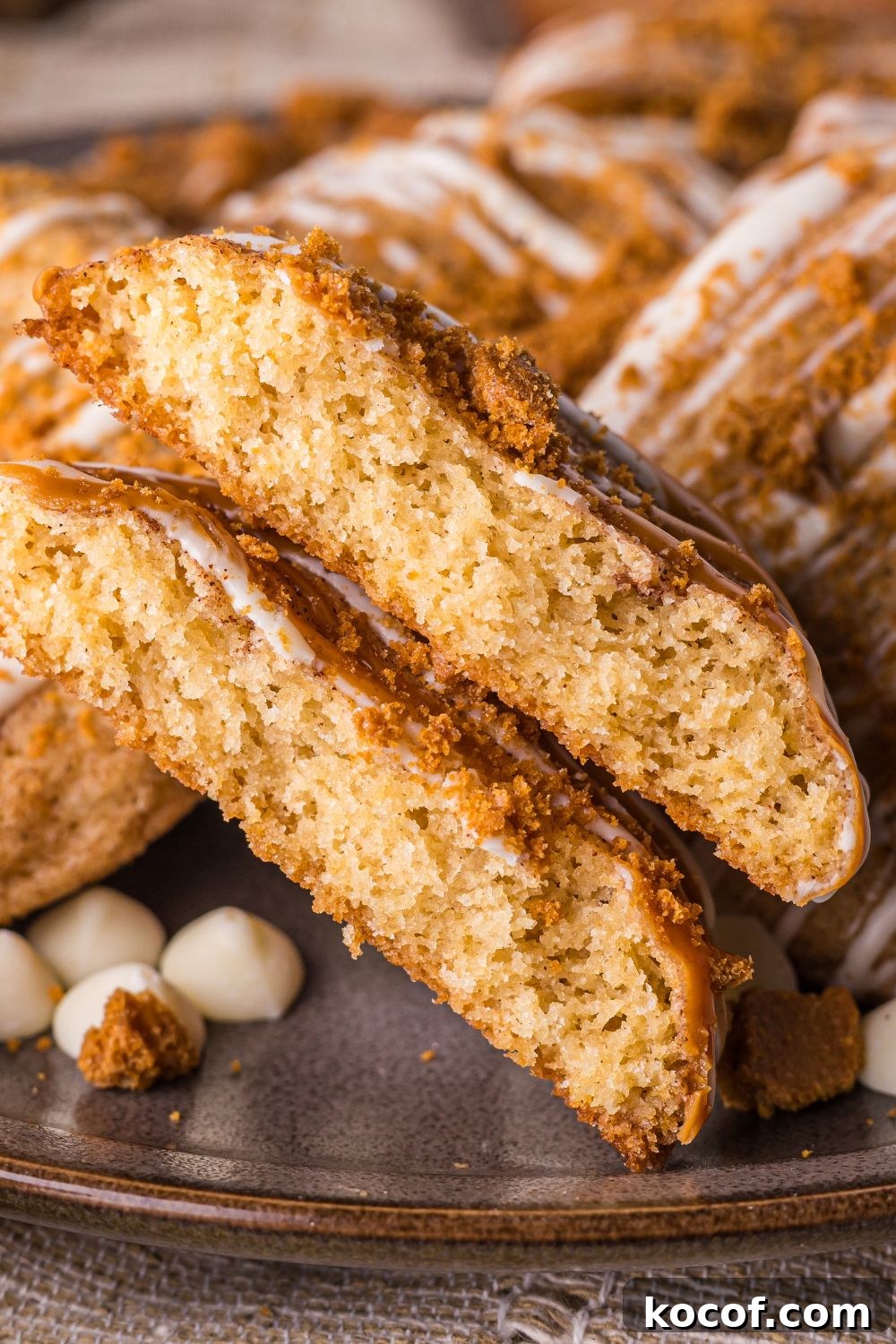
My Final Thoughts
Biscoff Snickerdoodle Cookies are a cozy, flavorful twist on a classic favorite. They pair the nostalgic tang and chew of snickerdoodles with the caramel-spiced richness of cookie butter for a thick, tender cookie that’s great for gifting, gatherings, or your cookie jar. Reliable, simple to make, and always appreciated.
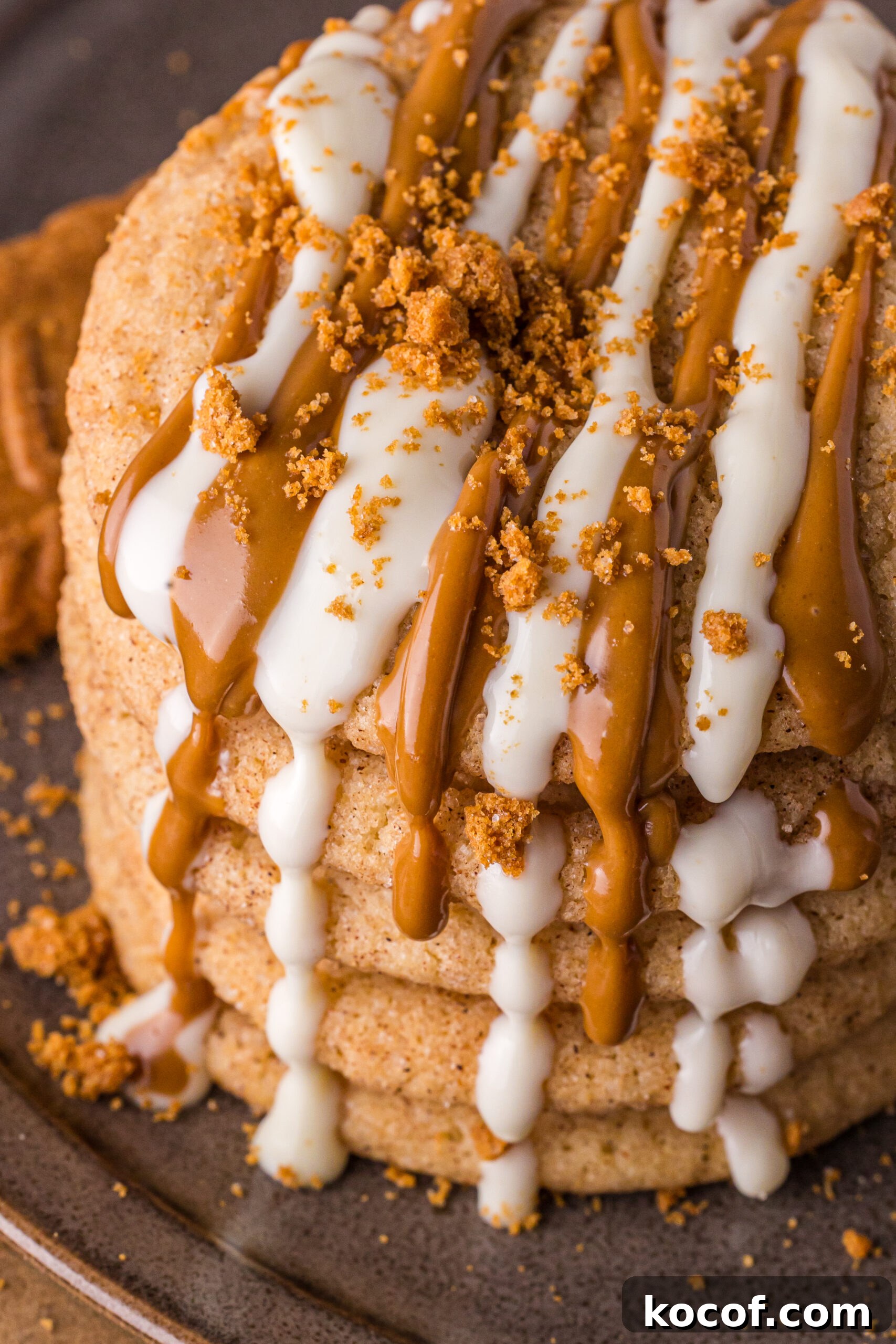
Cookie Recipes
- Raspberry Thumbprint Cookies
- Chocolate Chip Toffee Cookies
- White Chocolate Cranberry Oatmeal Cookies
- Chocolate Pie Cookies
Biscoff Snickerdoodle Cookies
Ingredients
- 2 3/4 cups all-purpose flour
- 1 tablespoon cornstarch
- 2 teaspoons cream of tartar, sifted
- 1 teaspoon baking soda
- 1/4 tsp. cinnamon (optional)
- 1/8 teaspoon salt
- 1 cup unsalted butter, slightly softened
- 3/4 cup granulated sugar
- 3/4 cup light brown sugar
- 2 large eggs
- 1 Tablespoon cookie butter
- 1/2 tsp. vanilla extract (optional)
Cinnamon-Sugar Coating
- 4 Tablespoons granulated sugar
- 2 teaspoons ground cinnamon
Optional:
- 1 cup white chocolate chips
- 1/2 cup Biscoff cookie butter (for drizzle)
- 1-2 Tablespoon canola oil (to thin white chocolate if needed)
- 10 crushed Biscoff cookies, coarsely (regular size)
Instructions
-
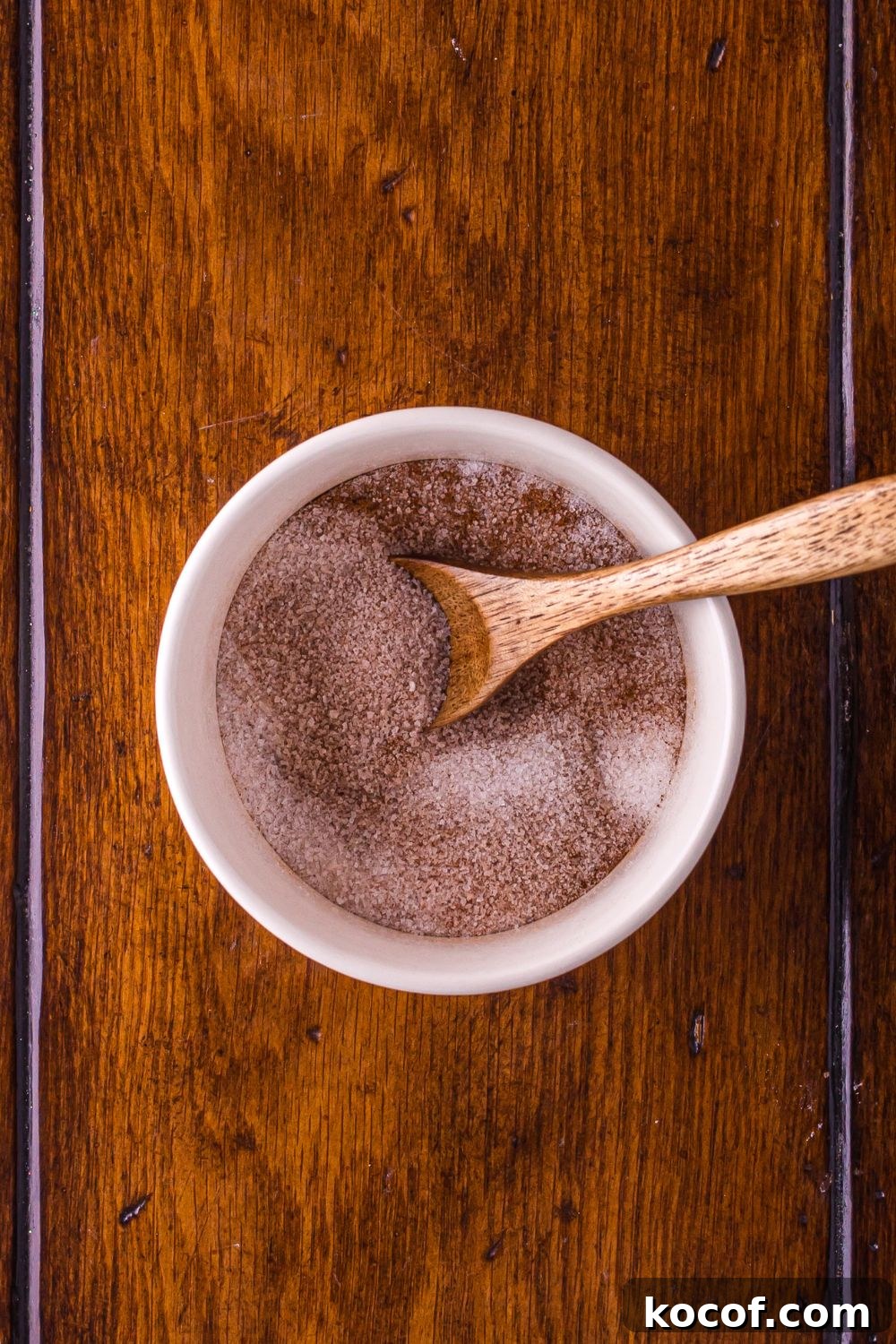
1. In a small bowl, combine the cinnamon-sugar coating ingredients and set aside.
-
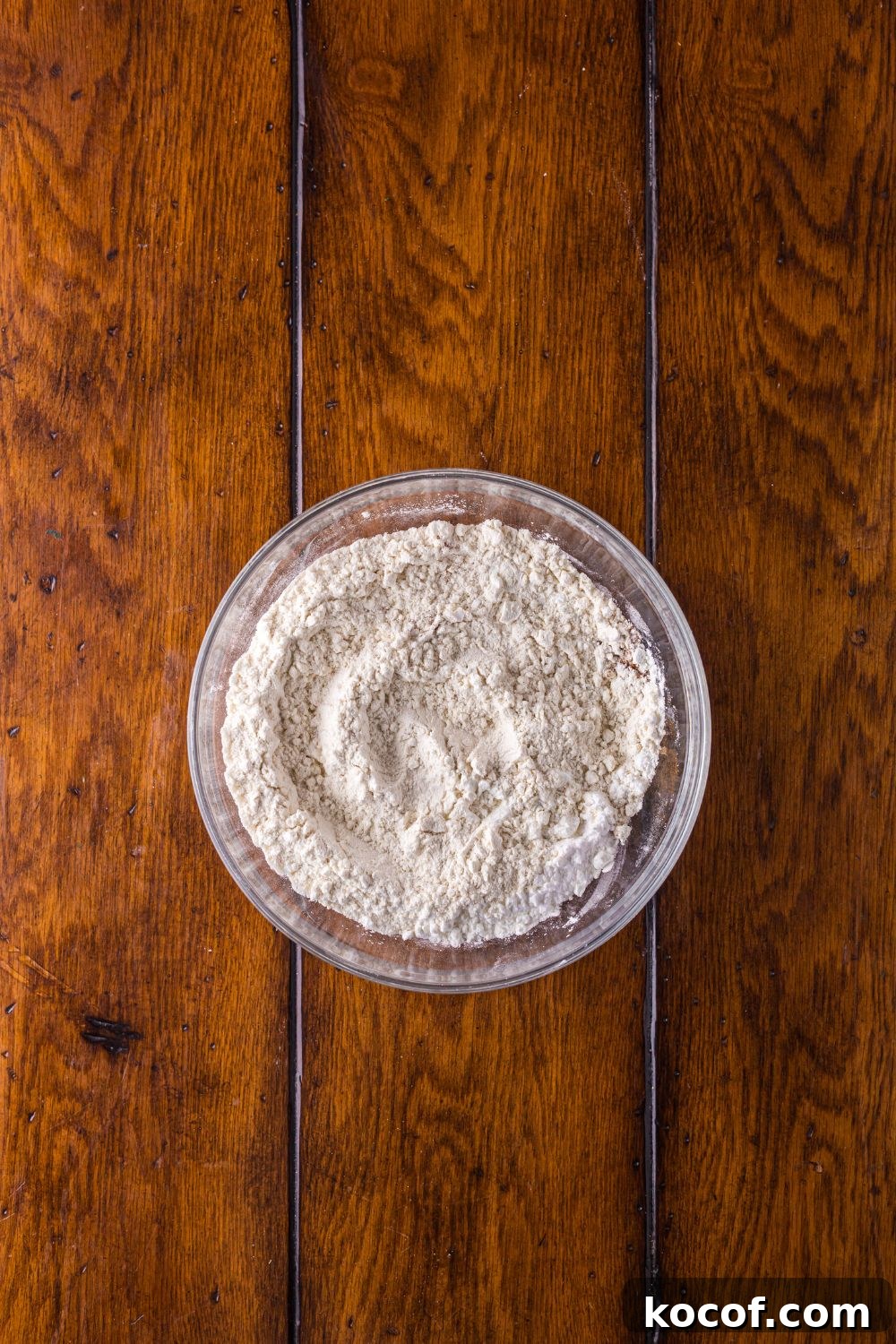
2. In a medium bowl, whisk together flour, cornstarch, cream of tartar, baking soda, cinnamon (if using), and salt. Set aside.
-
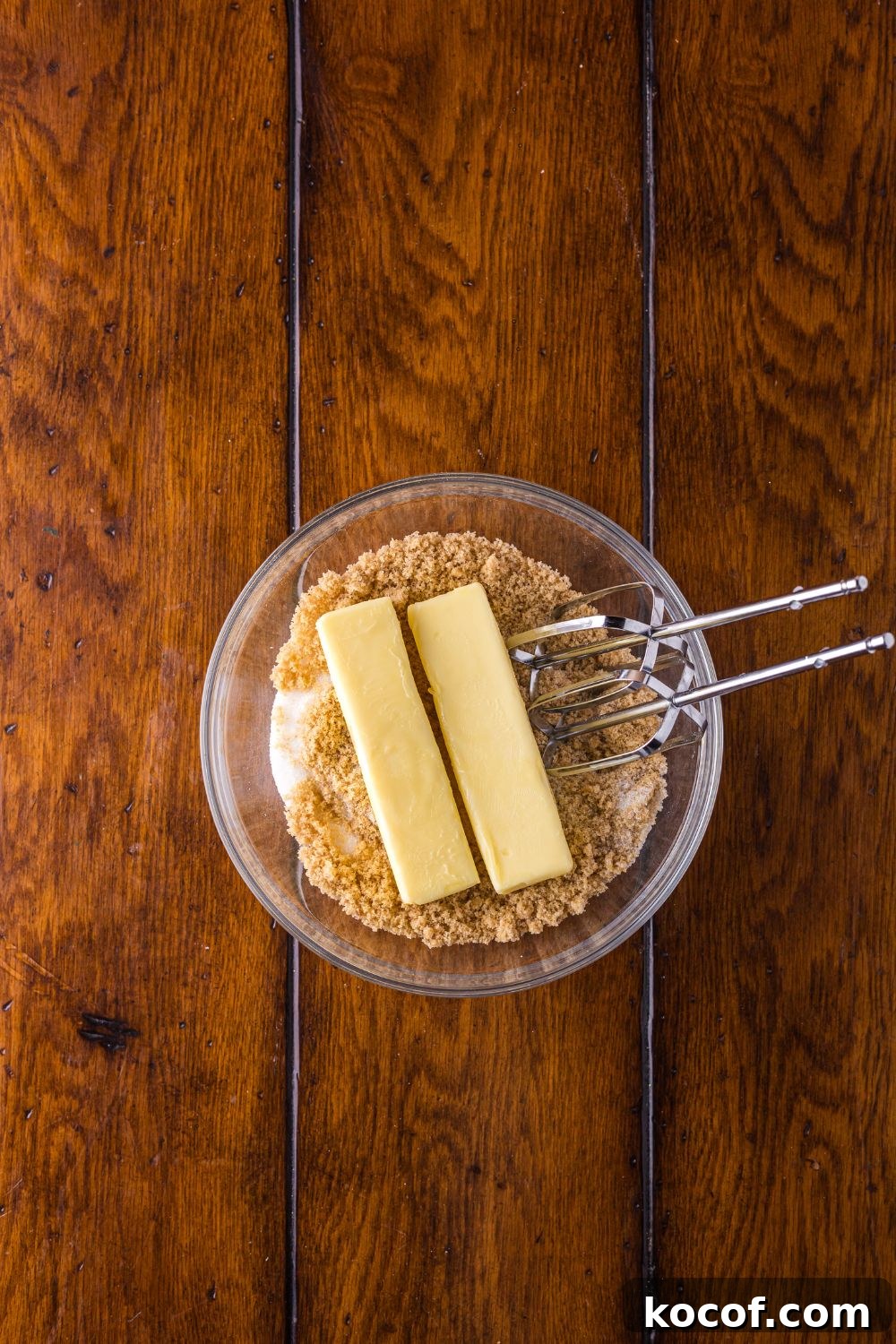
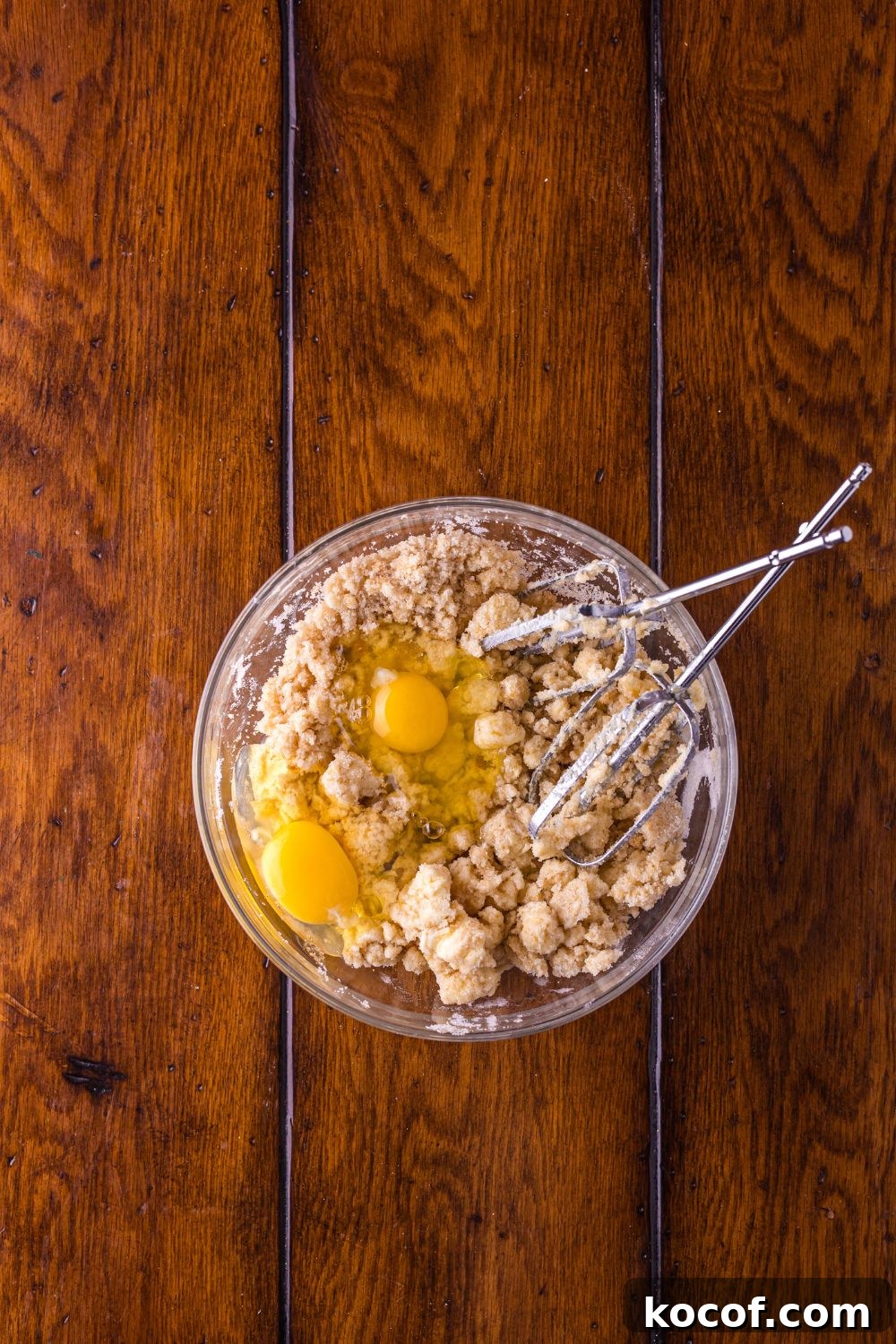
3. In a mixing bowl, cream the softened butter with granulated and brown sugar until combined. Add the eggs one at a time, then mix in the cookie butter and vanilla.
-
4. Gradually add the dry ingredients on low speed and mix until just incorporated. Do not overmix.
-
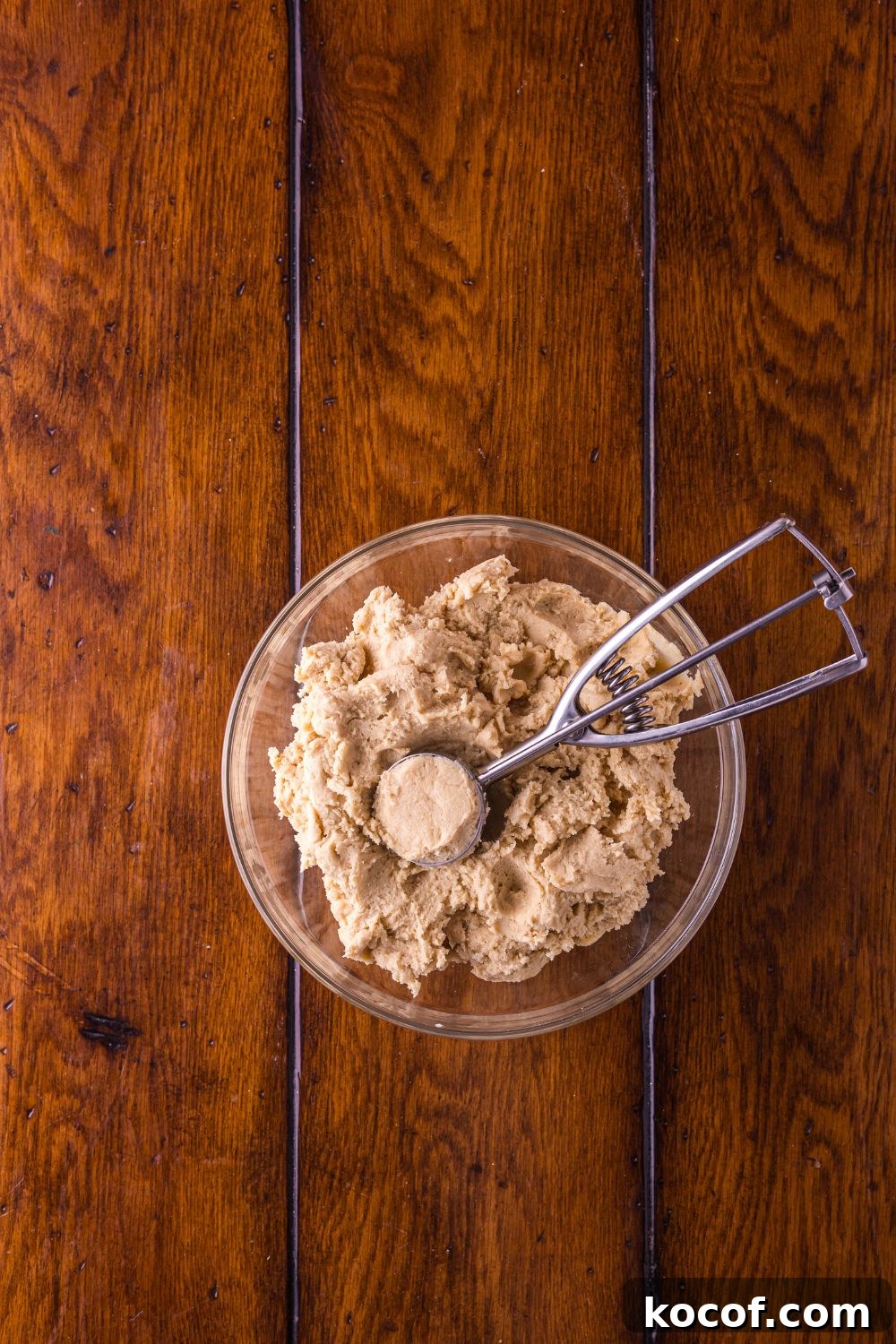
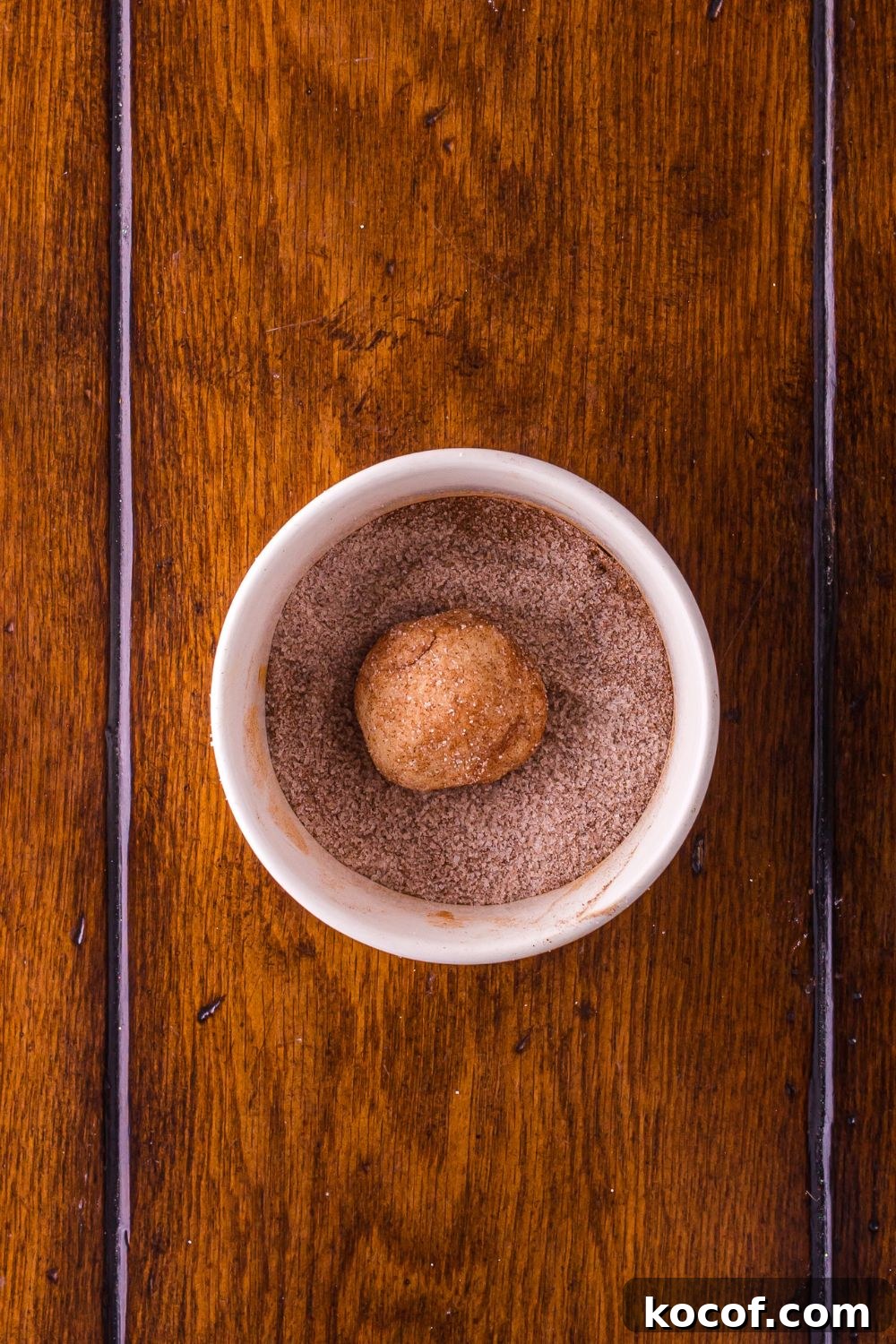
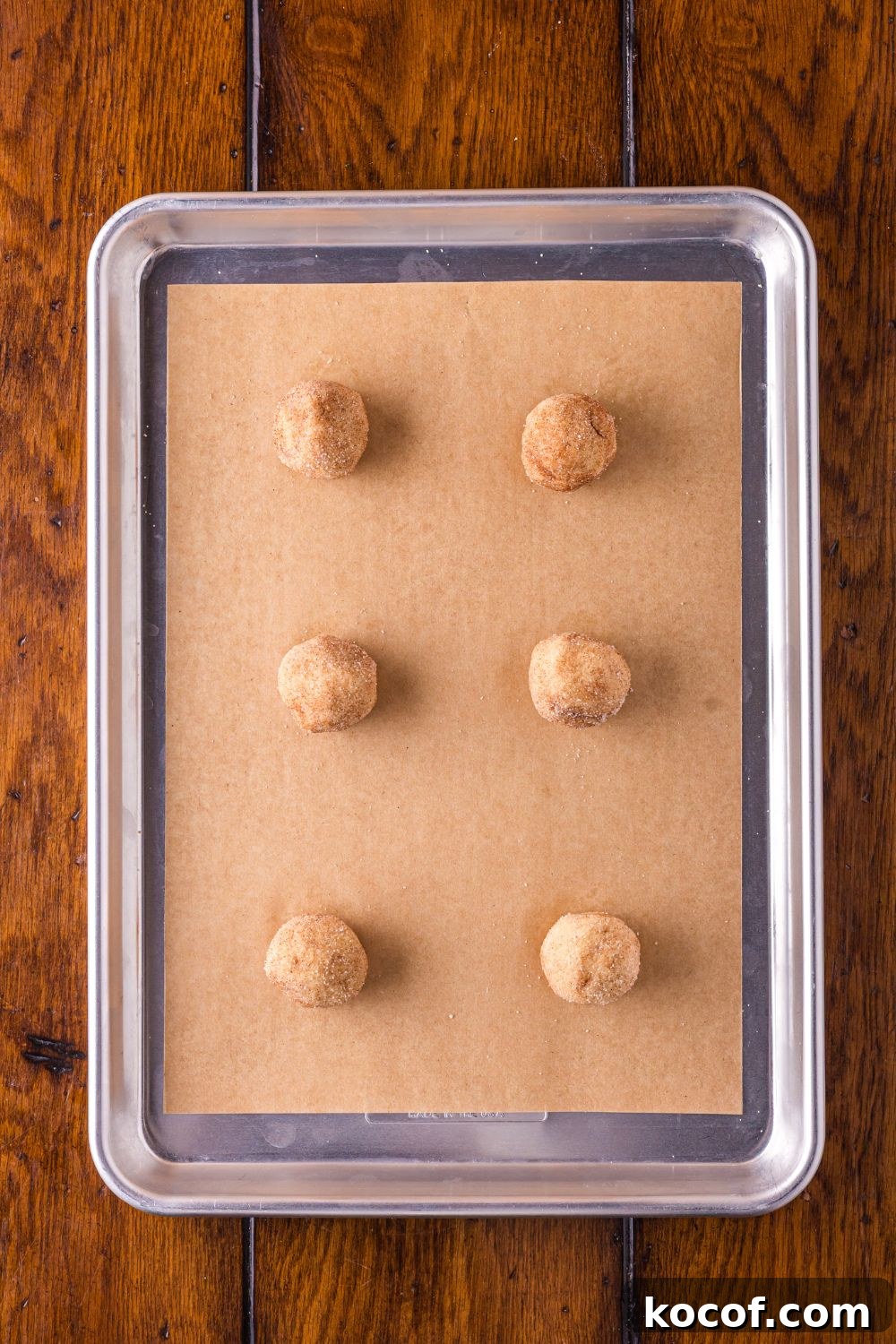
5. Using a 1½-inch cookie scoop, portion dough into balls, roll each in the cinnamon-sugar, and place on parchment-lined baking sheets. Chill in the refrigerator 20–30 minutes while preheating the oven to 350°F.
-
6. Bake on the middle rack for 10–12 minutes. Cookies should look slightly underbaked in the center. Let cool on the sheet 3–5 minutes, then transfer to a wire rack to finish cooling.
-
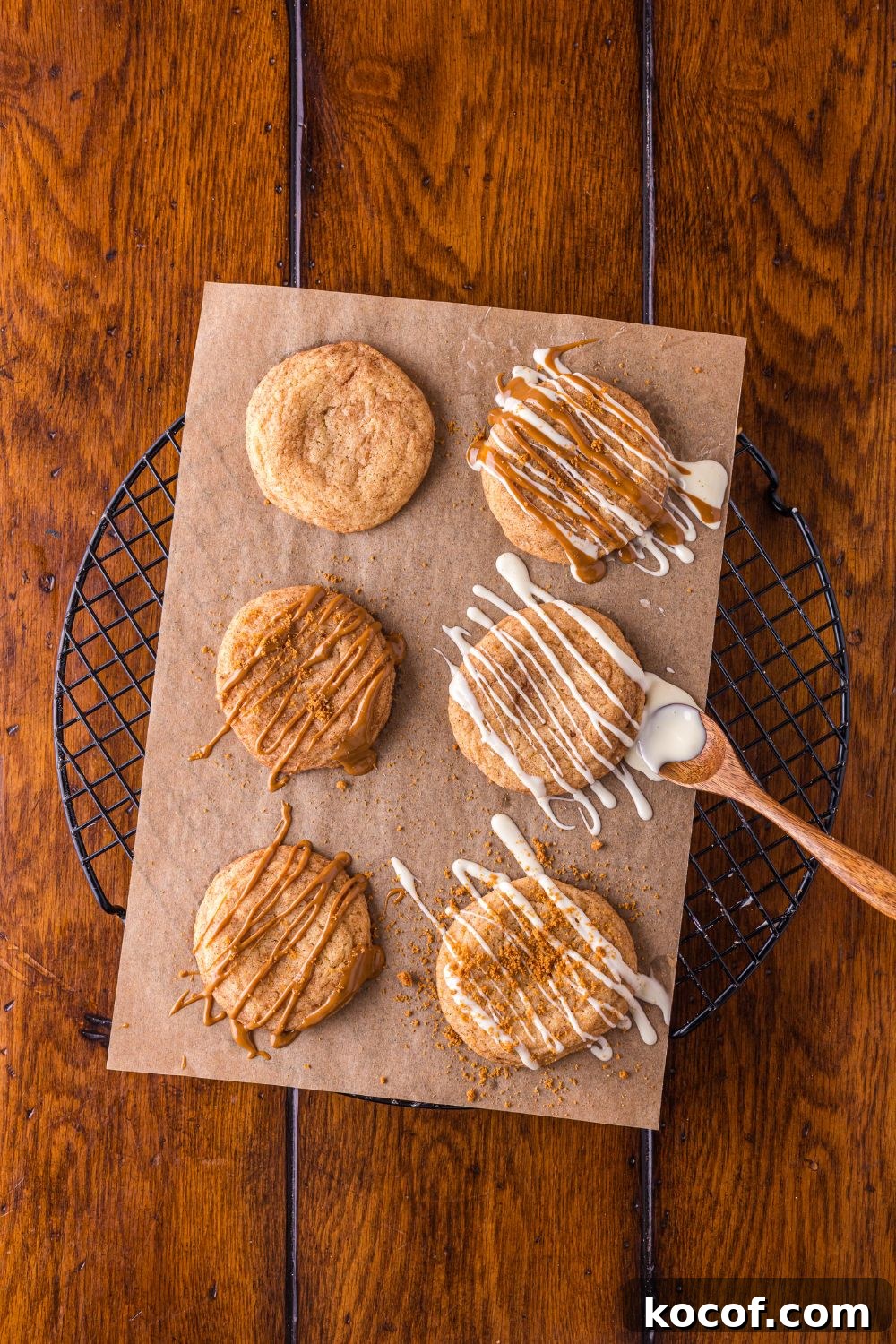
7. For optional toppings: warm cookie butter briefly to make it drizzleable. Melt white chocolate chips with a tablespoon of oil if needed, stirring and microwaving in short bursts. Drizzle cookies with cookie butter and/or white chocolate and sprinkle with crushed Biscoff.