What’s in the box?
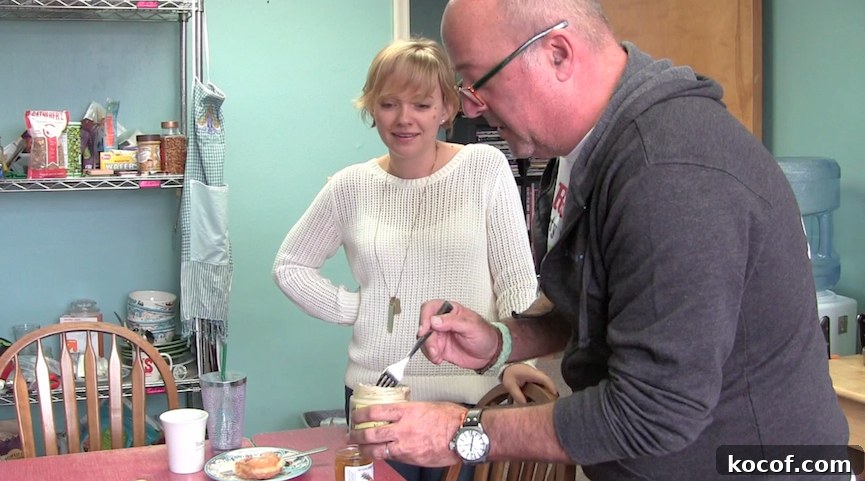
Molly Mogren and I unbox today’s surprise package and discover a tasty, fermented treasure. We walk through the contents, describe flavors and textures, and explain why this pickled find won’t pass a Whole30 diet — but will delight anyone who appreciates real, cultured foods.
Spoiler Alert
Check out Cultured Organic!
This unboxing is all about fermented goods from a small-batch producer. When you hear “cultured” you’re getting real fermentation: live cultures that transform vegetables into shelf-stable, flavorful snacks. In today’s box we found jars of crunchy pickles, a bright and slightly tangy kraut, and a few specialty seasonal items that highlight the producer’s commitment to organic ingredients and traditional techniques.
Why fermented foods matter
Fermented foods are enjoyed for their bold, complex flavors and potential probiotic benefits. Unlike vinegar-based pickles, naturally fermented products rely on lacto-fermentation, where beneficial bacteria convert sugars into lactic acid. The result is a savory, tangy profile with a satisfying texture. That’s part of what makes this box interesting: you can taste the depth and care that goes into small-batch fermentation.
What we found in the package
Inside the box we found:
- Several jars of crisp, hand-packed pickles with visible spices and herbs.
- A classic sauerkraut made from shredded cabbage, exhibiting a bright, tangy aroma.
- A seasonal specialty — a pepper or root vegetable ferment — showcasing a balance of heat and acidity.
- A label with ingredient lists and batch information, emphasizing organic produce and live cultures.
Taste and texture notes
The pickles are notably crunchy, a sign of careful handling and proper fermentation. The kraut is pleasantly tart, with a complex, slightly sweet background that comes from slow fermentation. The seasonal jar offers a layered taste: initial brightness, followed by umami and a mild saltiness. All items showed natural carbonation and clear lactic tang rather than sharp vinegar bite, confirming traditional fermentation methods.
Why this isn’t Whole30 approved
Whole30 guidelines disallow added sugars, certain preservatives, and non-compliant ingredients that sometimes appear in commercial ferments. While many small-batch ferments are made simply from vegetables and salt, some specialty recipes include sweeteners, honey, or sweet brines that conflict with Whole30 rules. The products in this box, although natural and organic, include elements that make them unsuitable for a strict Whole30 regimen. If you follow Whole30, always check labels carefully for any added sweeteners or non-compliant additives.
How to enjoy these ferments
Fermented foods like these are versatile. Try them as condiments alongside sandwiches and burgers, as a bright side for roasted meats, or mixed into grain bowls for texture and flavor contrast. Add a spoonful to salads for acidity instead of a vinegar-based dressing, or use the brine as a marinade component to infuse depth into roasted vegetables. For those new to fermentation, start with a small serving to appreciate the flavors and to acclimate to the probiotics.
Storage and shelf life
Once opened, keep jars refrigerated and use them within a reasonable time to preserve crunch and flavor. Because these items are live ferments, flavors continue to evolve in the fridge. The label’s batch information helps track freshness; if a product develops an off smell or mold, discard it. Properly made, fermented vegetables can maintain quality for months when refrigerated.
Final thoughts
Unboxing this shipment with Molly Mogren was a reminder that high-quality, small-batch fermented foods offer more than just flavor — they carry tradition, careful technique, and the character of seasonal produce. While not compatible with every diet plan, these products shine as flavorful additions to meals and snacks. If you appreciate crunchy texture, bright acidity, and handcrafted quality, this box is worth exploring.