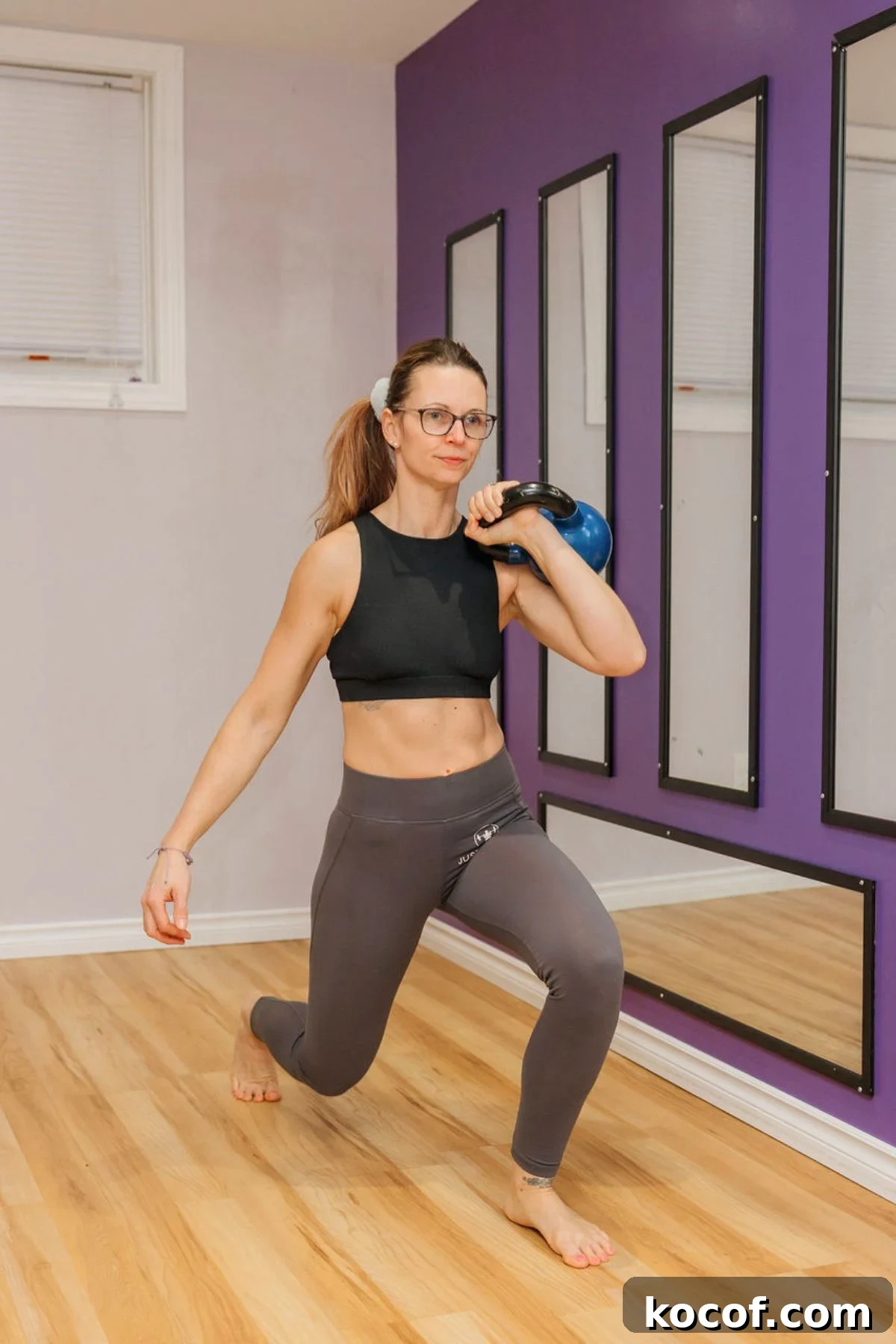
The most effective Lunge Variations for Glutes are those that increase range of motion, challenge balance, and encourage pushing through the front heel. Variations such as reverse lunges, walking lunges, and Bulgarian split squats are particularly useful for emphasizing the glutes rather than relying mainly on the quads. When performed with intent and proper technique, these lunges build strength, improve single-leg stability, and enhance hip control.
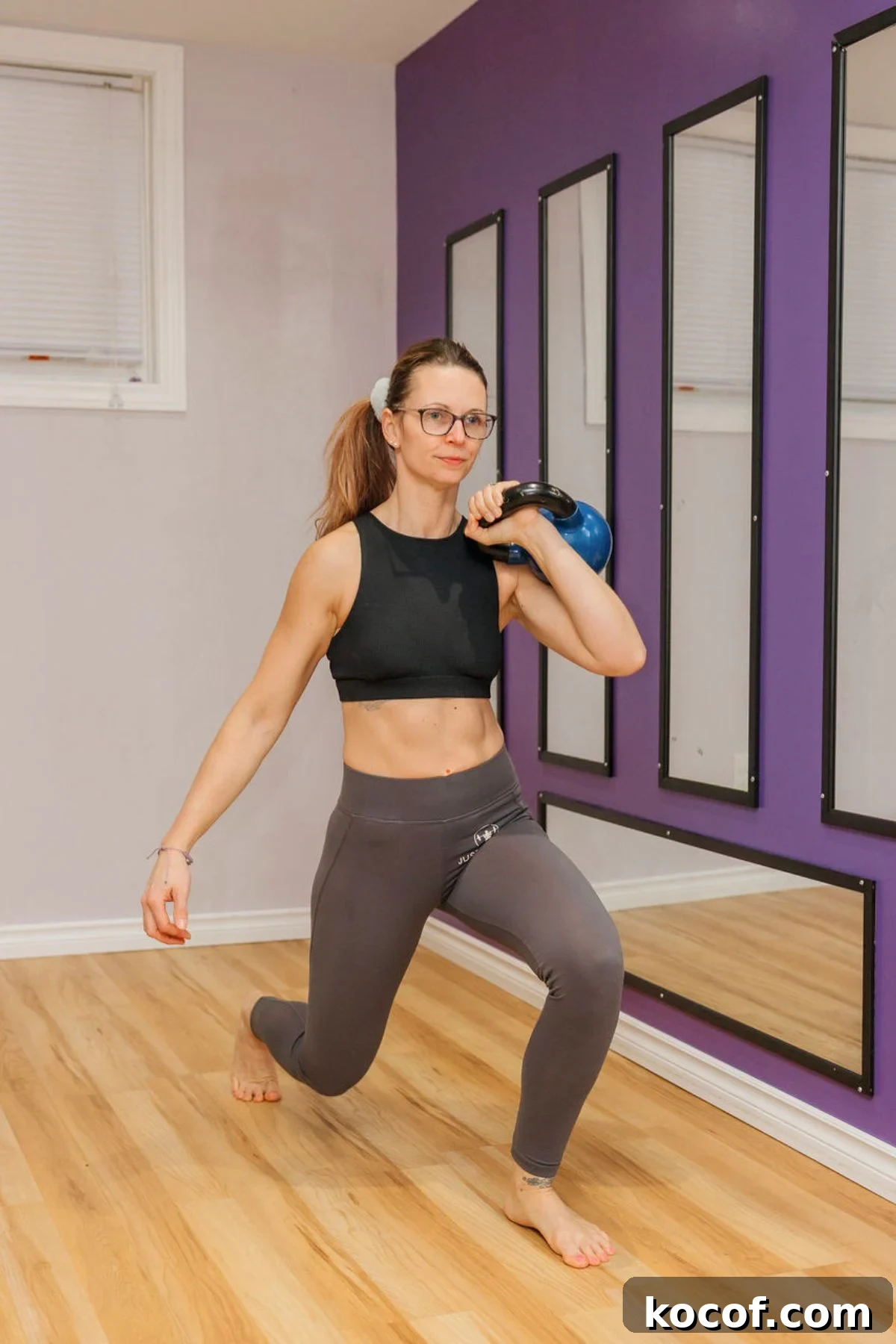
“Way to work those legs, girl! So many good variations to hit the different muscles. Pinning!” – Kiran Dodeja Smith
Many people feel lunges primarily in their quads because of how they execute the movement. The exercise itself can target the glutes very effectively, but small adjustments in stance, step length, torso angle, and foot pressure make a big difference. Focusing on these details lets you consciously recruit the glutes instead of letting the quads dominate.
Why lunges are great for glutes:
Lunges are a top lower-body exercise because they work each side independently and force the body to stabilize and produce force unilaterally.
- Unilateral work increases muscle activation and reveals imbalances
- Improves balance and single-leg stability
- Targets glutes through hip extension and controlled hip position
- Develops even strength between left and right sides
While squat variations are valuable, lunges often allow more emphasis on glutes and hamstrings depending on how you perform them. Thoughtful adjustments let you steer the stress toward the muscles you want to develop.
How To Make Lunges More Glute-Focused
Lunges require stability from the glutes and create a meaningful stretch across the hip flexors, which naturally activates the posterior chain. To maximize glute engagement, first learn how to hinge at the hips and then apply the following adjustments:
- Take a longer step back or forward depending on the variation so the hip can extend fully
- Allow a slight forward lean from the hips or think of bringing the knee toward your chest
- Consciously push and drive through the front heel to load the glute
- Slow the descent to increase time under tension and control
Best Lunge Variations For Glutes
Choose lunge variations that match your current strength, mobility, and available equipment. Not every lunge hits the glutes the same way, so pick movements that let you maintain control and feel the intended muscles working.
Start with fundamentals—reverse lunges and stationary lunges—until you build balance, coordination, and proper muscle engagement. Once you master the basics, progress to variations that increase range of motion, loading, or stability challenge to further stimulate the glutes.
The goal is not to chase complexity but to select variations that allow steady progress, consistent form, and clear glute activation.
1. Deficit Lunge
Deficit lunges increase range of motion by elevating the rear or front foot, which creates a deeper stretch and requires greater strength from the working leg. This extended range places more demand on the glute during the ascent.
Cue: use a small platform or step, take a slightly shorter step back than usual, and pull yourself up through the front heel rather than pushing off the rear foot.
2. Lunges With A Press
Adding a press to a static lunge challenges both the glutes and the core. Holding the bottom position increases time under tension and pressing a weight away from the chest forces the core to resist rotation, making the exercise more demanding than it looks.
Cue: pause in the bottom, press straight out without rotating the torso, and keep the glute of the front leg engaged.
3. Offset Reverse Lunges
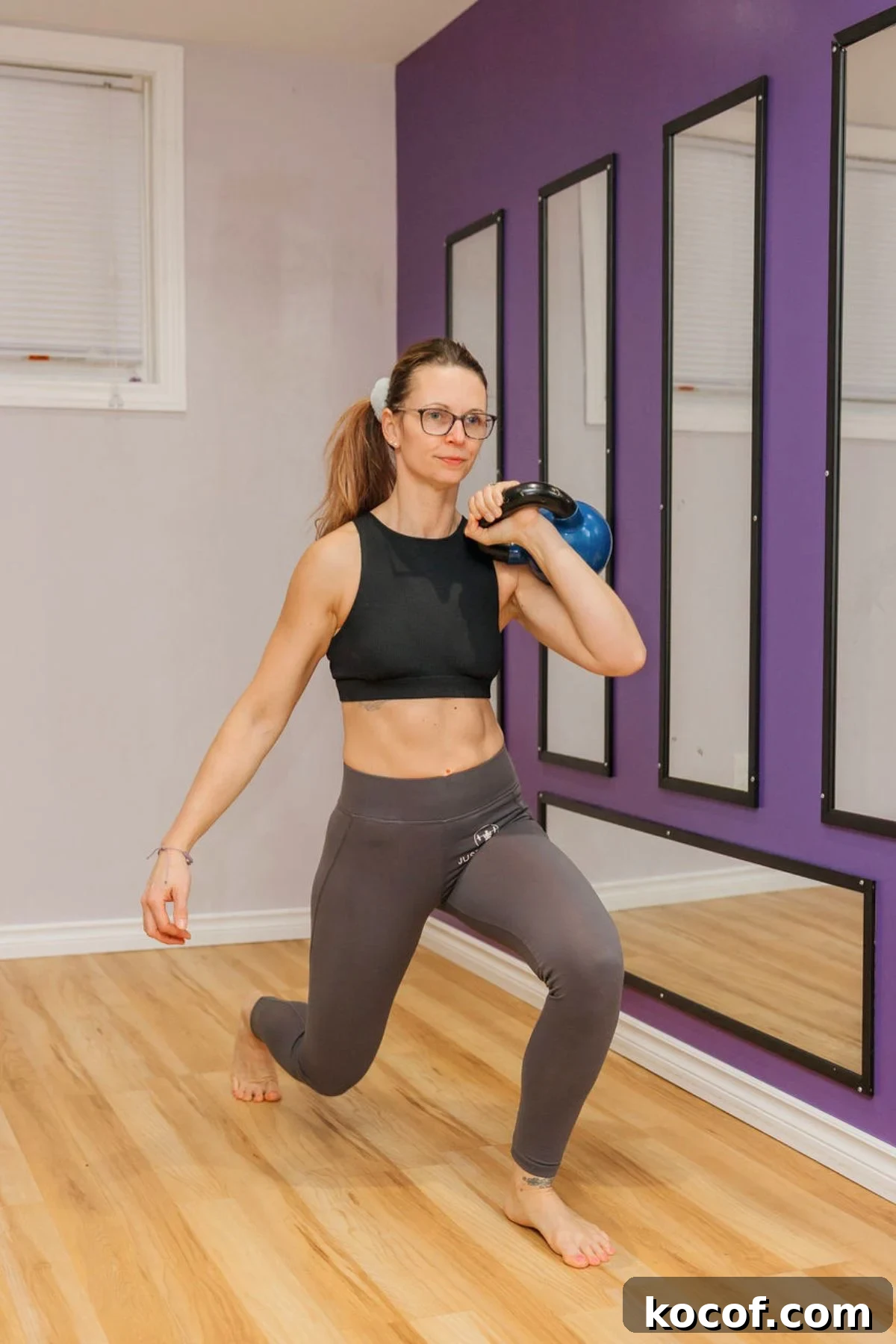
Holding weight on one side increases core demand and asymmetrical stability work. When combined with reverse lunges, this forces greater control and can increase glute activation when performed slowly and deliberately.
Cue: keep a slight hinge at the hips, hold the weight to one side or on the shoulder, and drive through the front heel while maintaining a stable torso.
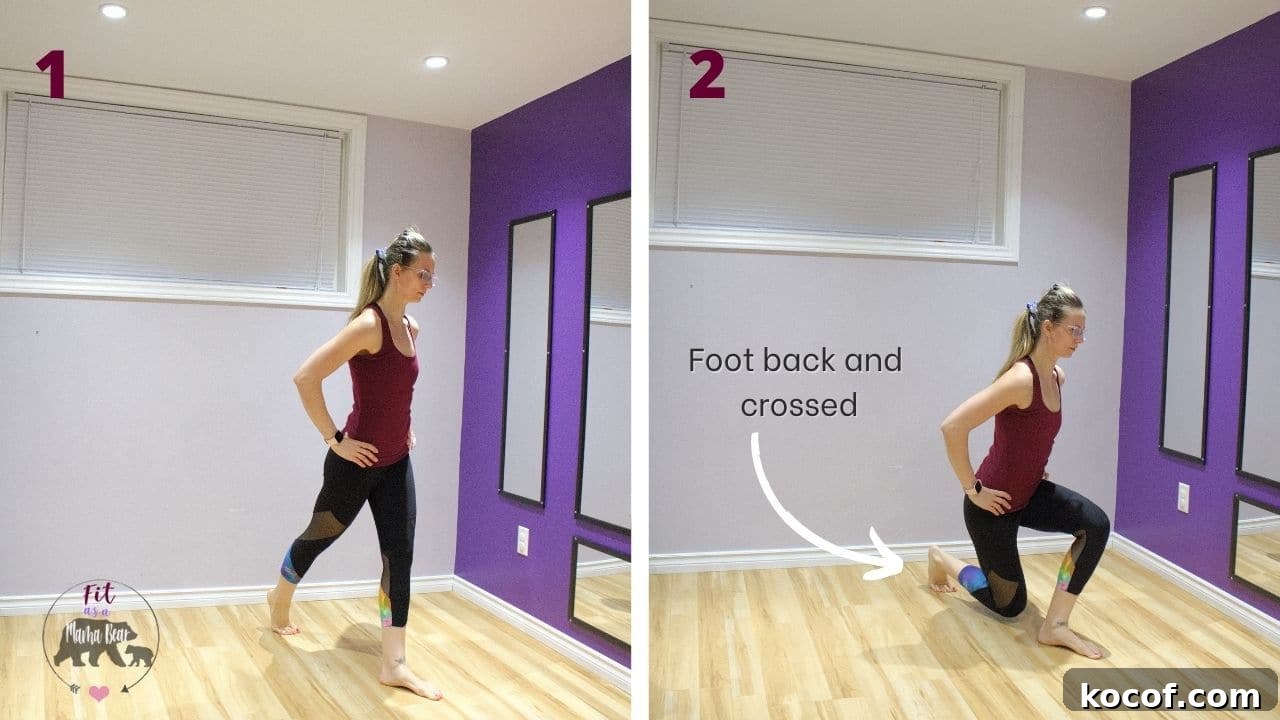
4. Curtsy Lunges
Curtsy lunges target the outer glutes and add an element of rotational and frontal-plane stability. Stepping back and across alters the muscle emphasis and challenges balance differently than forward lunges.
Cue: step back and diagonally across, drive through the front heel, keep the knee tracking steadily, and hinge slightly forward to emphasize the glute.
5. Sliding Lunges
Sliding lunges are an excellent no-equipment option. Sliding the rear foot increases time under tension and forces the glutes and hamstrings to work harder, especially on the return phase.
Cue: slide the back foot slowly and use the front heel to pull yourself back to standing, maintaining control throughout.
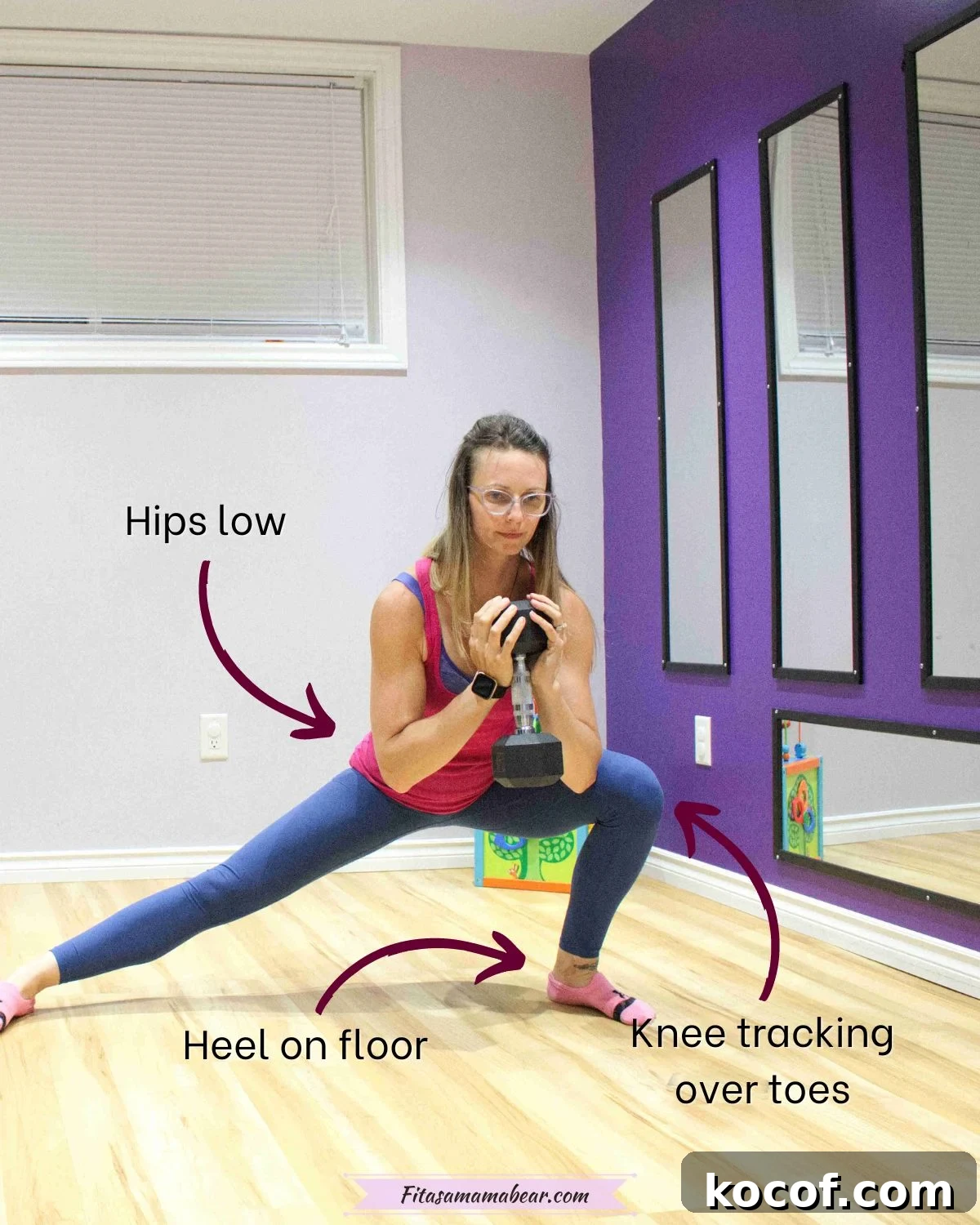
6. Step Out (Lateral) Lunge
A lateral lunge works the outer glute and adductor region by moving the load side-to-side. This variation helps build hip strength and balance in planes that forward lunges don’t address.
Cue: step wide, sit your hips back into the working leg, and push through the heel to return to standing.
7. Low Lunge With Twist
A low lunge with a twist improves hip mobility while adding a rotational core element. This is useful for improving thoracic rotation and stability while keeping the hips active.
Cue: sink into the hips, keep your chest tall, and rotate from the ribcage rather than the lower back.
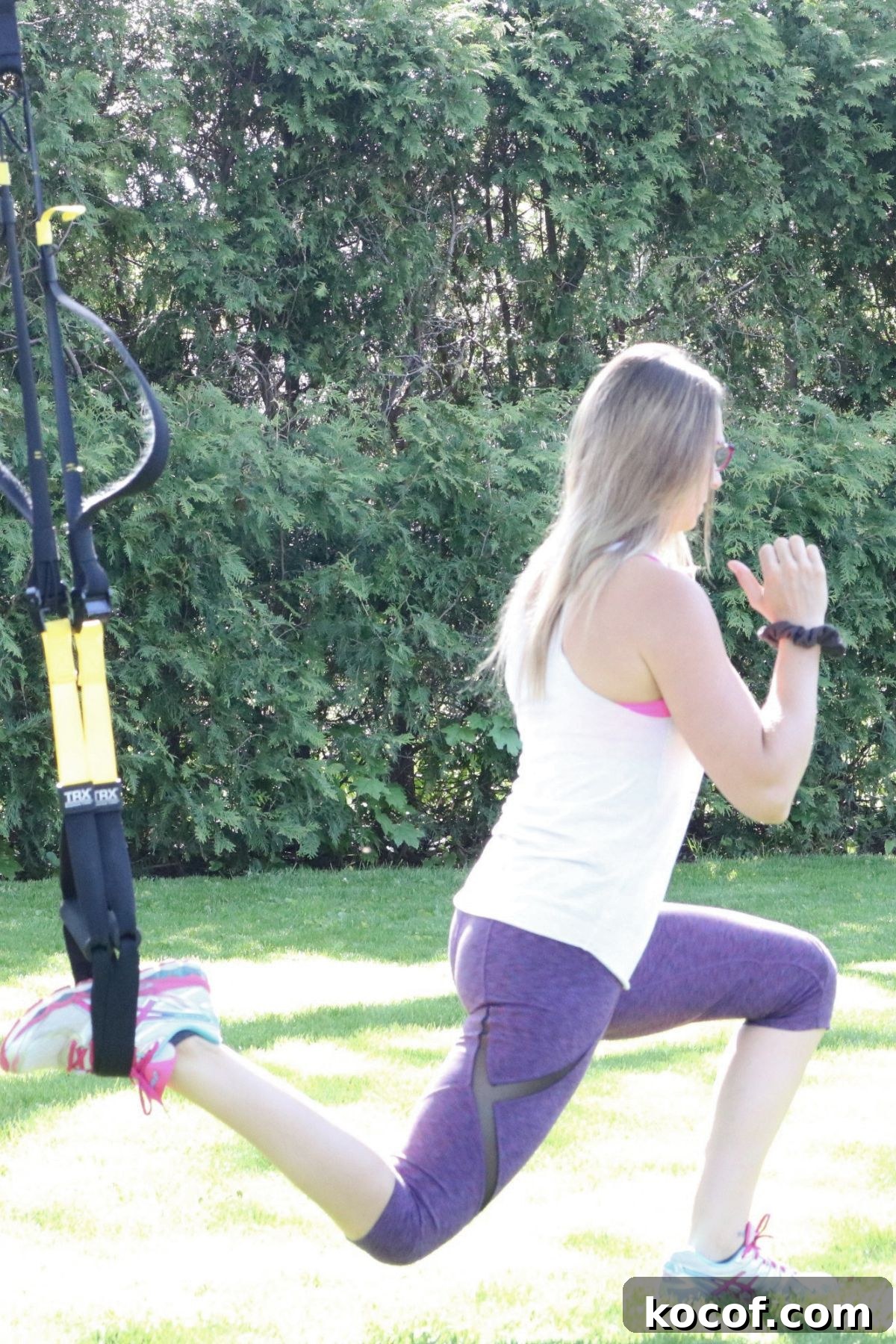
8. TRX Lunges
TRX or suspension-assisted lunges add a stability challenge and help you control the rear-foot position. The straps encourage proper tension and force the front leg to do the bulk of the work, which can increase glute activation.
Cue: keep tension in the straps, maintain a firm core, and drive through the front heel while avoiding reliance on the rear leg.
9. Walking Lunges
Walking lunges keep continuous tension on the glutes and add a dynamic challenge to coordination and endurance. They’re an effective way to maintain muscle engagement throughout a set.
Cue: take controlled, smooth steps, lean slightly forward from the hips, and drive through the front heel without fully locking out between steps.
10. Lunge With Internal Rotation
Adding a slight internal rotation of the front hip as you lower recruits stabilizing glute muscles like the glute medius and minimus. This small adjustment targets muscles that often get overlooked with standard lunges.
Cue: allow the front knee to track gently inward without collapsing, maintain control, and drive back up through the heel.
Are Lunges Enough To Grow Glutes?
Lunges are a valuable tool for glute development, but they are only one component of a complete program. Because most lunges emphasize forward and backward movement, they may not fully stimulate the glutes in every plane or pattern needed for maximal growth.
To develop stronger, fuller glutes, combine lunges with hip-hinge movements, bridging and glute-isolation work, and lateral exercises. Vary load, tempo, and range of motion, and include both heavy strength days and higher-repetition or tempo-focused sessions to cover hypertrophy and strength adaptations.
Practical tip: pair lunges with exercises that train different movement patterns—hinges (like deadlifts), bridges (like hip thrusts), and lateral work—to ensure balanced glute development.
Other Glute Training Tips You’ll Love
-
18 Bodyweight Glute Exercises
-
The Best Glute Isolation Exercises At Home
-
15+ Glute Exercises With Dumbbells
-
Glute Training At Home [For Beginners]
Types Of Lunges FAQs
The best lunge is one you can perform through a full range of motion without pain and that you will do consistently. Choose variations that match your goals—some favor the glutes while others emphasize the quads.
Neither exercise is universally better. Squats and lunges both target the glutes, quads, and hamstrings. Lunges can emphasize the glutes more when performed with a forward lean and longer step, but both belong in a balanced program.
If you had to pick three, deficit lunges, curtsy lunges, and lateral (side) lunges are especially effective for building strong, well-rounded glutes.