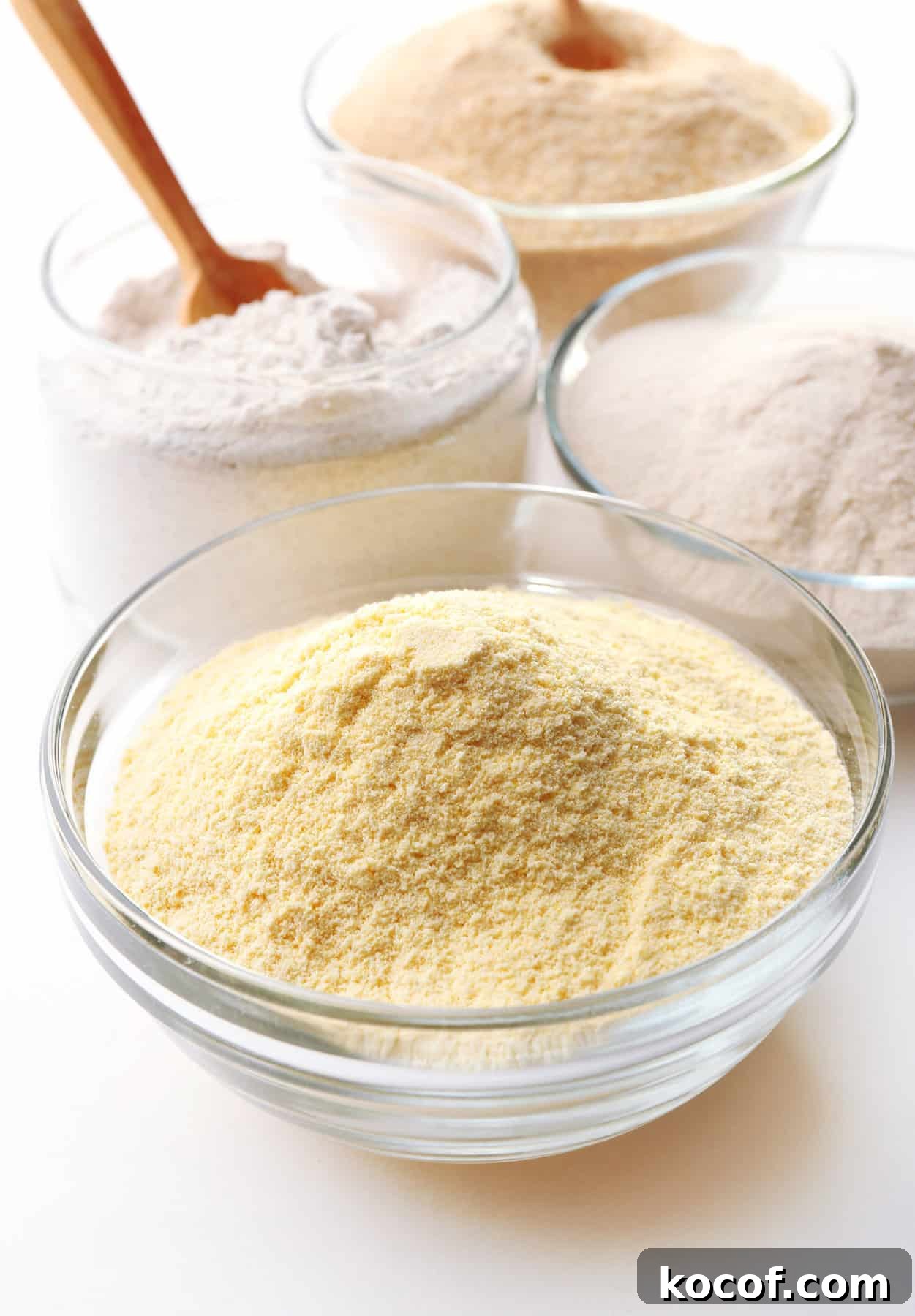
Are you adapting a recipe and wondering which pantry staples can stand in for each other? With so many grains available, it can be confusing to know when a substitution will work. If you’re asking can you substitute cornmeal for flour, this article explains when it’s appropriate, how to adjust recipes, and what alternatives work best.
Cornmeal Substitutions for Flour: Key Takeaways
Can you substitute cornmeal for flour? Often, yes — but it depends on the recipe. Cornmeal can frequently replace flour at a 1:1 ratio for light applications such as breading and some quick bakes. In baking where texture and structure matter, cornmeal behaves differently due to its coarser texture and natural sweetness. Corn products are naturally gluten-free, which makes them useful alternatives for those avoiding wheat.
What is Cornmeal?
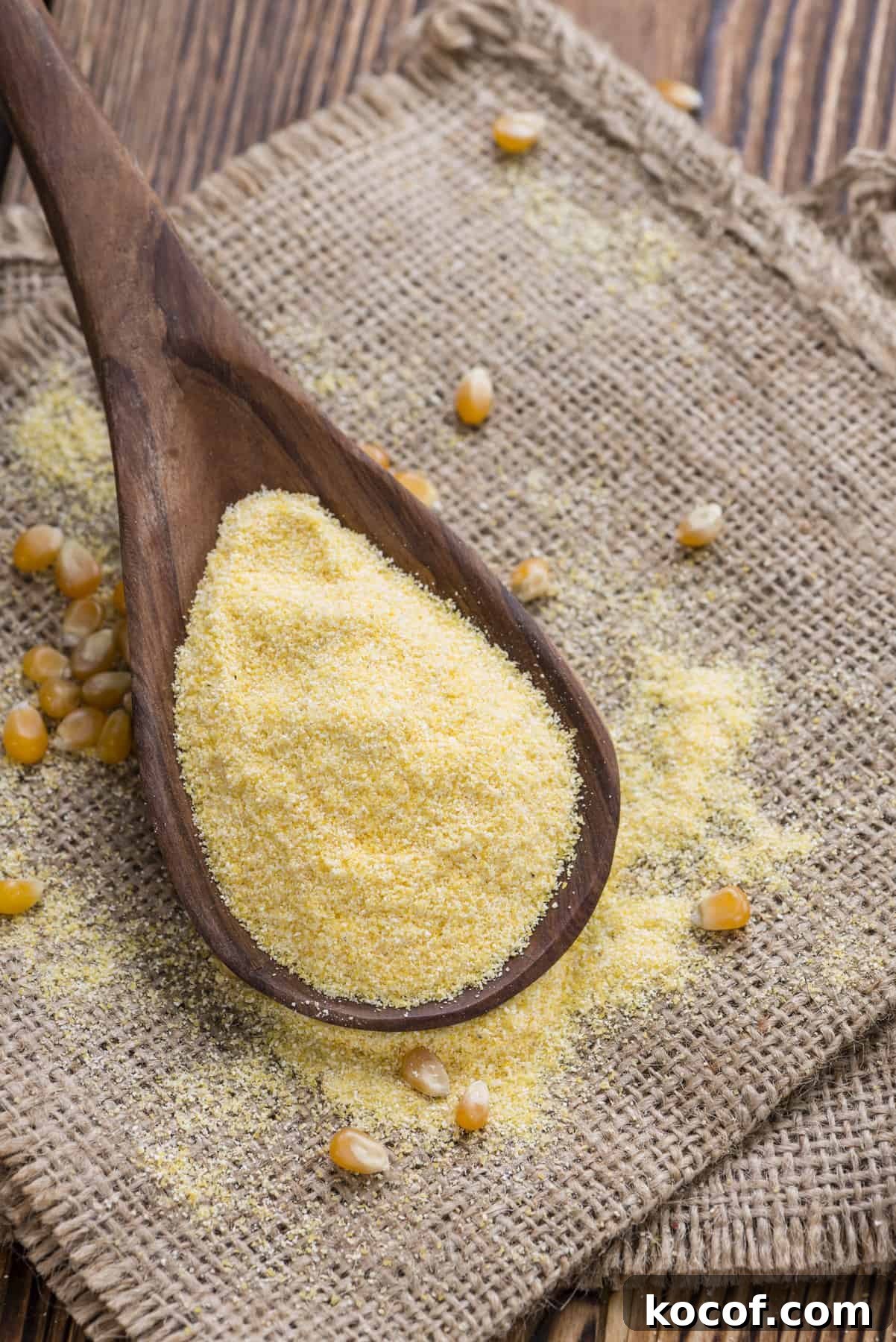
Cornmeal is produced by grinding dried dent corn into different textures: fine, medium, and coarse. It is a foundational ingredient in many Mesoamerican cuisines and commonly used for tortillas, tamales, tortilla chips, and similar preparations.
Types of Cornmeal
- Fine cornmeal: Ground to a very fine powder, often labeled corn flour. It can substitute for medium cornmeal in many recipes.
- Medium cornmeal: The most common texture, used in cornbread and many baked goods.
- Coarse cornmeal: Contains larger pieces of the endosperm and usually requires longer cooking or soaking, as in polenta or grits.
What’s the Difference Between Cornmeal and Corn Flour?
Understanding corn products helps when substituting. There are many forms — yellow or white cornmeal, coarse or fine, masa harina, corn flour, and cornstarch — all derived from dried corn but milled or processed differently.
Cornmeal usually describes coarser ground dried corn and gives a gritty texture compared to wheat flour.
Corn flour is very finely ground corn, closer in texture to wheat flour, with a mildly sweet corn flavor.
Can You Use Masa Harina to Replace Flour?
Masa harina is corn that has been nixtamalized (treated with lime) and then ground. It has a savory flavor and is ideal for tortillas and tamales. Masa harina can thicken soups and chilis and can substitute for cornmeal or wheat flour in savory bakes, though its distinct taste will influence the final dish.
Is It Better to Use Cornmeal or Flour?
Which is better depends on the recipe. Many cornbread recipes combine cornmeal and wheat flour so the flour balances cornmeal’s texture and sweetness. Cornmeal is a solid gluten-free choice and brings fiber and whole-grain benefits, but it isn’t always a direct replacement for wheat flour in recipes that rely on gluten for structure.
As a rule, use cornmeal in smaller proportions when substituting — for example, in coatings or as a partial replacement in batters. For baked goods that require a flour base, consider mixing cornmeal with another flour substitute (oat flour, almond flour) or using a gluten-free flour blend for more predictable results.
More Flour Substitutes
Several alternatives can replace all-purpose flour, each suited to specific uses. Below are common options, with notes on ratios and typical applications.
1. Almond Flour
Almond flour, made from ground almonds, is a popular low-carb, gluten-free choice. It works well for breading at a 1:1 ratio. In baking, almond flour doesn’t absorb moisture like wheat flour, so you may need to increase the amount or add an extra egg to achieve the right texture.
2. Chickpea flour
Chickpea flour is gluten-free, high in protein and fiber, and suits quick-cooking recipes such as pancakes, batters, and breading. Use about 75% of the chickpea flour compared to the wheat flour amount for best results.
3. Oat Flour
Oat flour has a neutral taste and a fluffy texture similar to fine cornmeal or wheat flour. It’s easy to make at home from rolled oats. Replace each cup of wheat flour with approximately 1 1/4 to 1 1/3 cups of oat flour; it’s a versatile substitute for many baked goods.
4. Coconut Flour
Coconut flour is very absorbent—use about one-third the amount of wheat flour—and often requires additional eggs or leavening to maintain texture. It’s best used in recipes adapted for its density.
5. White Rice Flour
White rice flour is a gentle, neutral-tasting flour commonly used in gluten-free baking. It can often replace wheat flour at a 1:1 ratio; you may want to add a tablespoon of water per cup. For large cakes, rely on tested gluten-free recipes for the best texture.
6. Sorghum Flour
Sorghum flour has a sweet, nutty flavor and works in many gluten-free recipes, including breads and muffins. It is best used in recipes designed for sorghum or in blends with other flours.
7. Gluten Free Flour Blend
Using a purpose-made gluten-free flour blend is often the easiest way to swap for all-purpose flour. These blends are formulated to replace wheat flour 1:1 in many recipes, giving reliable results for cakes, cookies, quick breads, and more.
Flour Substitute FAQs
Can I substitute cornmeal for flour in cookies?
Can corn flour replace all-purpose flour?
Is cornmeal and all-purpose flour the same thing?
Recipes Using Cornmeal
Cornmeal is versatile: use it for cornbread, polenta, grits, fried coatings, and as a textural addition to muffins and quick breads. When substituting, start small and adjust liquid and binding agents as needed to get the texture you want.