No, this is not an announcement that I’m pregnant. Instead, I want to share my preconception diet and the steps I’m taking to prepare my body for pregnancy. Having children wasn’t originally in our plans — I was finishing a master’s in nutrition and my husband was taking medication for ulcerative colitis that his doctor said would need to be stopped before trying for children. After completing our first Whole30 and my husband getting off his medication, having a baby became a realistic possibility. I began researching how to prepare my body and adopted a number of dietary and lifestyle changes that I believe support fertility and a healthy pregnancy.
Preconception Diet
Reach and maintain a healthy weight: Body weight affects fertility. Research shows that being underweight or overweight can make it harder to conceive. Aim for slow, sustainable changes rather than crash diets, which can deplete important nutrient stores and leave you feeling unwell.
Focus on nutrient-dense foods: You’ll be creating a new life, so prioritize foods rich in vitamins, minerals, and healthy calories. Include a variety of whole foods:
- Plenty of fruits and vegetables (organic when possible)
- Lean proteins from wild-caught fish and pasture-raised or grass-fed animals
- Generous amounts of healthy fats (details below)
- Complex carbohydrates such as sweet potatoes, whole grains, and winter squash
- Nutrient-dense staples like homemade bone broth
Avoid highly processed foods, refined sugar, artificial sweeteners, chemical additives, and highly processed snack food products.
Choose full-fat dairy when tolerated: Swapping low-fat dairy for whole milk, full-fat yogurt, and cheeses has been associated with improved fertility in some studies, likely due to beneficial nutrients in milk fat. If you tolerate dairy, consider choosing whole versions.
Emphasize healthy fats: Fats are essential for hormone balance, fertility, and baby brain development. Focus on sources such as coconut oil, grass-fed butter, extra-virgin olive oil, wild-caught fish, grass-fed meats, whole milk from well-raised animals, avocados, and eggs from pastured chickens. Avoid trans fats, hydrogenated shortenings, and oils very high in omega-6 (safflower, corn, conventional vegetable and many industrial seed oils).
Consider a quality prenatal vitamin: A whole-food based prenatal can help fill gaps that diet alone might not cover. Look for products that use food-based or naturally occurring nutrient forms and include folate rather than synthetic folic acid, since folate supports neural tube development. Discuss brands and dosages with your healthcare provider.
Address hormone balance: Hormone imbalances, including conditions like PCOS, can interfere with conception. Eating a nutrient-rich diet, stabilizing blood sugar, maintaining healthy body weight, and managing stress can all support hormonal balance. Seek medical evaluation and targeted guidance if you suspect an endocrine issue.
Keep active: Aim for around 30 minutes of moderate exercise most days. Activities like walking, swimming, prenatal-friendly yoga, and strength training support metabolic health, mood, and circulation. Continuing regular, appropriate exercise during pregnancy is also beneficial, with provider clearance.
Replenish magnesium: Some people link low magnesium to nausea and other issues. Magnesium is found in foods like nuts, seeds, leafy greens, and whole grains, and may be included in your prenatal. Warm magnesium-rich baths (Epsom salts) can be relaxing and may help support magnesium levels.
Manage stress: Chronic stress can negatively affect fertility. Build regular relaxation into your routine — baths, prayer or meditation, time outdoors, reading, or simply stepping away from screens. Small, regular practices to reduce stress can support overall well-being.
Avoid harmful substances and reduce exposures: Minimize contact with toxic chemicals (strong cleaning products, pesticides), avoid smoking and recreational drugs, limit alcohol, and reduce caffeine intake where advised. Many personal care products contain endocrine-disrupting ingredients, so choose gentler, well-formulated options when possible.
I recently read Real Food for Mother and Baby by Nina Planck, which offers useful perspectives on traditional, nutrient-dense foods for fertility, pregnancy, and breastfeeding. I don’t agree with every recommendation, but I found it valuable for thinking about food choices during these life stages.
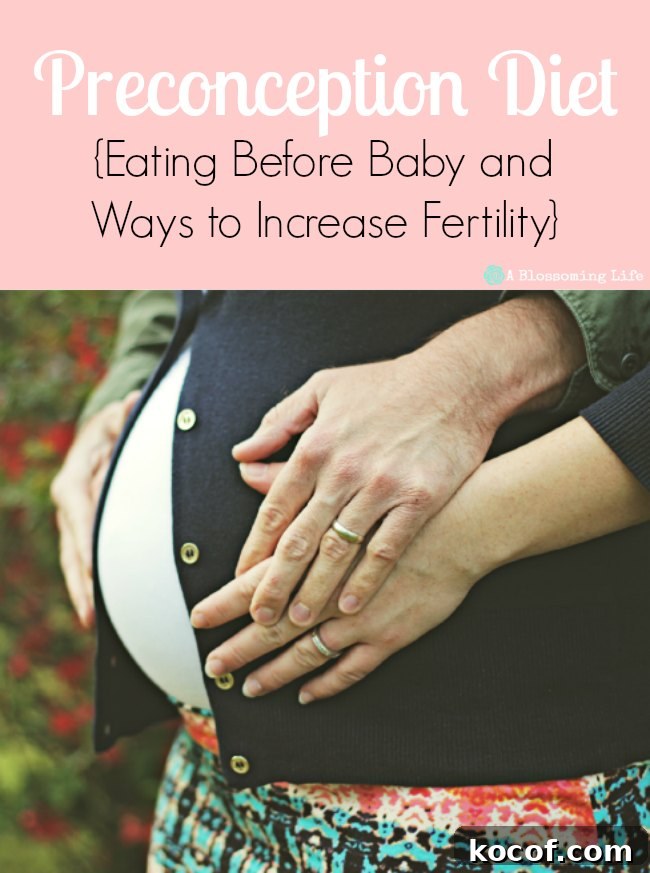
By the way, the photo above is Libby when she was pregnant with baby A, who is now over a year old — isn’t she adorable?
The information provided here is educational and reflects the author’s perspective. Always consult a healthcare provider before beginning any diet or major health change. This post is not a substitute for professional medical advice.
Sources:
Jan Willem van der Steeg et al., “Obesity affects spontaneous pregnancy chances in subfertile, ovulatory women.” Human Reproduction Advanced Access. December 11, 2007.
Chavarro JE, Rich-Edwards JW, Rosner B, Willett WC. “A prospective study of dairy foods intake and anovulatory infertility.”
Wellness Mama — resources on hormone balance and lifestyle strategies.
This post contains affiliate links that help support the author without extra cost to you.