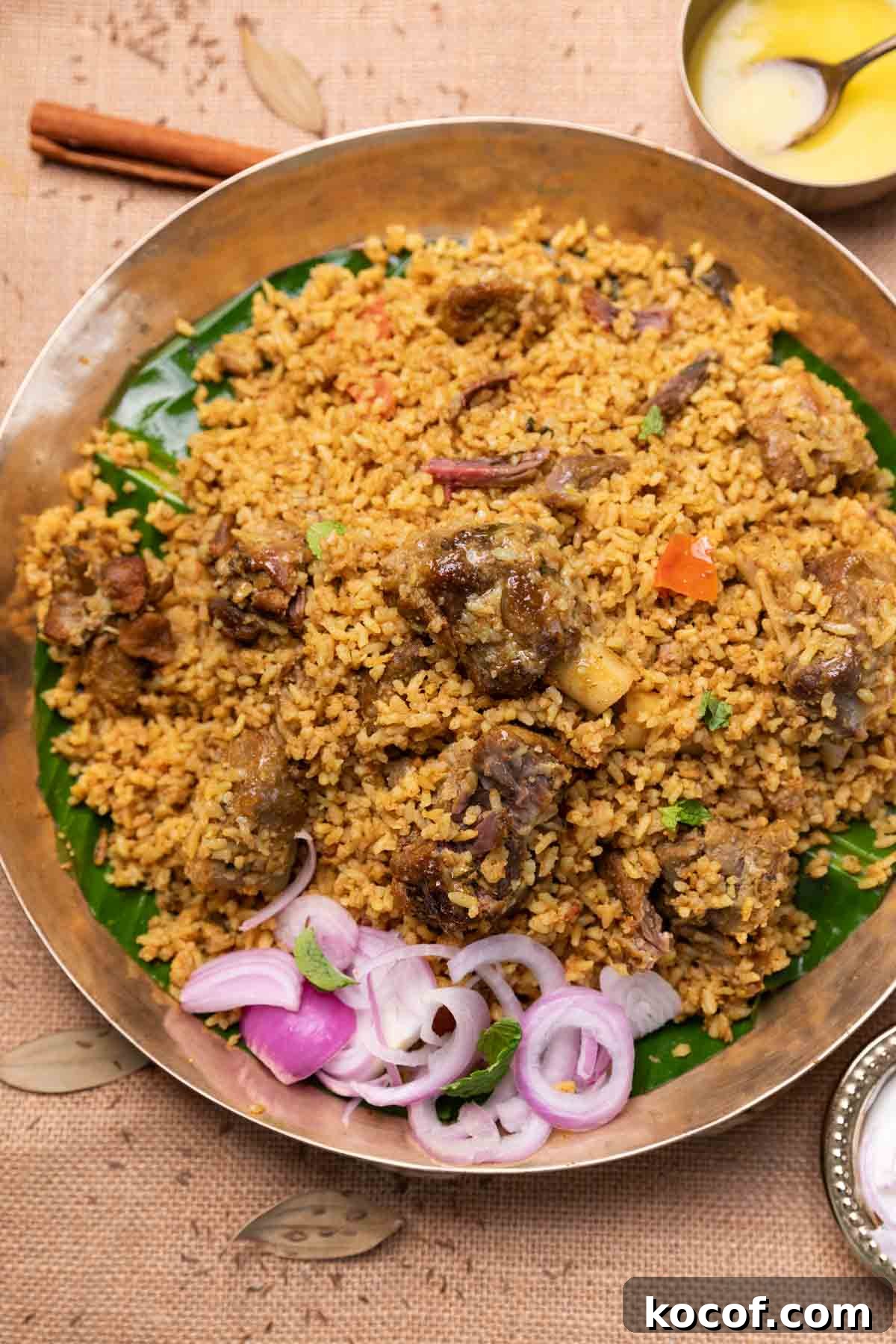
Rich, aromatic, and full of soul, this Dindigul Style Mutton Biryani is a must-try for lovers of authentic South Indian cuisine.
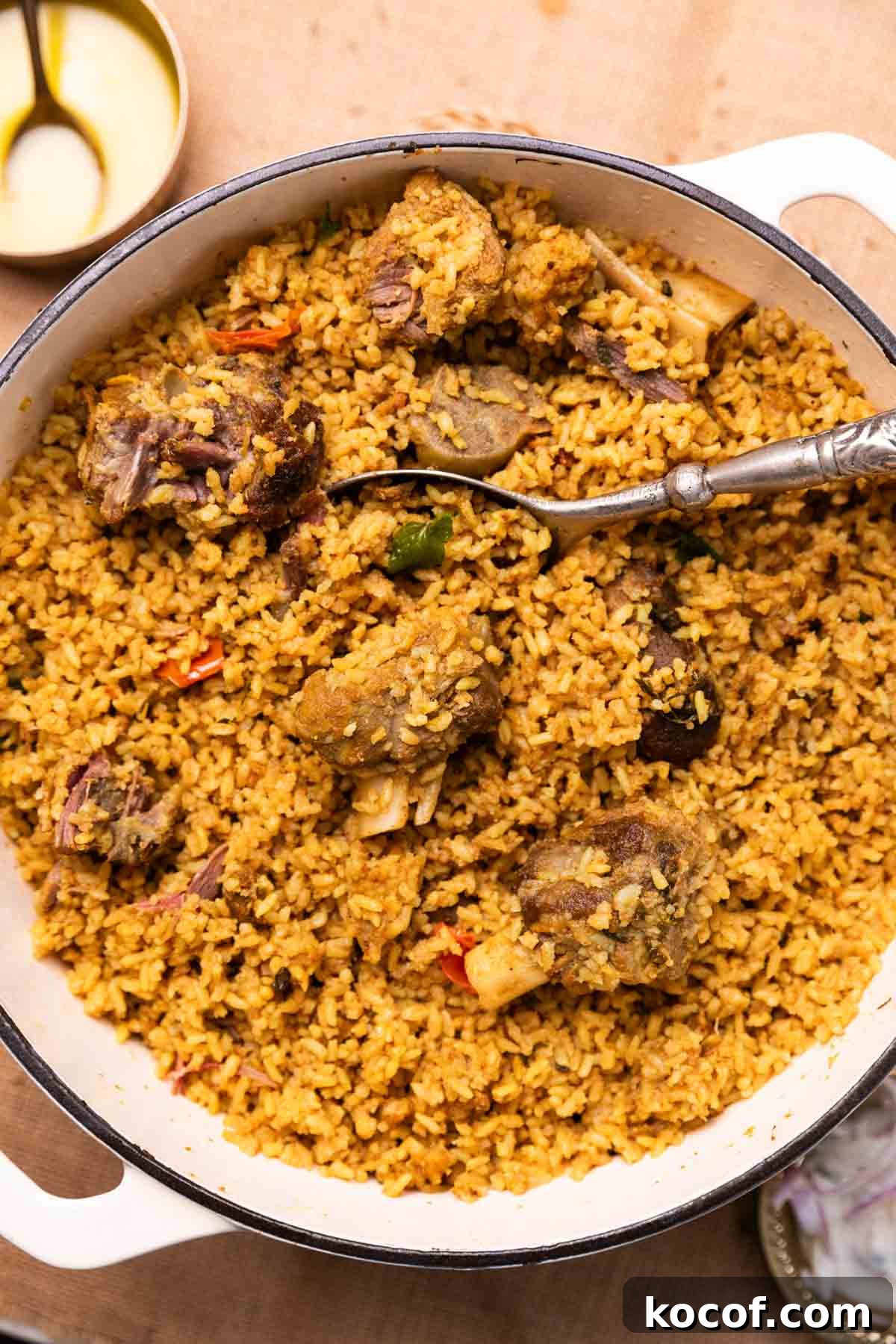
This Dindigul Style Mutton Biryani is a fragrant, deeply flavored biryani from Tamil Nadu. Its dark brown hue, bold spices and tender mutton combine for a soulful meal that’s both comforting and celebratory. The recipe emphasizes freshly ground masala and jeera samba rice, which create the distinctive texture and aroma of this regional specialty. Serve it with a cooling raita for balance.
Jump to section: Dindigul
- Why You’ll Love This Recipe
- Ingredients Overview
- Richa’s Top Tips
- Frequently Asked Questions
- The Secret Ingredient
Why You’ll Love This Recipe
Here’s what makes this Dindigul Thalappakatti Style Mutton Biryani special:
- Authentic South Indian flavor: Freshly ground biryani masala and the use of coconut oil contribute to its signature taste.
- Tender, juicy mutton: Pressure-cooking ensures the mutton absorbs the spices and becomes succulent.
- Great for gatherings: The rich aroma and deep flavor make it ideal for celebrations or a hearty family meal.
- Beginner friendly: Clear steps and straightforward techniques mean you can recreate this biryani even if it’s your first time.
Ingredients Overview
This recipe combines pantry staples and special spices to deliver a satisfying biryani. A freshly ground biryani masala—made from coriander, cumin, fennel, black pepper, mace, cardamom and stone flower—is the core flavoring. Jeera samba rice gives the biryani its ideal, slightly sticky texture, while whole spices such as cinnamon, cardamom and bay leaf add depth during cooking.
Baby onions (or sambar onions) and garlic form the base of the onion paste for the gravy. Coconut oil and ghee lend richness and aroma. The biryani is finished with fresh mint, coriander and a squeeze of lemon juice to brighten the dish.
Richa’s Top Tips
- Use jeera samba rice: Its short-grain texture is ideal for authentic Dindigul biryani. If unavailable, basmati or sona masoori are acceptable substitutes.
- Grind the masala fresh: Freshly toasted and ground spices give a pronounced, vibrant flavor—don’t skip this step.
- Coconut oil matters: For an authentic South Indian profile use coconut oil; other oils will change the flavor.
Frequently Asked Questions
Dindigul biryani is known for its mild heat, dark brown color and the use of freshly ground spices together with jeera samba rice, producing a distinct aroma and texture.
This biryani pairs well with cooling sides such as onion raita, cucumber salad or a tangy pickle to cut through the richness.
Yes. Substitute chicken for mutton but reduce the cooking time since chicken cooks faster.
The Secret Ingredient
Stone flower (kalpasi) is a subtle but transformative ingredient. This dried lichen adds an earthy, smoky layer to the biryani that’s difficult to replicate with other spices. Use it sparingly—its aroma elevates the dish without overpowering it.
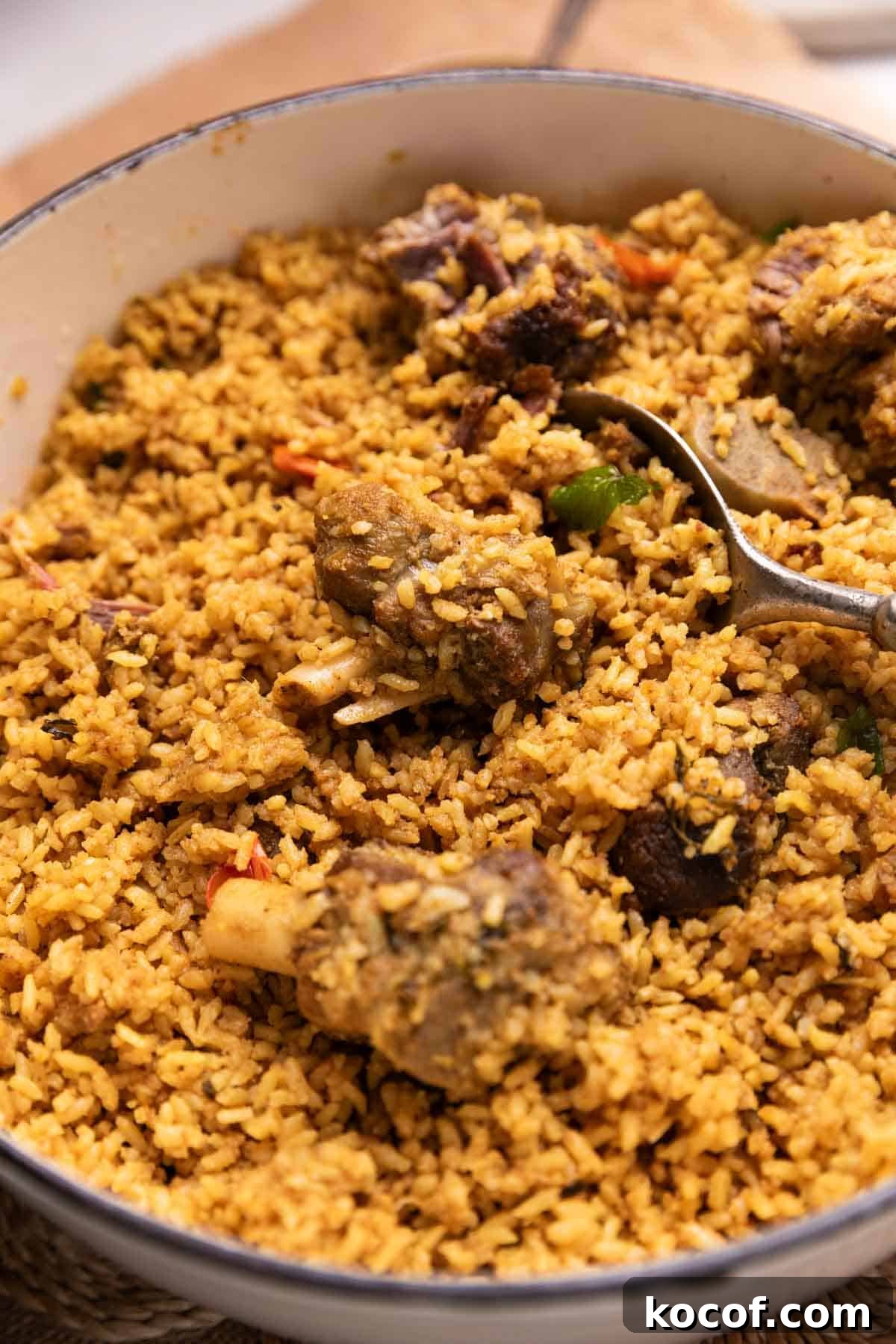
Perfect for a cozy Sunday lunch or a festive gathering, this Dindigul biryani makes a memorable centerpiece. Serve with raita, enjoy the layers of flavor, and allow the biryani to rest before serving so the flavors meld.
Dindigul Style Mutton Biryani
Ingredients
For cooking mutton
- 450 grams mutton
- ½ teaspoon turmeric powder
- ¼ teaspoon salt
- 1 bay leaf
- 2 cloves
- 2 elaichi
- 1 inch dalchini
- 1 blade of mace
- 2 cups water
For biryani masala powder
- 2 tablespoons coriander seeds
- ½ tablespoon cumin seeds
- ½ tablespoon fennel seeds (saunf)
- ½ teaspoon black pepper corns
- 5 elaichi
- 5 cloves
- 2 mace blades
- 1 inch dalchini
- 1 tablespoon stone flower
- 2 bay leaves
For cashew powder
- ¼ cup broken cashews, ground to a fine powder
For onion paste
- 25 sambar onions (about 1 cup / 115 g) or 2 large onions
- 5 green chillies
- 1 inch ginger
- 15 cloves garlic
For biryani gravy
- 3 tablespoons coconut oil
- 4 tablespoons ghee
- 1 tablespoon Kashmiri chilli powder
- ½ teaspoon turmeric powder
- 2 ⅛ teaspoons salt (adjust to taste)
- ¼ cup pudina (mint) leaves
- ¼ cup coriander leaves
- ½ cup curds, whisked
- 2 tablespoons lemon juice
- ¾ + ⅓ cup water (see notes)
- 2 cups jeera samba rice
Instructions
- Wash rice and soak for 15 minutes.
Cooking mutton
- Combine the mutton with water and the whole spices listed under “For cooking mutton” in a pressure cooker. Cook on high pressure until the first whistle, then reduce to low heat for 10 minutes and turn off the heat.
- Drain the mutton pieces and discard the whole spices. Reserve the mutton stock—this should yield about 2 ¼ cups.
Making biryani masala powder
- Dry-roast the whole spices for the biryani masala if desired, then grind them to a fine powder. This yields approximately 4 tablespoons of masala.
Making onion paste
- Blend the sambar onions (or regular onions), green chillies, ginger and garlic to a smooth paste.
Making the biryani
- Heat coconut oil and ghee in a heavy-bottomed pot. Add the onion paste and cook on low heat for about 5 minutes until it is roasted and oil separates.
- Add the cashew powder, chili powder, turmeric and salt; sauté for a minute.
- Add the drained mutton and 3 tablespoons of the biryani masala powder; mix well.
- Stir in 3 tablespoons chopped mint, 3 tablespoons chopped coriander, whisked curds and lemon juice. Cook covered for 5 minutes until the mutton absorbs the masala and oil separates.
- Add the soaked rice, reserved mutton stock, ¾ + ⅓ cup water and the remaining herbs. Bring to a boil.
- Reduce the heat to very low, cover and cook for 10 minutes—the biryani will be semi-cooked at this stage.
- Heat a tawa (griddle) until hot, place the pot on the tawa and continue cooking on low heat for 7 minutes to prevent sticking and ensure even heat distribution.
- Let the biryani rest for 30 minutes before opening and serving.
Notes
- Using coconut oil is recommended for authentic flavor, but it may be substituted with another cooking oil if necessary.
- Baby onions can be replaced with 2 large onions if sambar onions are unavailable.
- The water quantities given are suggested to achieve the right rice texture for this recipe.
- Jeera samba rice gives the closest authentic result; basmati or sona masoori rice can be used as alternatives.
- Placing the pot on a hot tawa prevents the biryani from sticking to the bottom and helps cook it evenly.
Nutrition
Carbohydrates: 104g,
Protein: 27g,
Fat: 42g
This article was researched and written by Harita Odedra.